
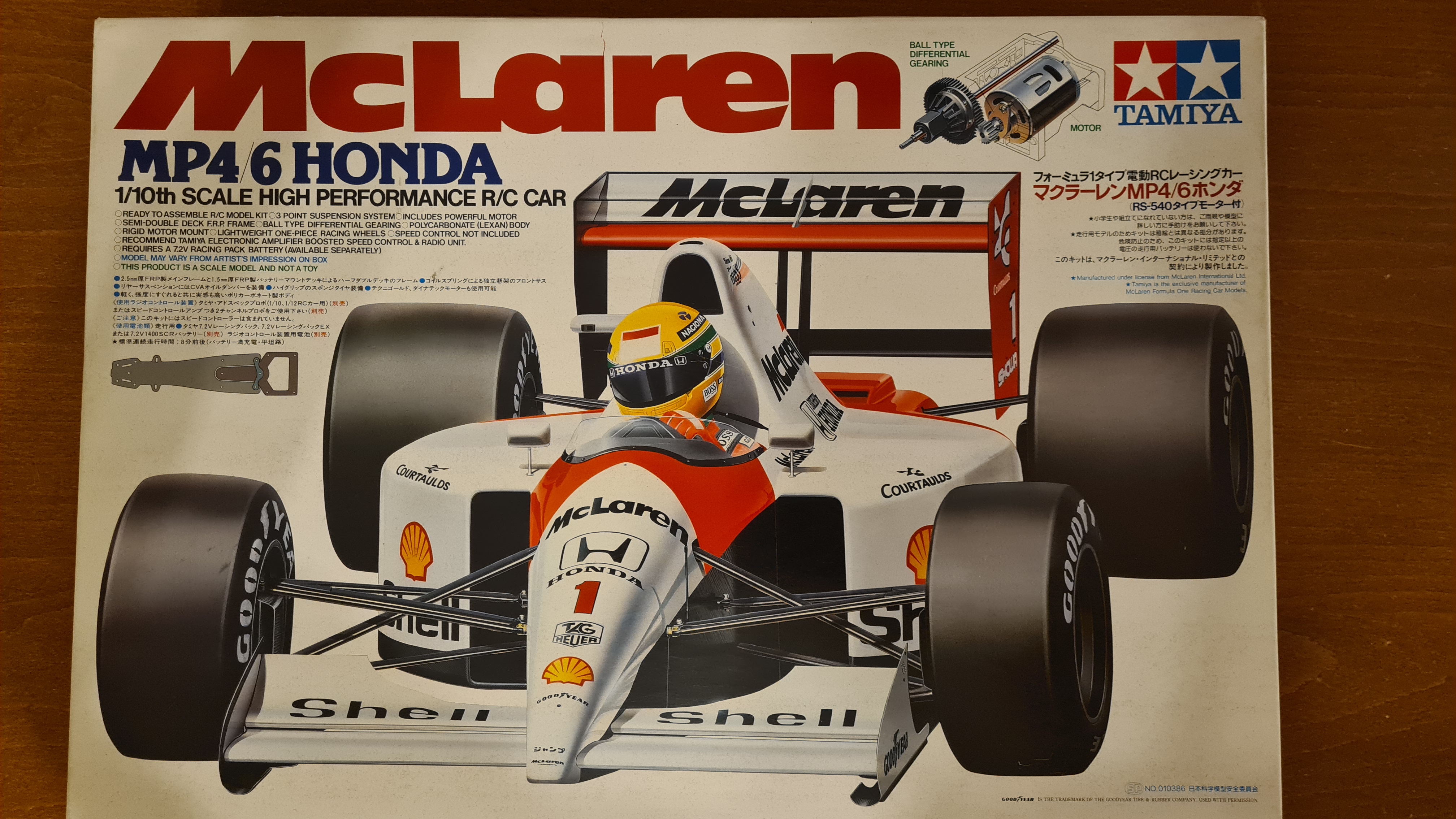
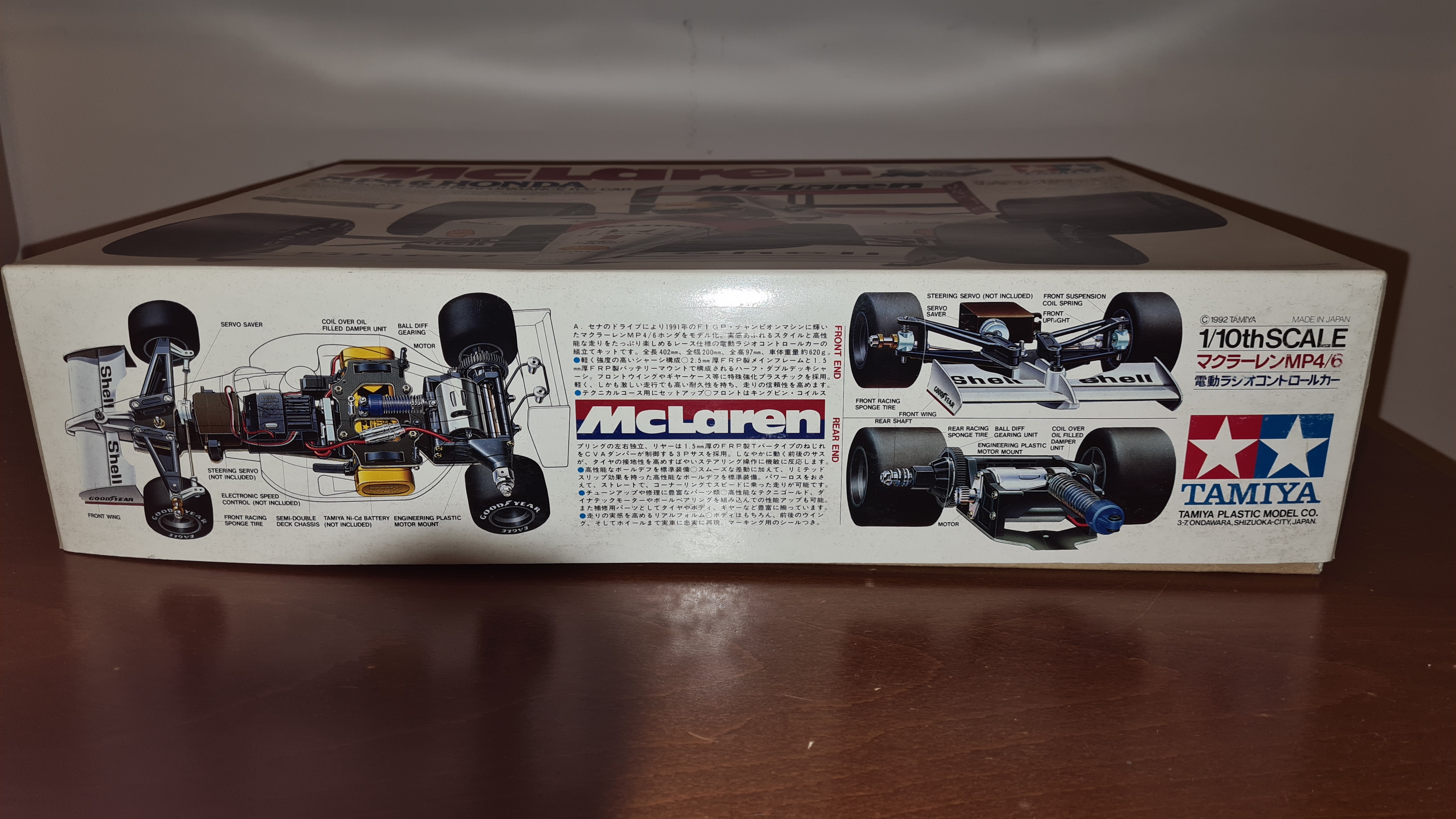
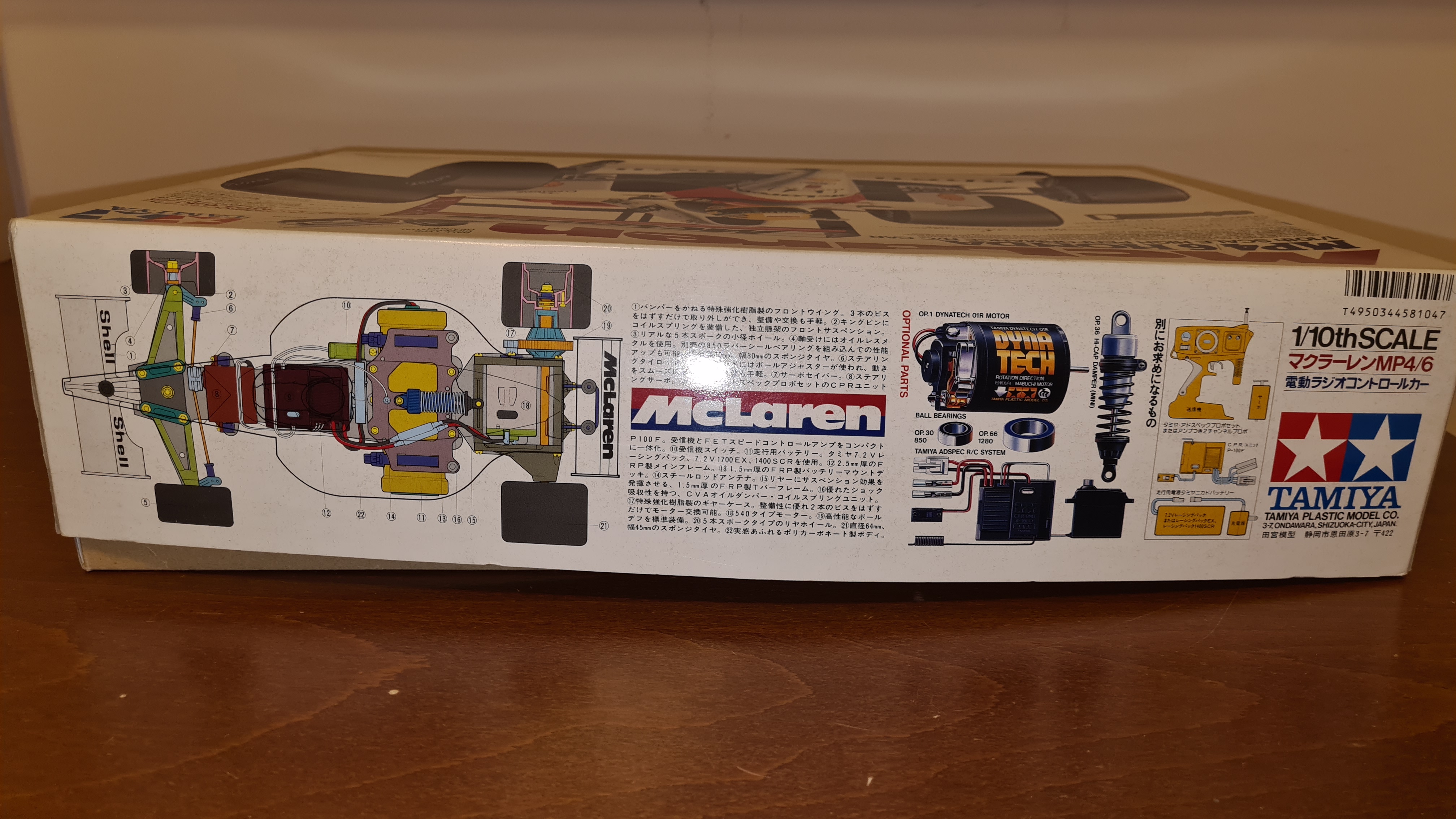
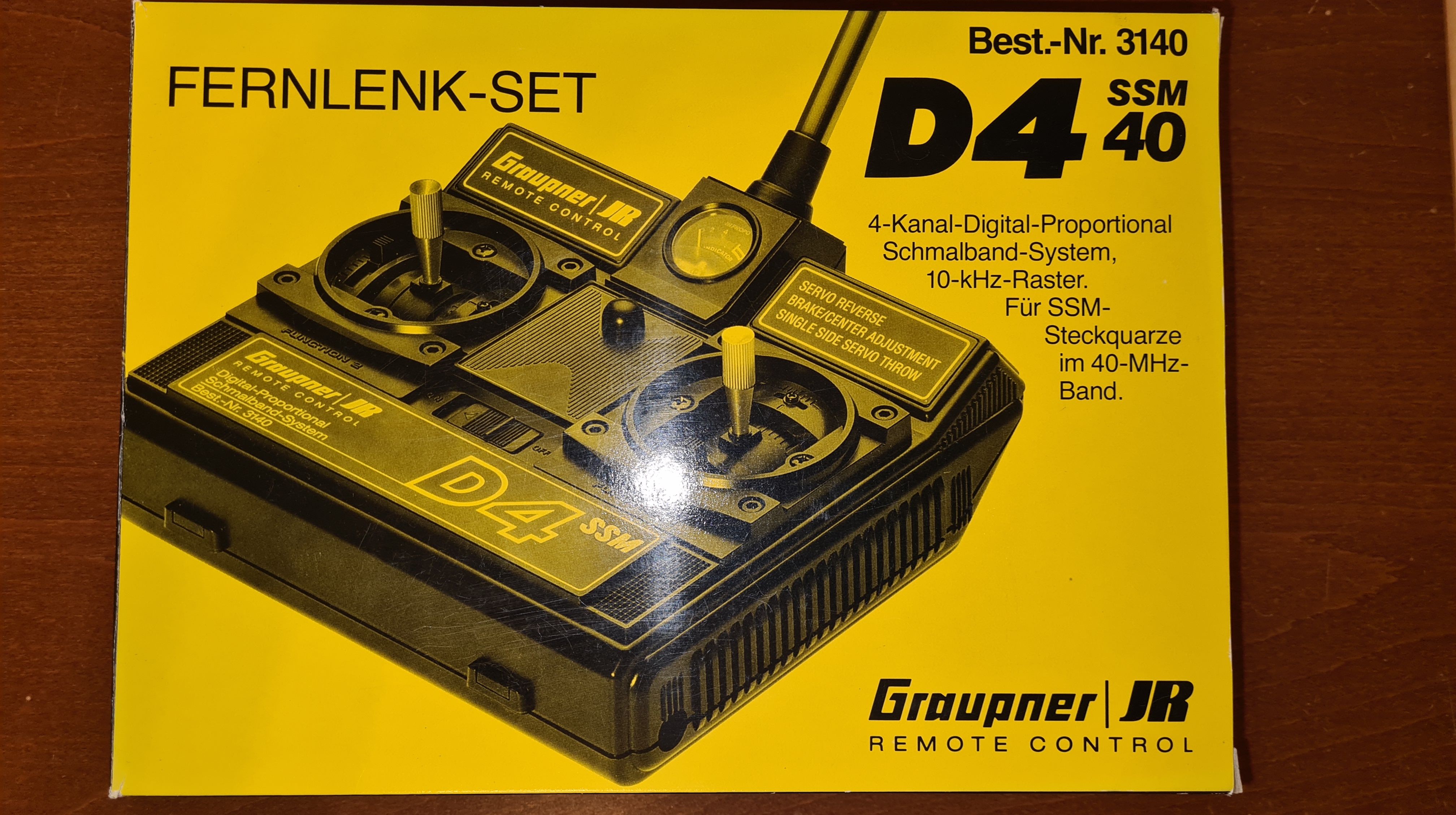
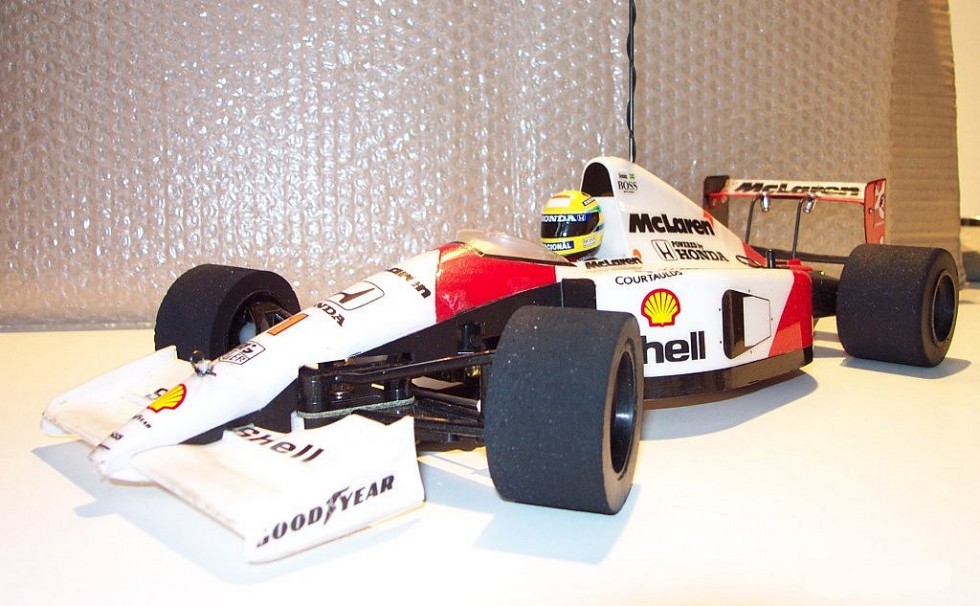
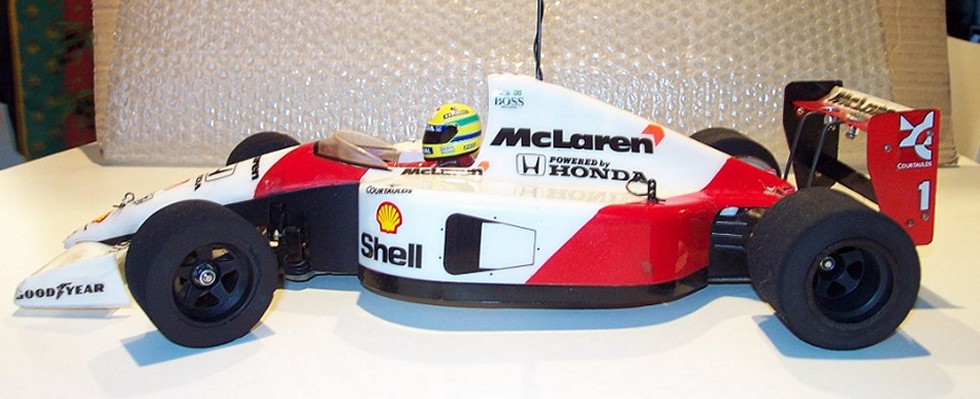
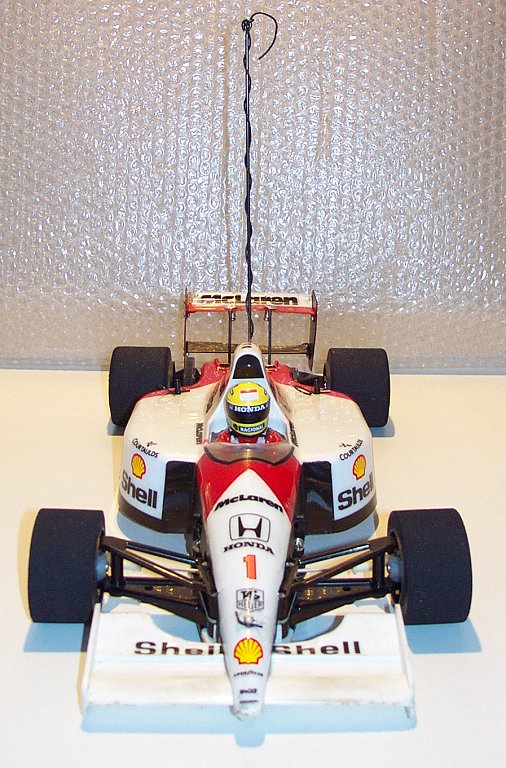
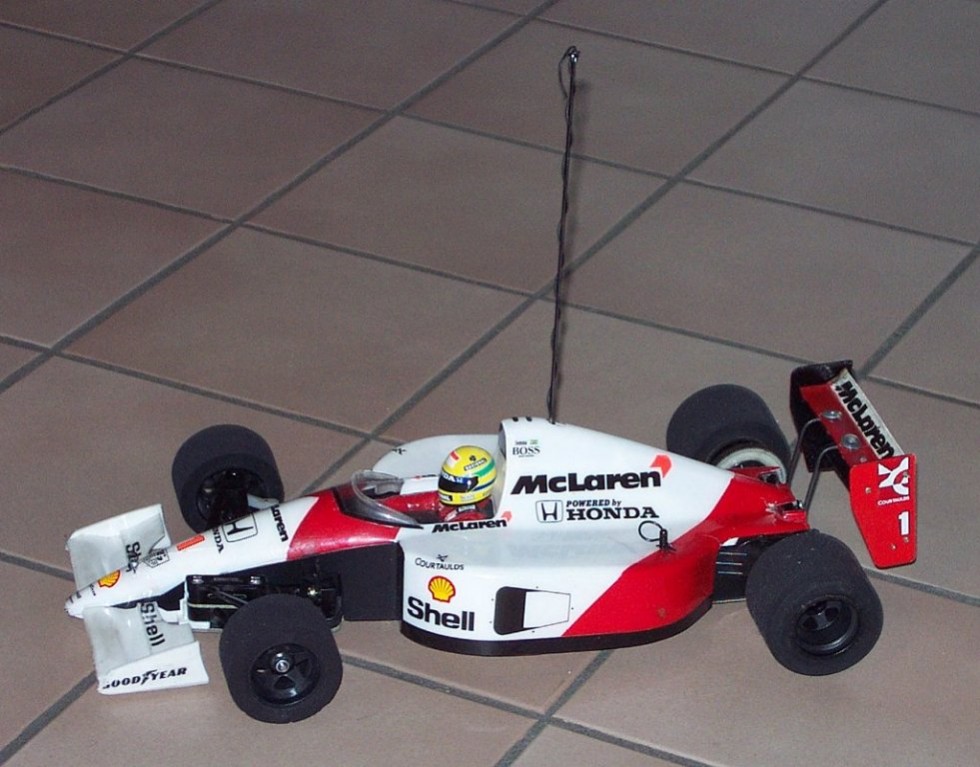
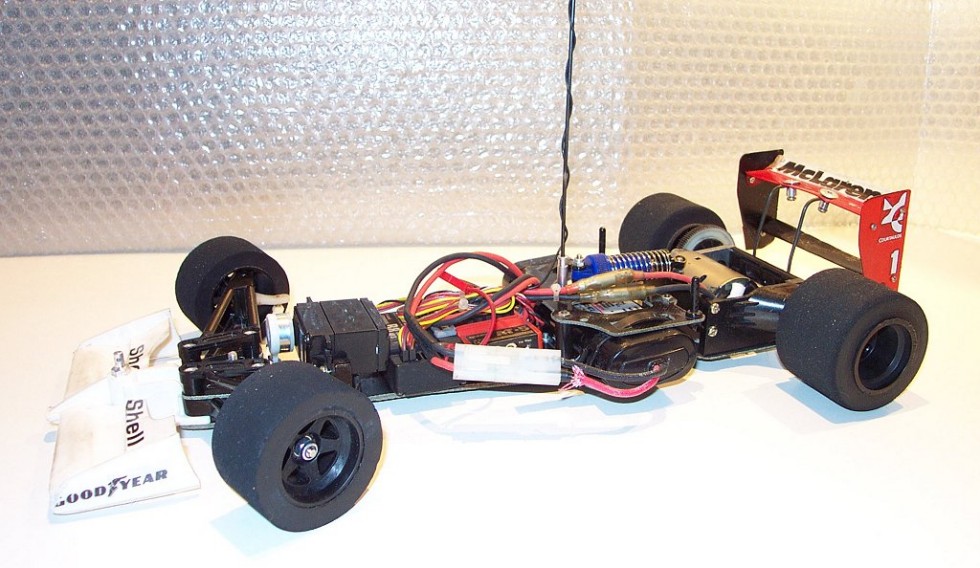
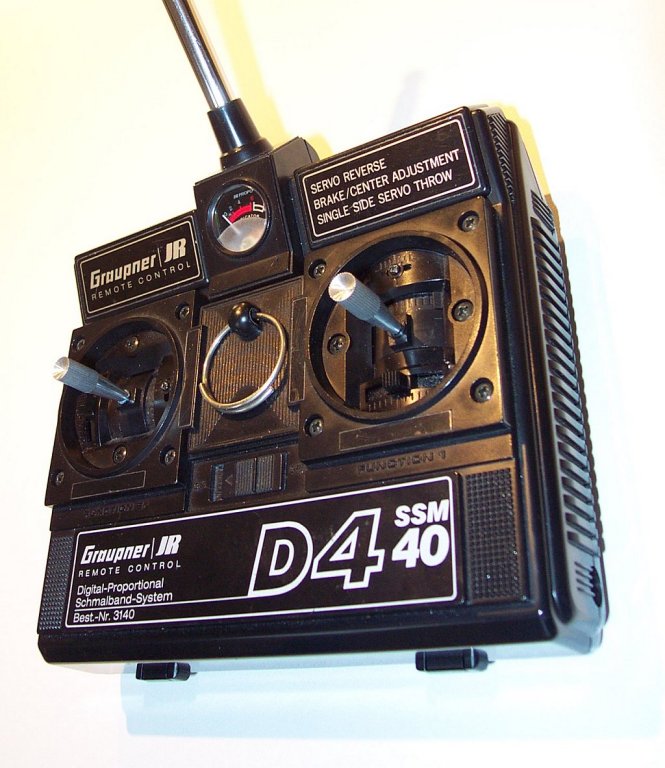
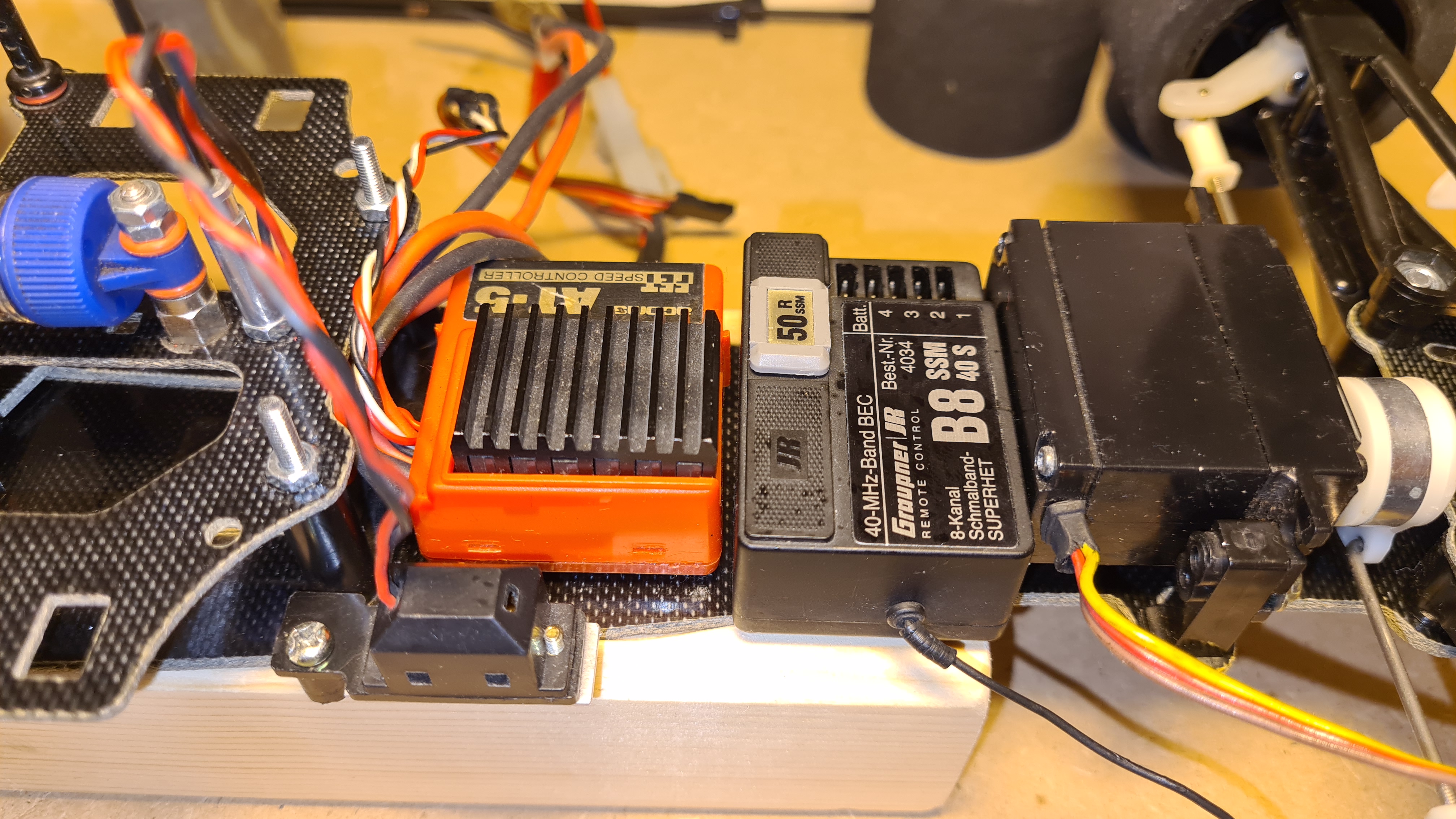
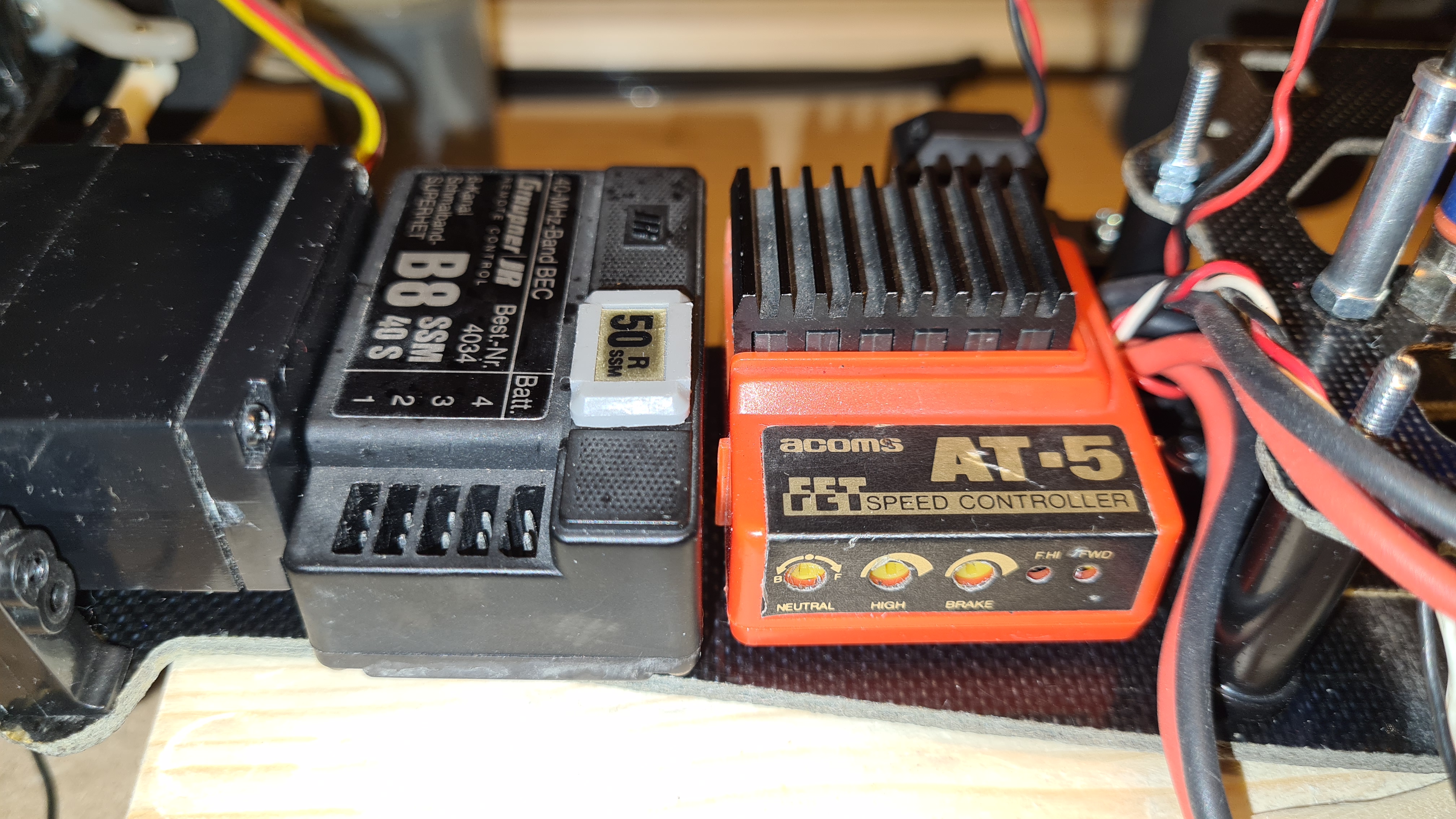
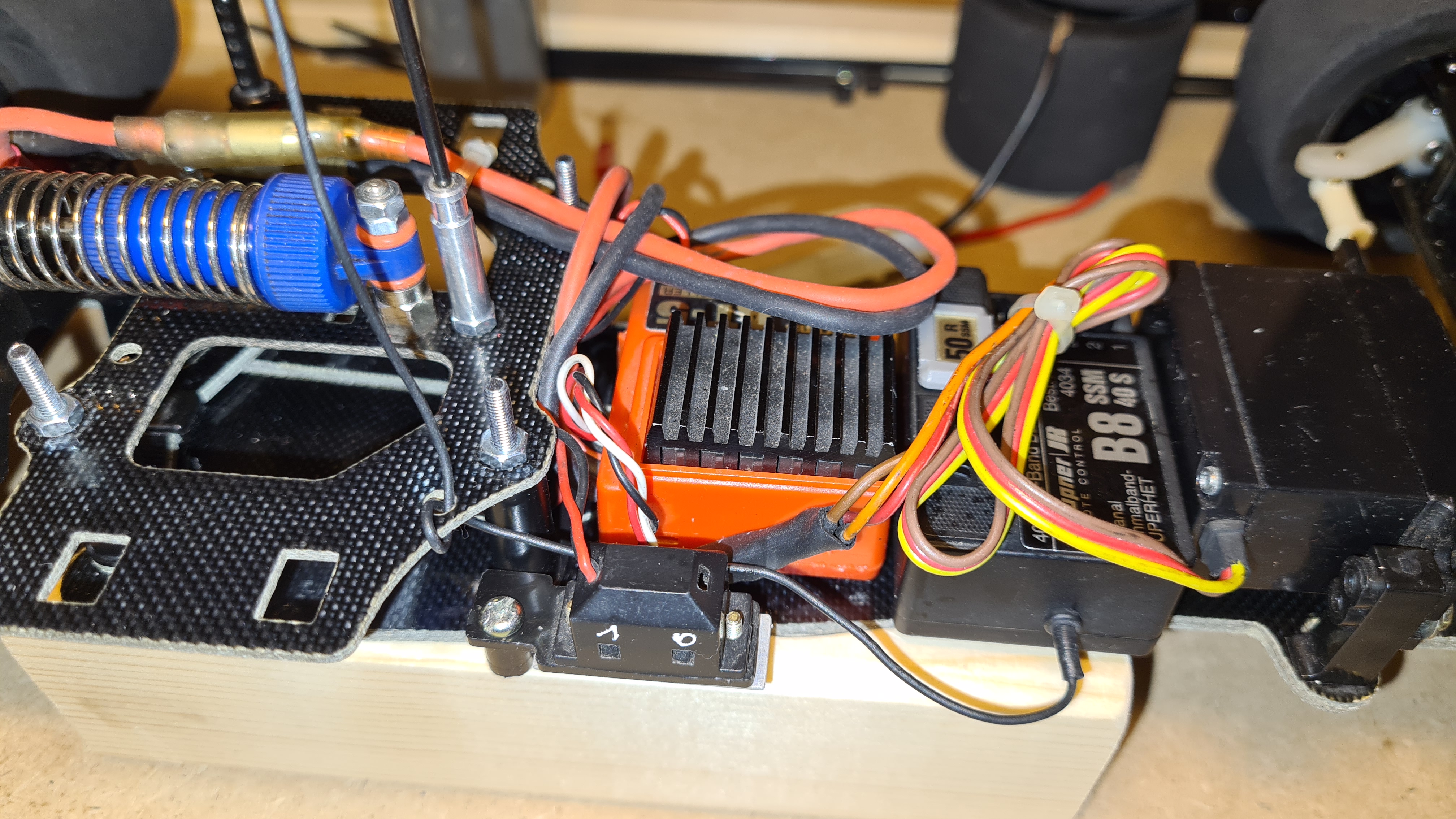
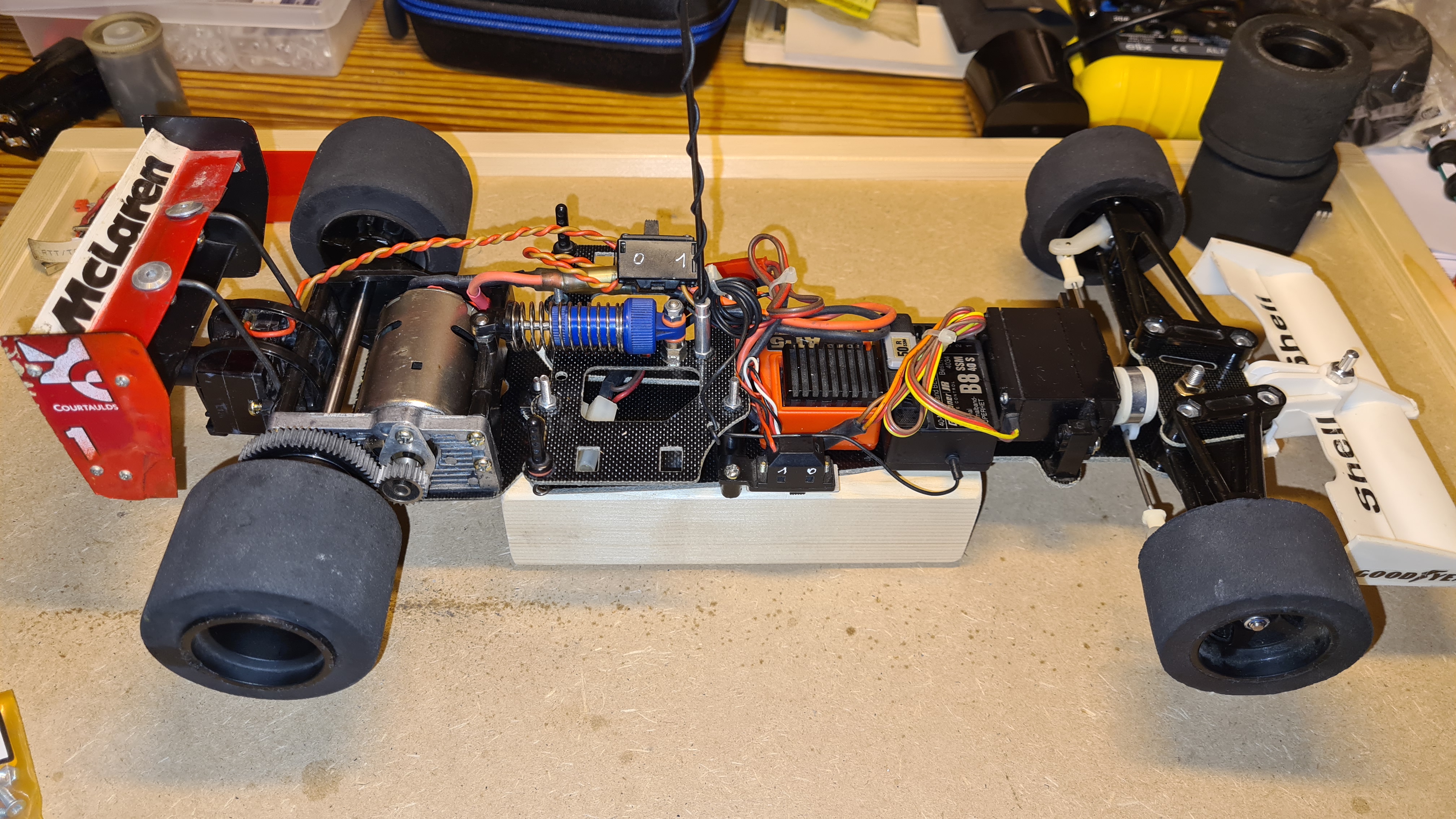
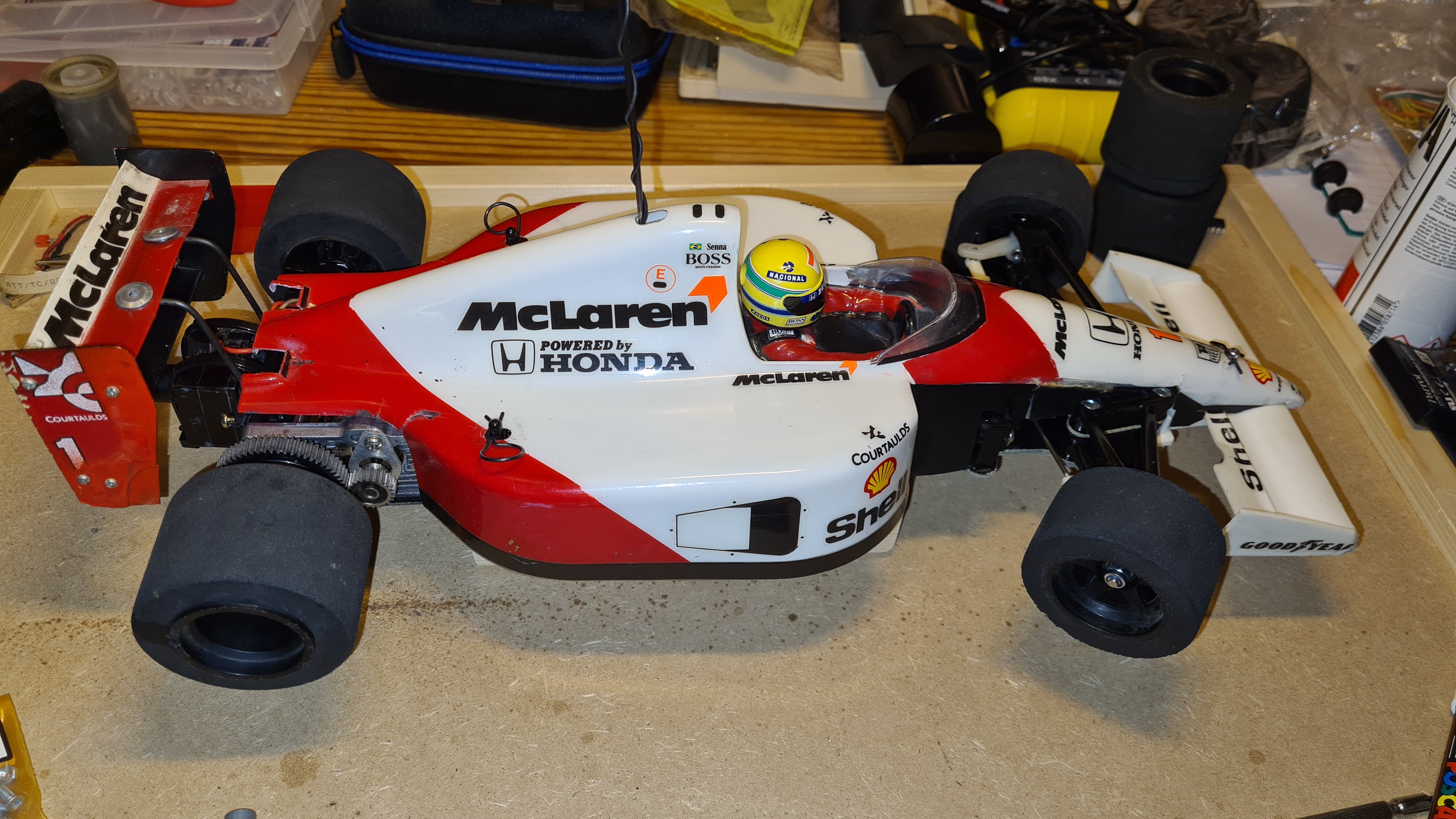
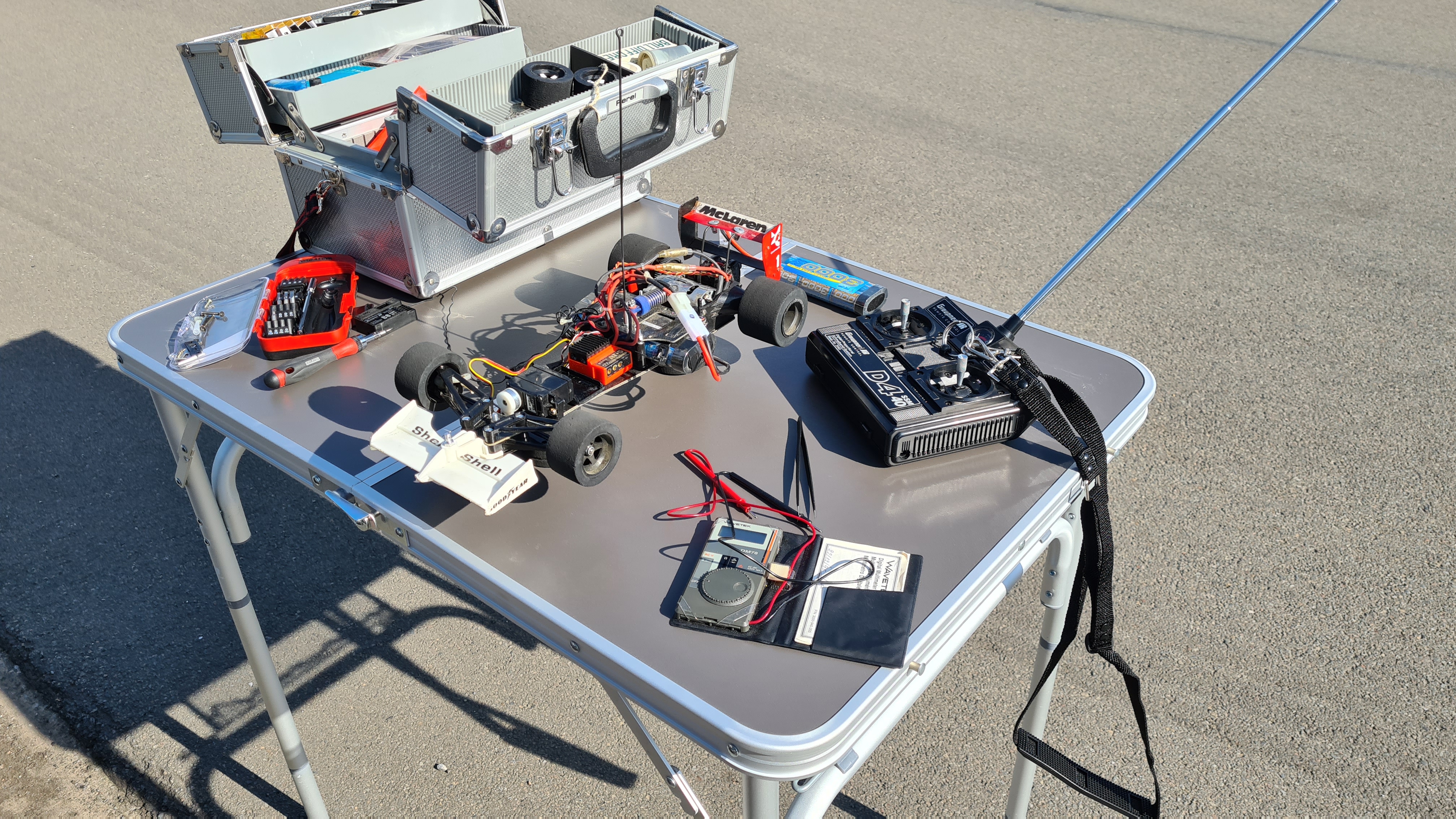
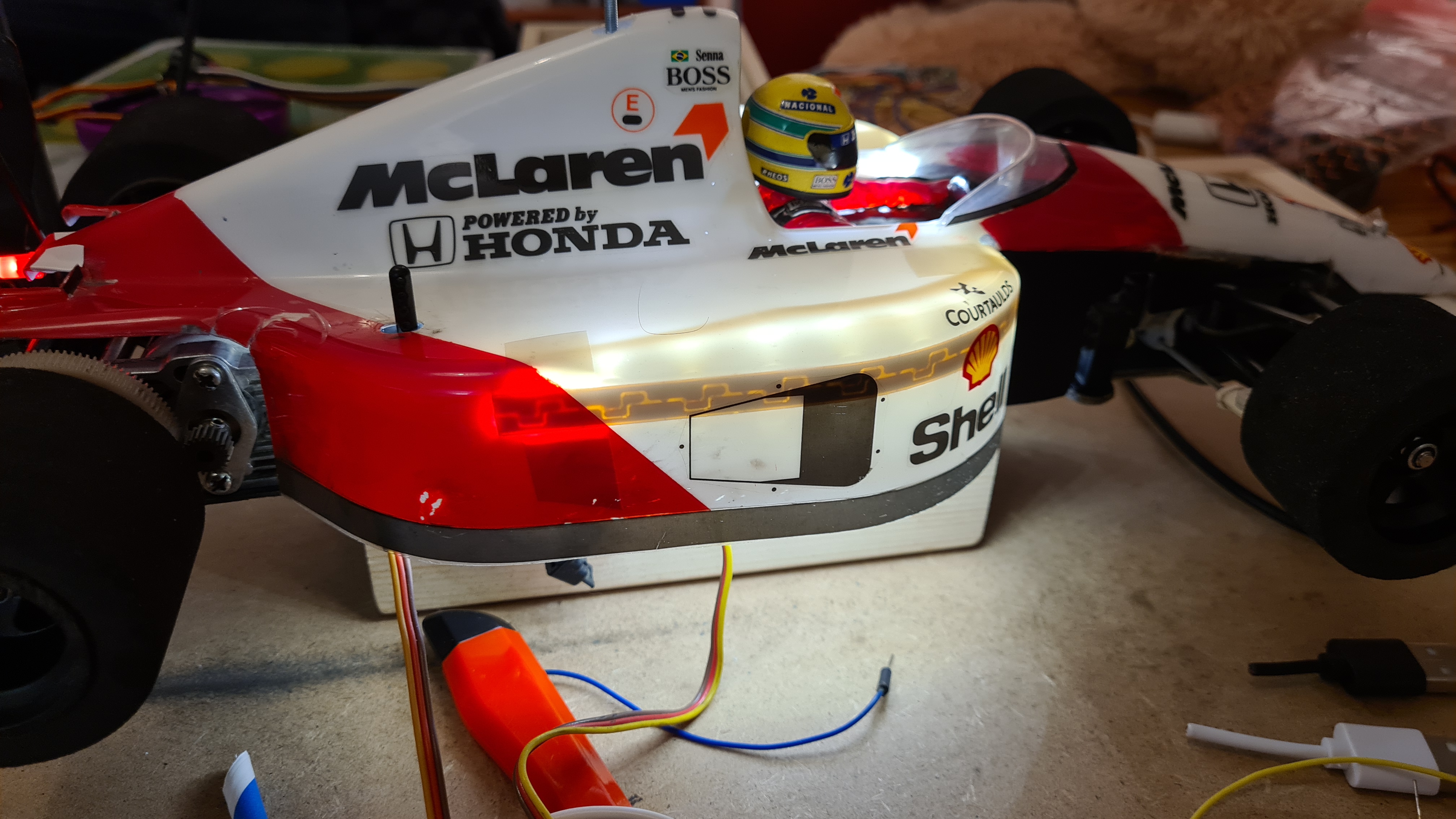
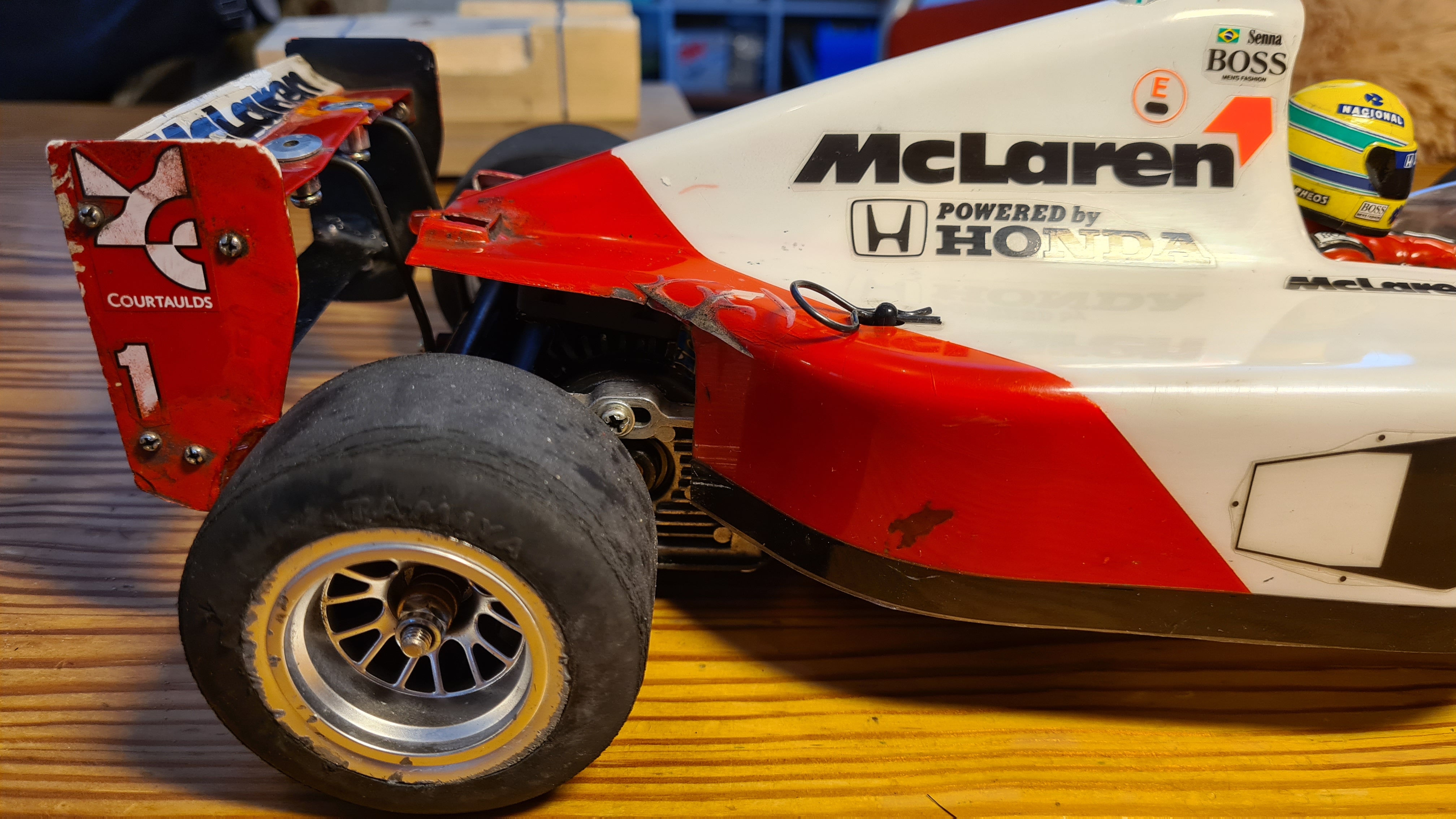
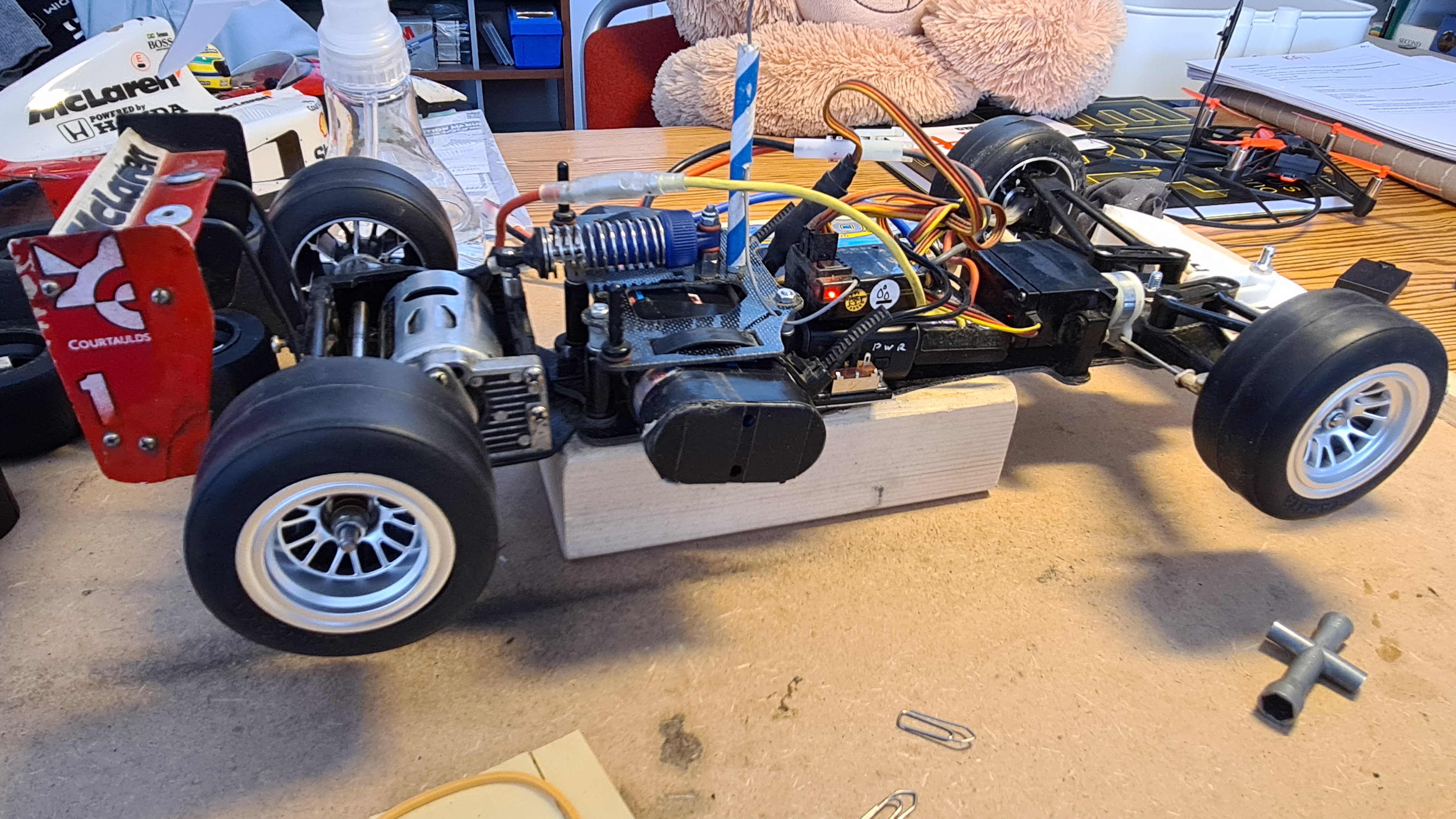
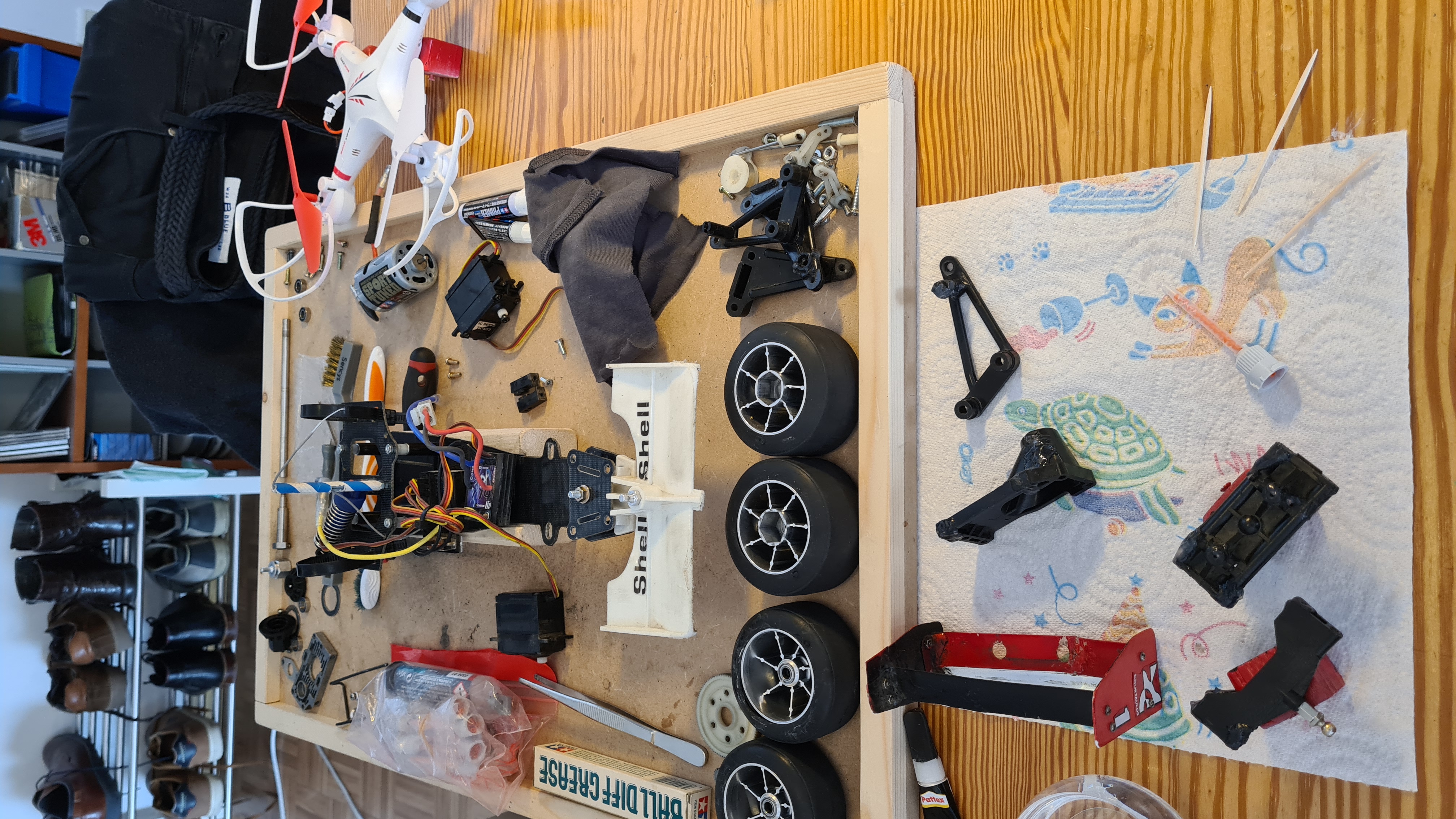
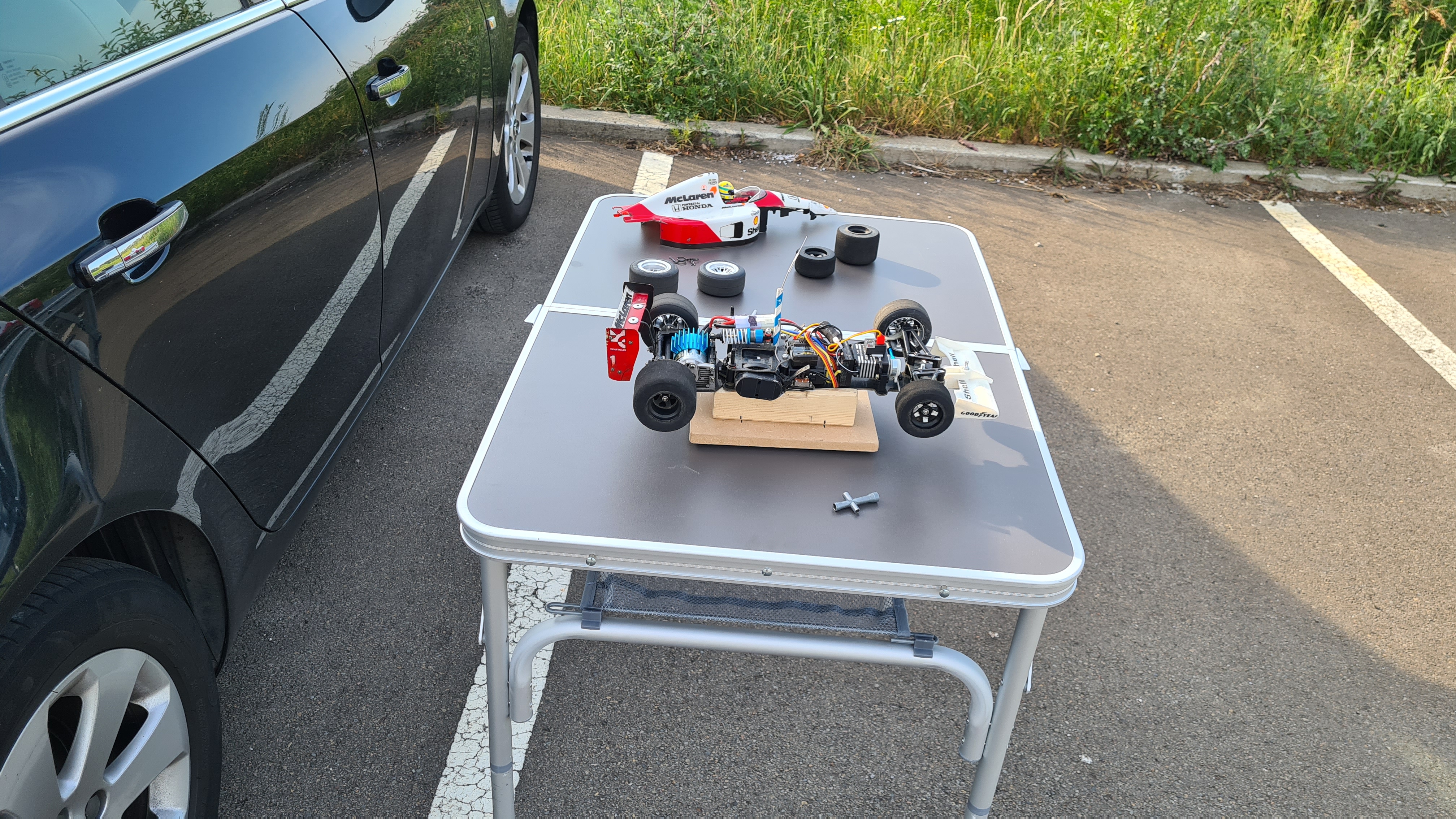
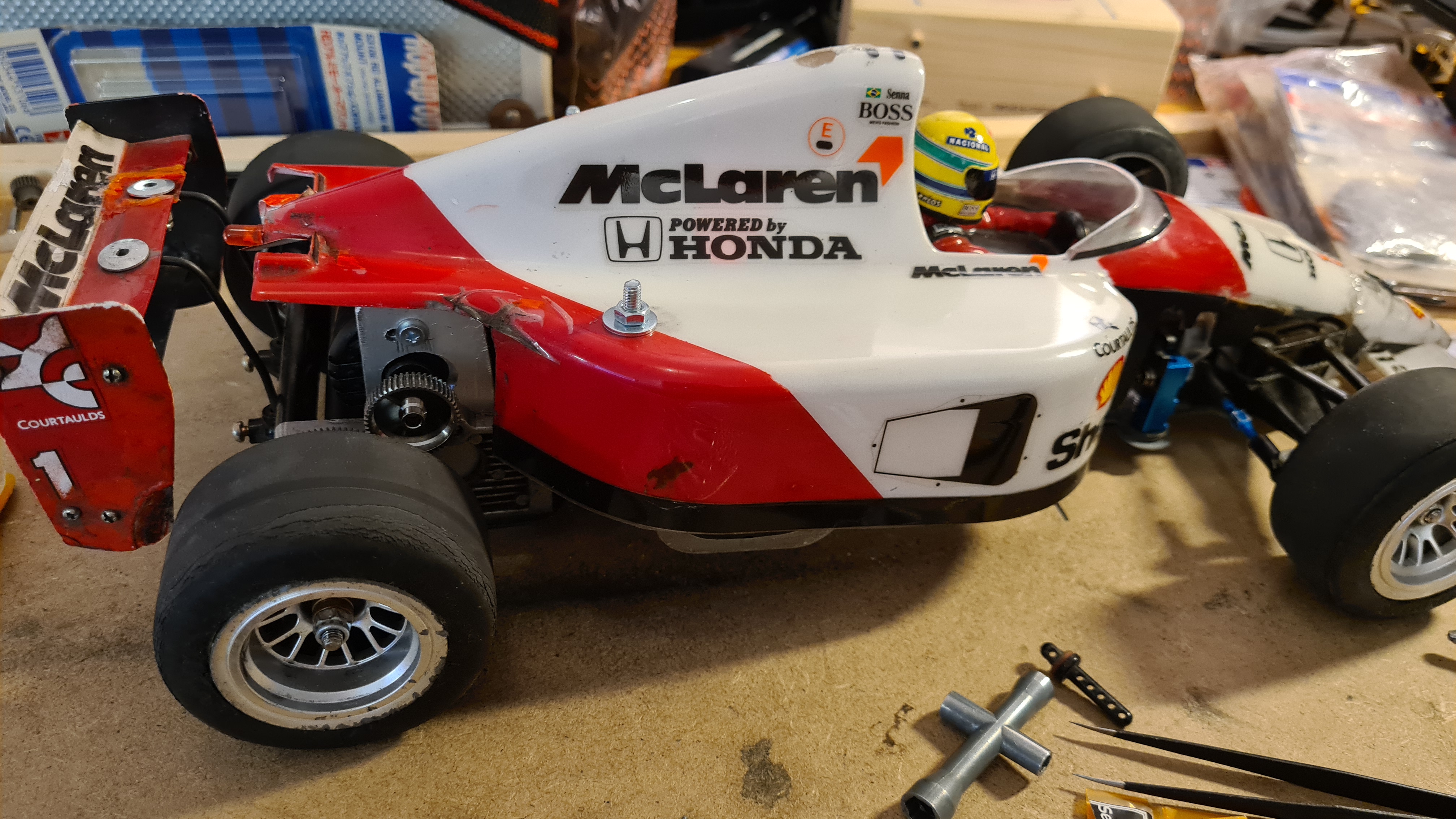
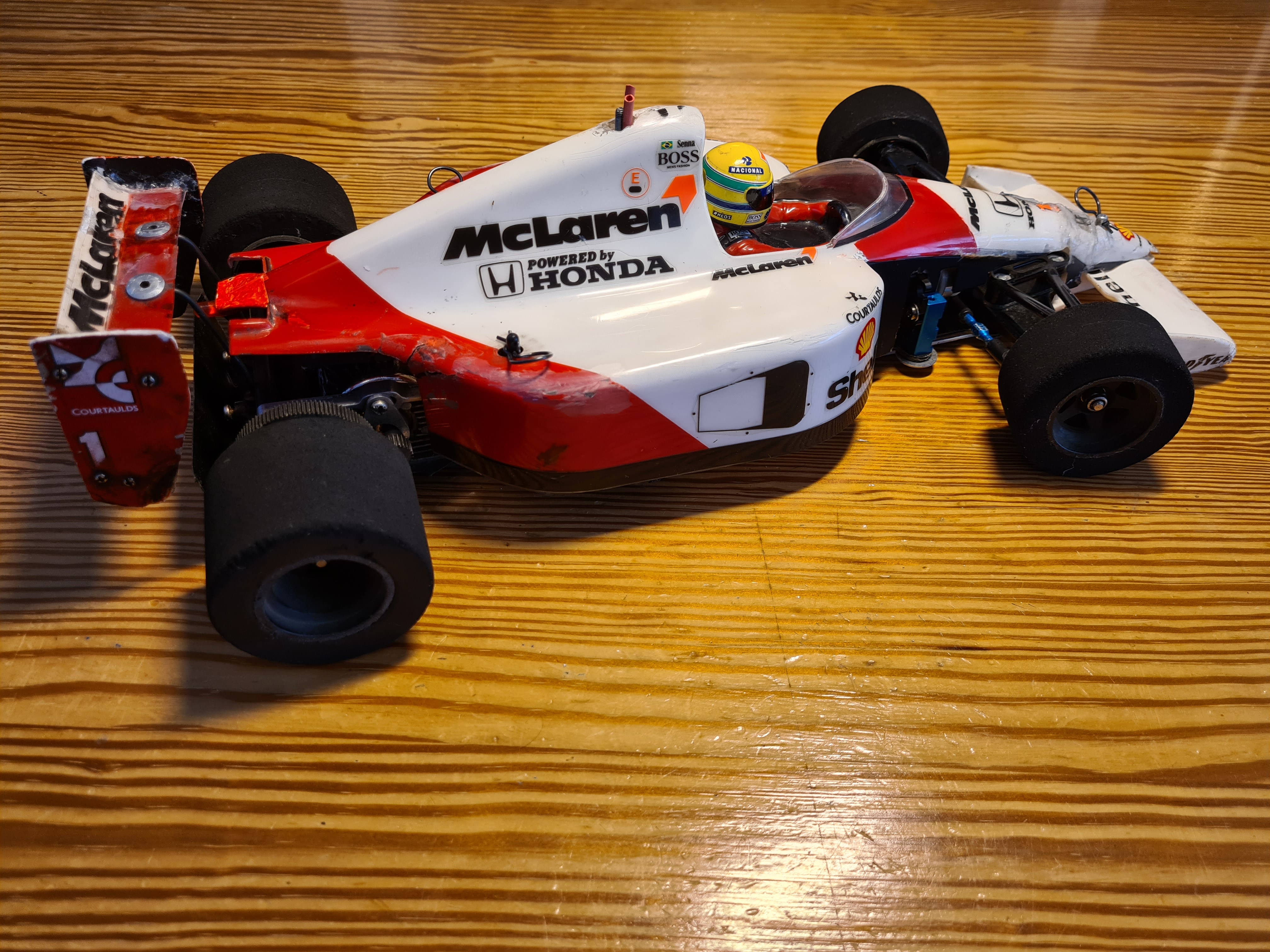
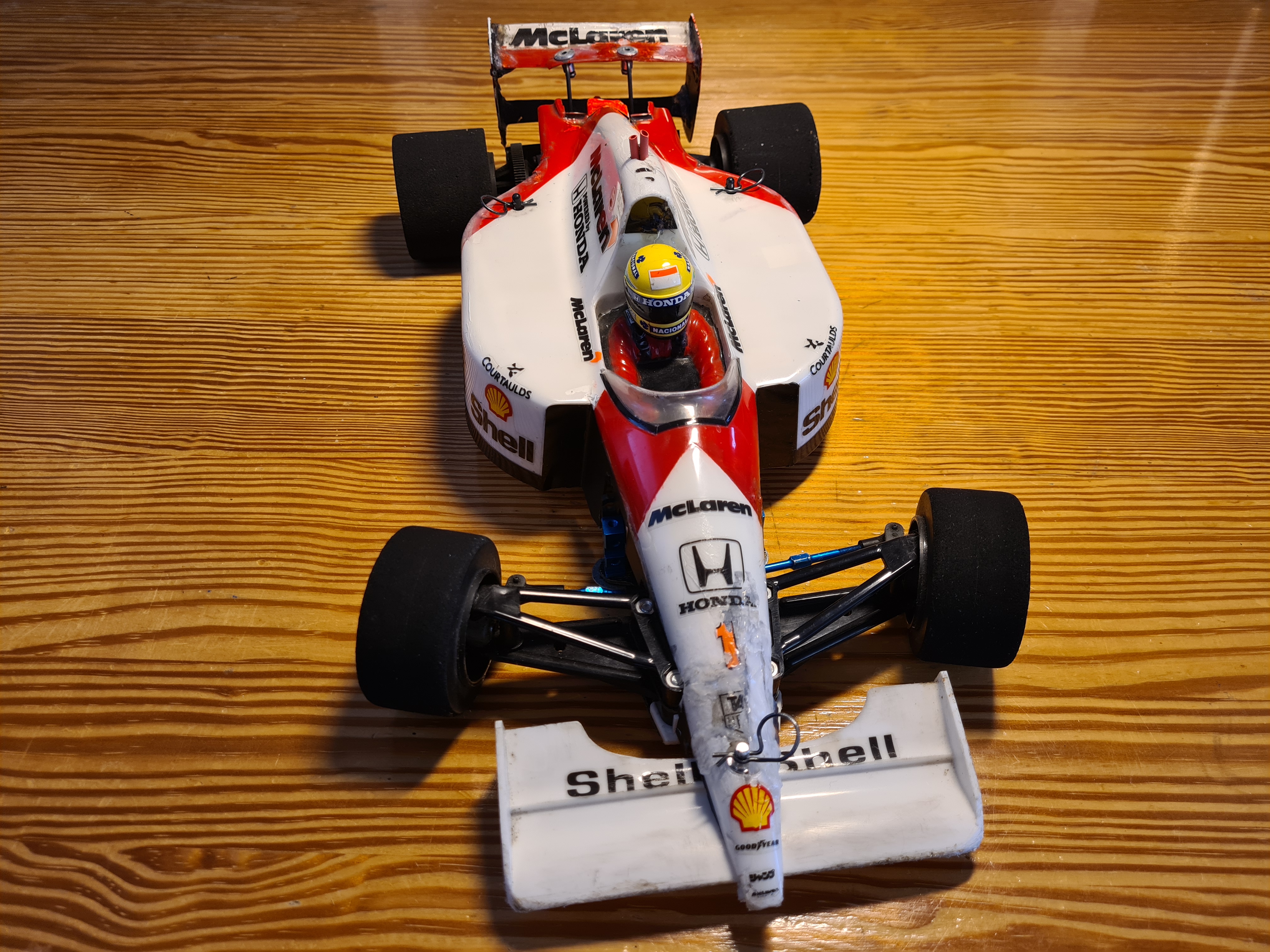
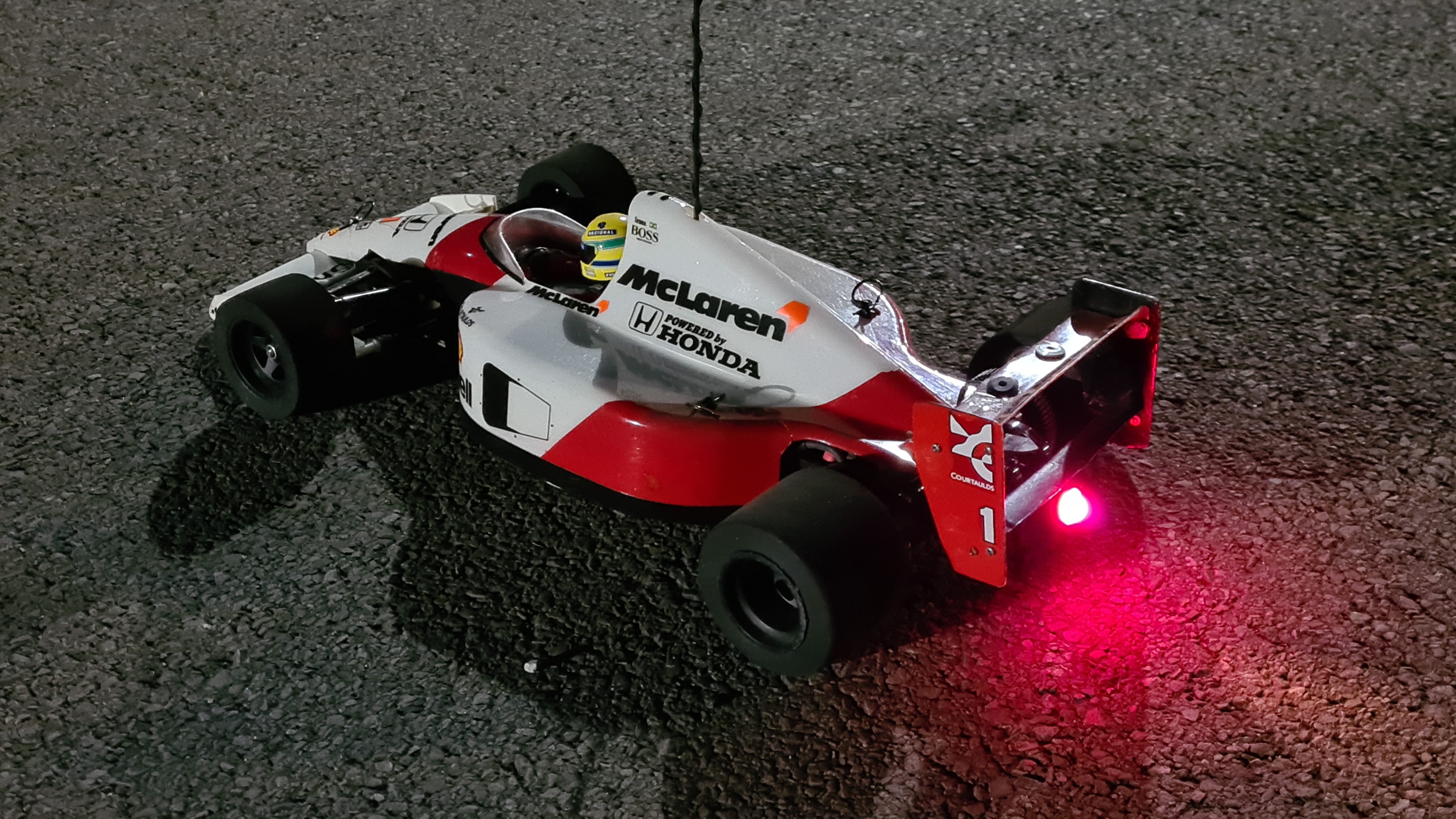
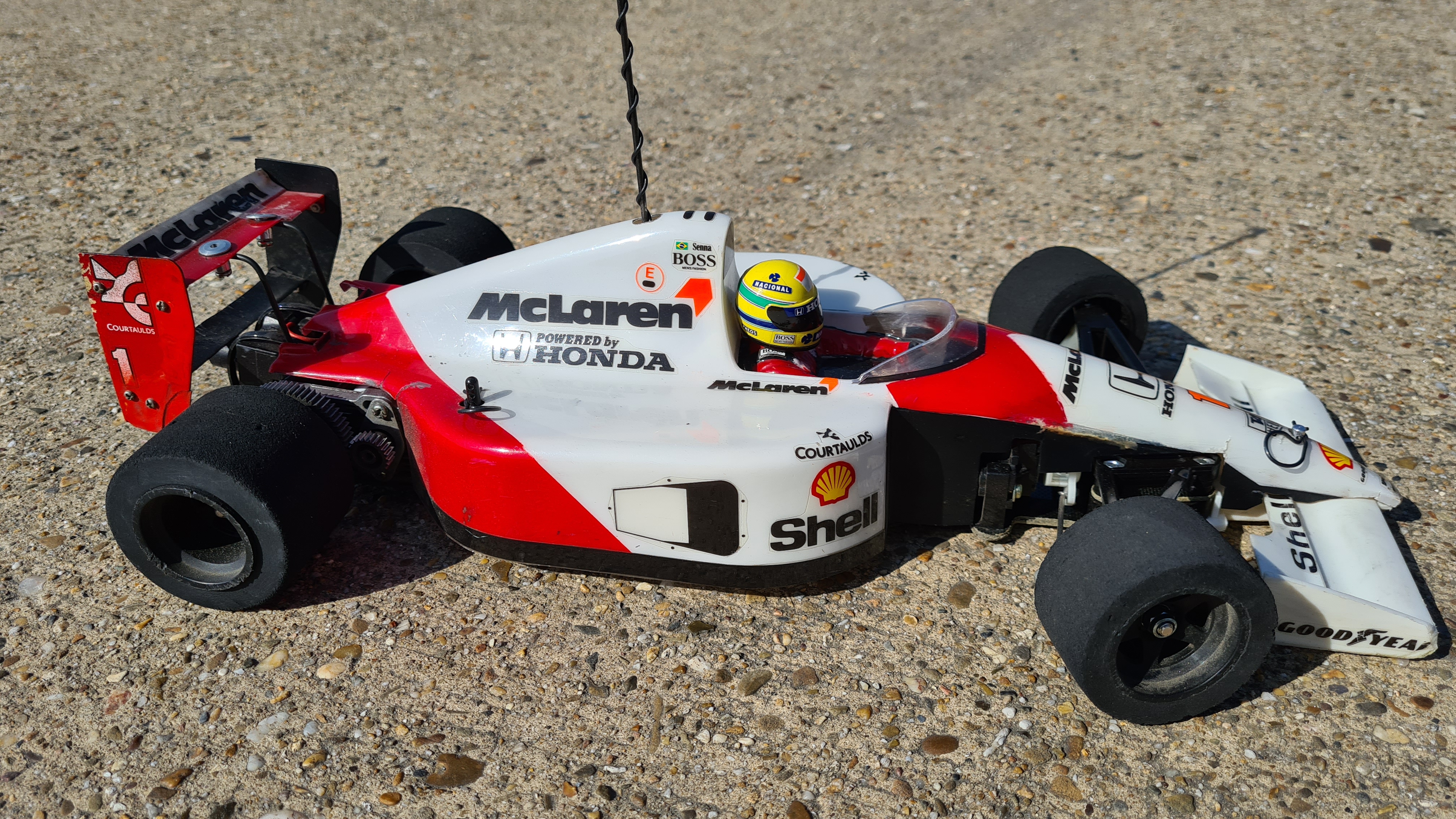
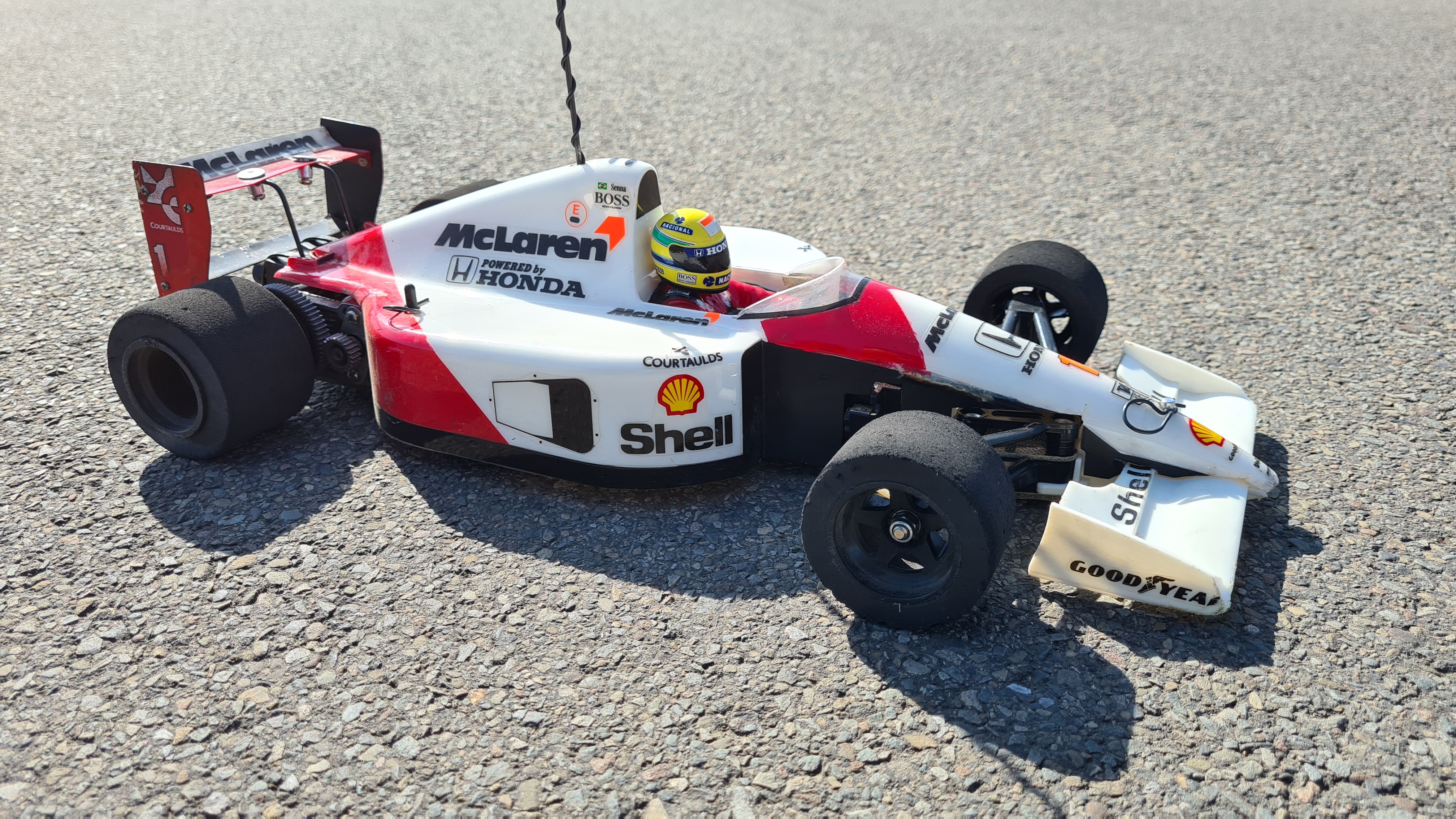
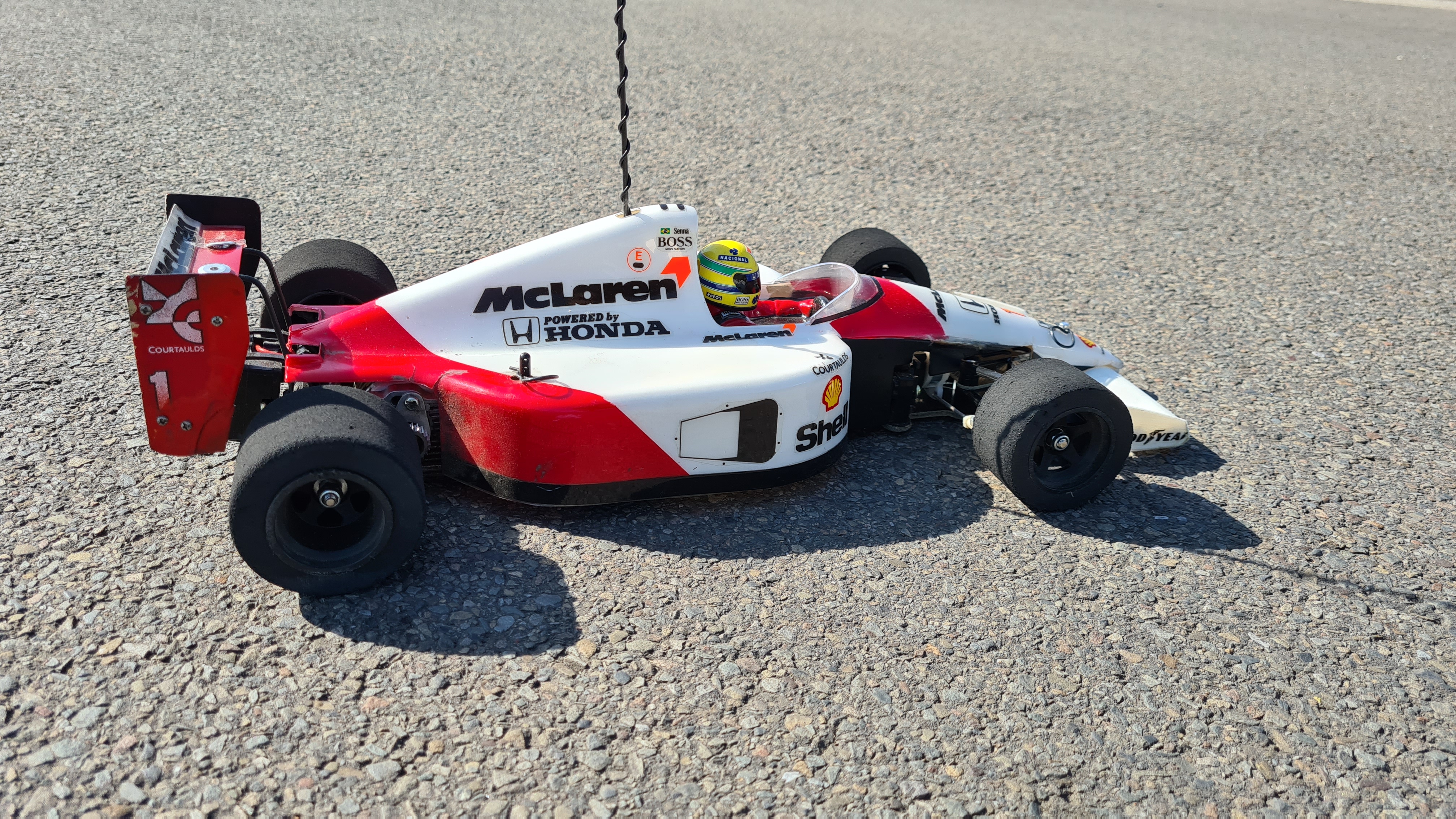
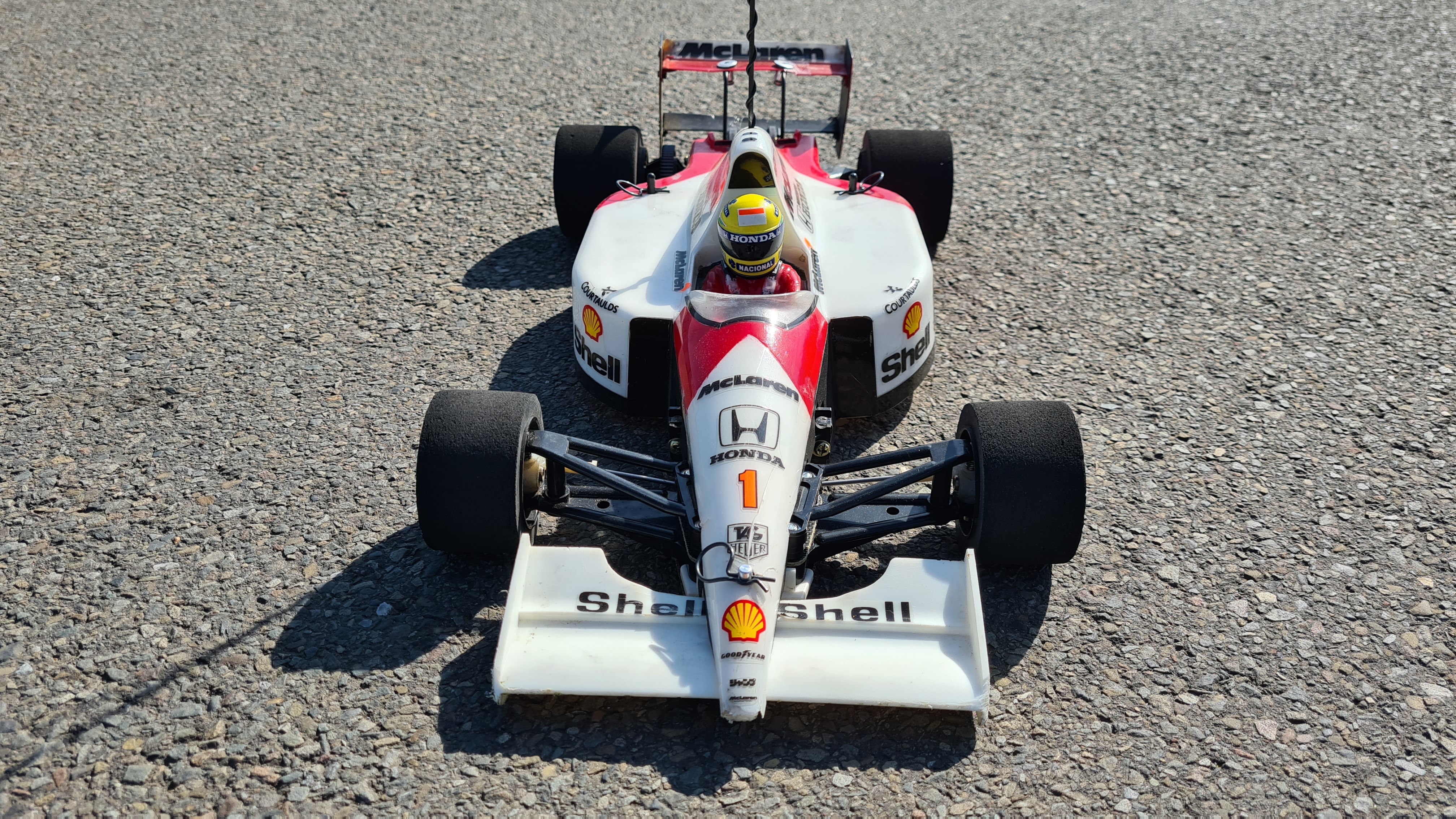
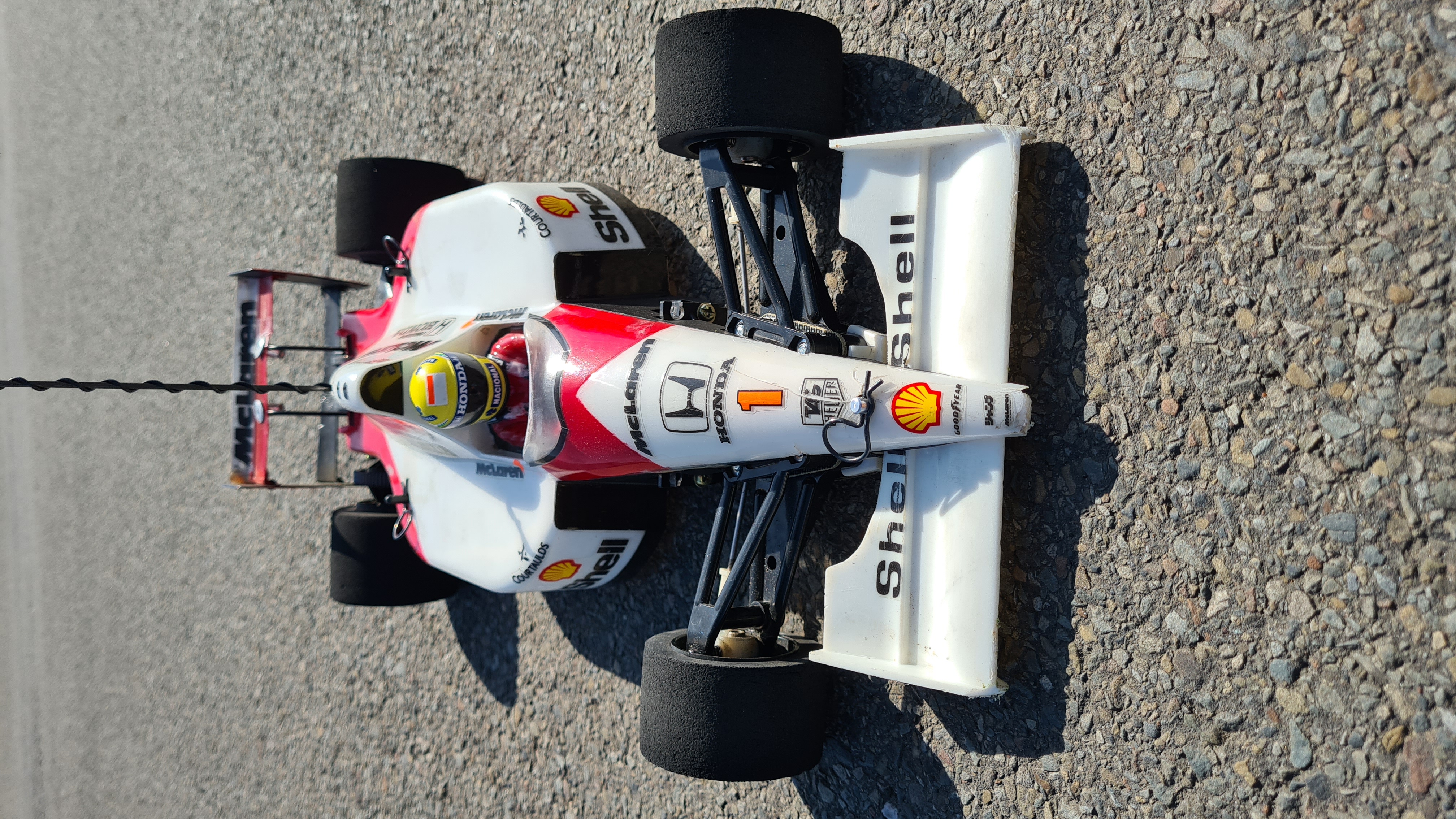
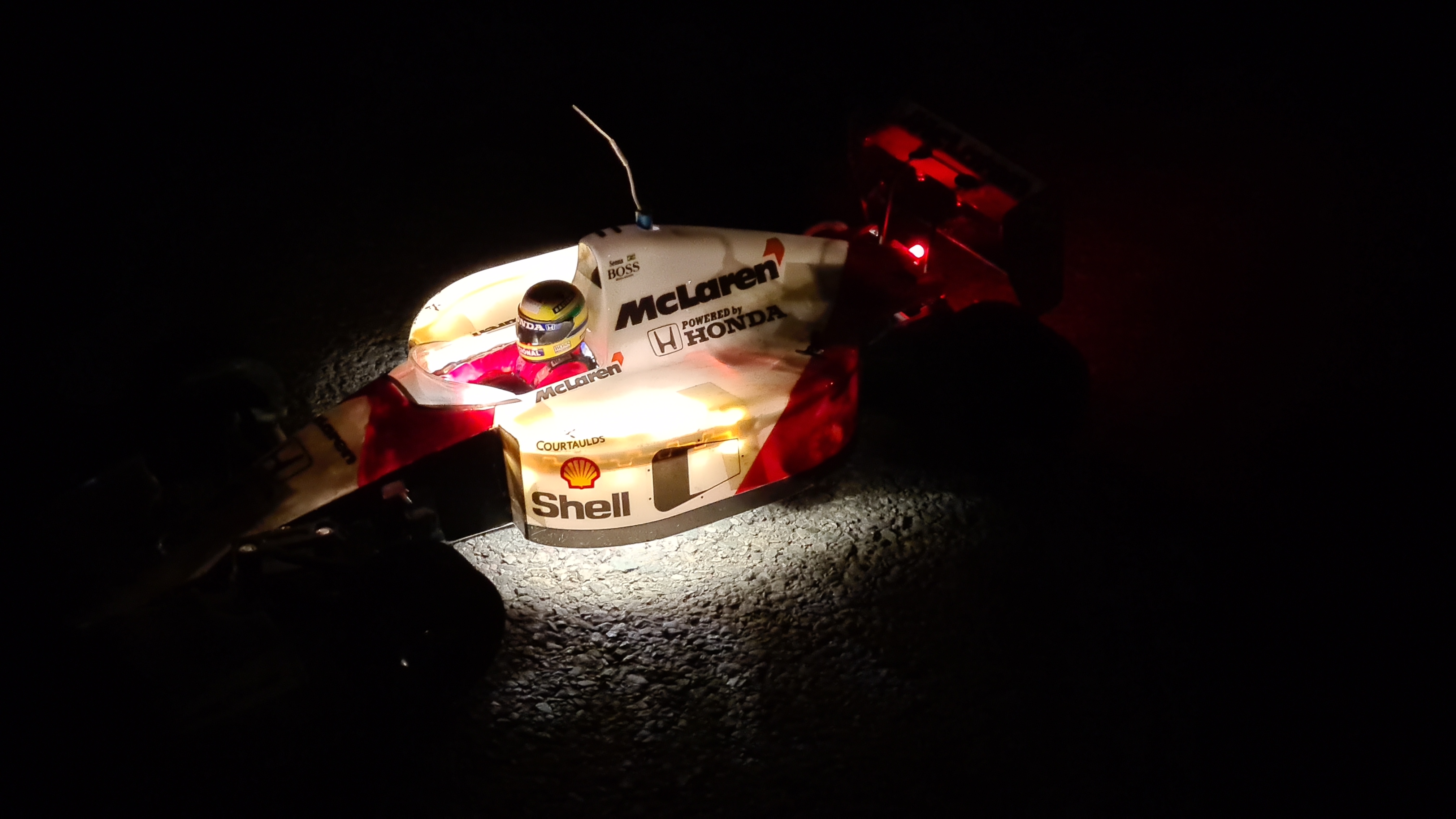
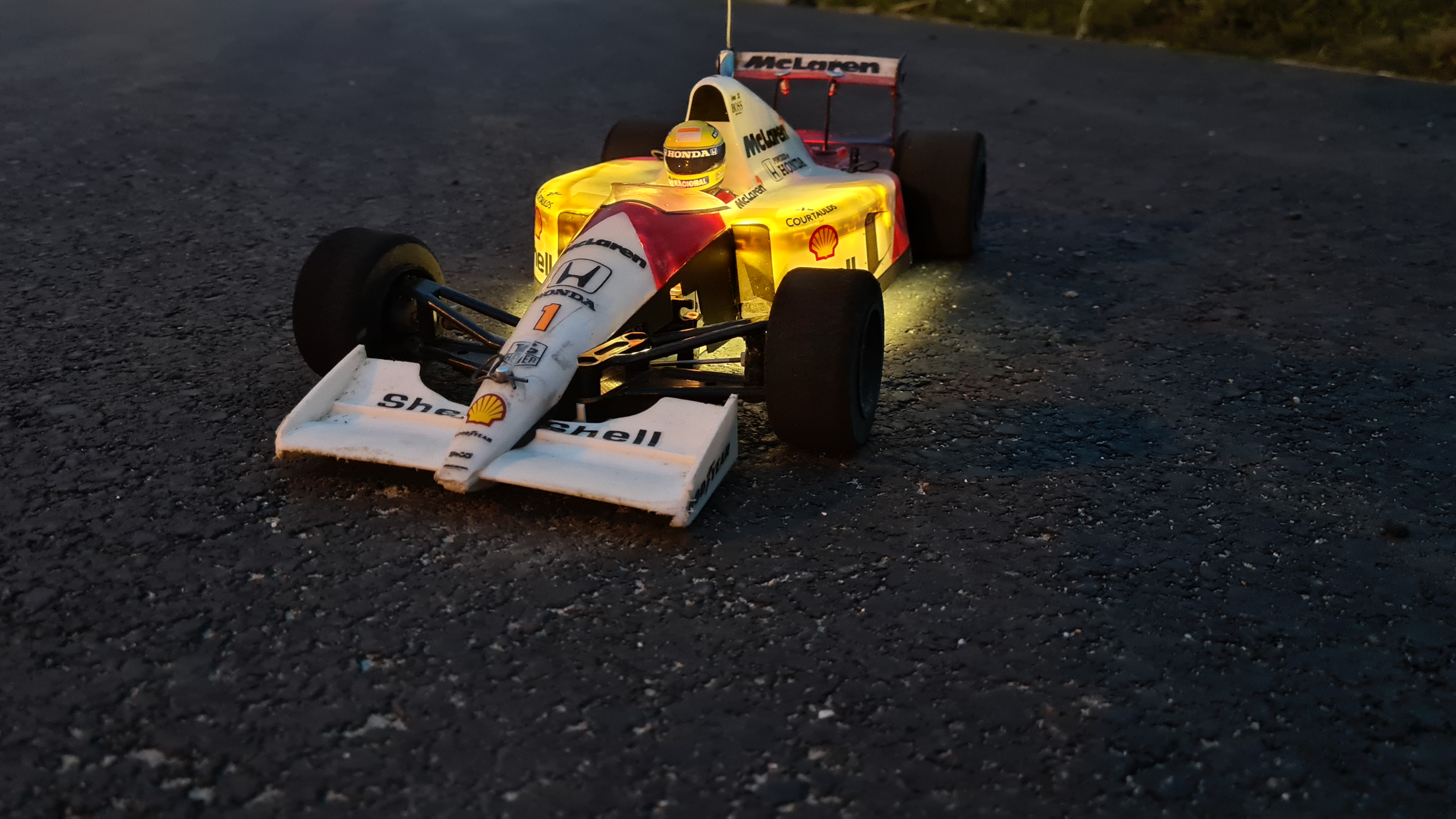
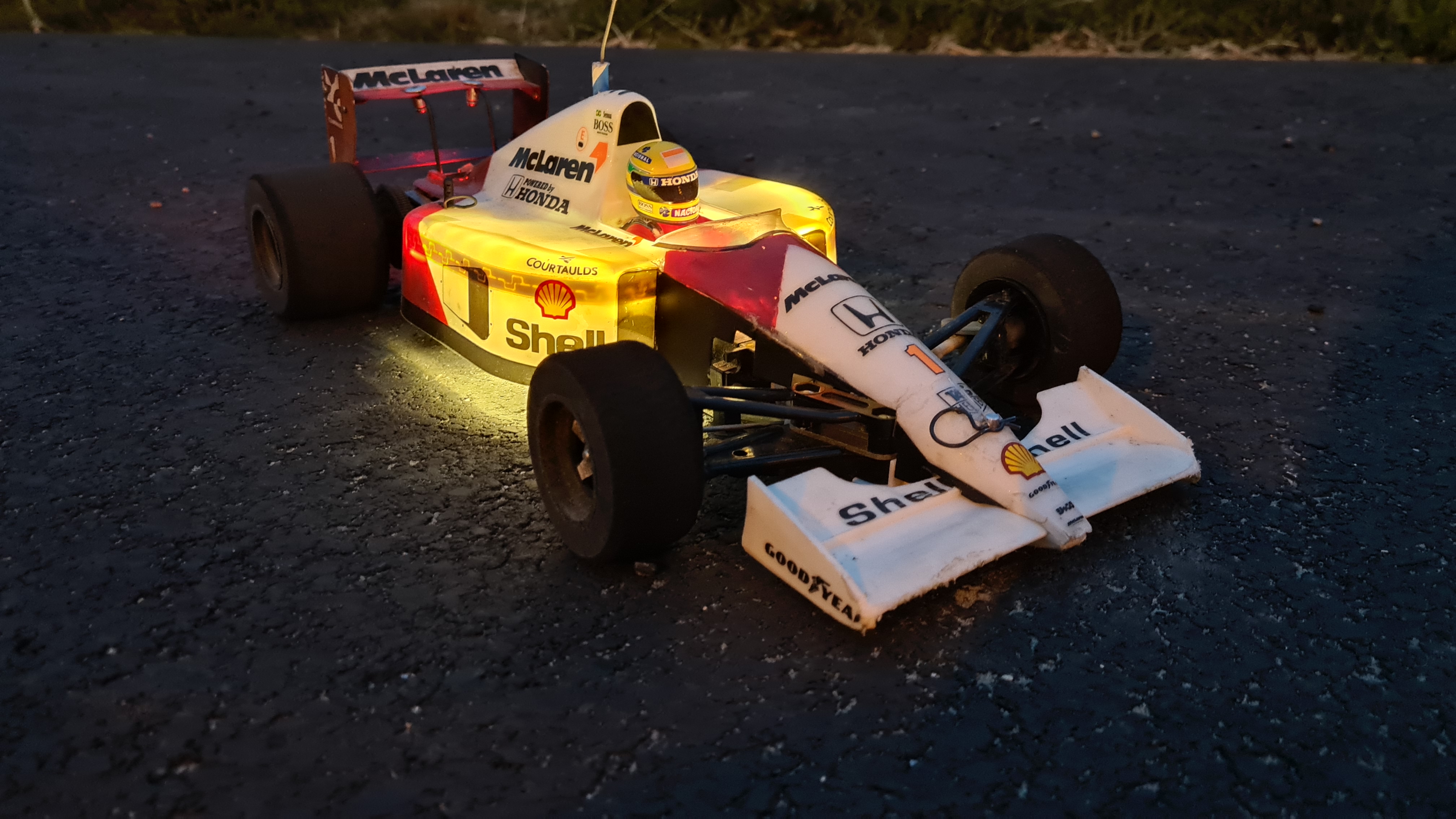
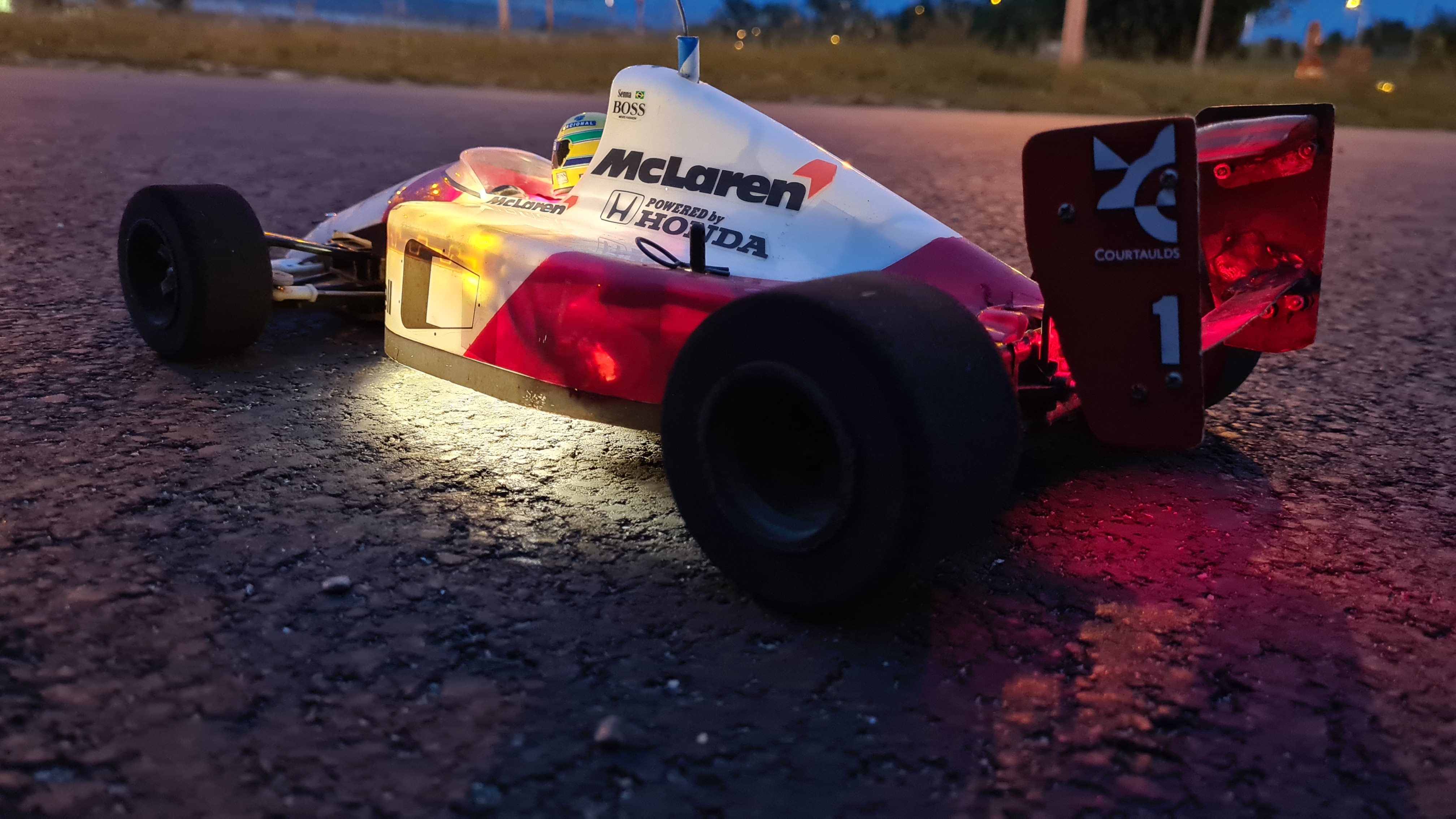
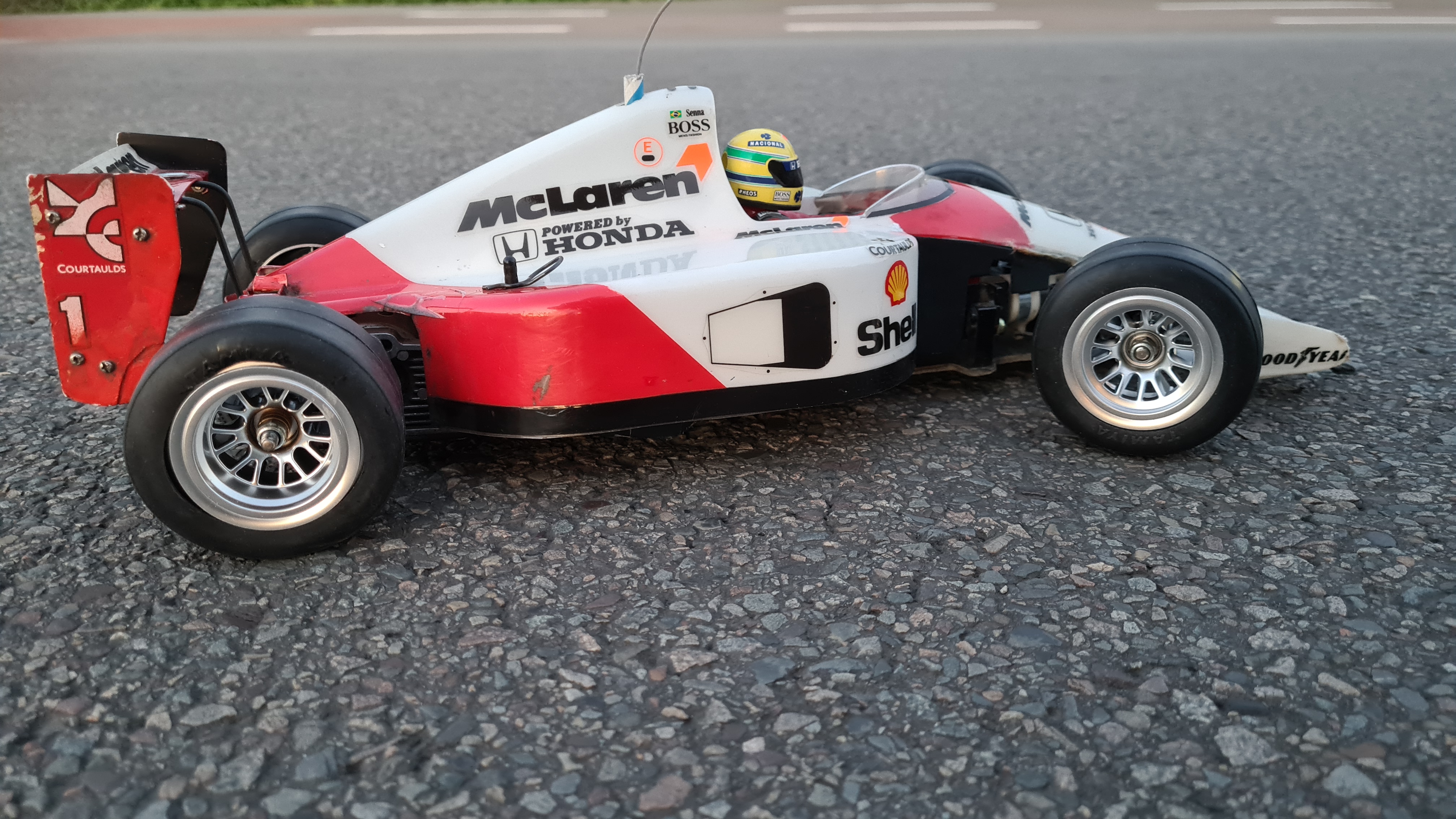
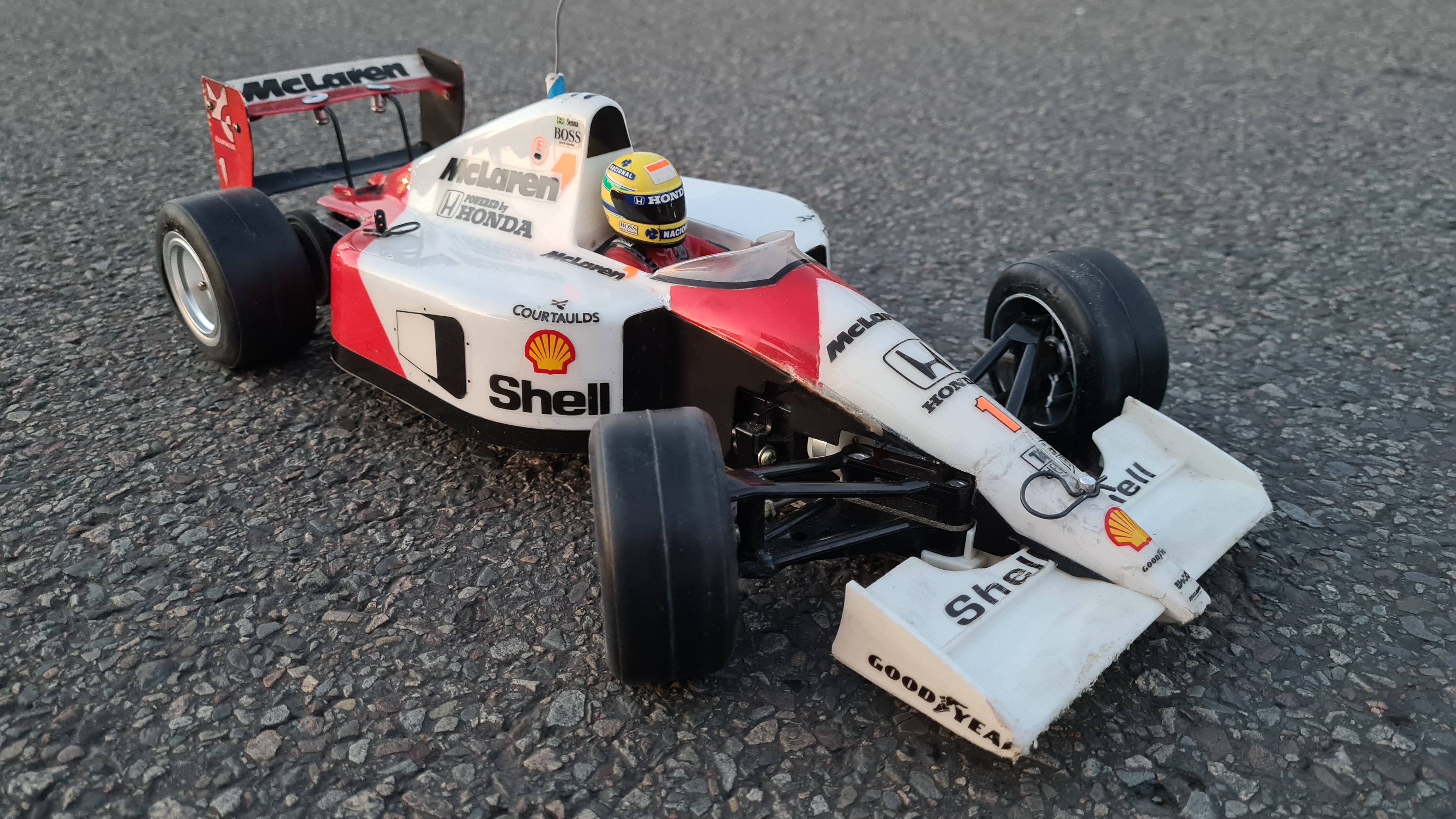
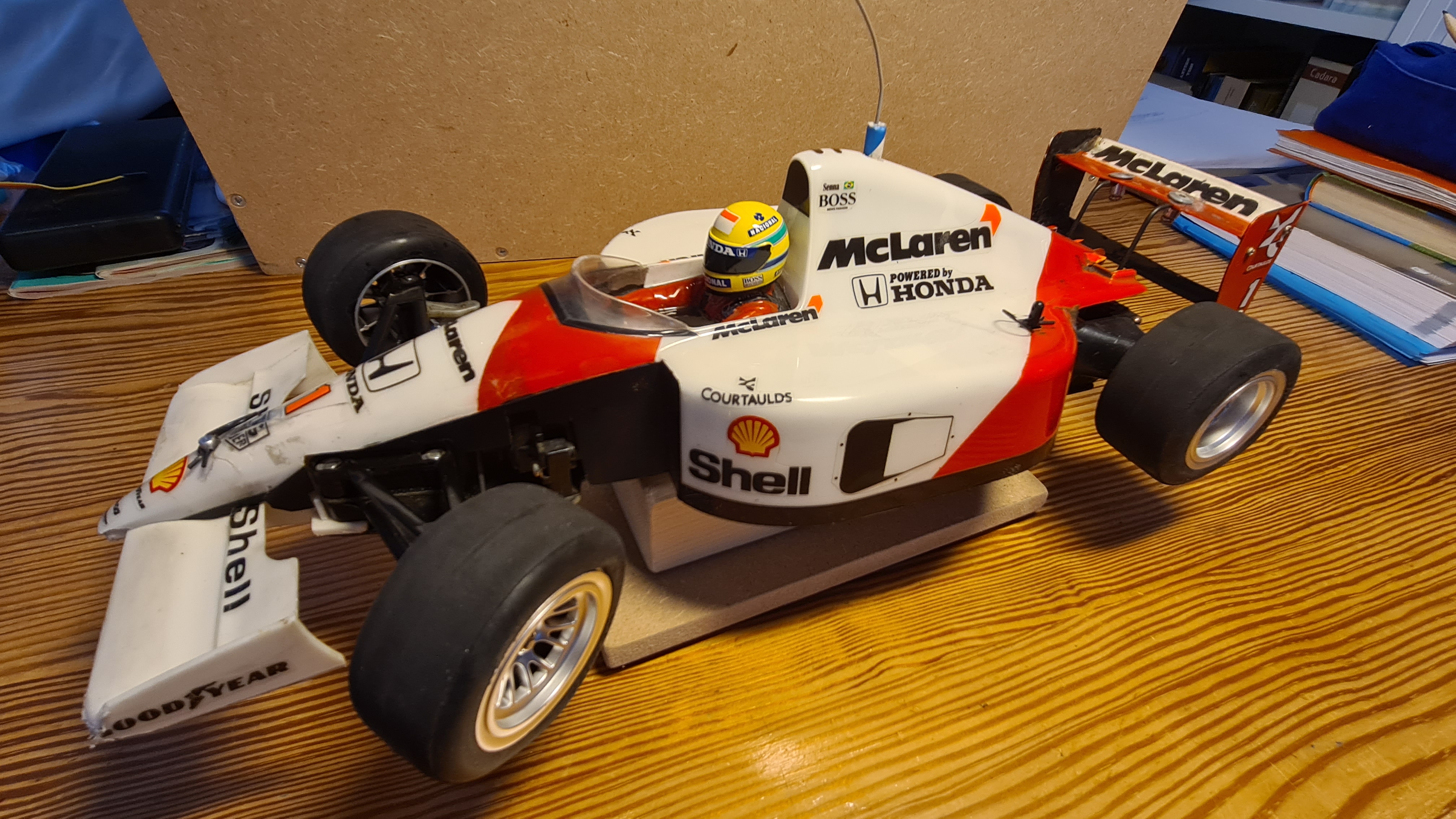
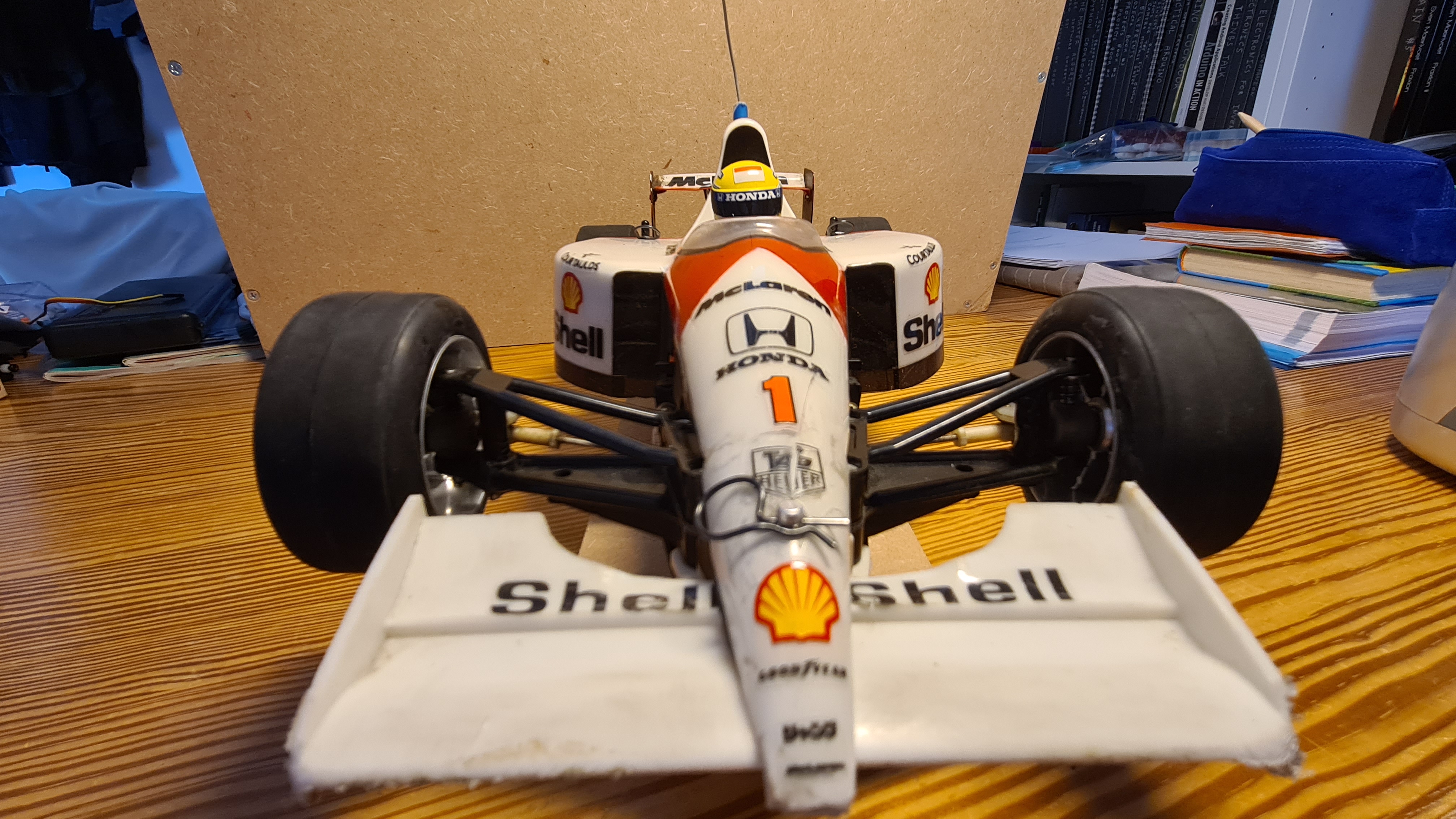
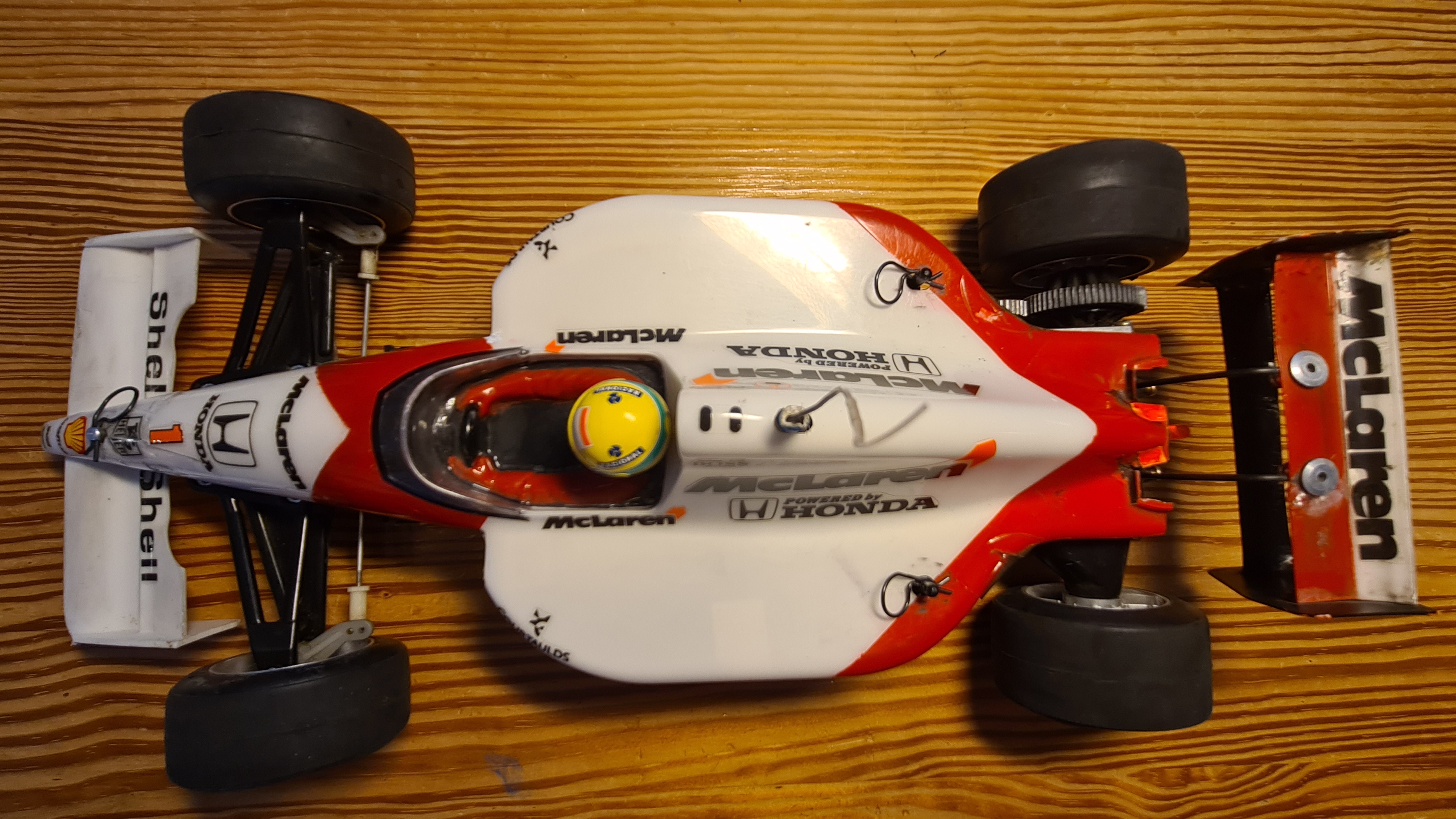
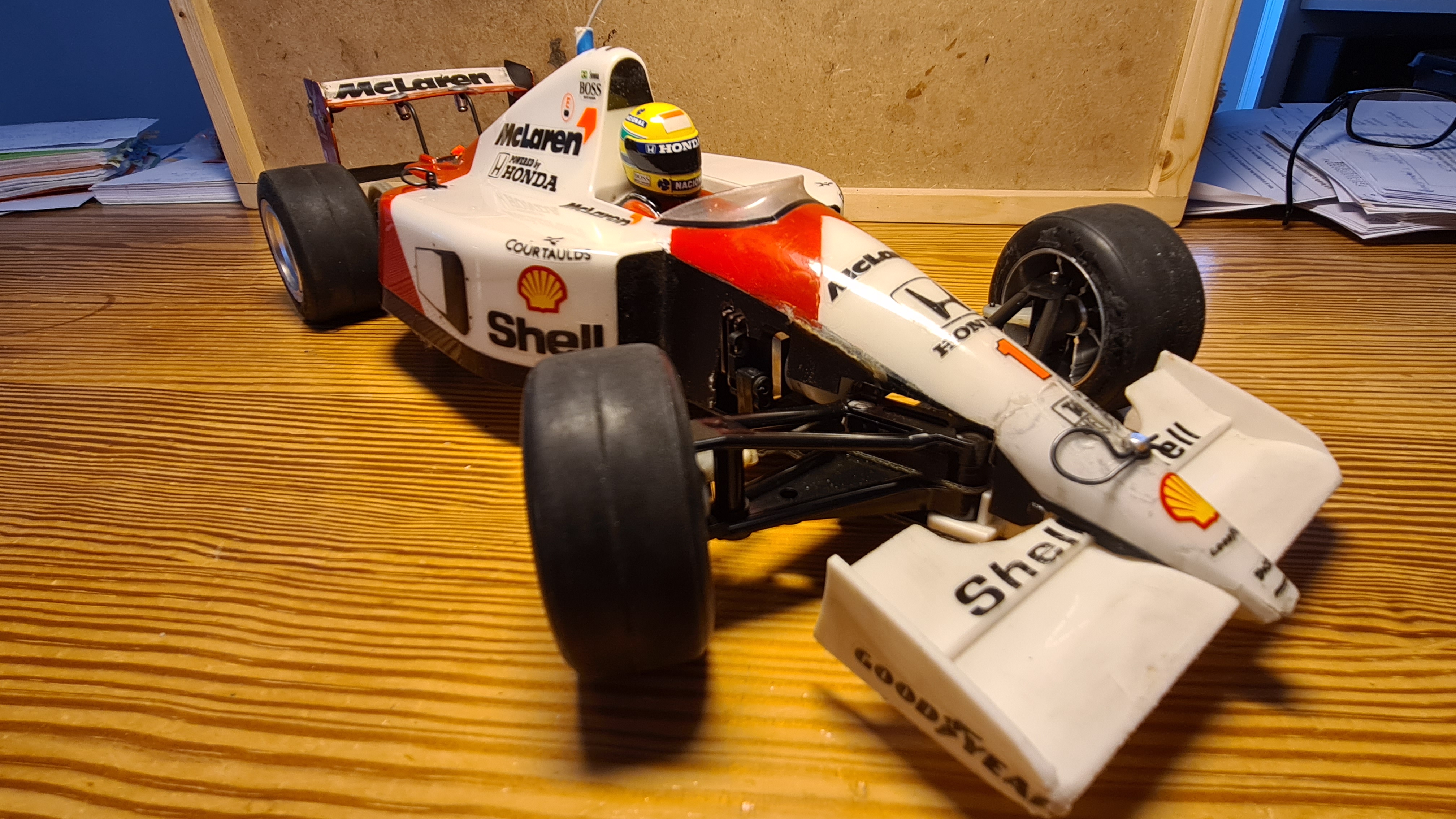
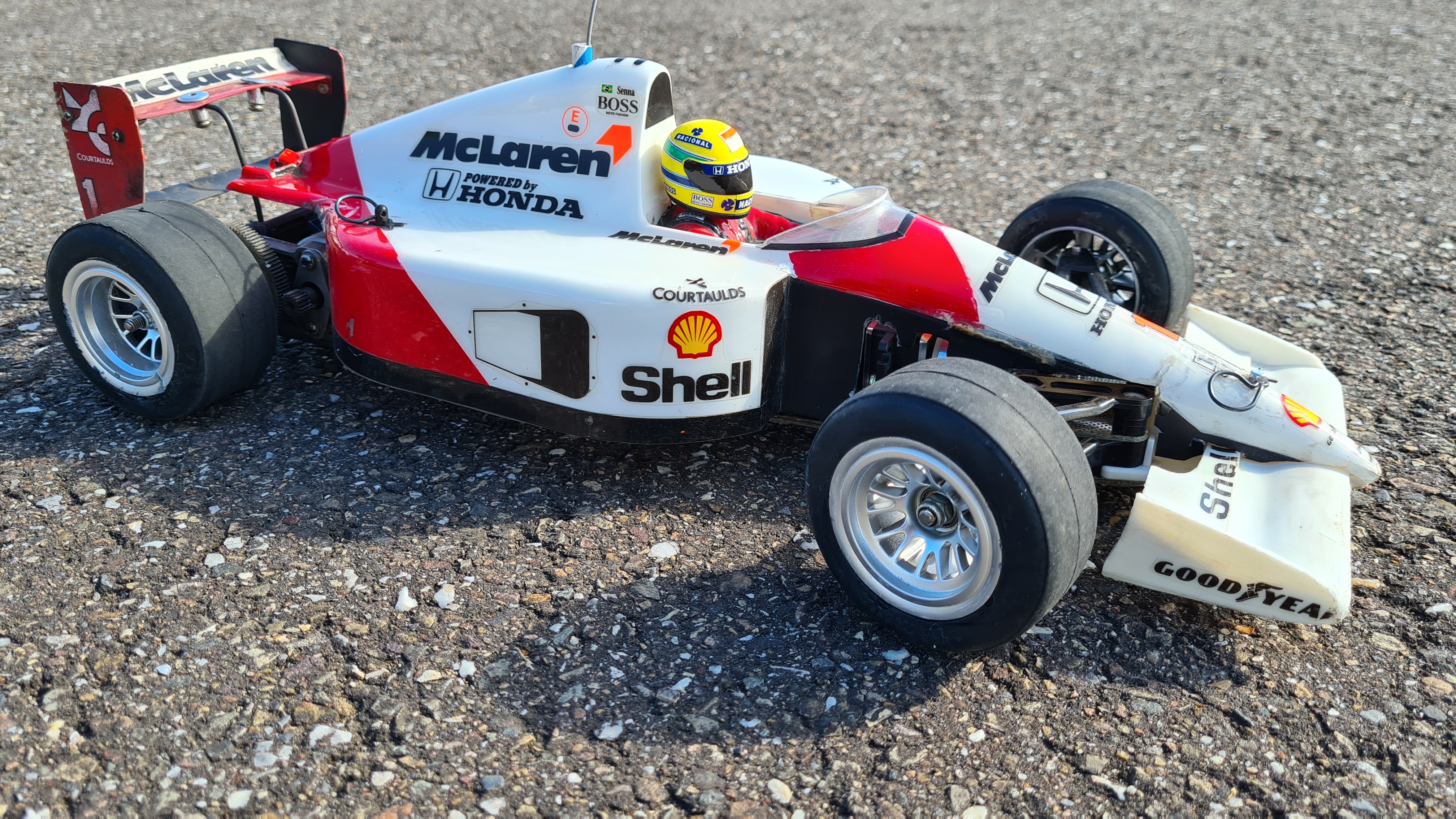
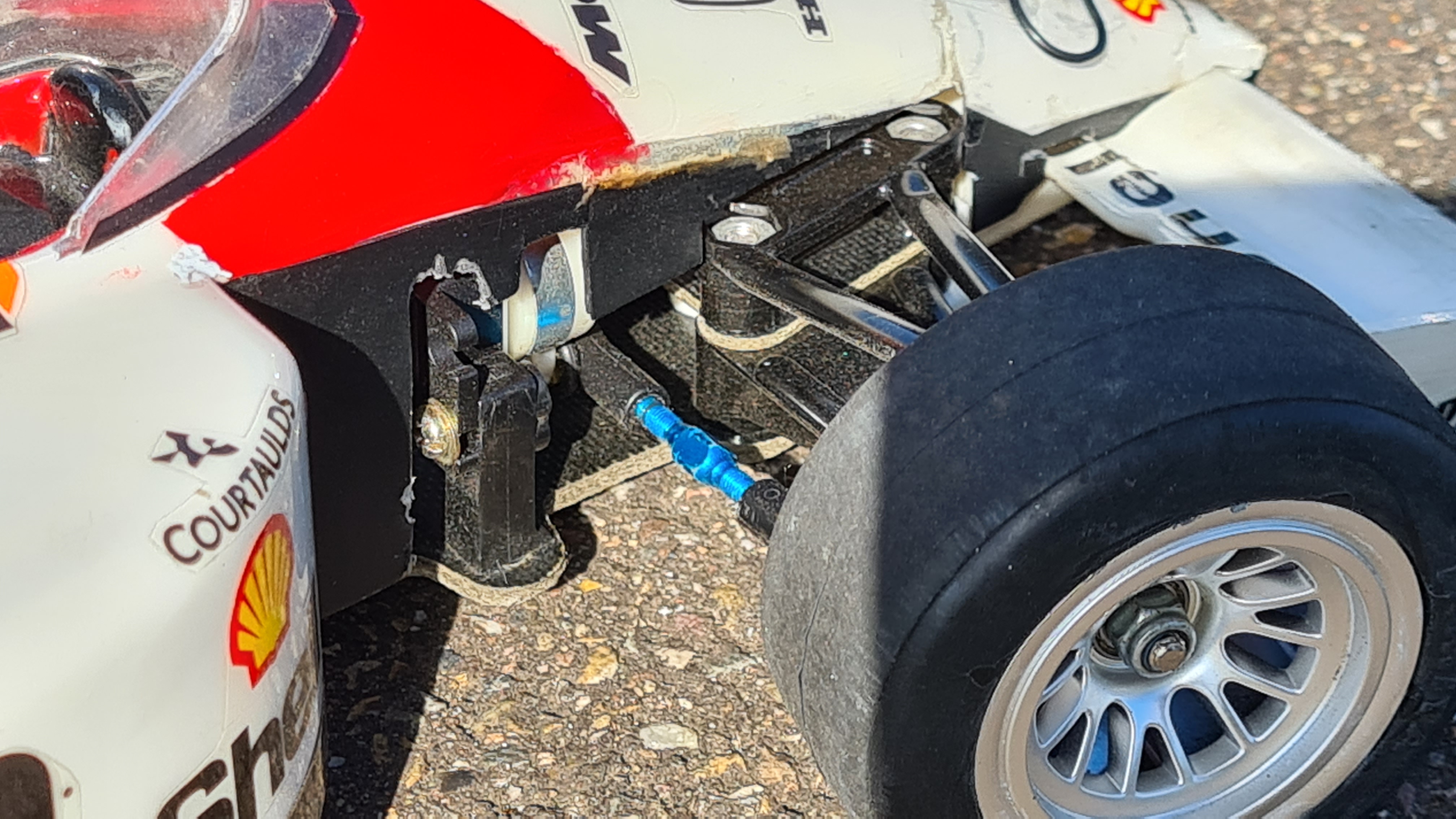
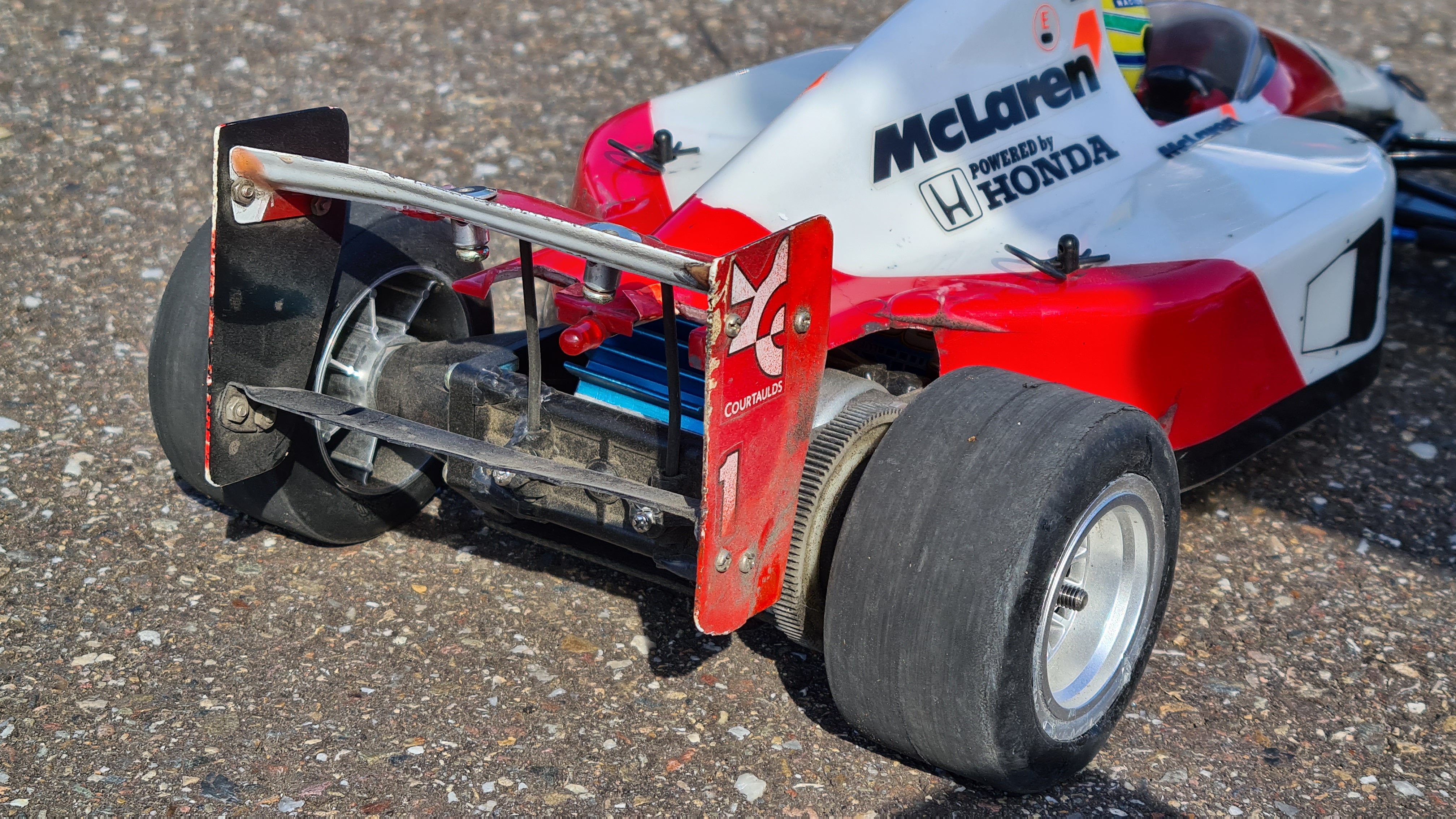
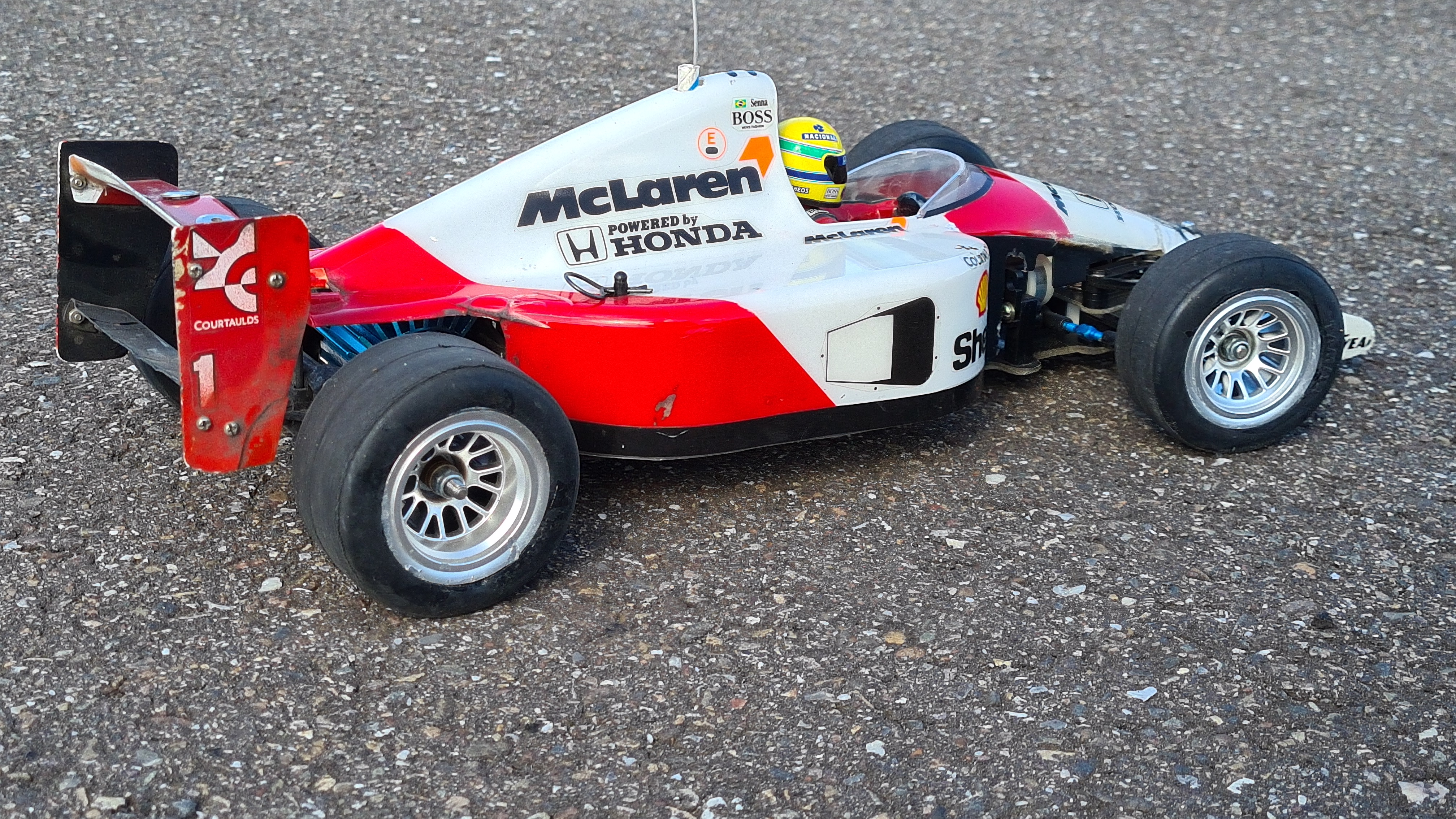
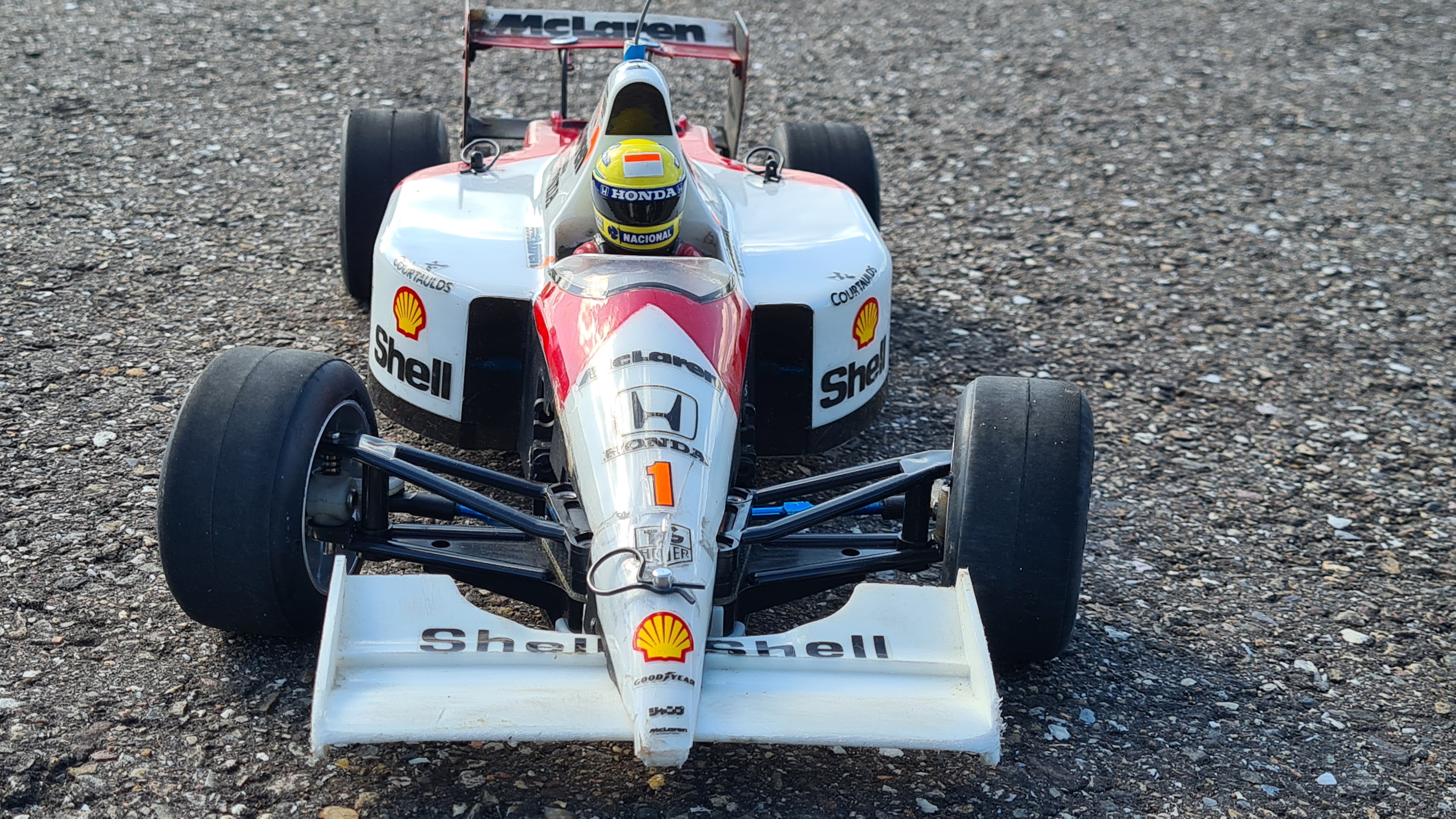
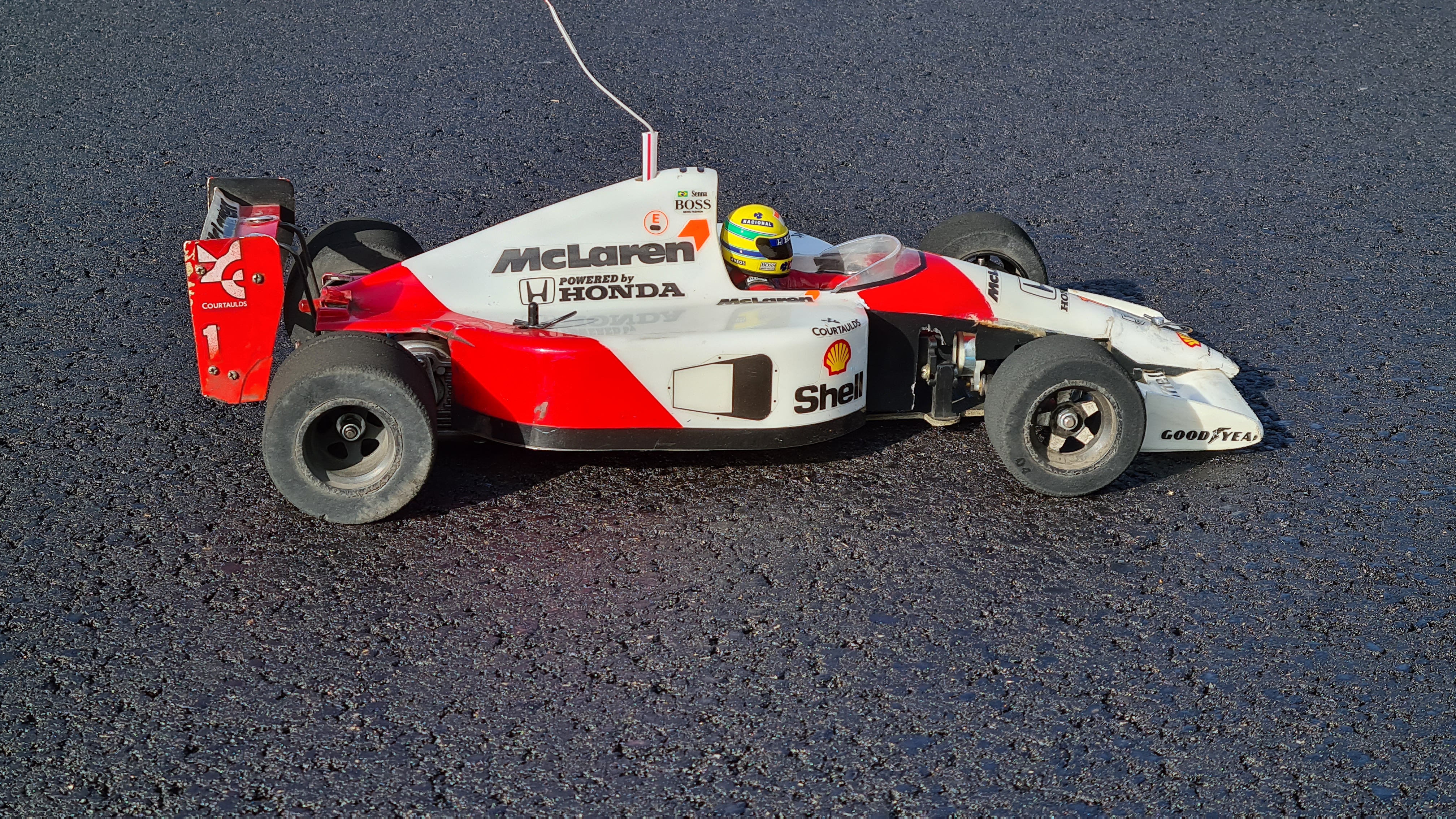
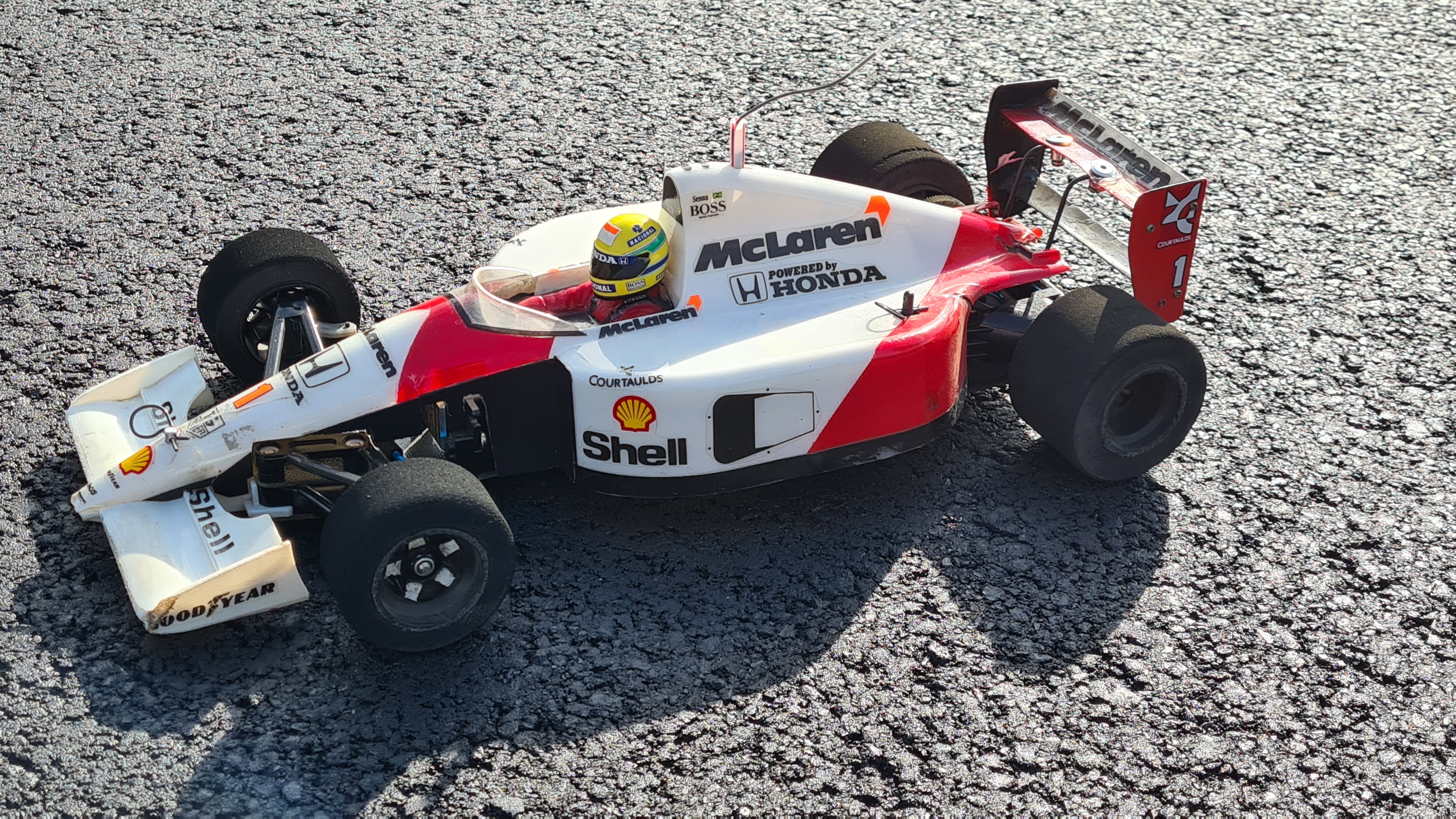
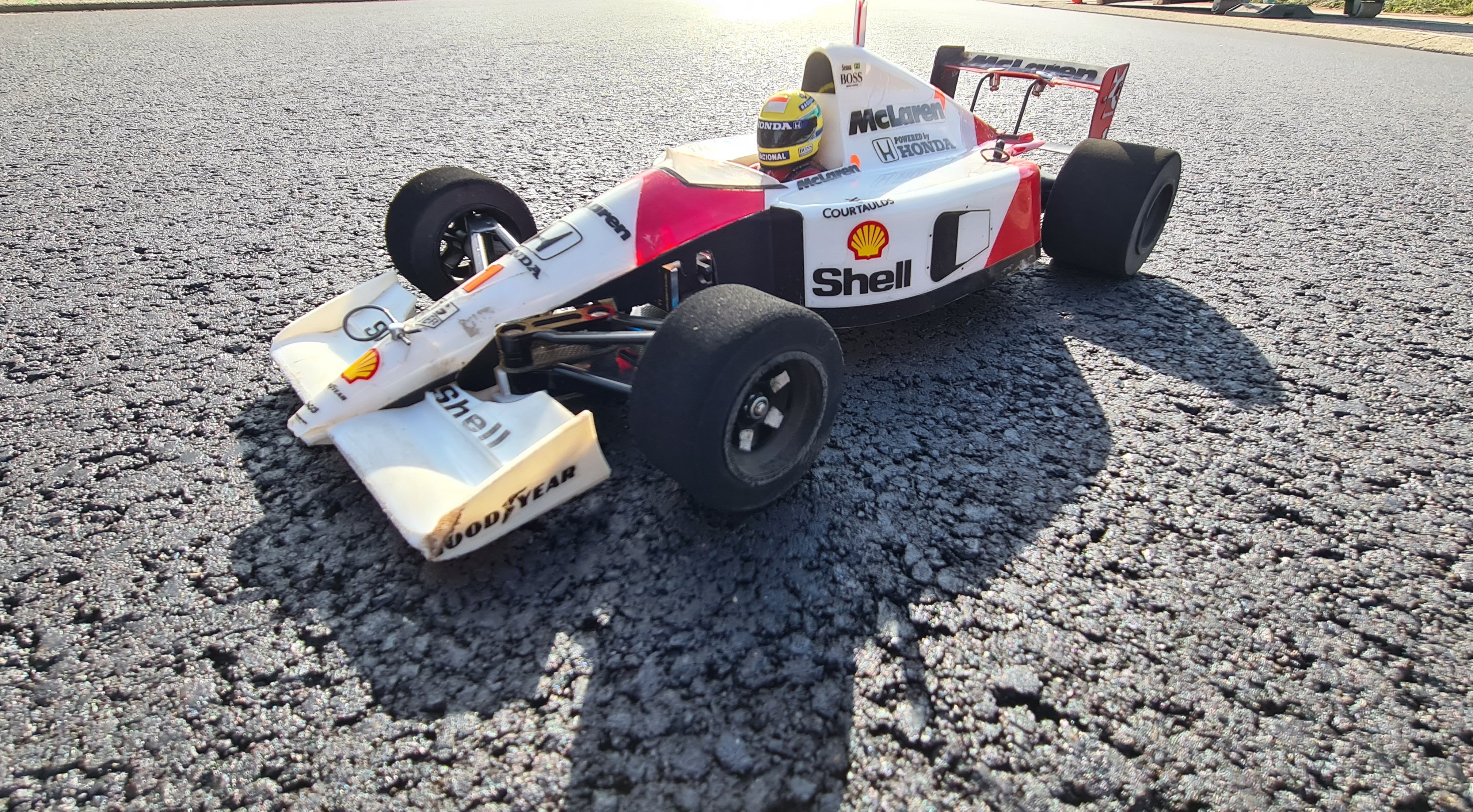
In 1995, I got a McLaren MP4/6 F1 radio-controlled (R/C) 1/10th scale (402 x 200 mm) car (Tamiya). Tamiya launched the car on 10 March 1992; it was based on the (now obsolete) F102 chassis (see here for an overview of all chassis types), with a rear ball-bearing differential, a single rear damper suspension for smoother cornering, and two small front spring suspensions. The car orginally came with spunge tyres, and a Lexan body casing covering the chassis. The current came from 7.2 V NiCd battery packs, feeding into a TK-S03 servo for steering and an Acoms AT-5 electronic speed controller that moderated the current to the electric engine (standard 540 type). The transmitter was a Graupner standard D4-SSM40 JR 40 MHz remote control unit (2 channels). Nice detail, the driver sitting in the car is the famous yellow-helmet-wearing Ayrton Senna, also known as God's right foot.
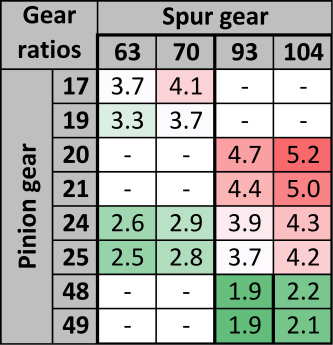
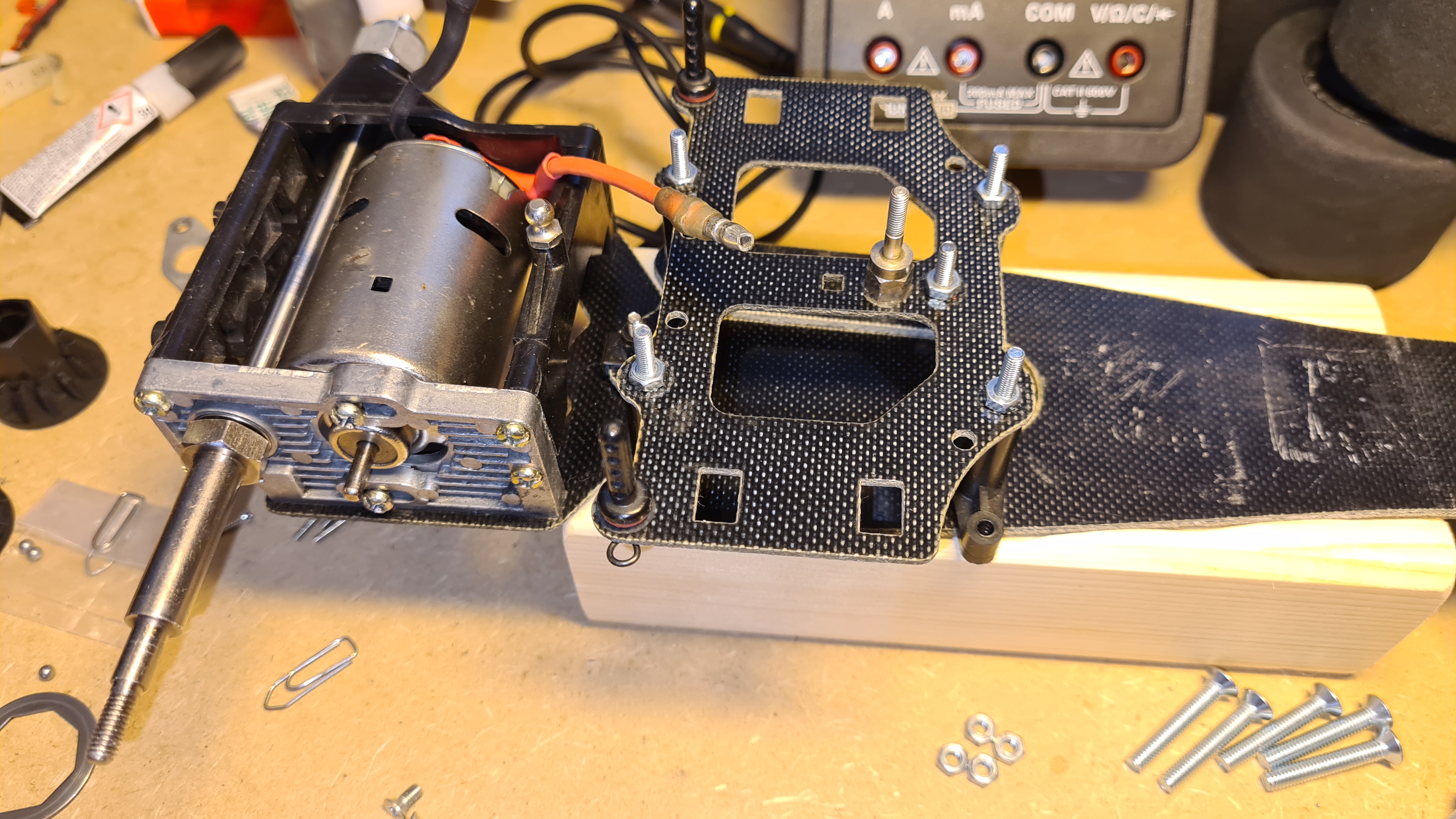
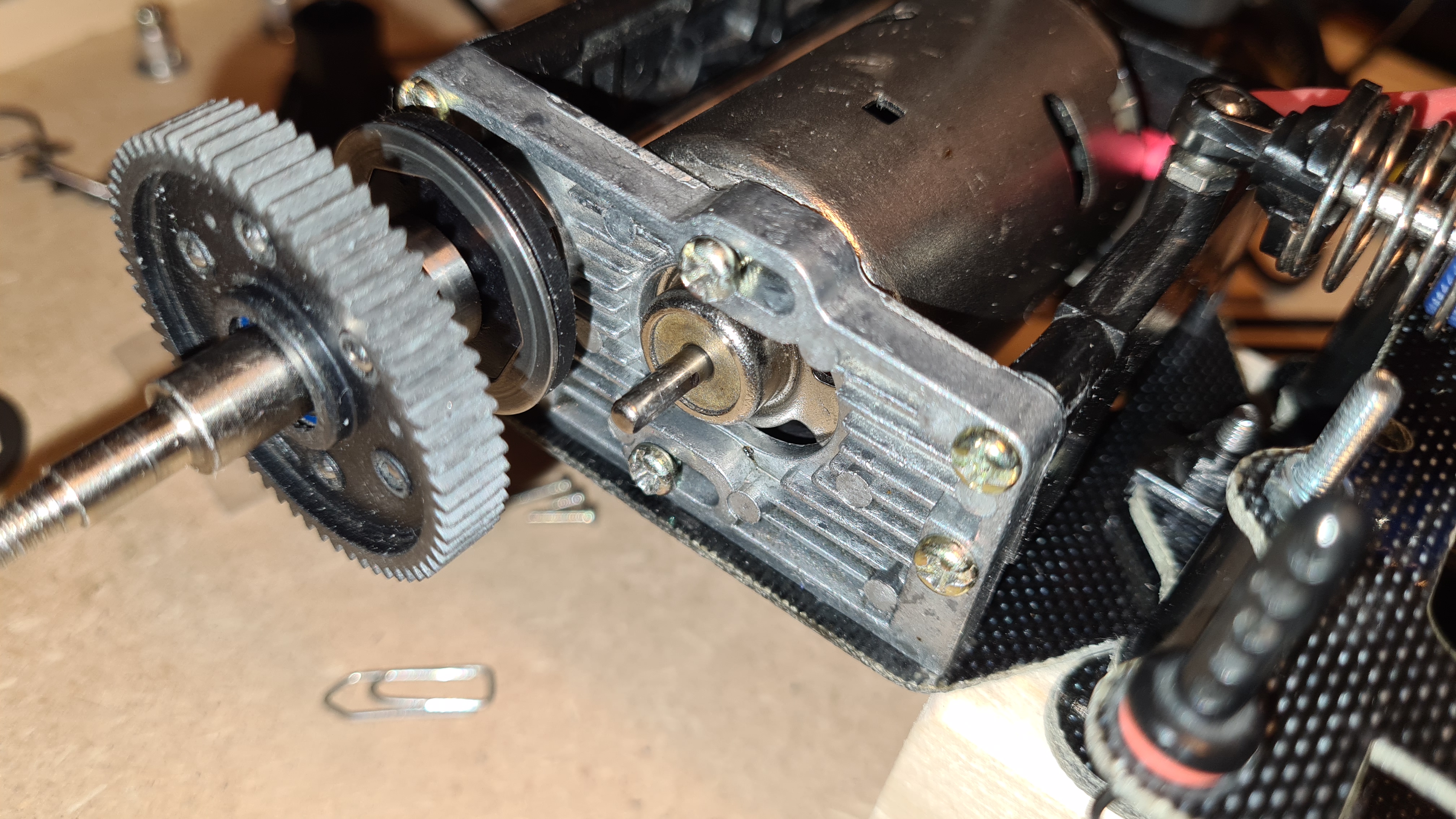
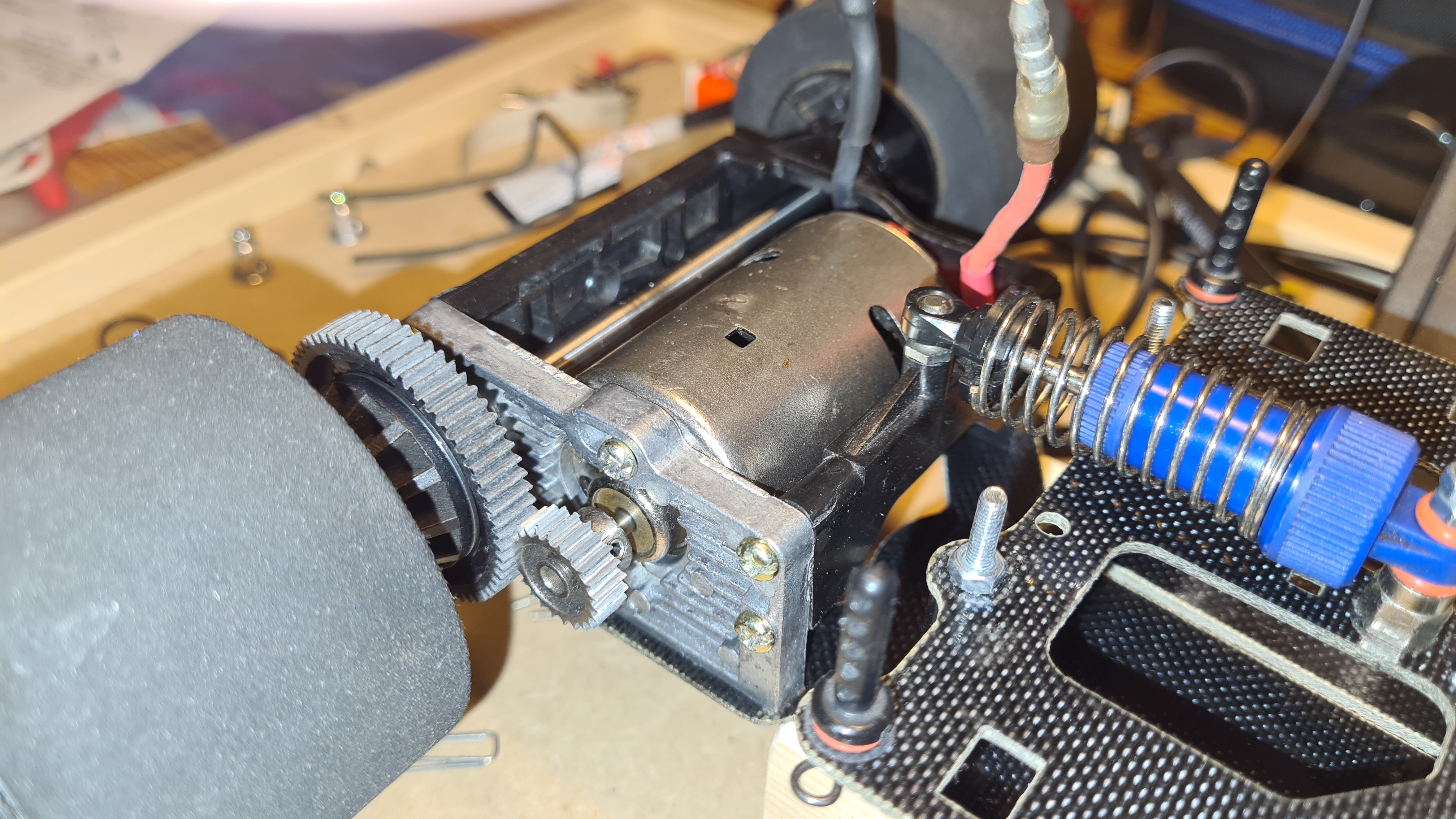
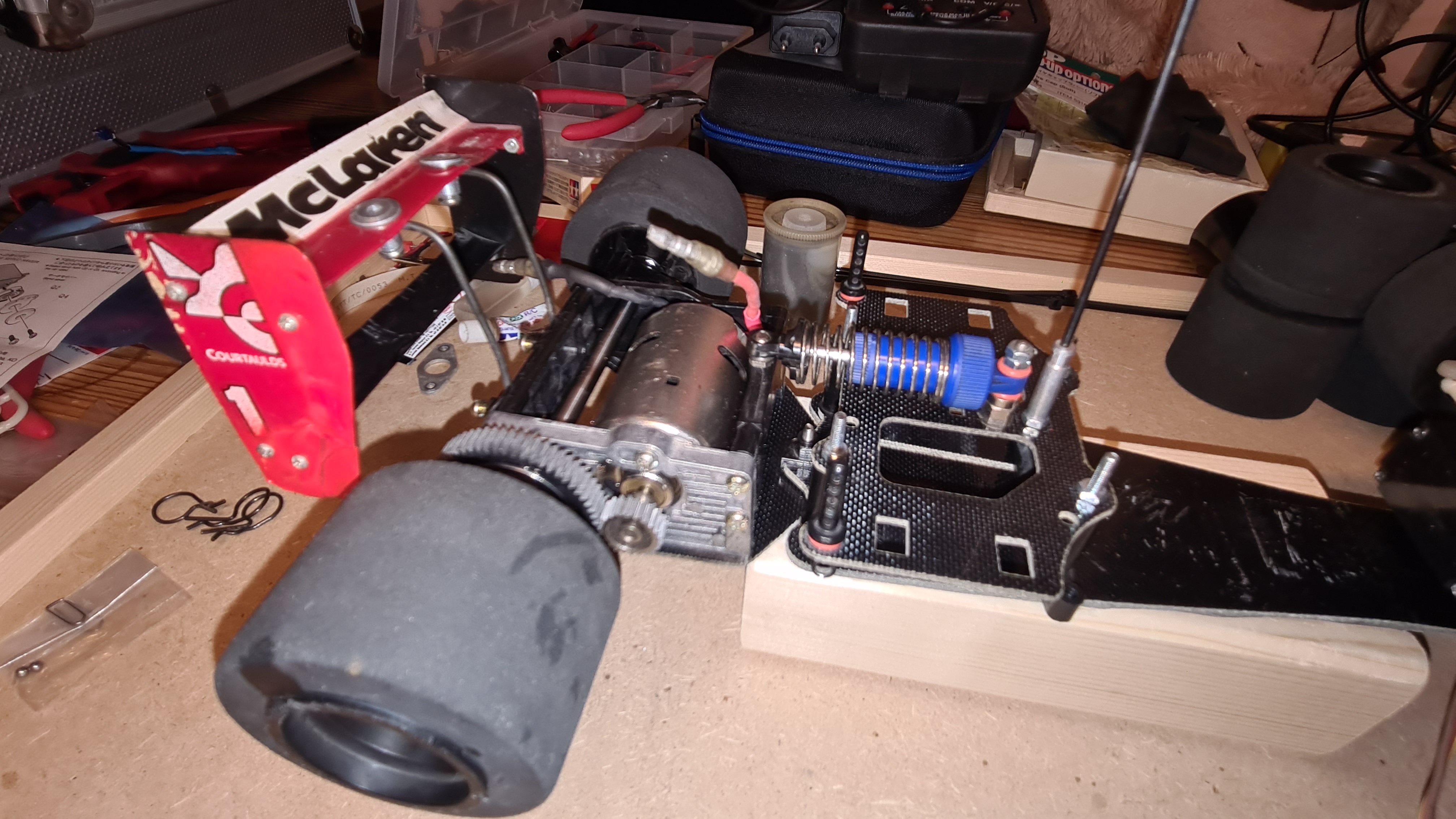
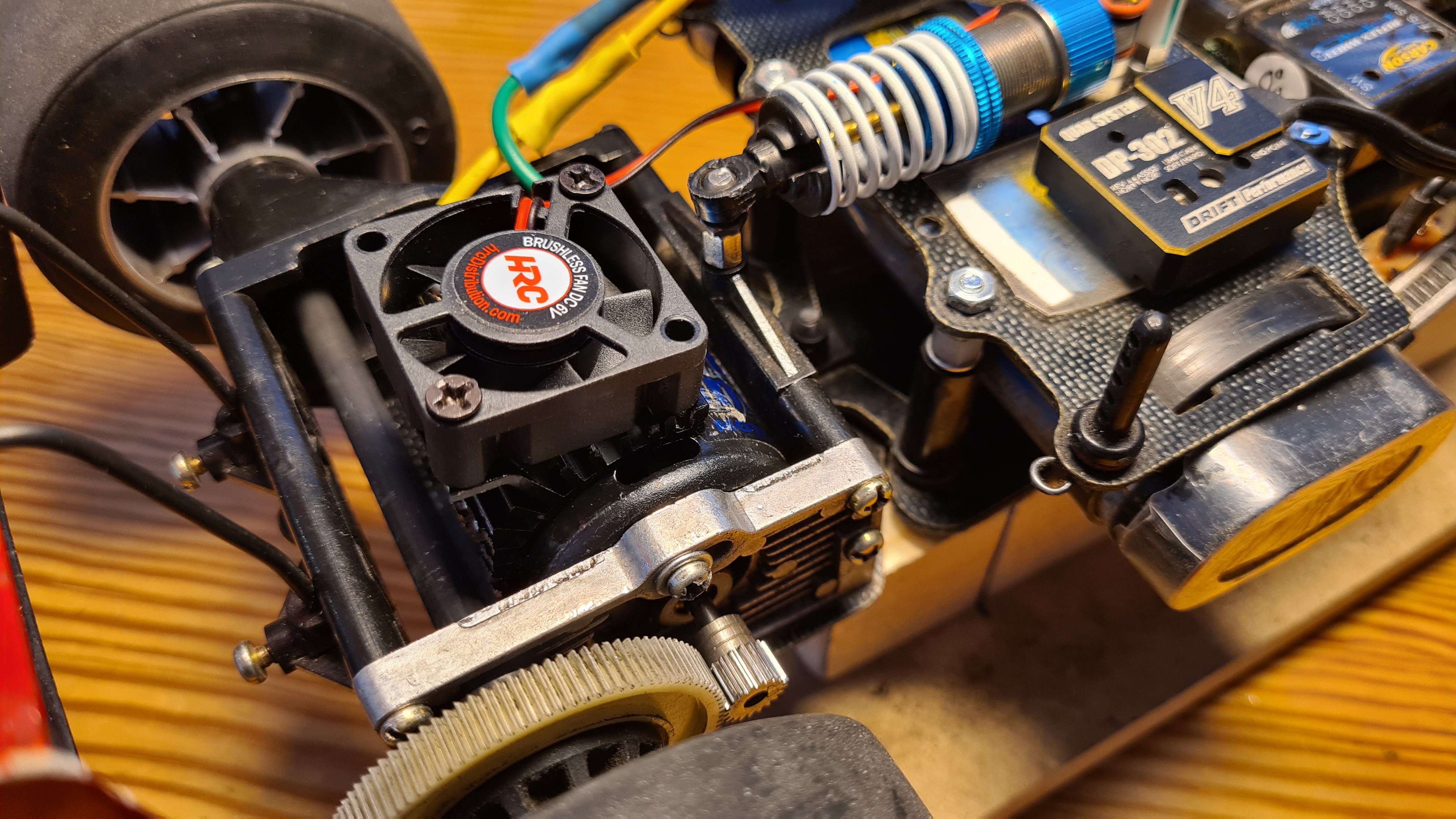
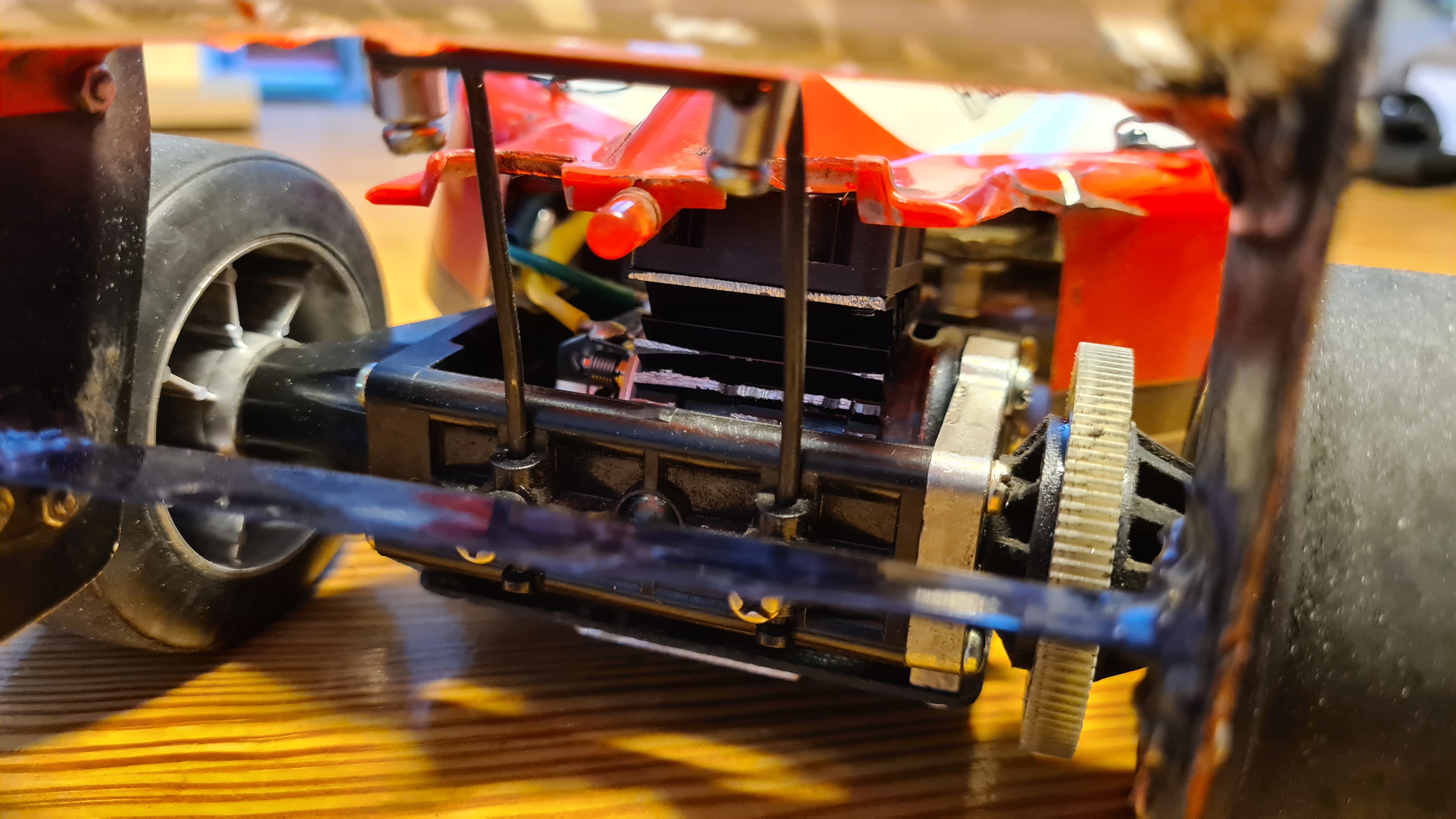
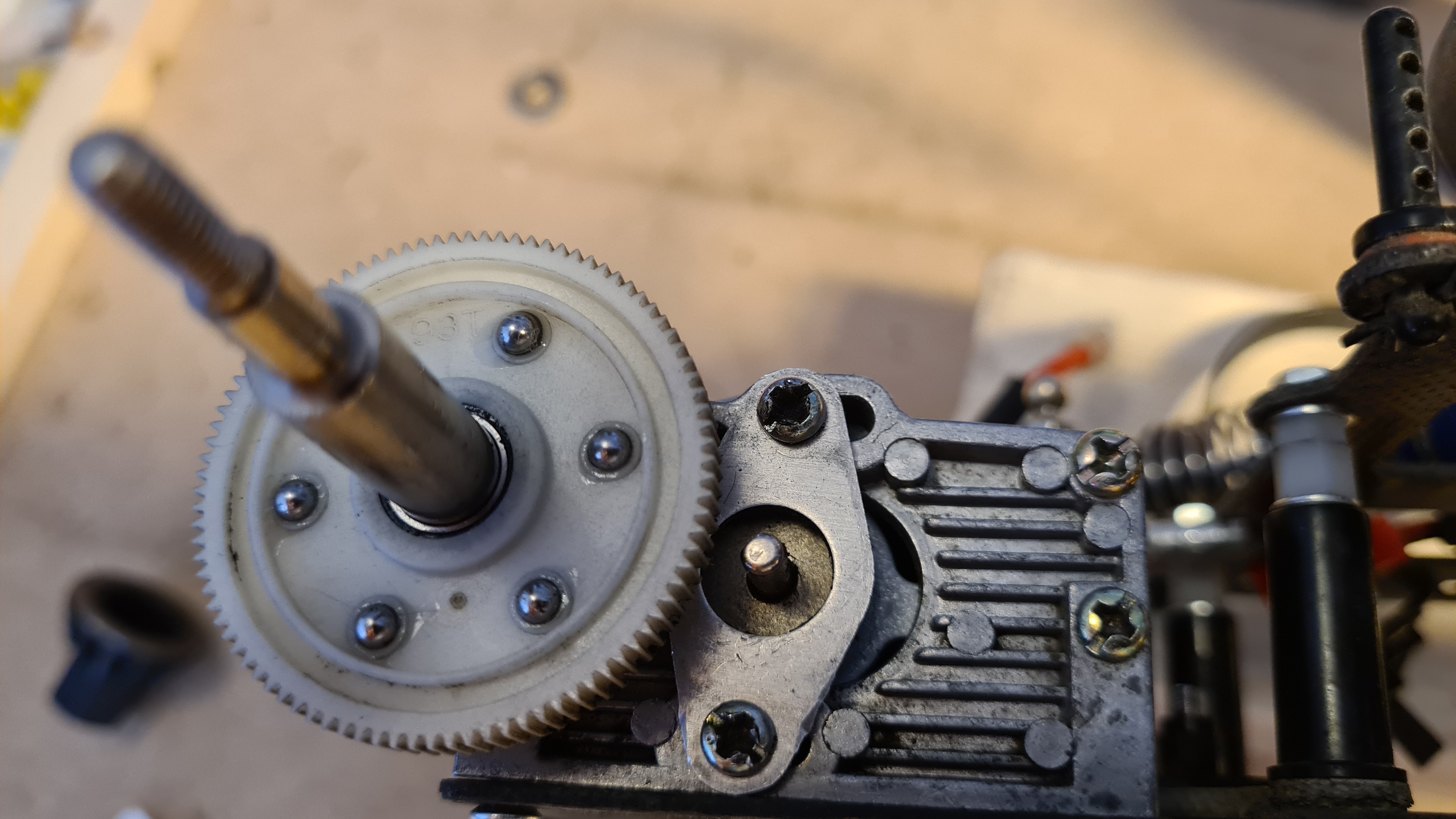
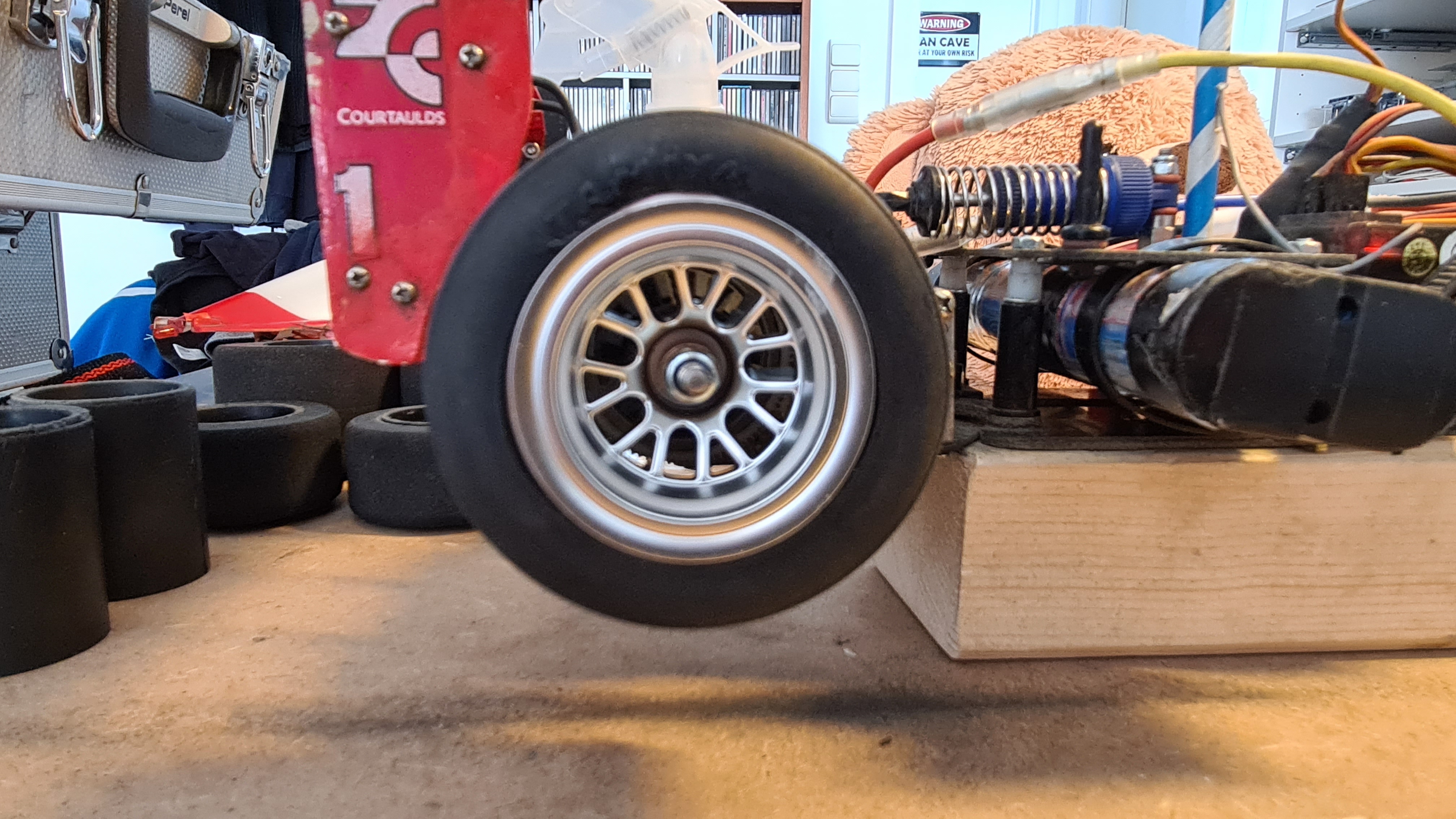
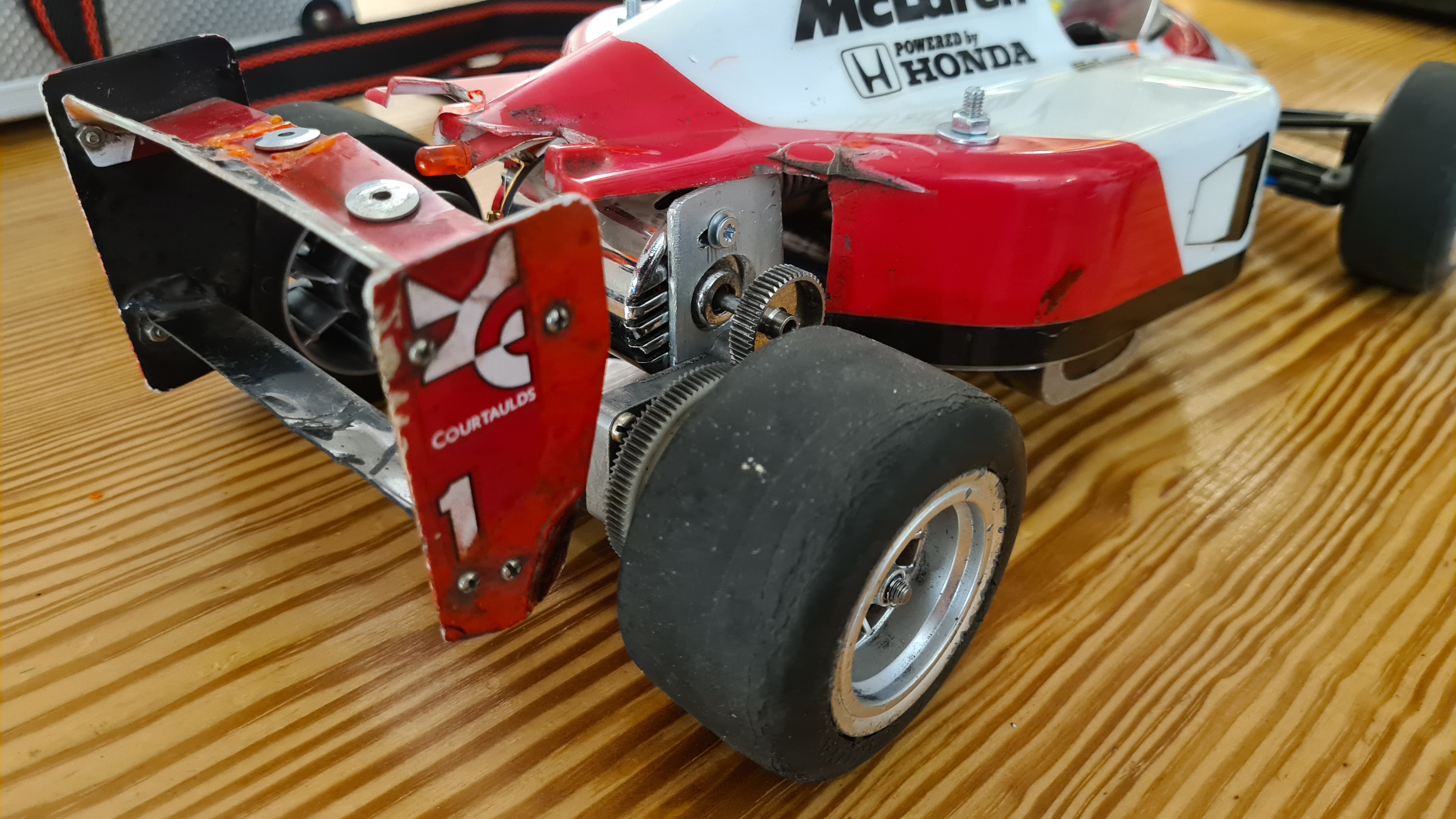
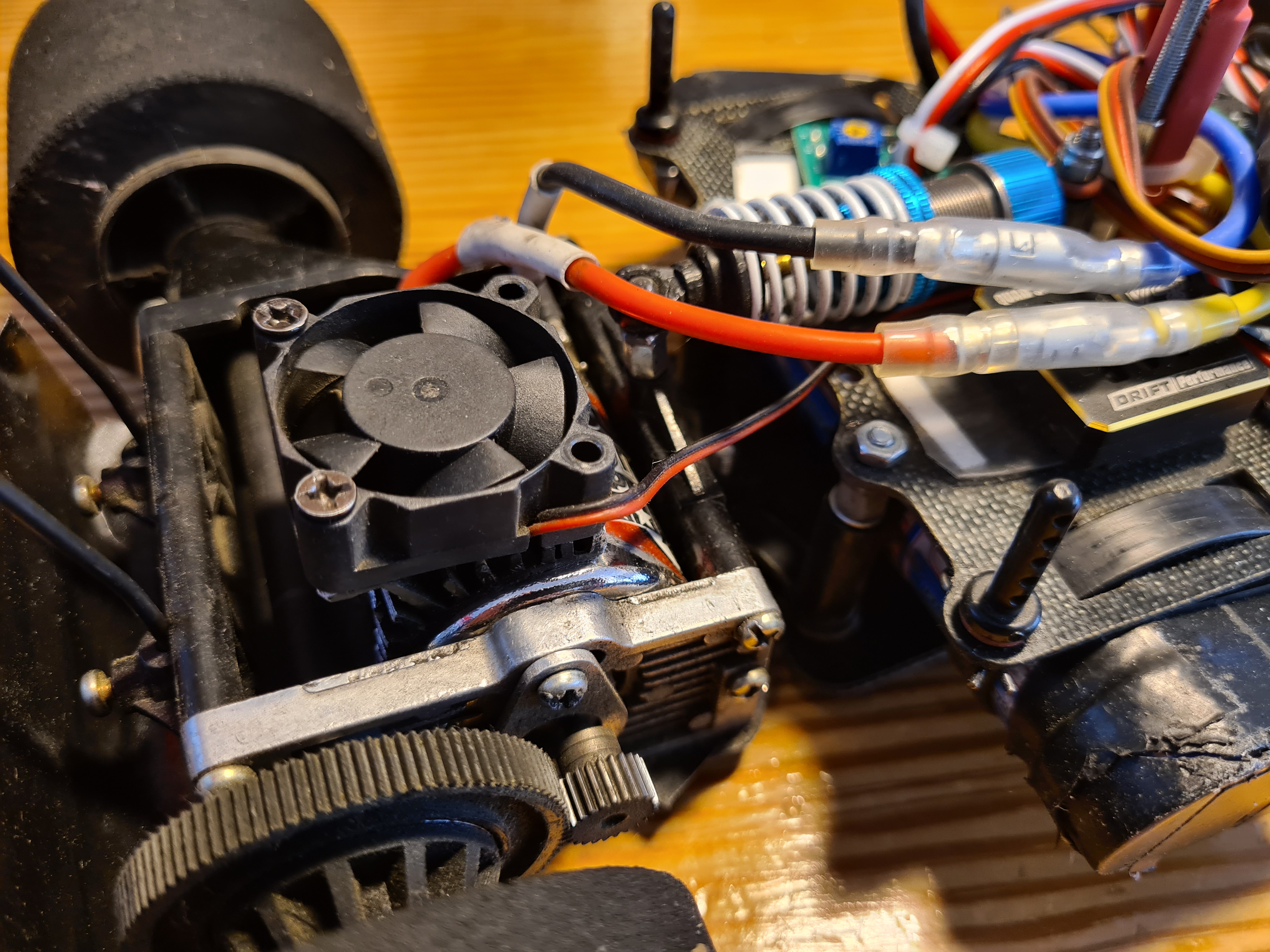
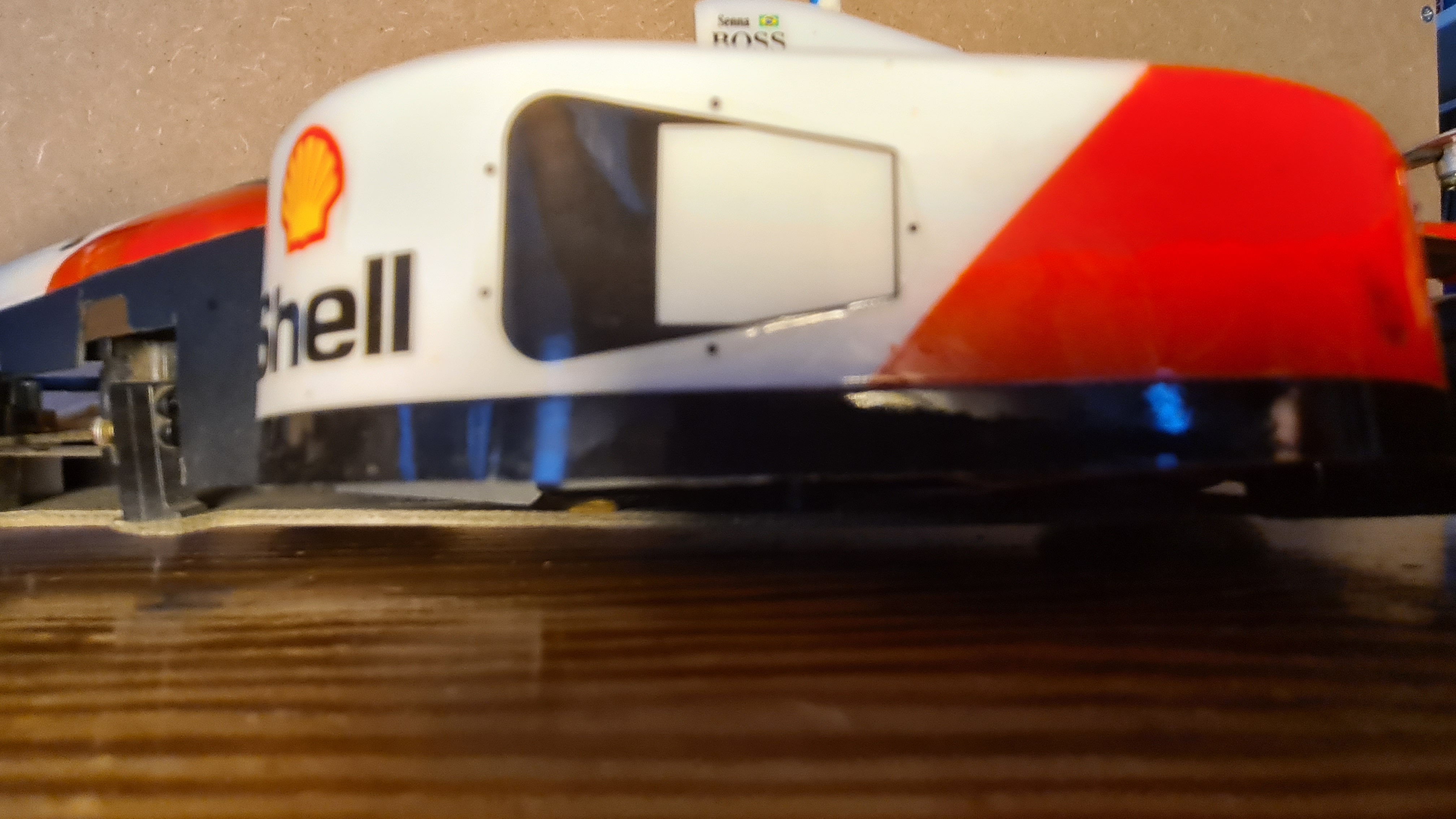
In the years following, several modifications were made, such as an aluminium front body mount, larger snap pins, an aluminium differential joint set for the steel rear axle, a hi-torque servo saver, a rear aluminium motor mount to dissipate the engine's heat, complete ball-bearings on all axles, new 70T 0.6 spur, 93T/104T 0.4 spur, 19T 0.6, 20T/21T 0.4, 24T/25T 0.4, 24T/25T 0.6, and 48T/49T 0.4 pinion gears, and optional packers on the front suspension to increase the frontal driving height. The underplate hovers approximately 3-5 mm above the ground (depending on the tyres used).
Depending on the gearing, tyres, motor, and weight of the car, it has currently achieved a maximum road speed 81.5 km/h (~ 51 mph). In order to stabilise the car's behaviour and steering at such high speed, the use of a gyroscope was necessary, combined with a smooth launch control system, as it was not out-of- the-box designed for these conditions.
As of 2022, the car was again updated after 25 years:
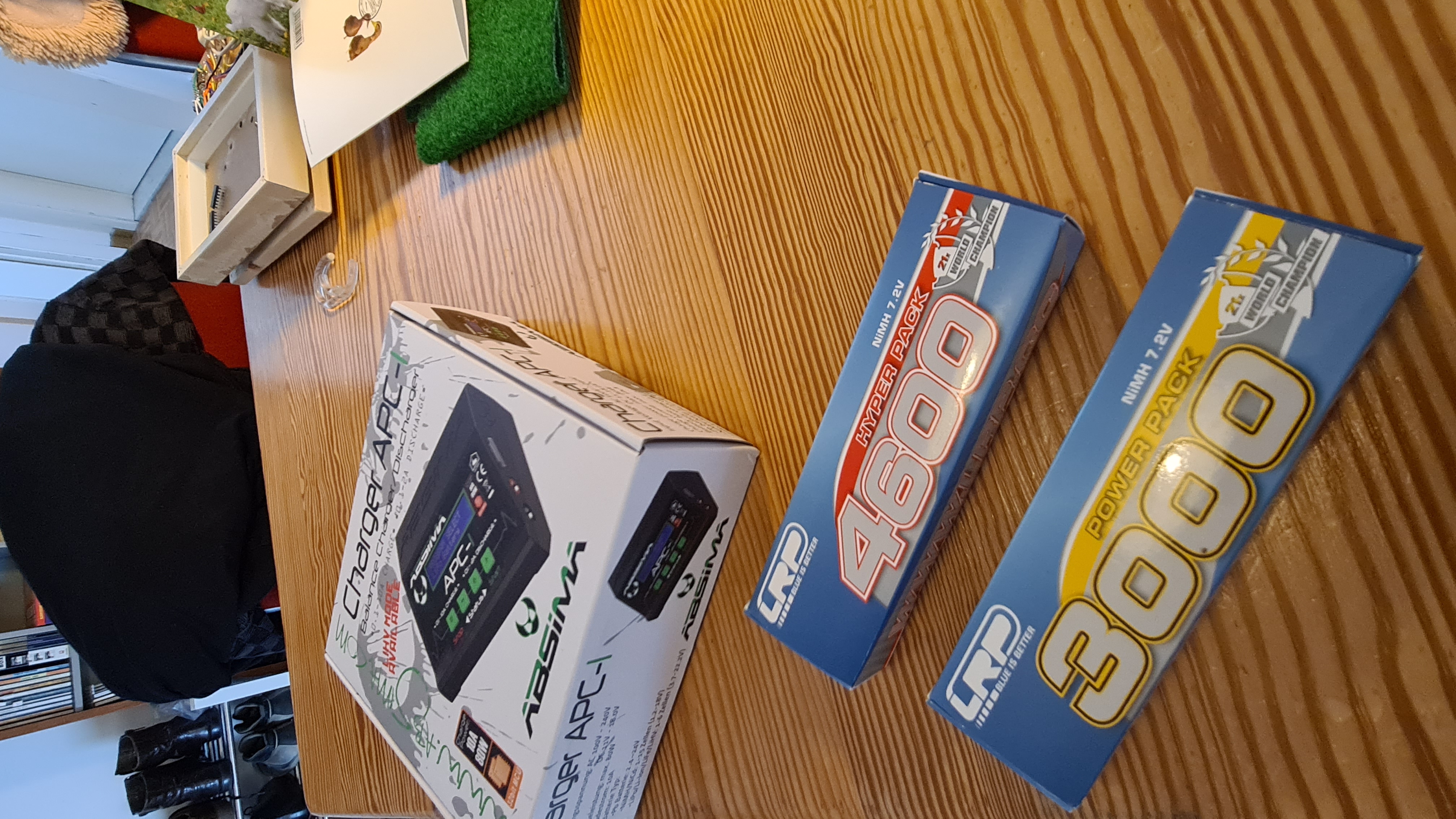
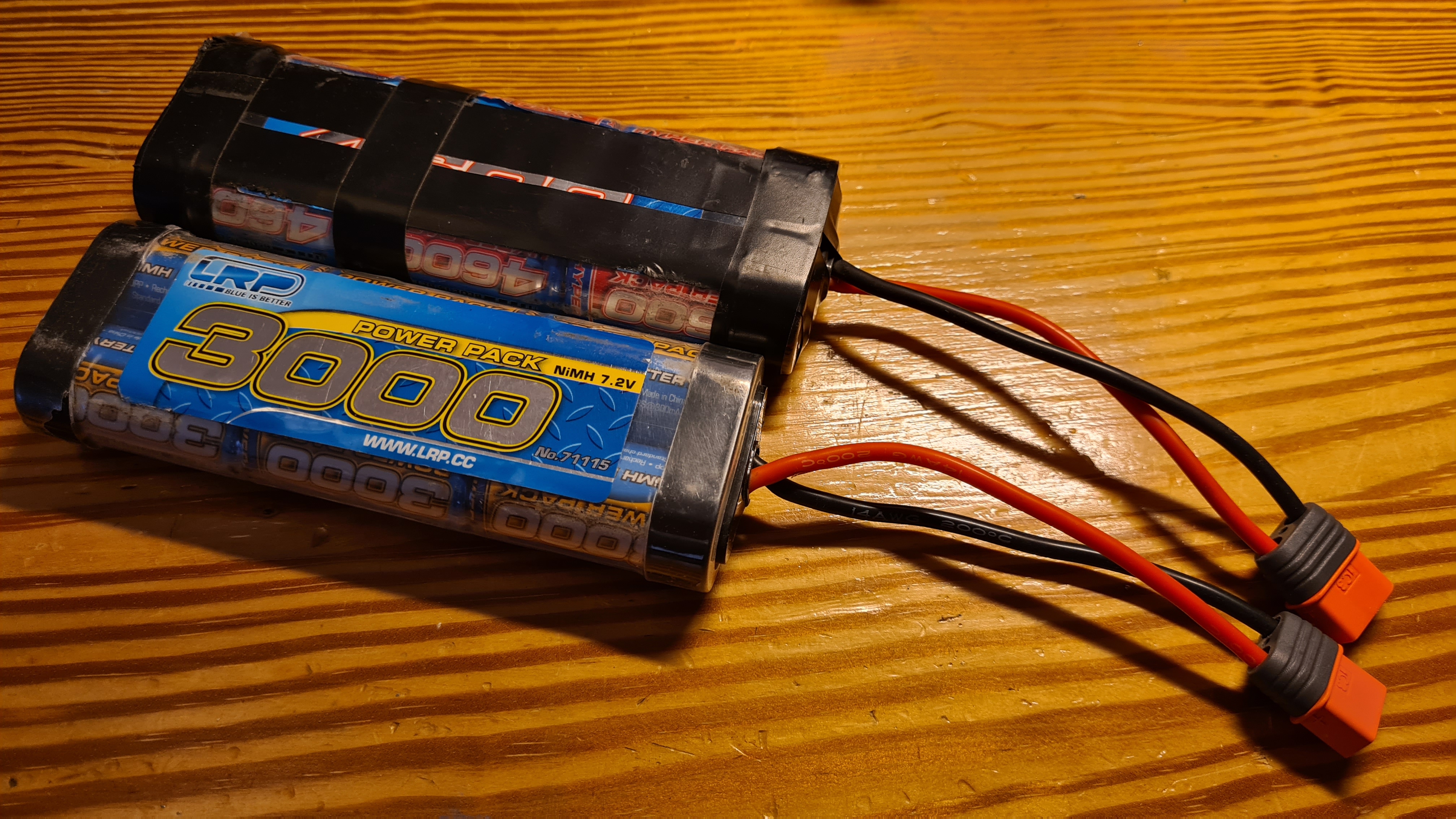
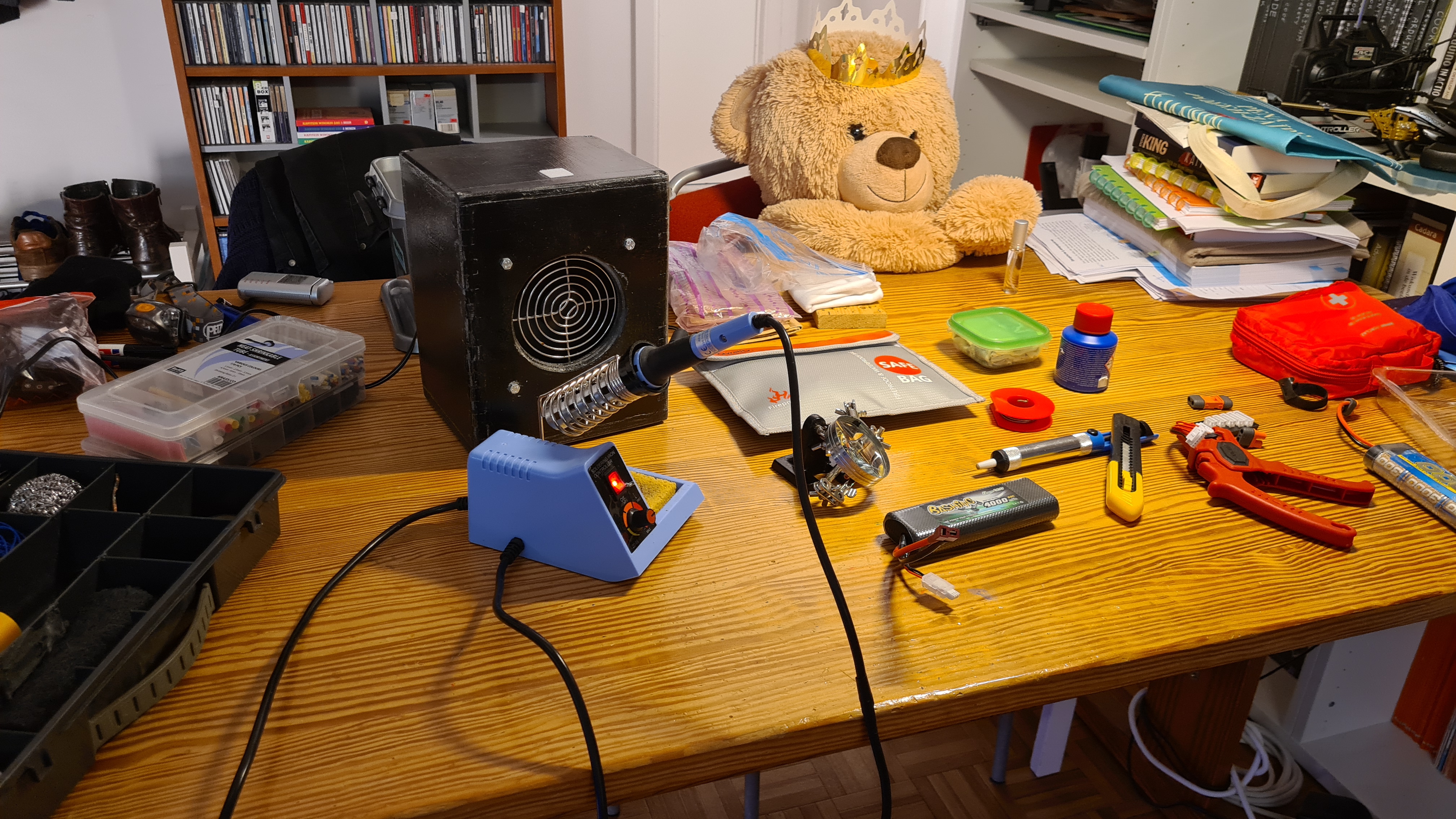
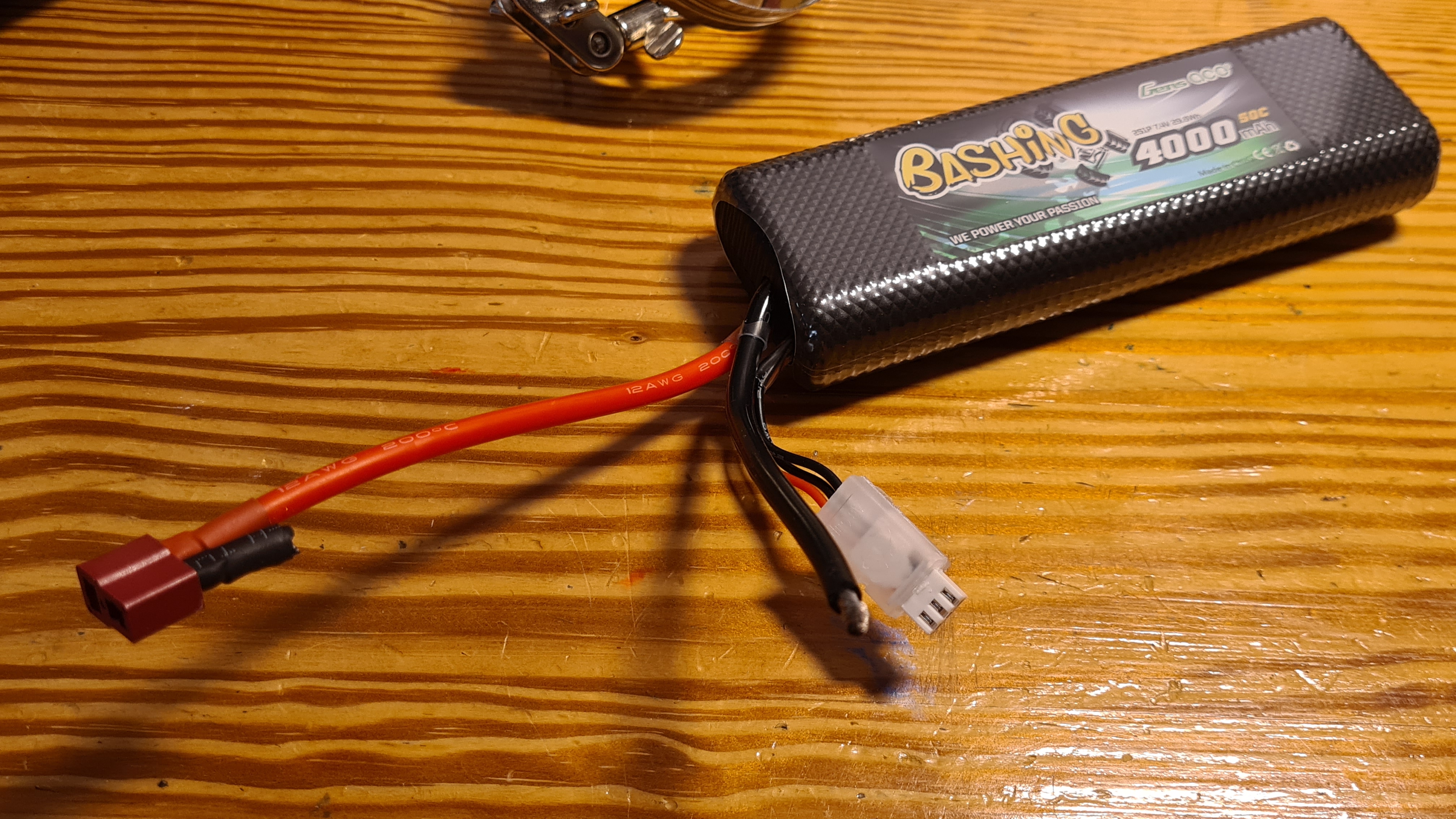
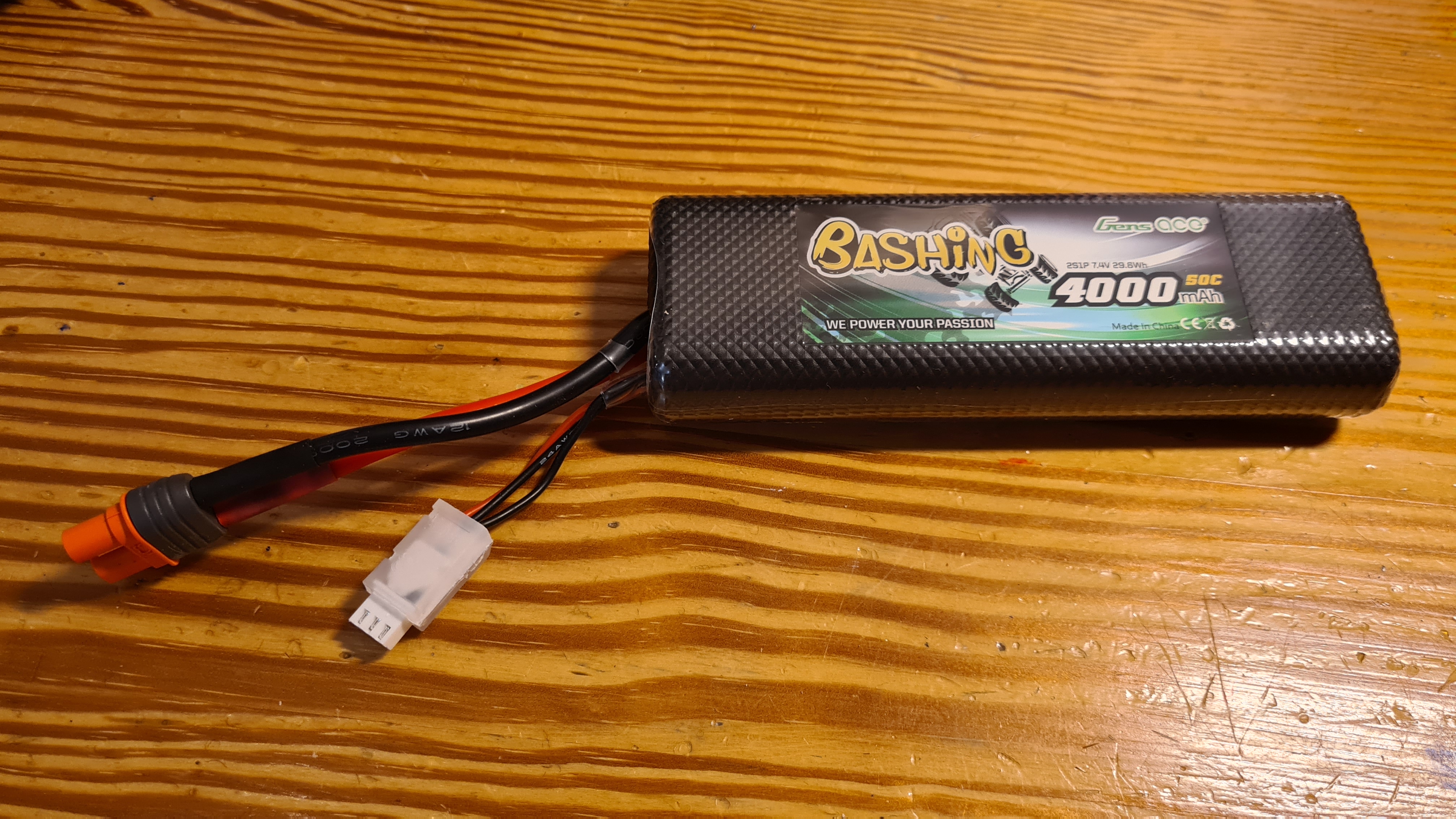
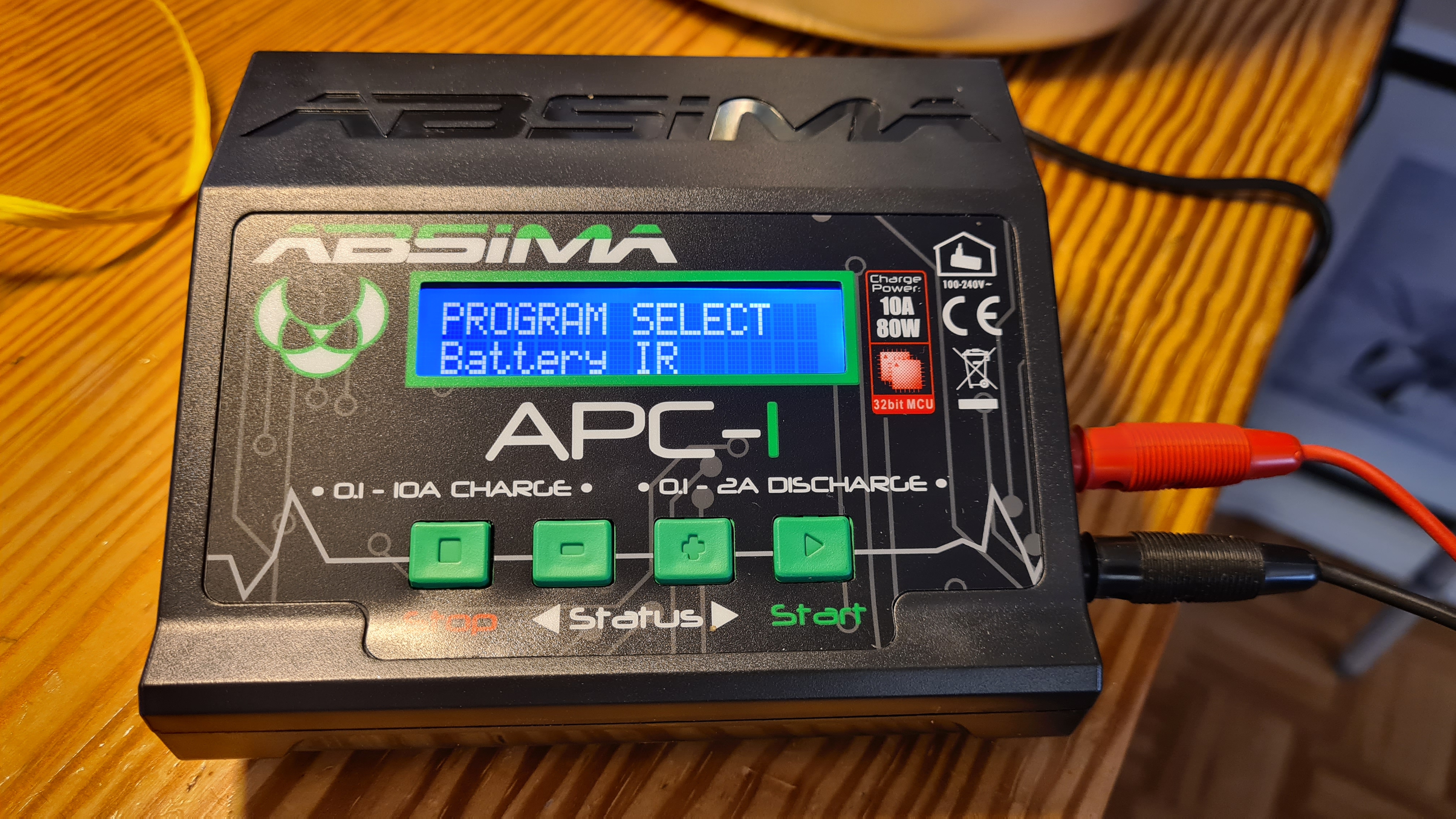
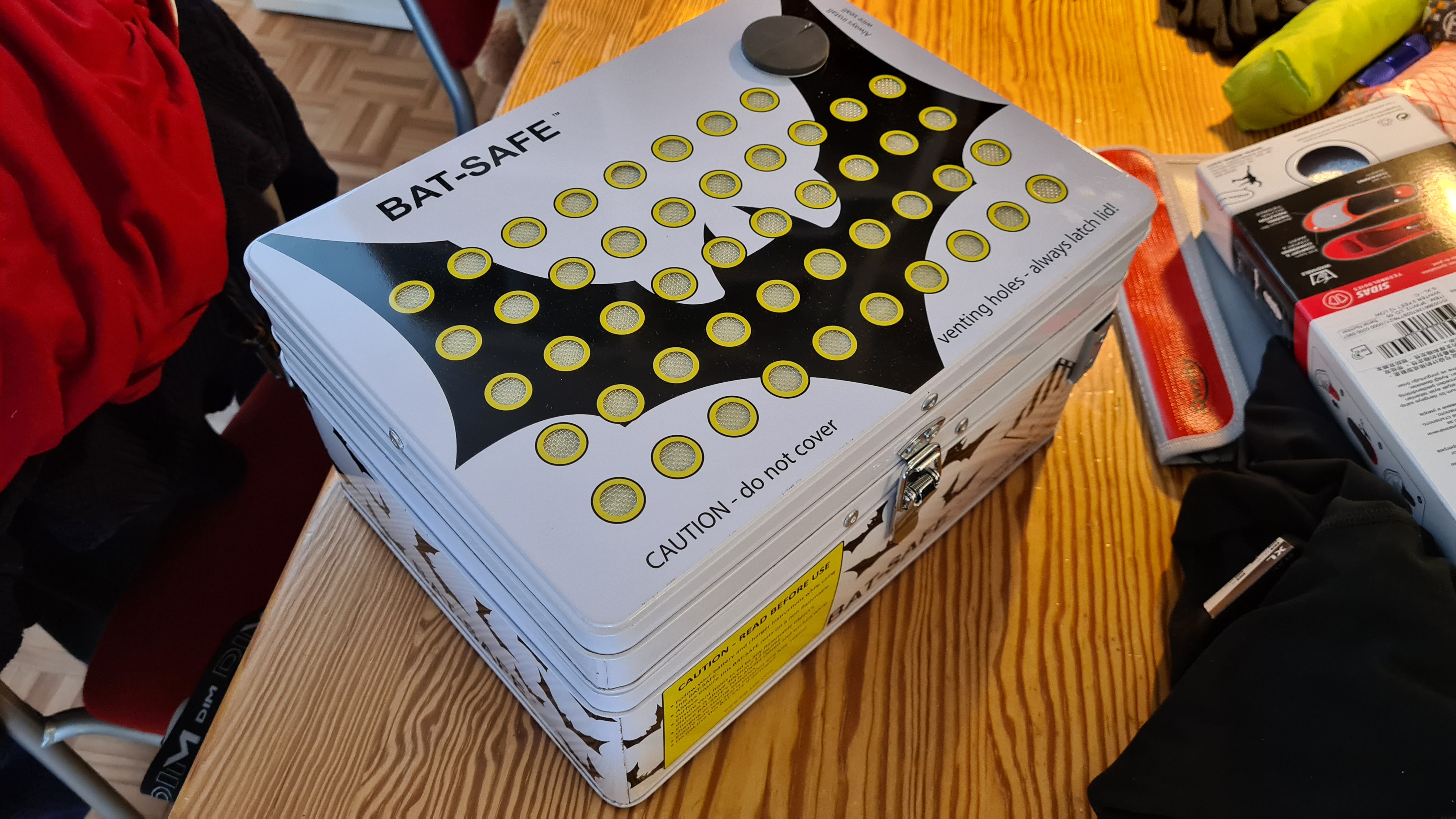
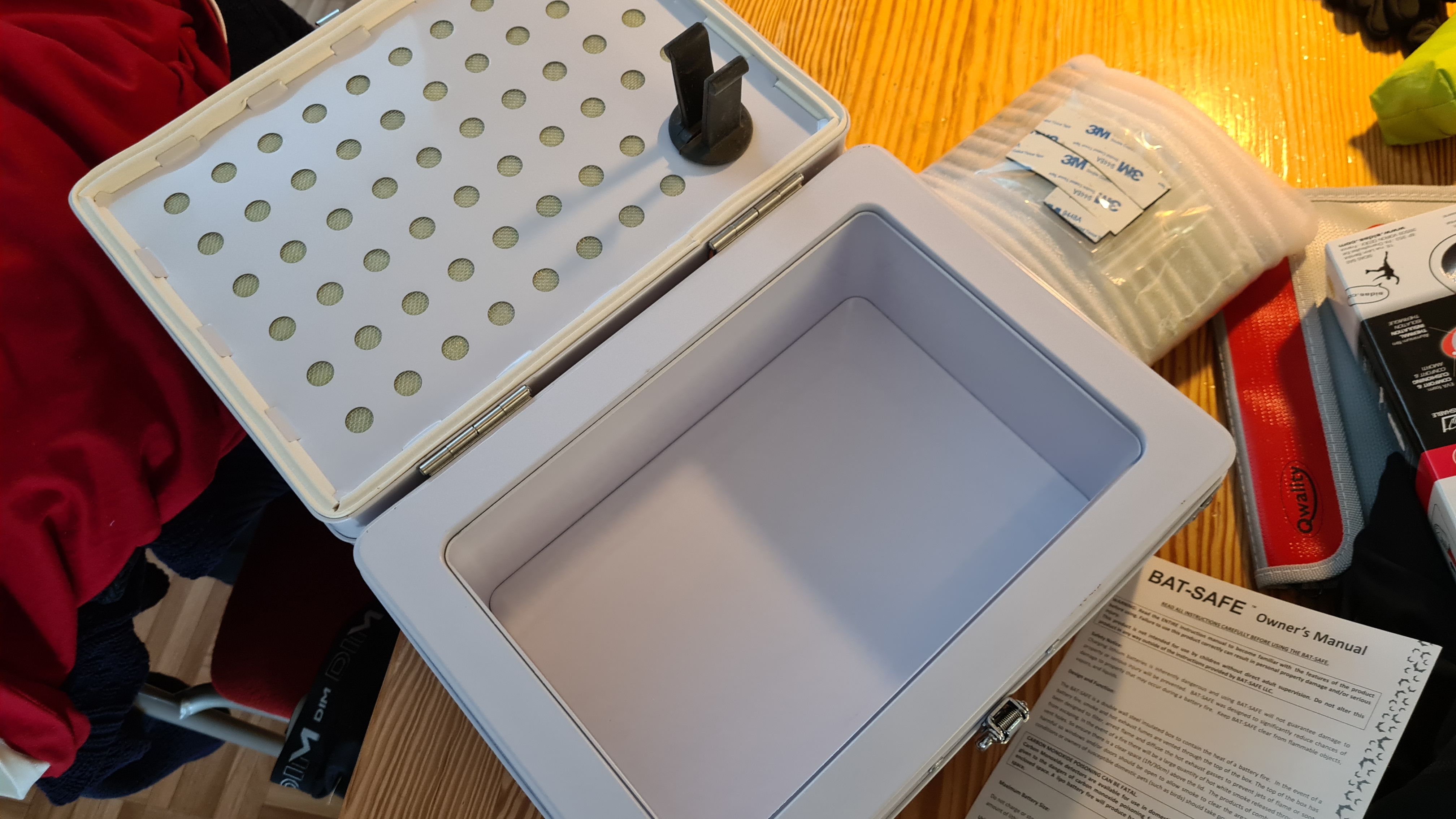
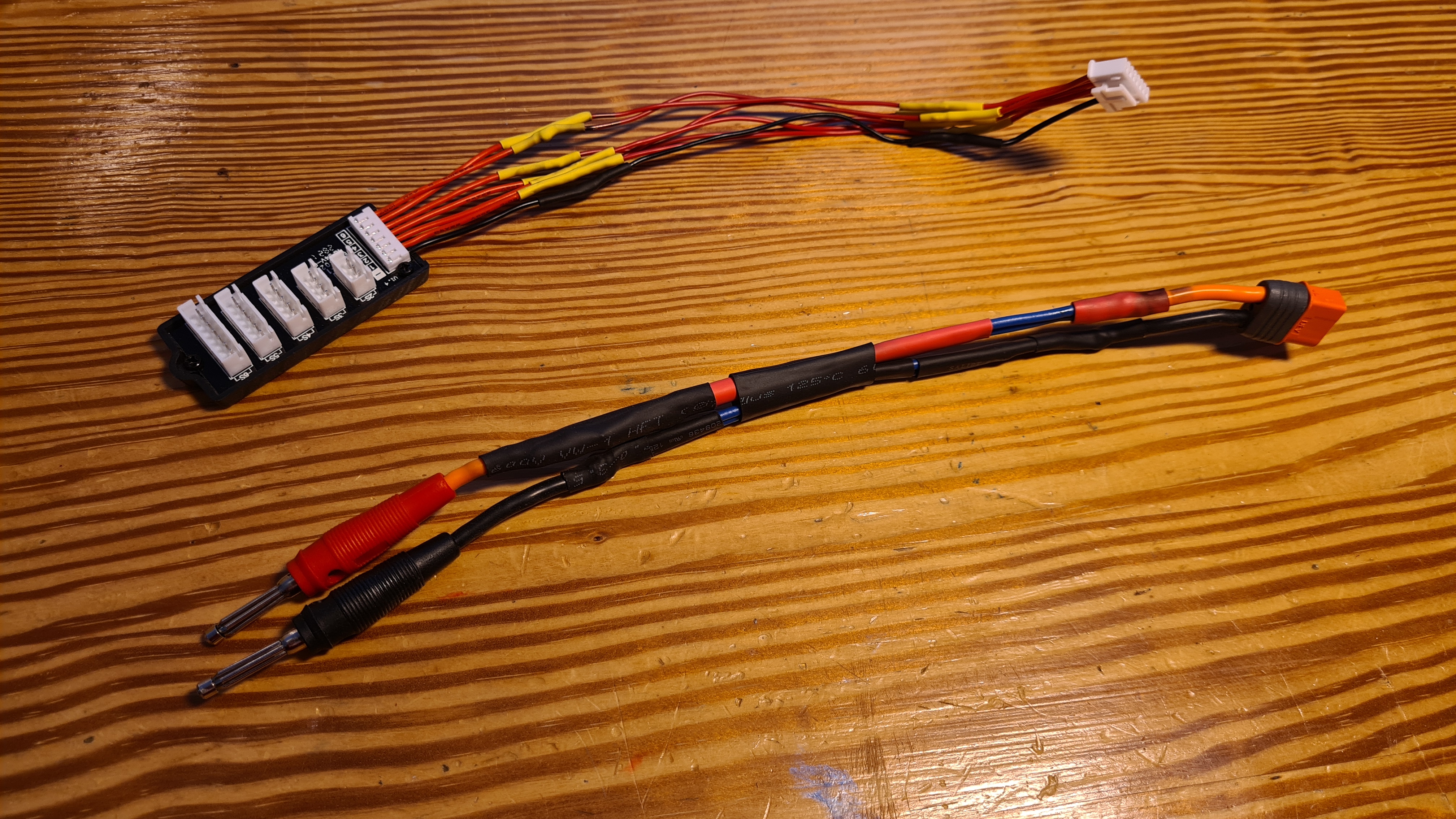
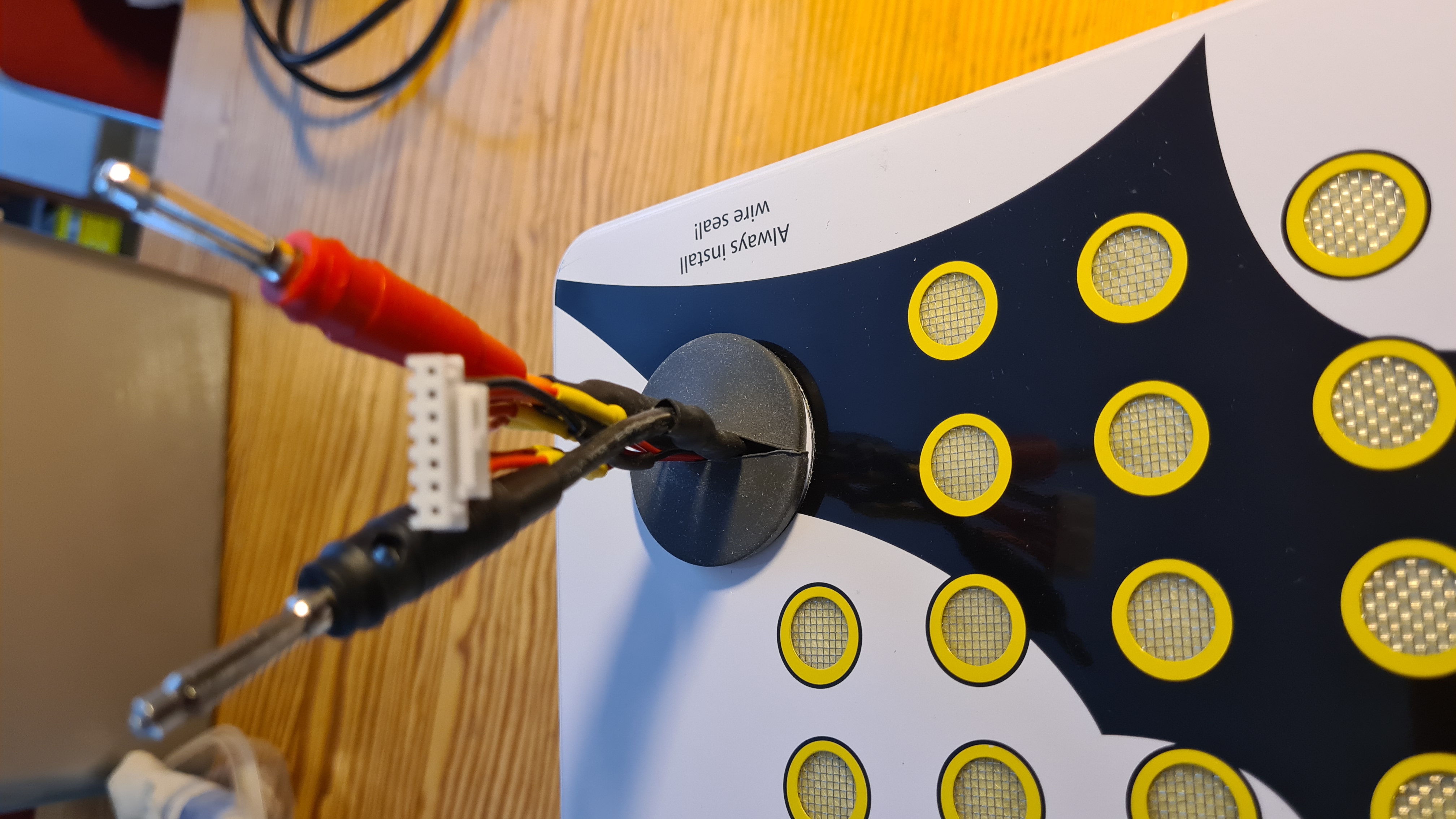
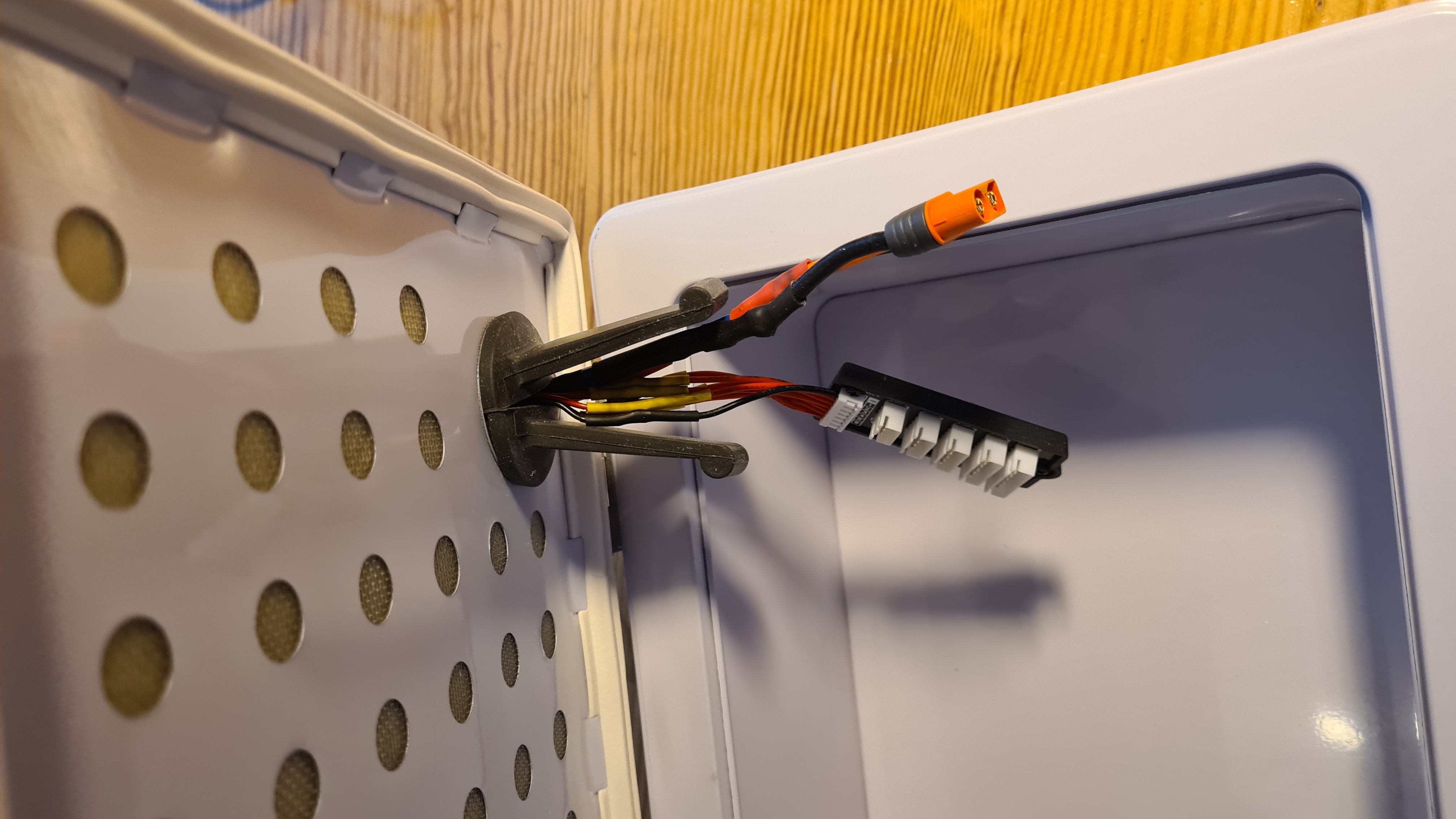
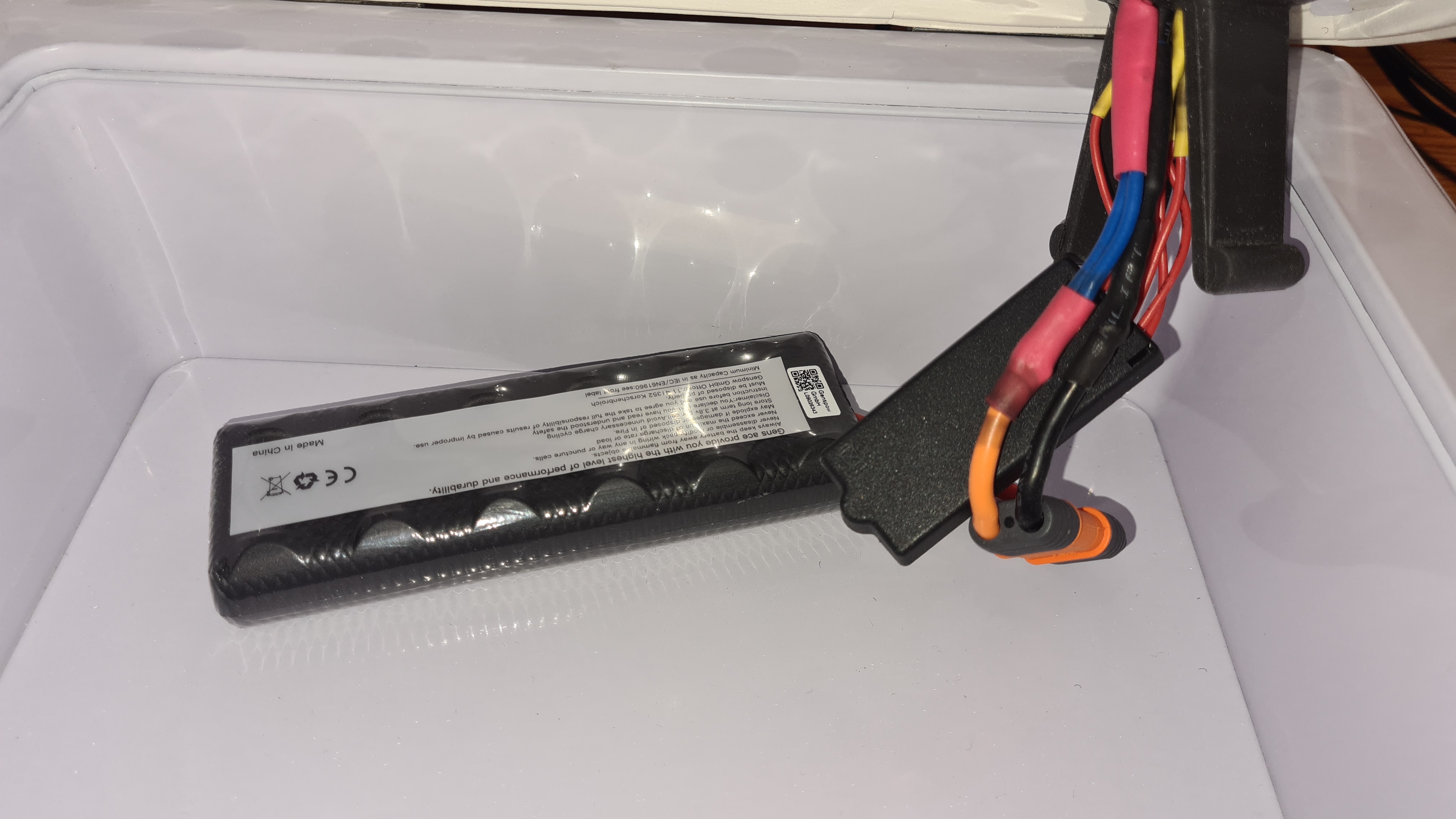
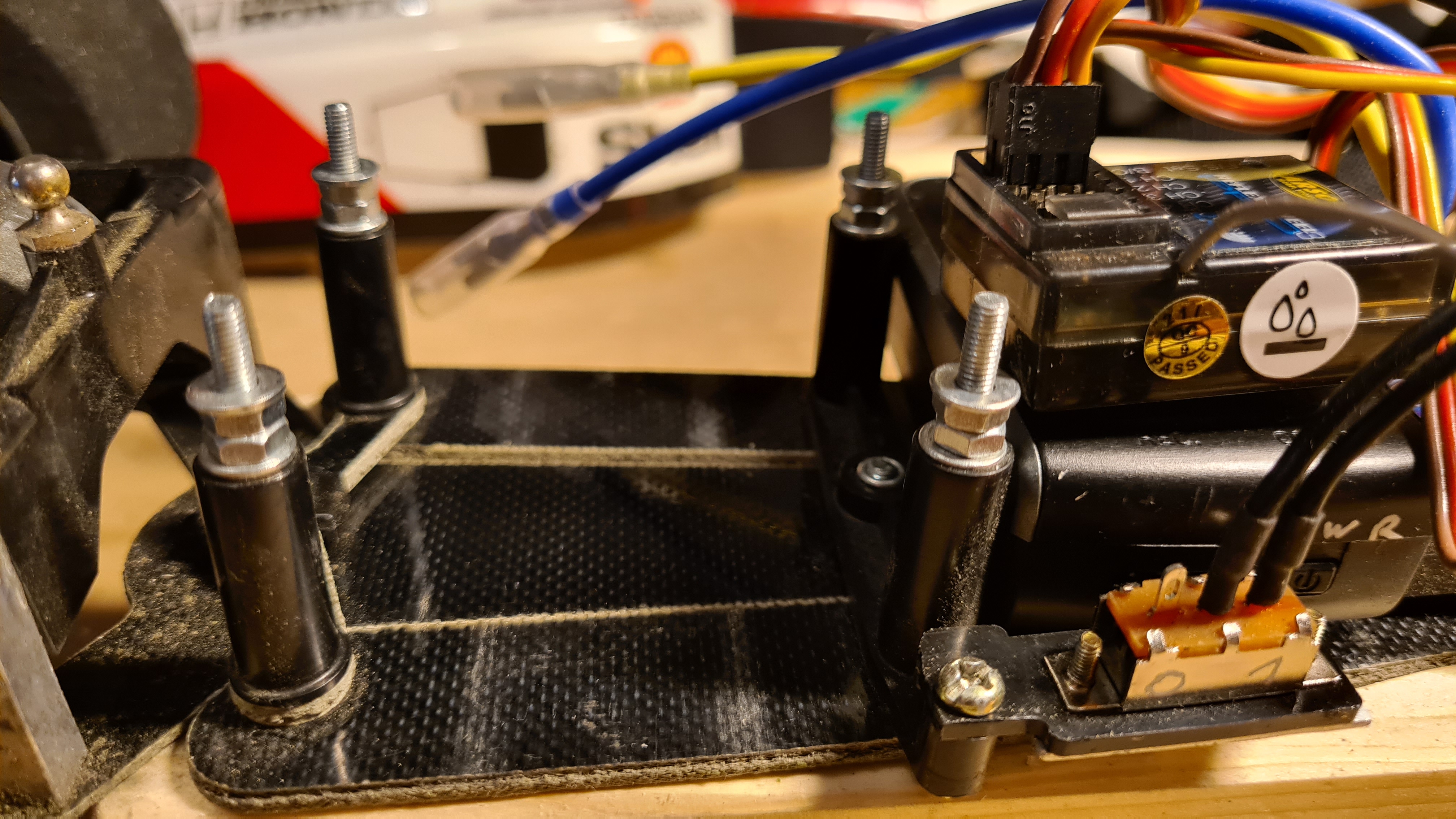
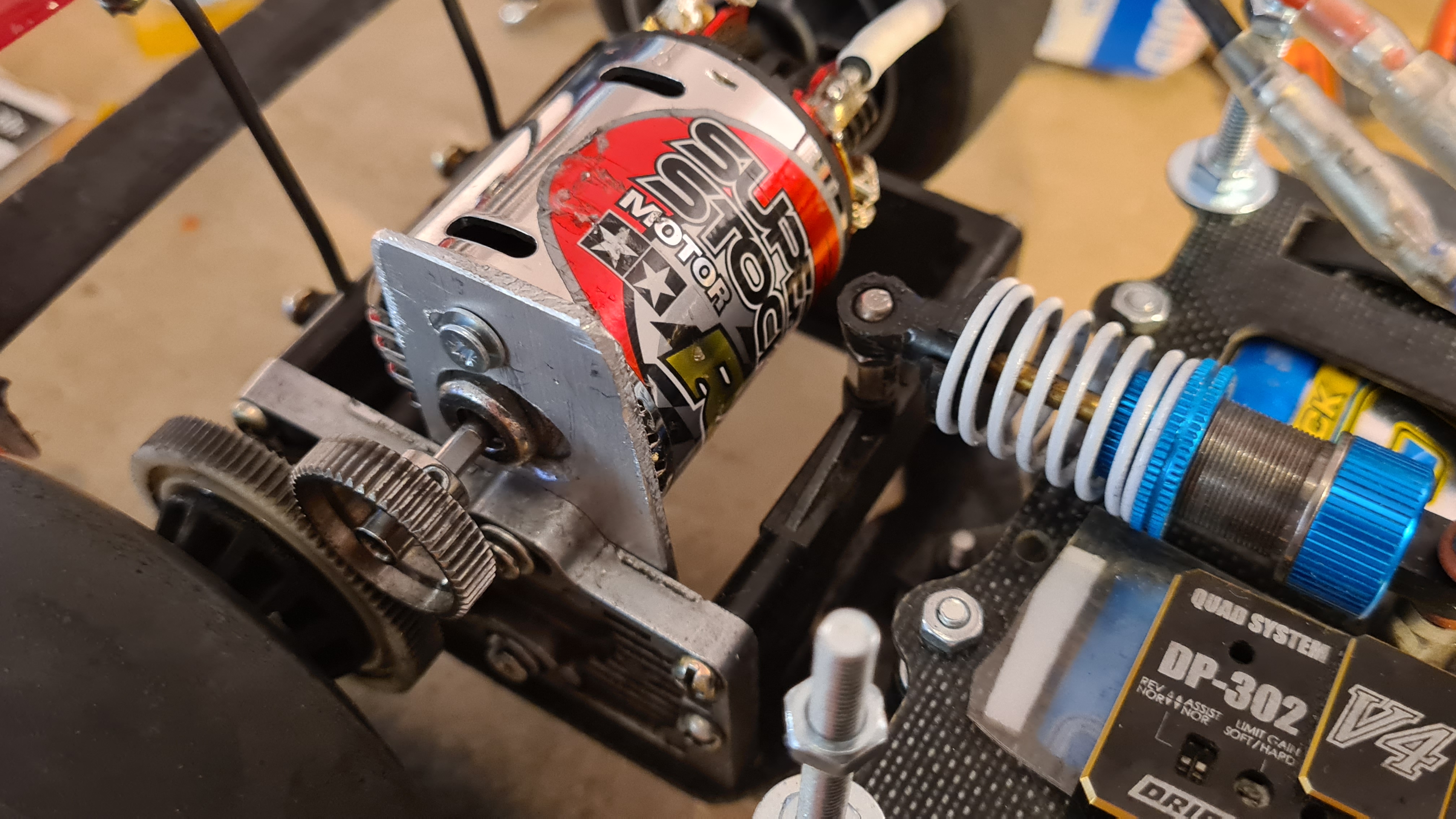
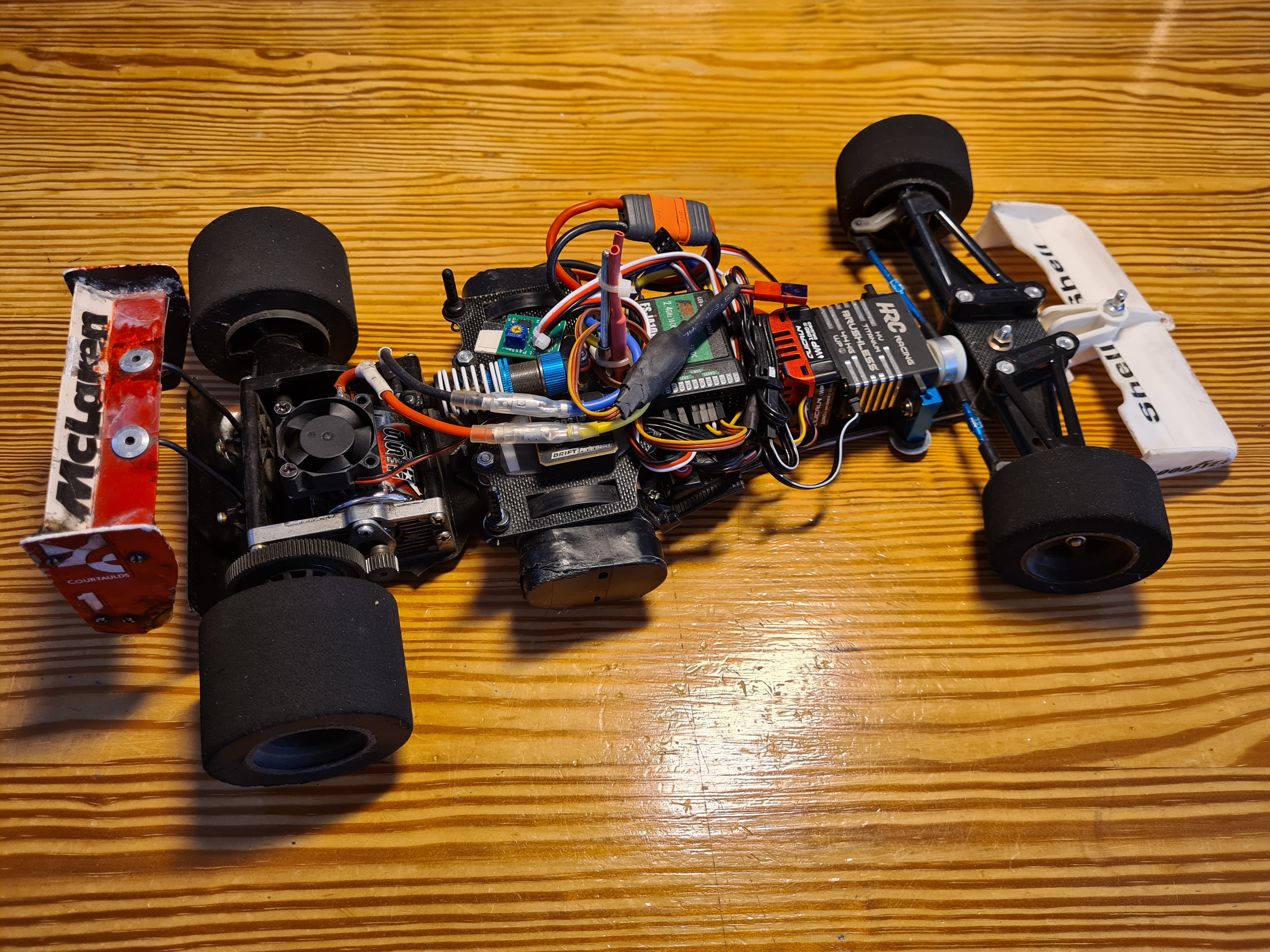
- It now works with NiMH and LiPo batteries (3000 mAh and 4600 mAh at 7.2 V NiMH, and 4000 mAh at 8.4 V LiPo), for which the height of the central upper deck was increased in order to fit larger batteries. The LiPo battery is charged inside a Bat-Safe (manual) for added fire safety.
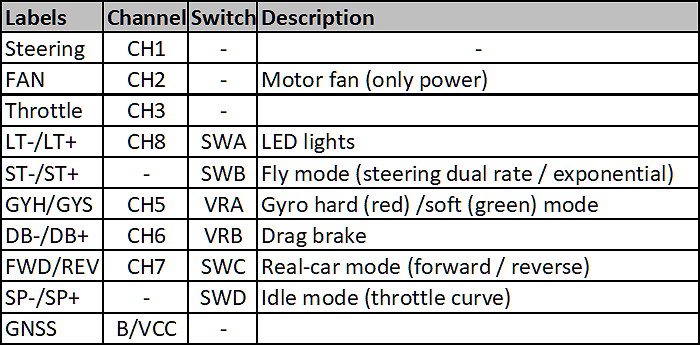
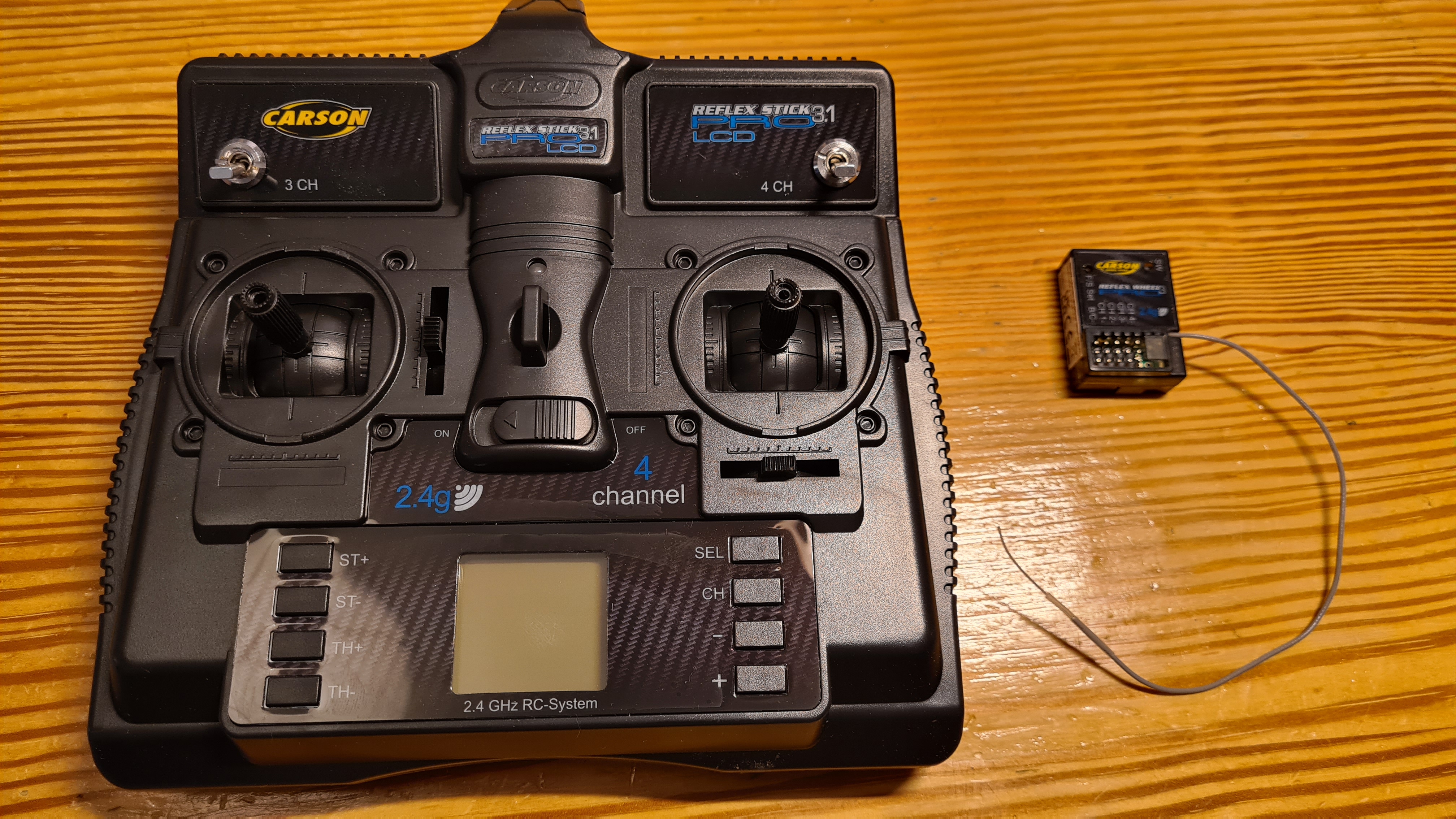
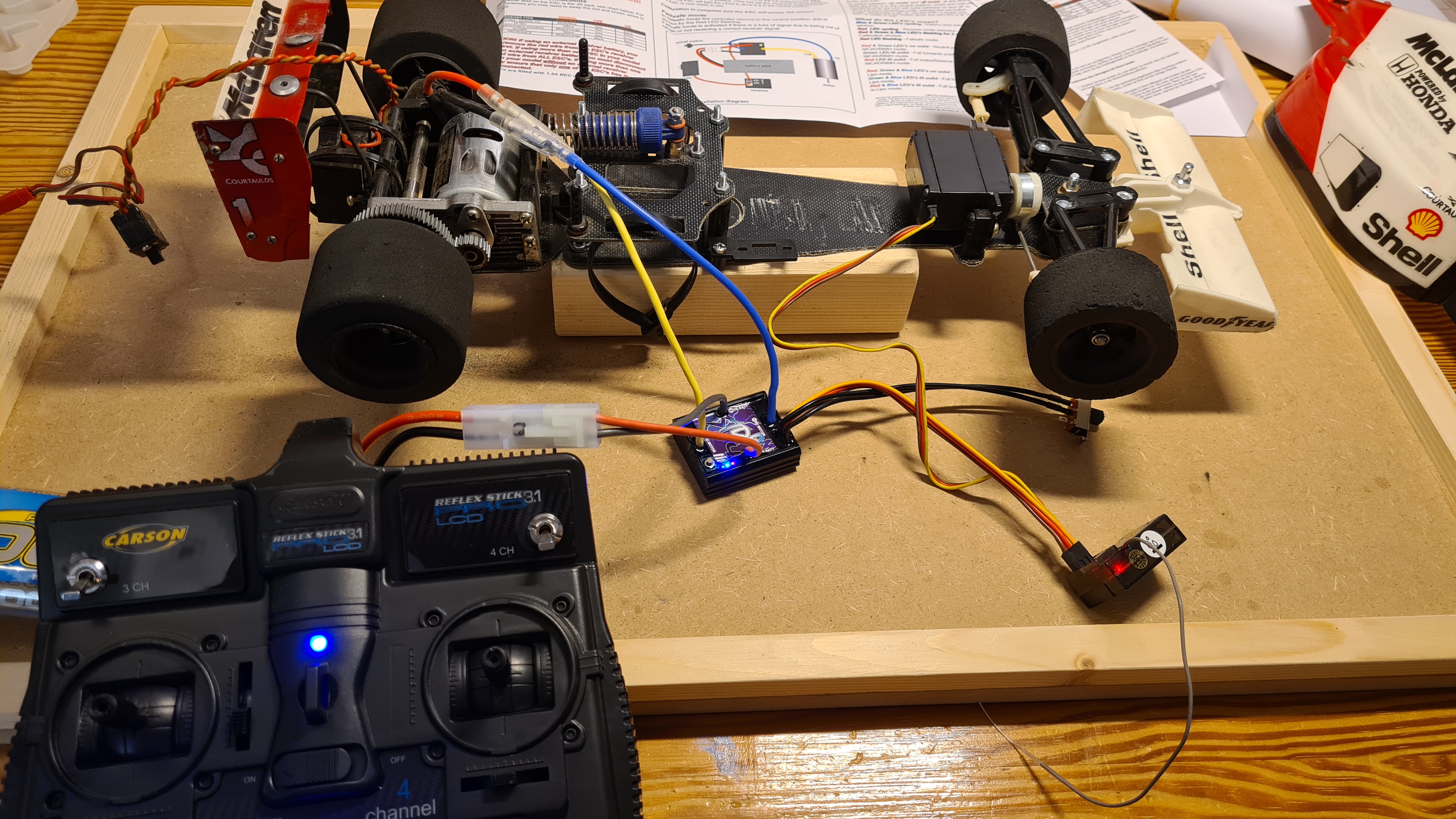
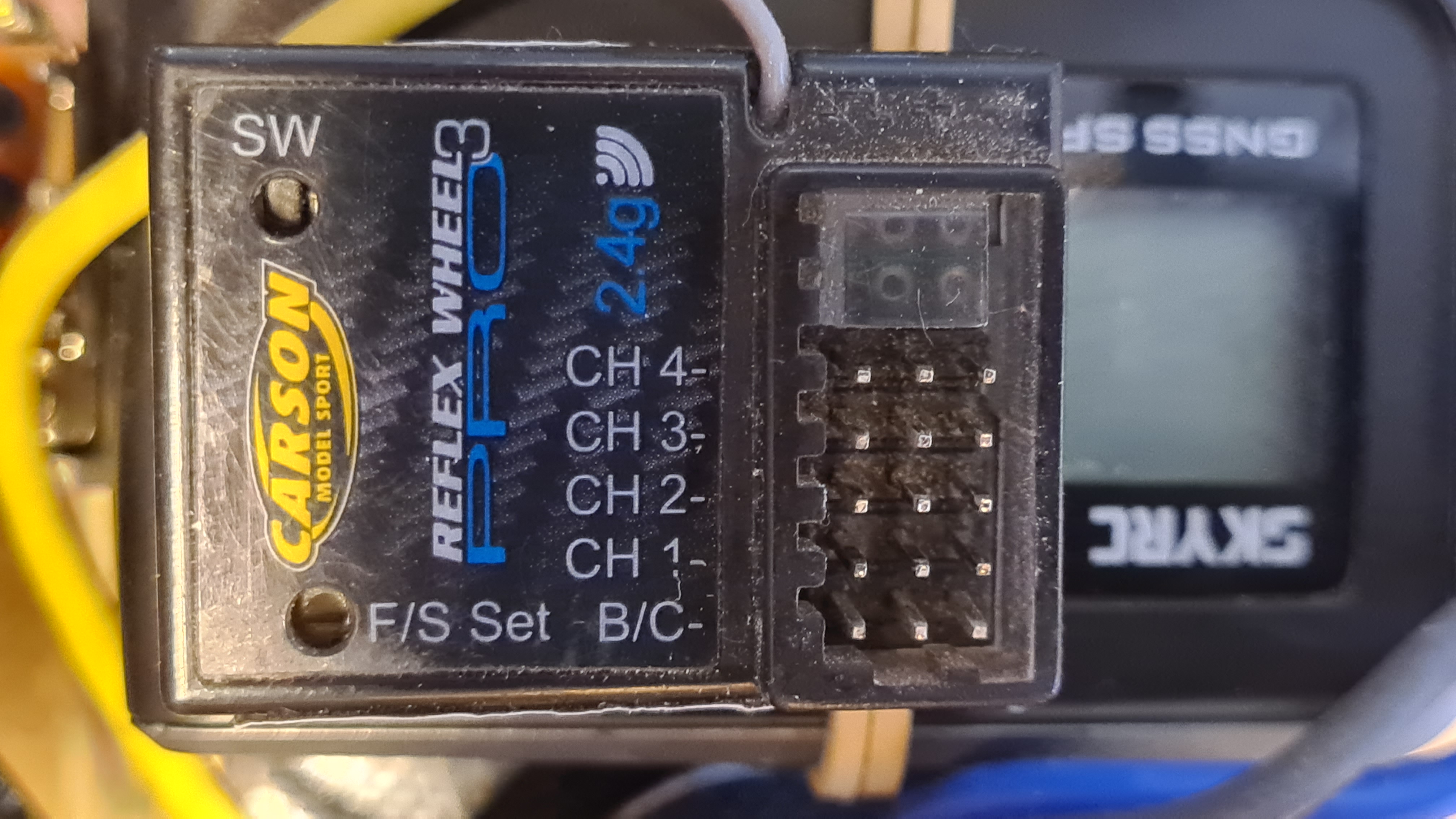
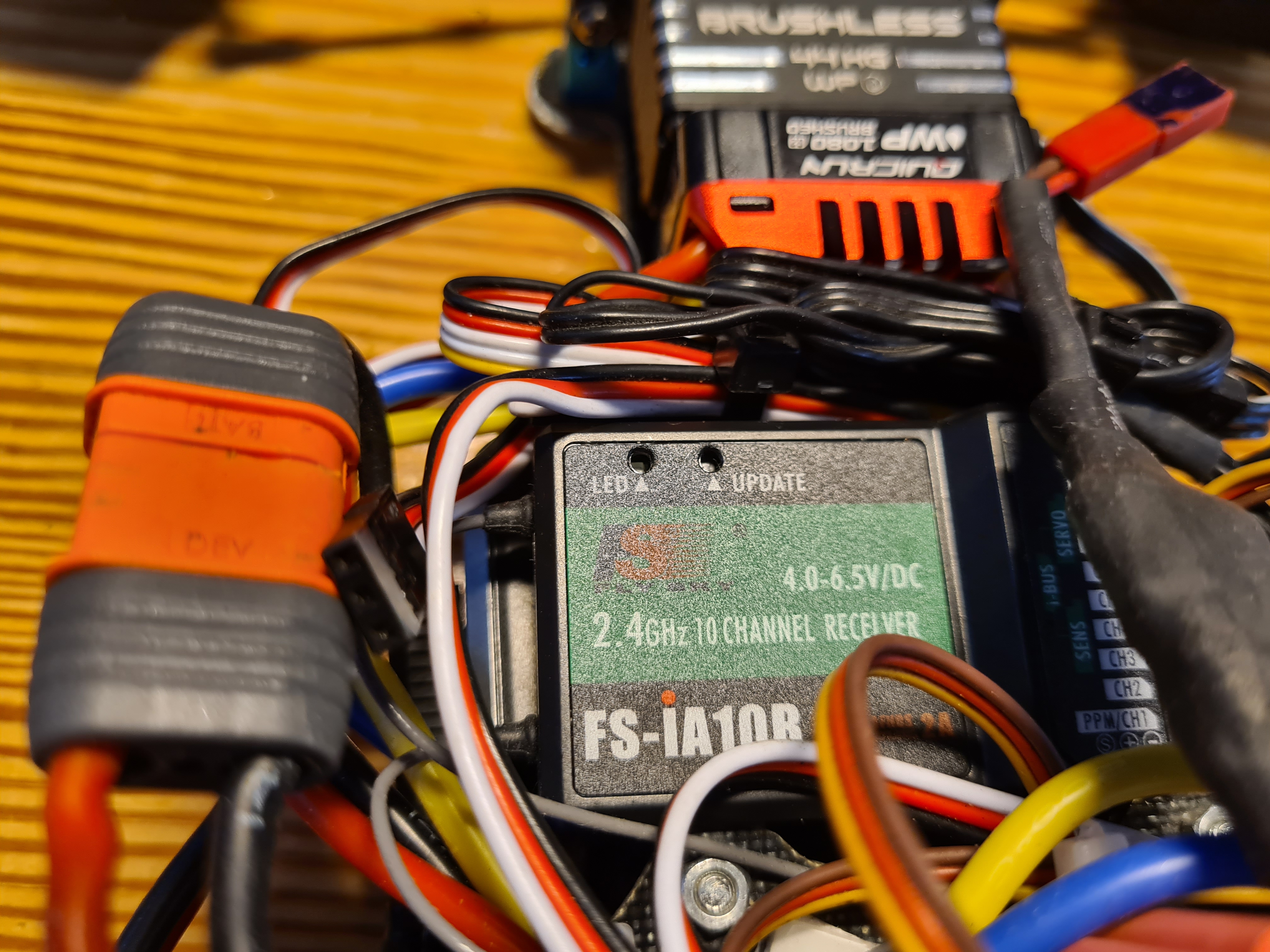
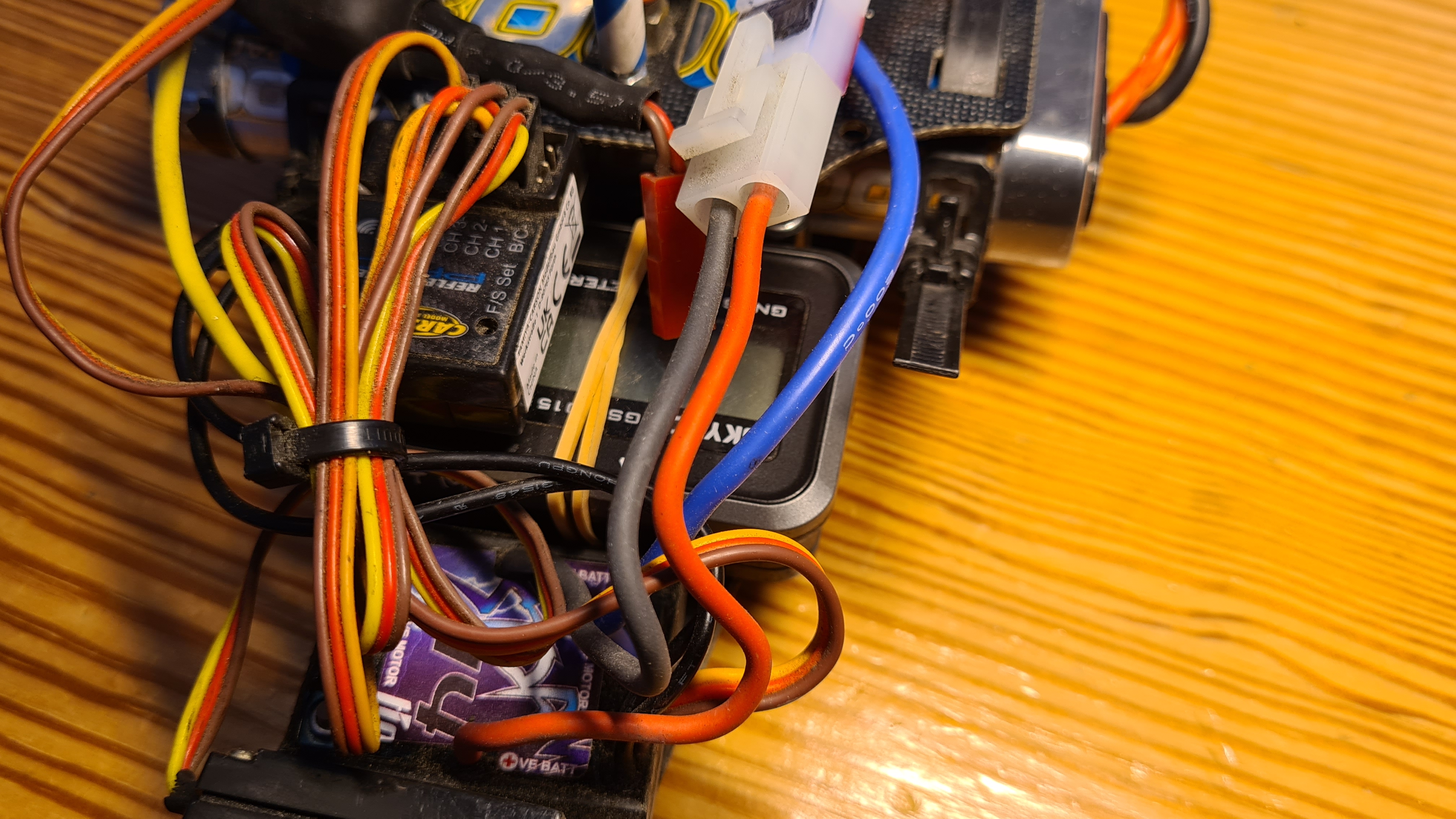
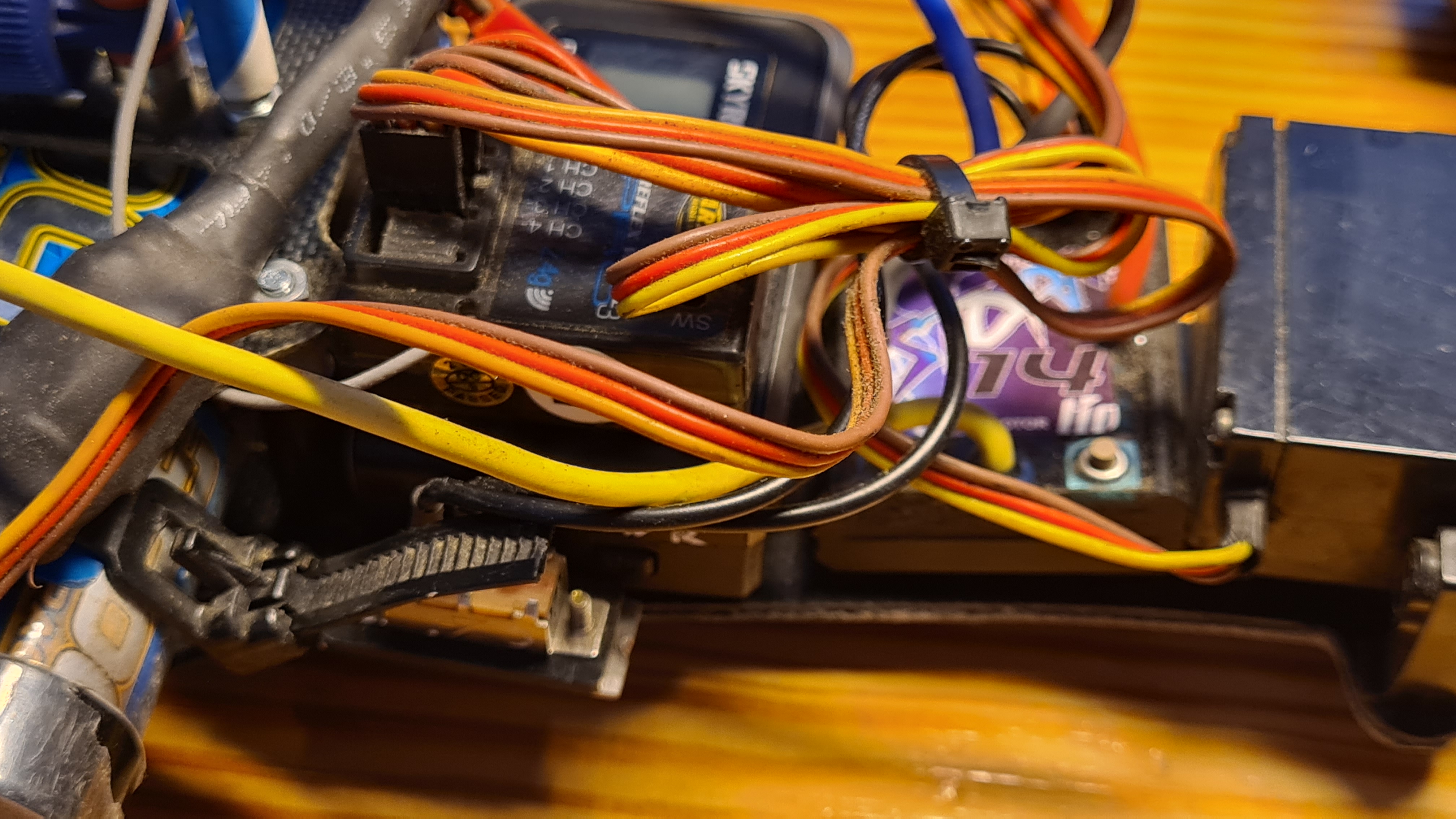
- Controlling the vehicle was done using a Reflex Stick Pro 3.1 LCD 2.4 GHz FHSS 4-channel transmitter and receiver (manual). I recently switched to a FlySky FS-i6X 10-channel 2.4 GHz AFHDS2A transmitter (manual, quick start) with a FlySky FS-iA10B 2.4 GHz 10-channel receiver (6-channel manual). In order to monitor the state of the LiPo battery, the car was equipped with a FlySky FS-CVT01 voltage sensor that sends telemetry back to the transmitter for real-time monitoring.
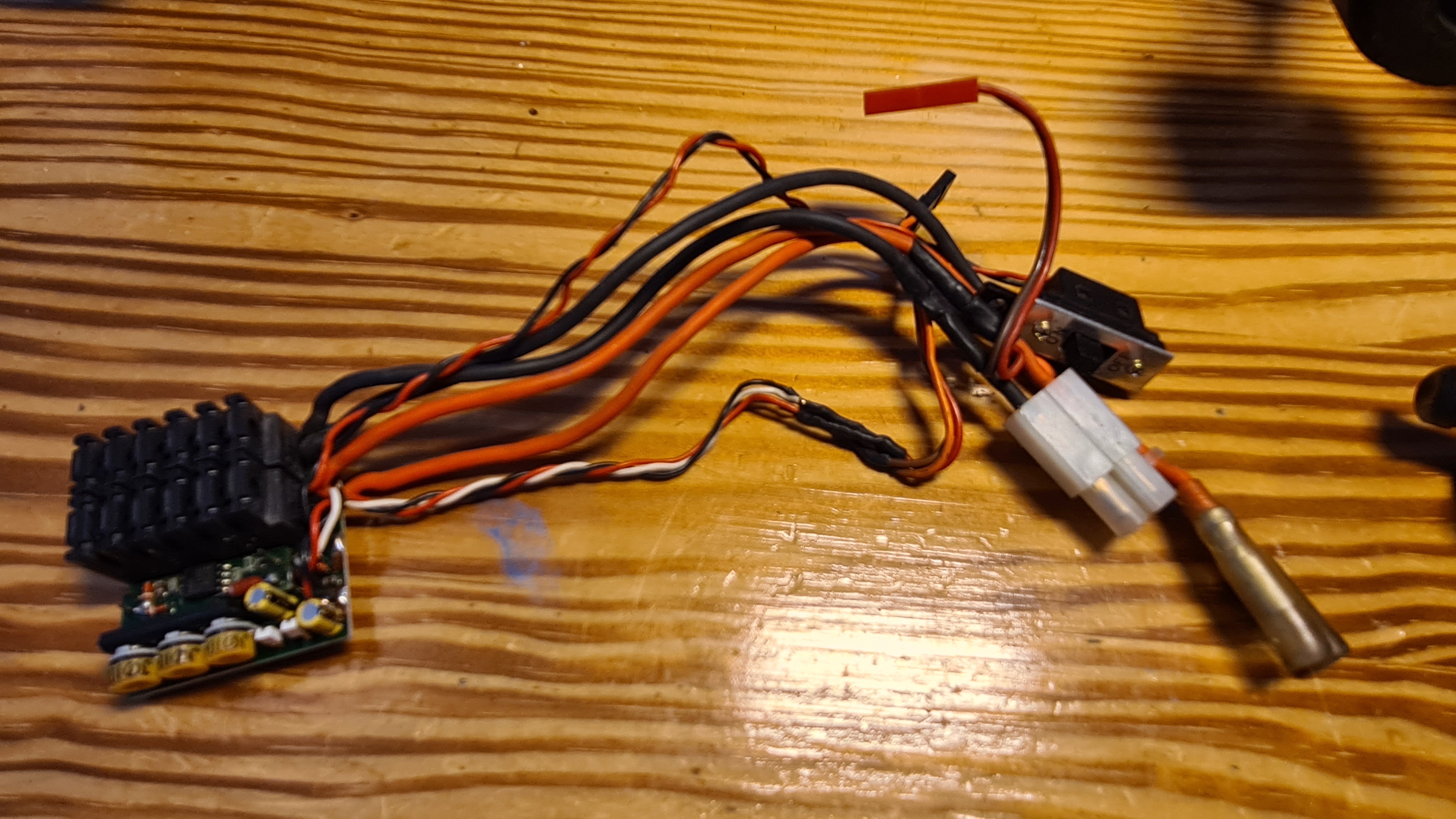
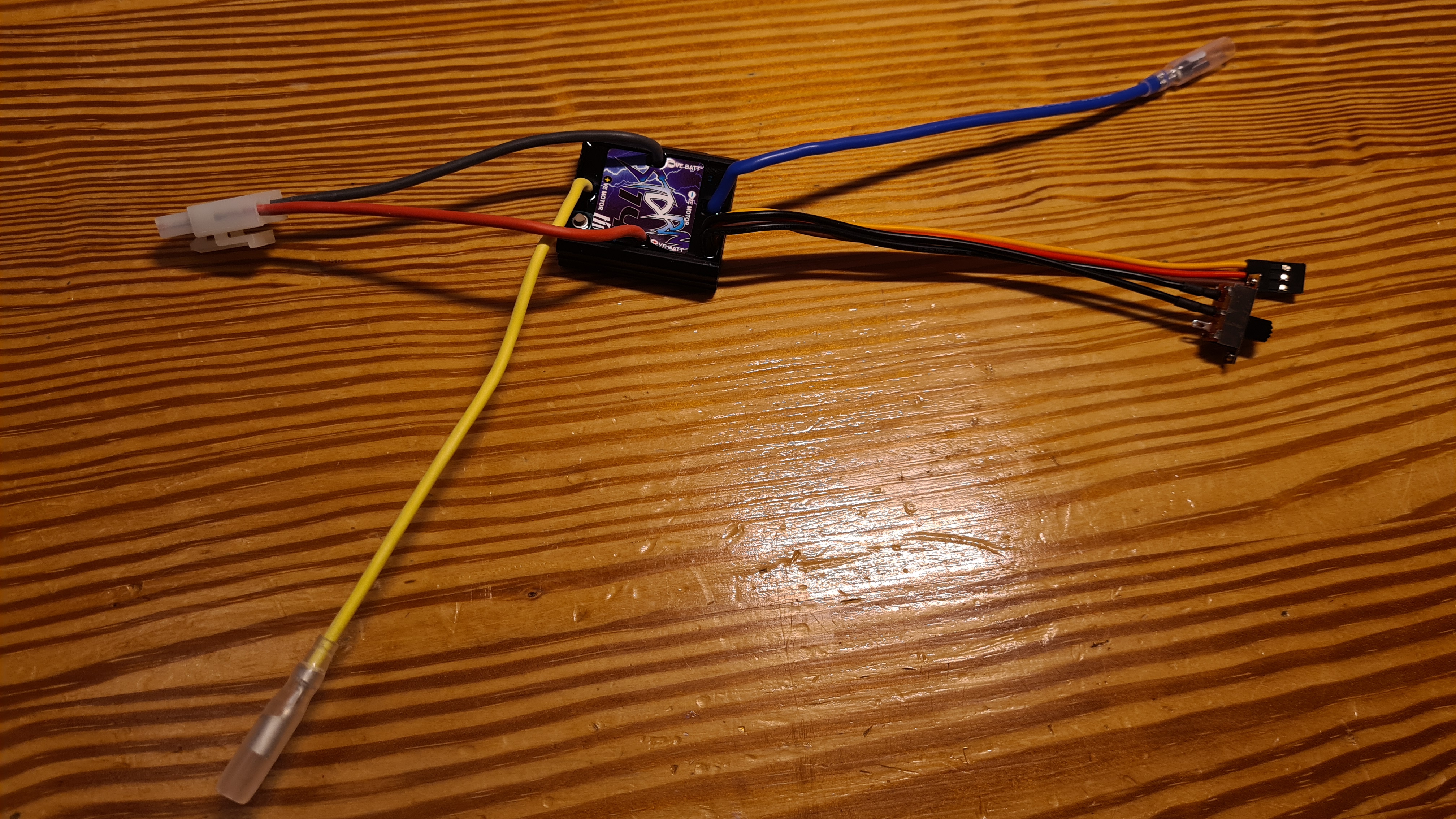
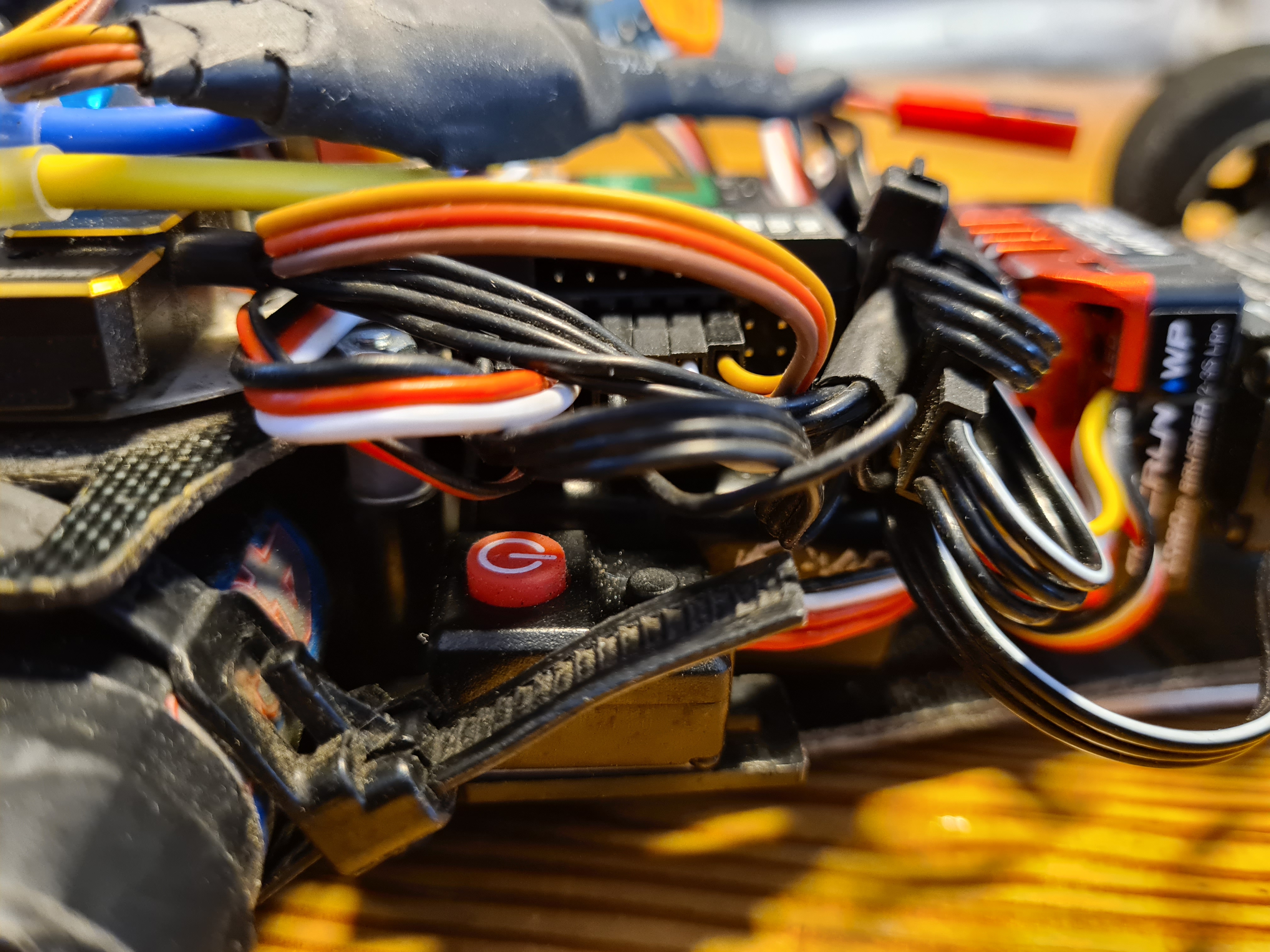
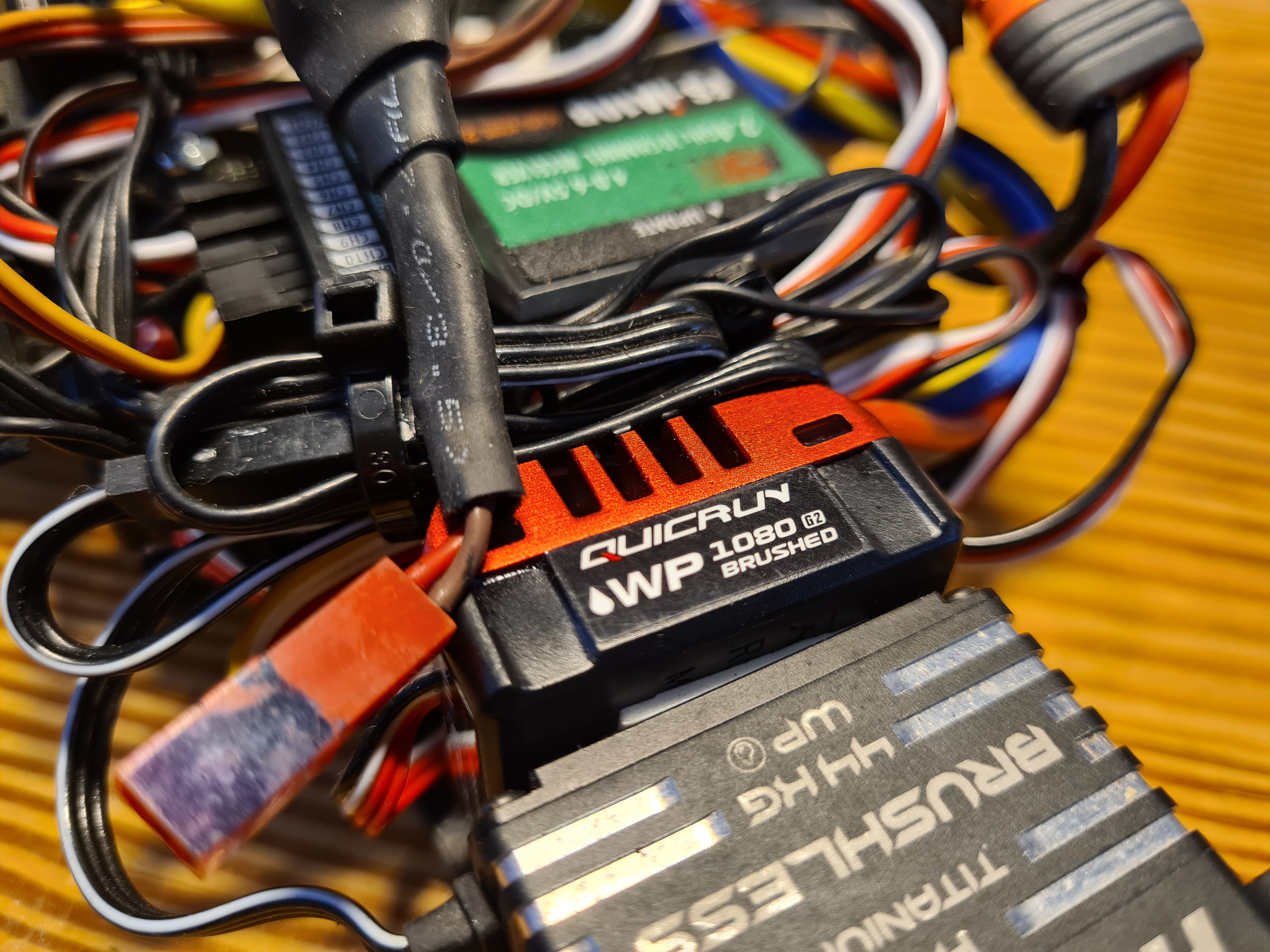
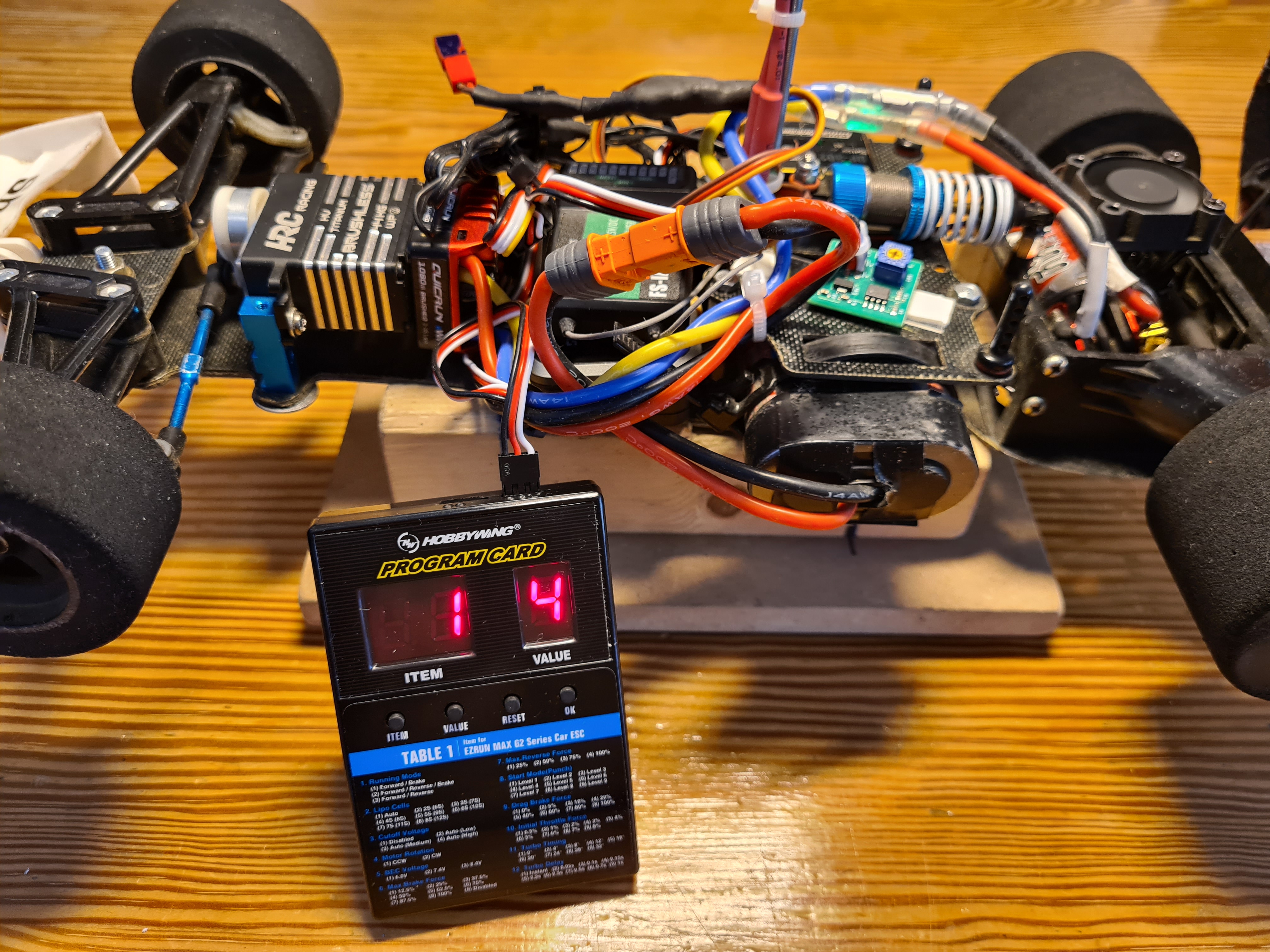
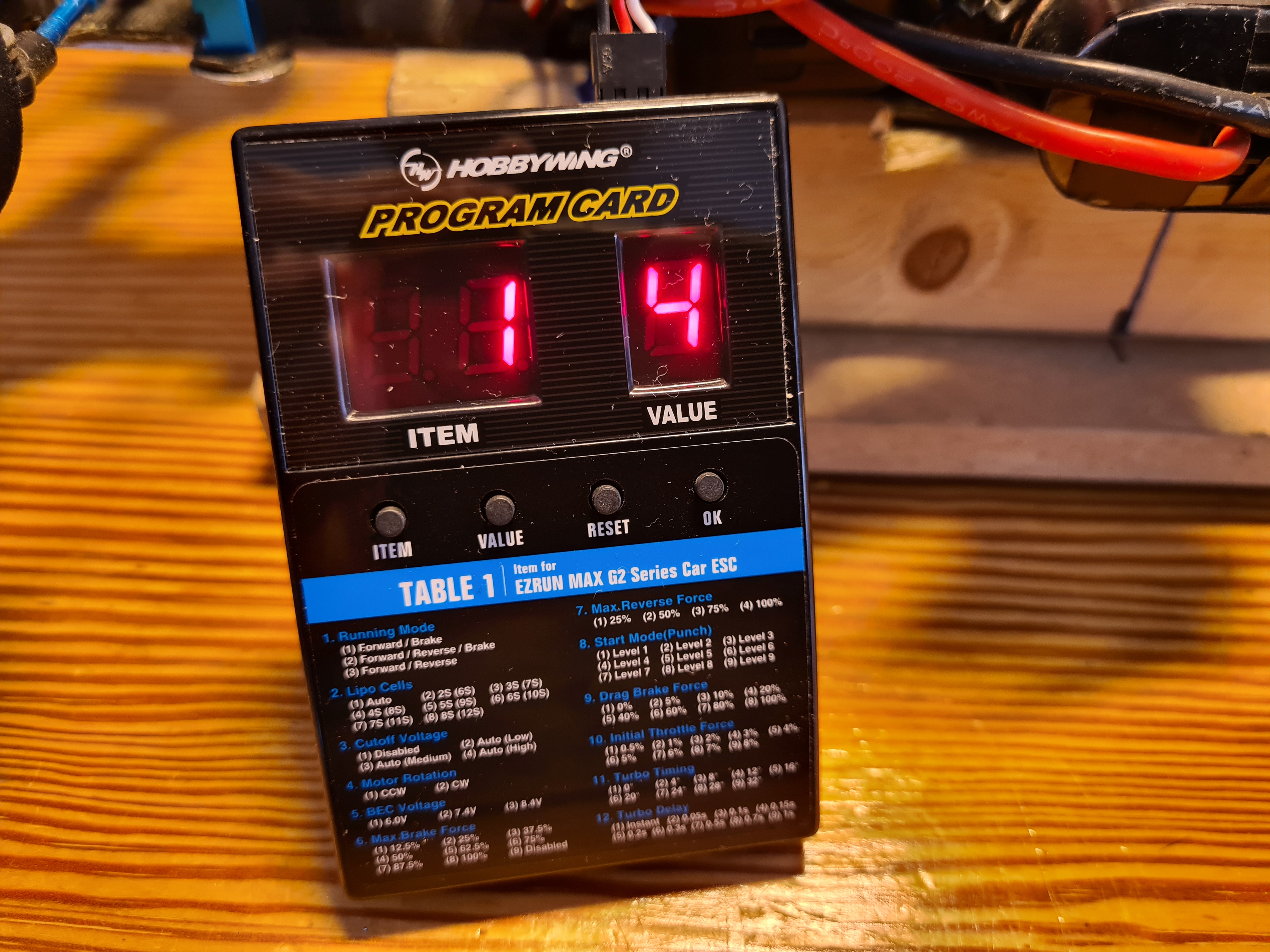
- An Mtroniks tio Storm 14 electronic speed controller was initially installed, but later replaced with a Hobbywing QuicRun WP 1080 G2 ESC (manual, leaflet). The latter is also programmable via a LED program card (overview).
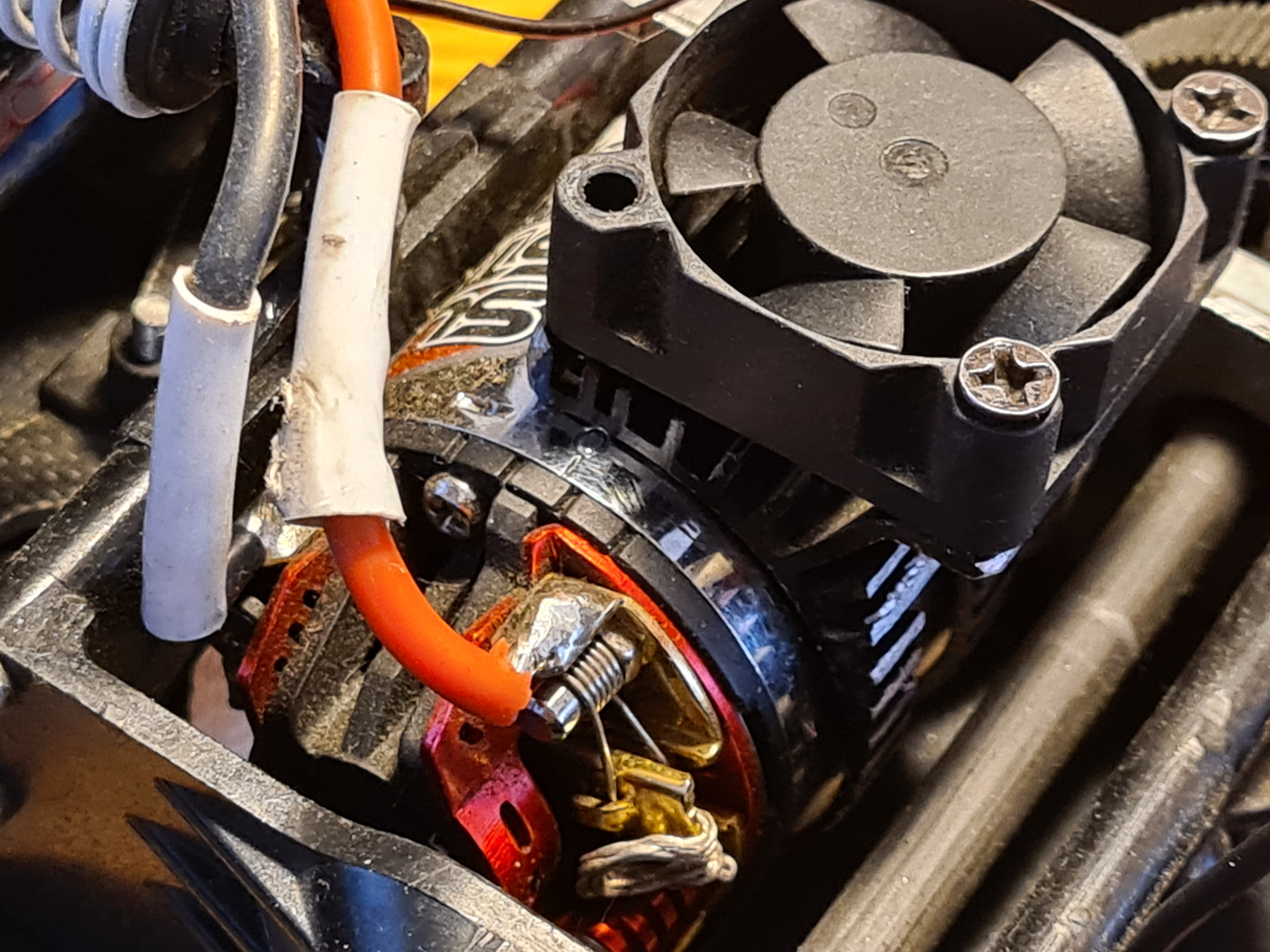
- The default 540 motor (27T, brushed, 14000 RPM) can now be swapped for:
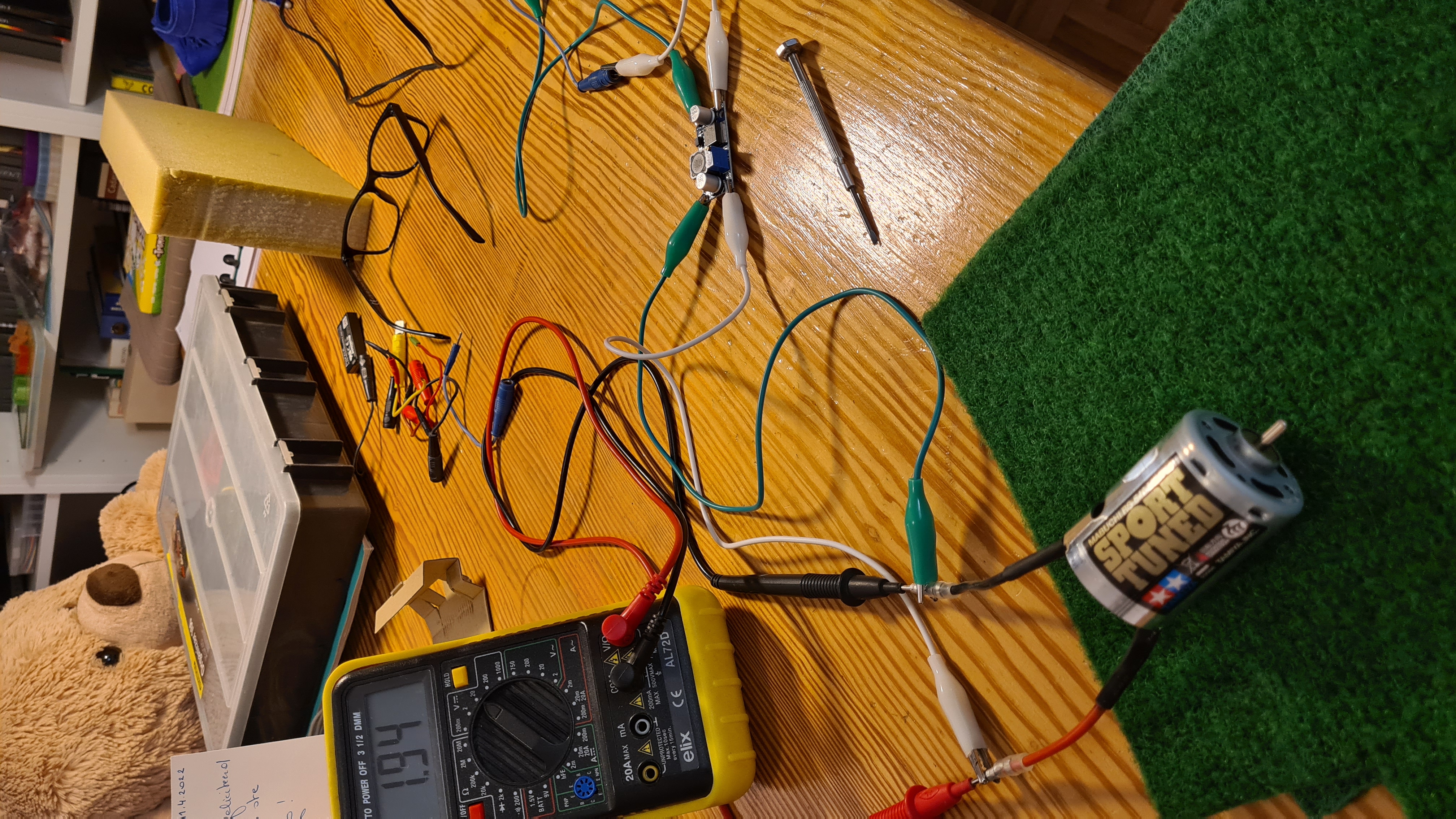
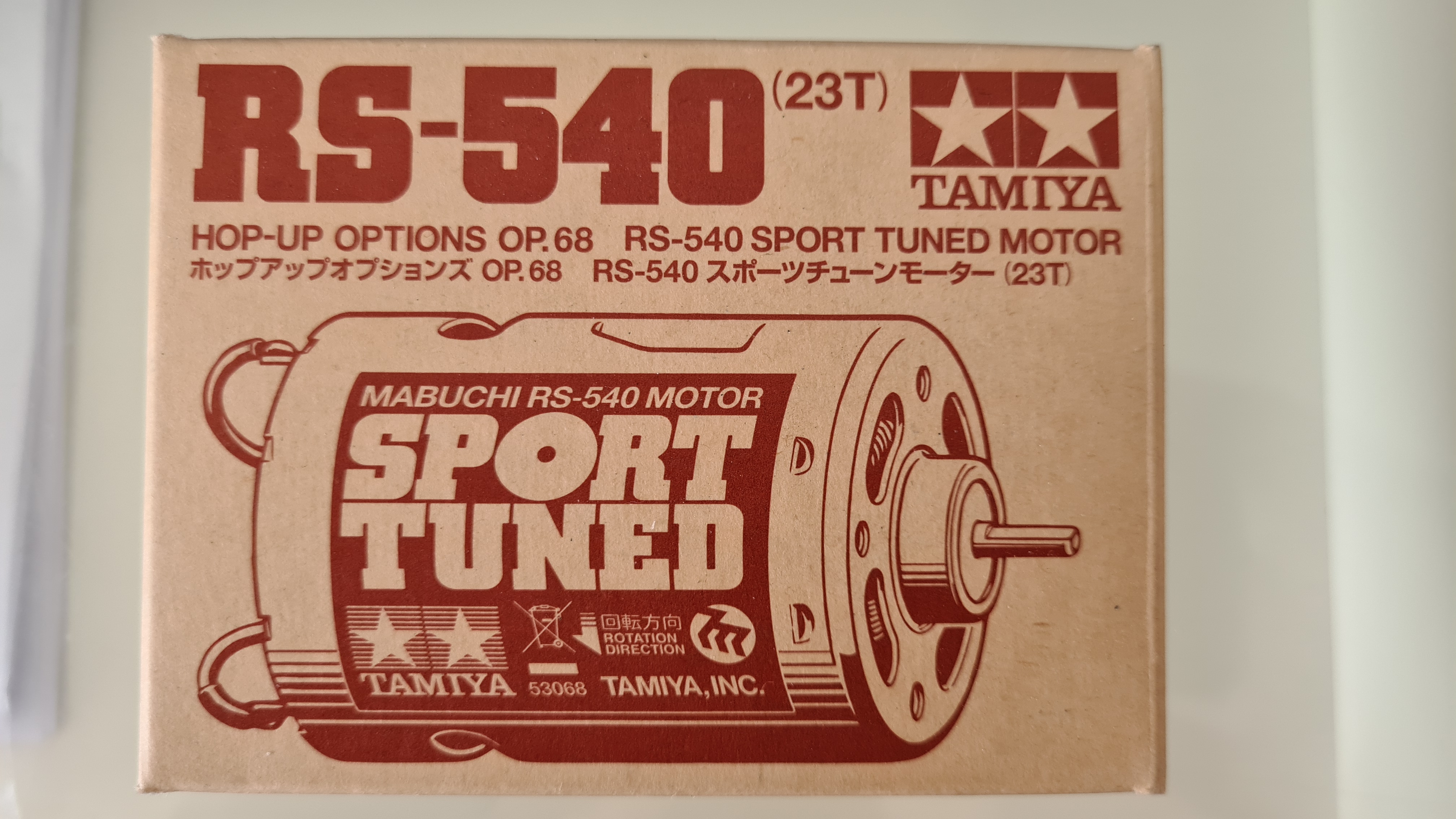
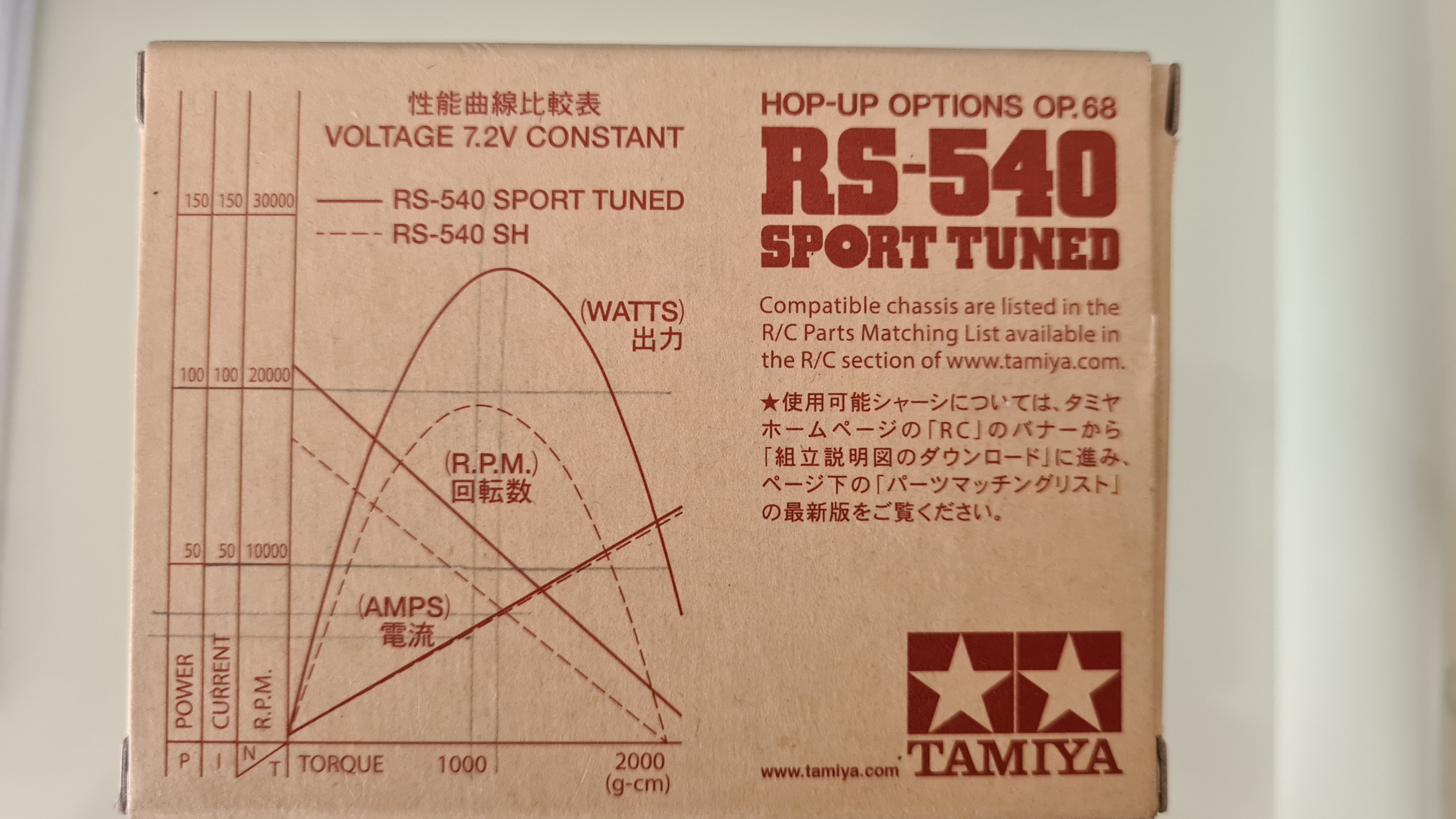
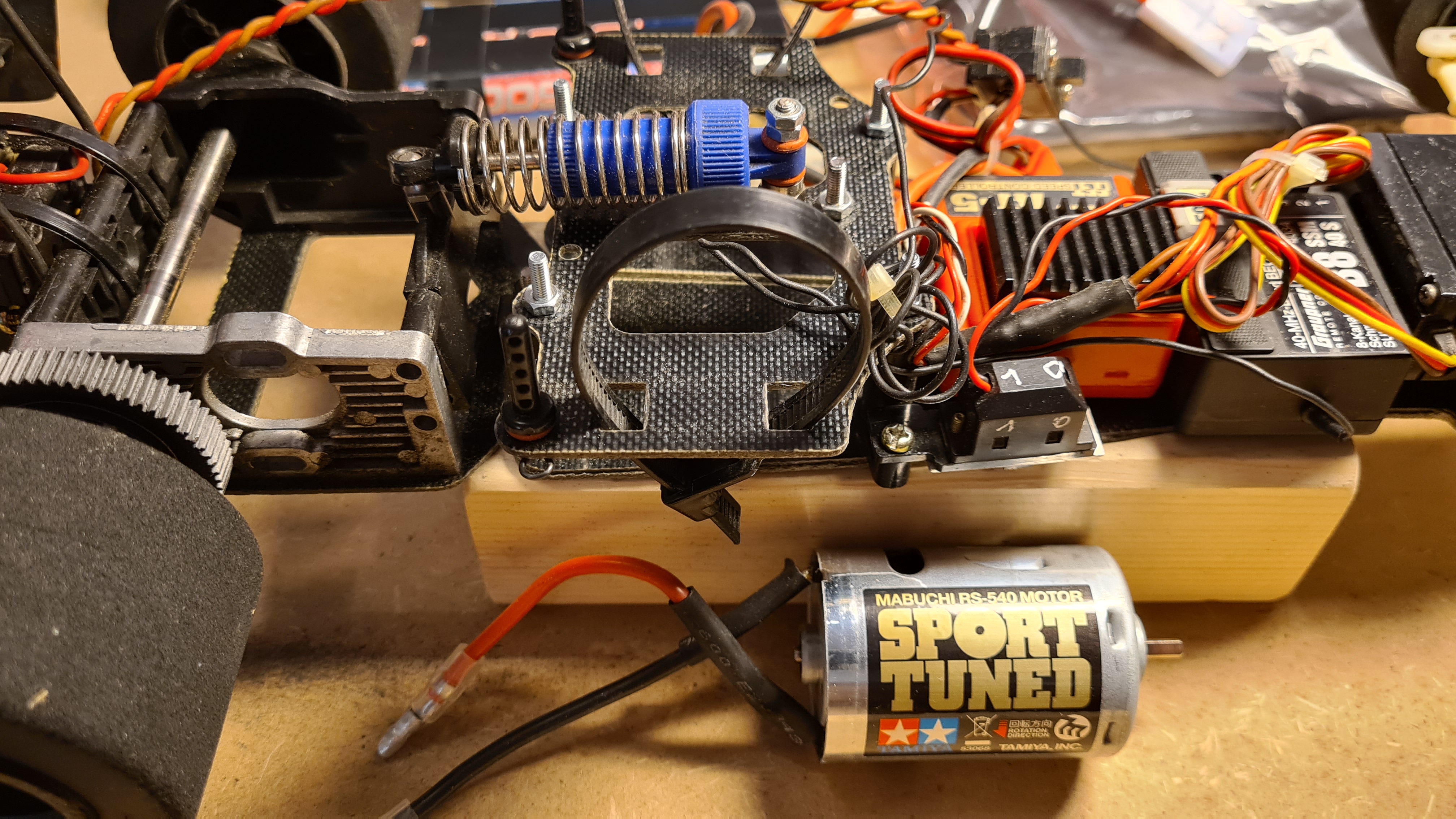
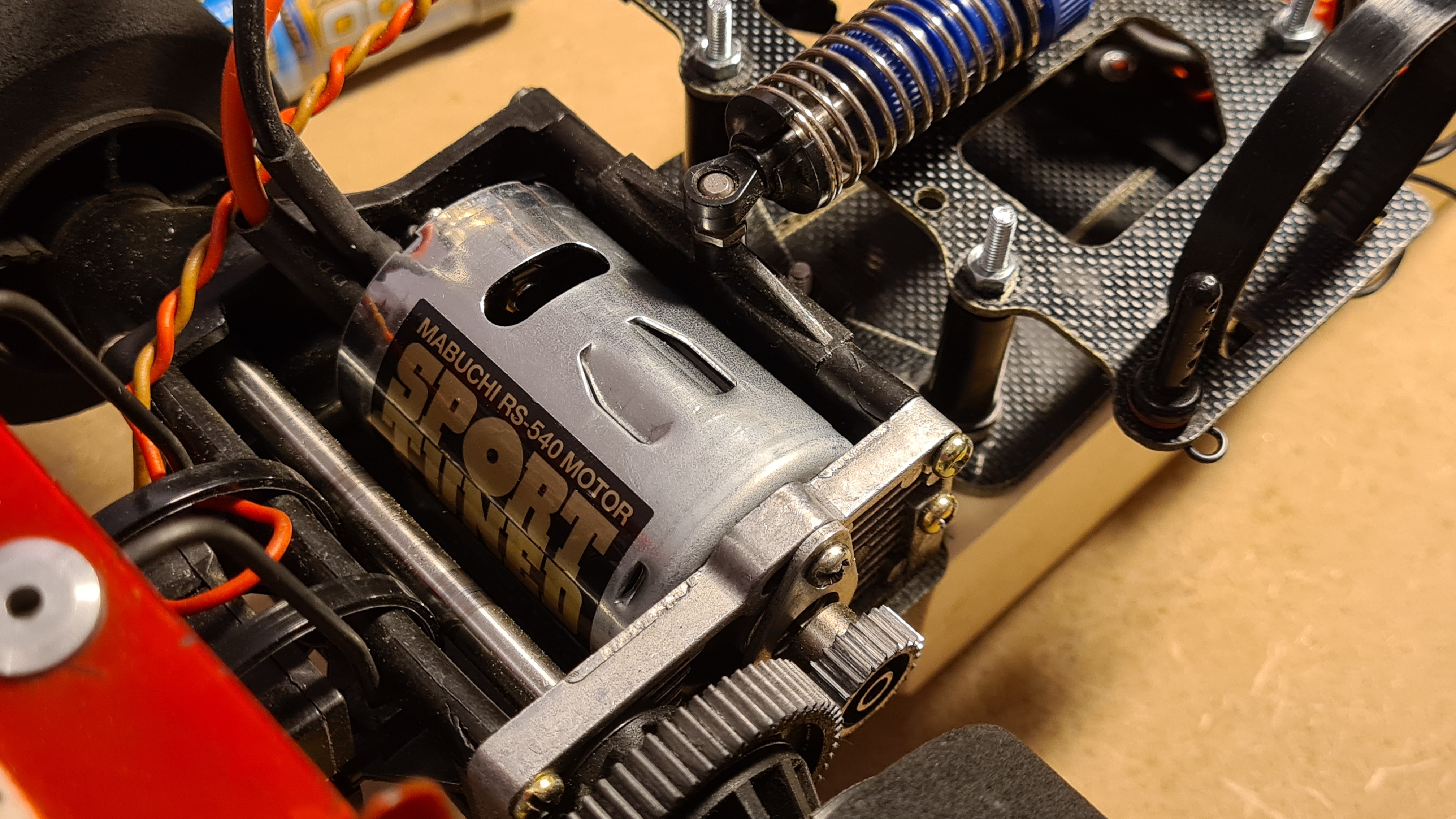
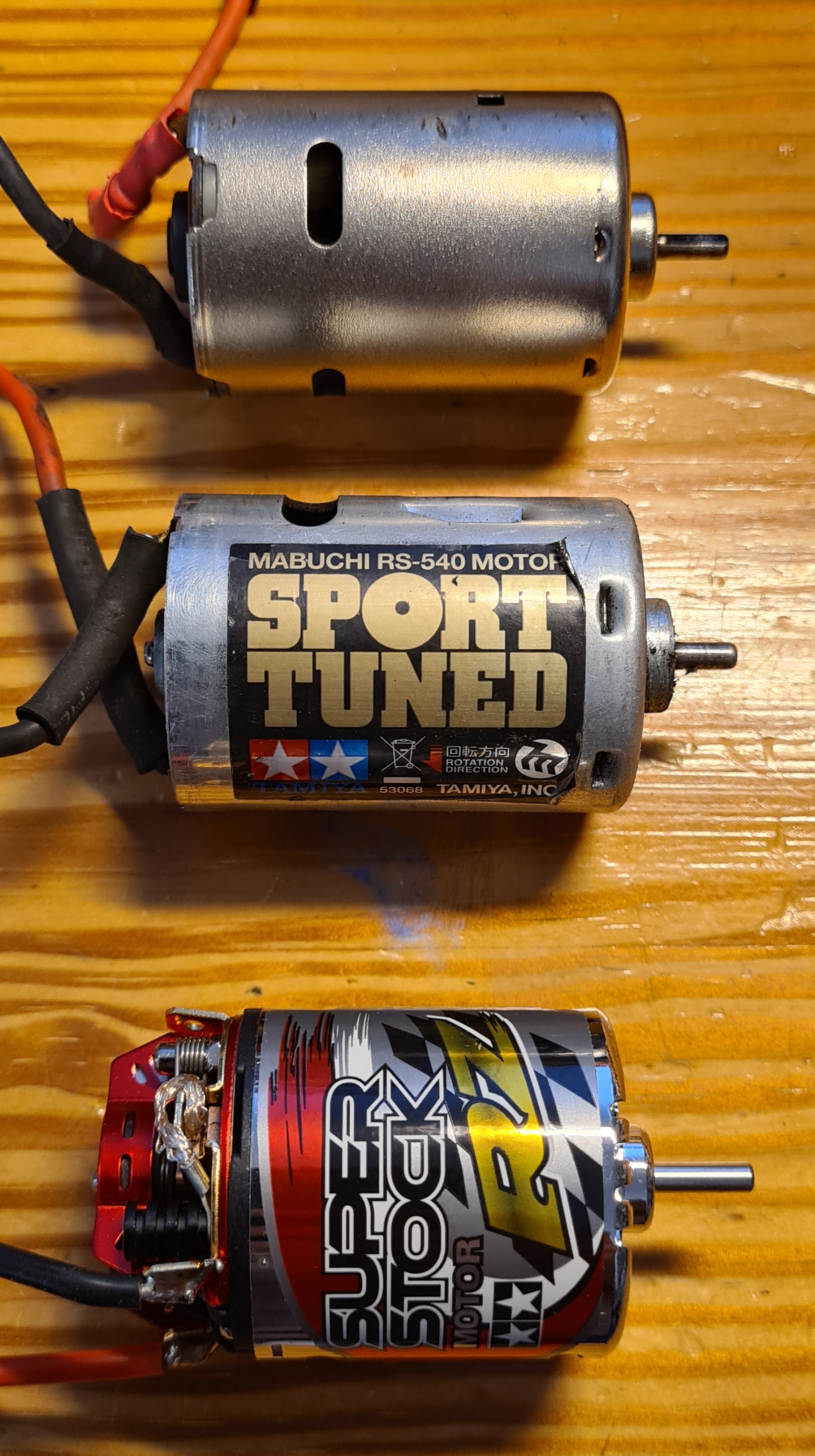
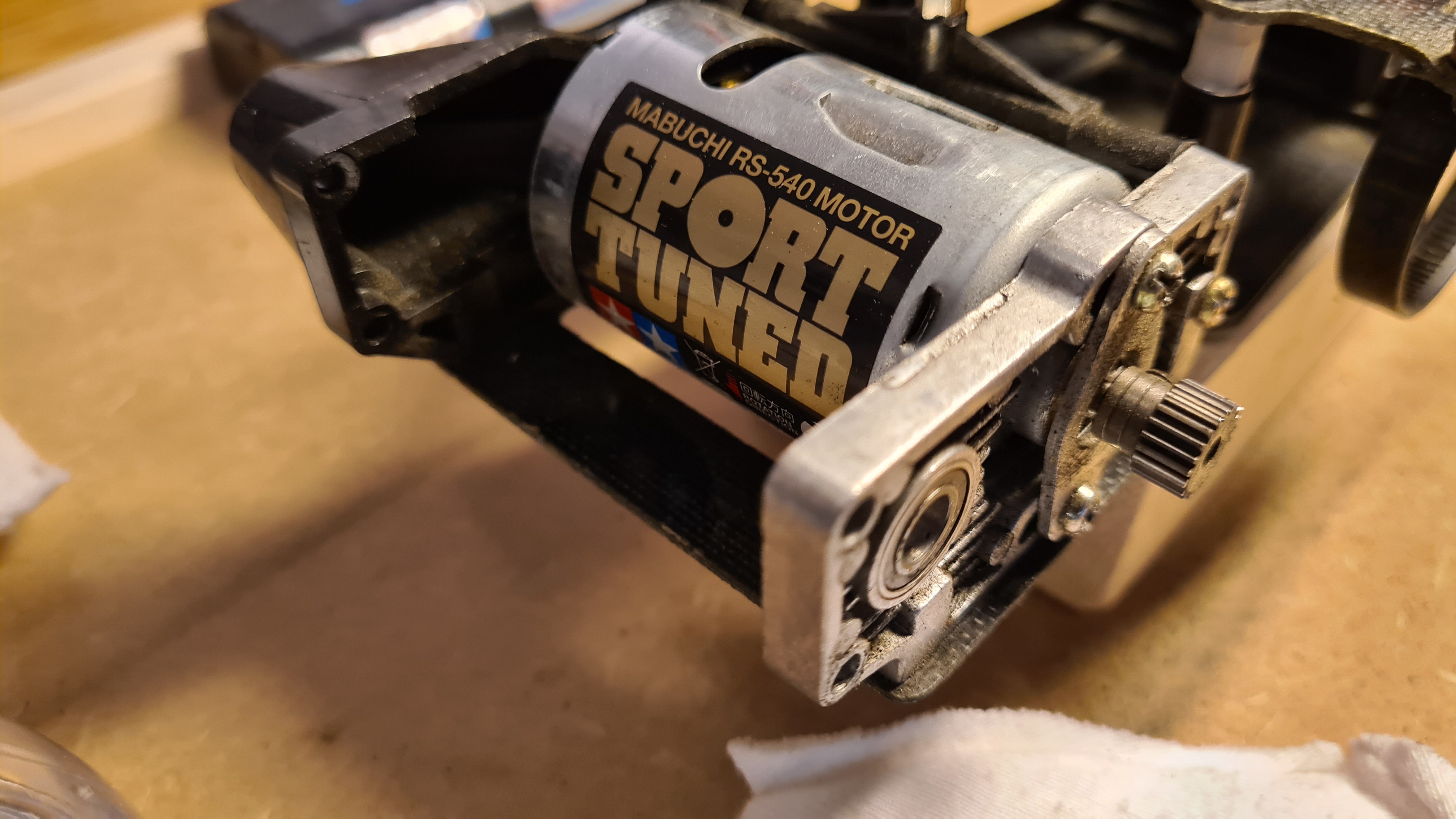
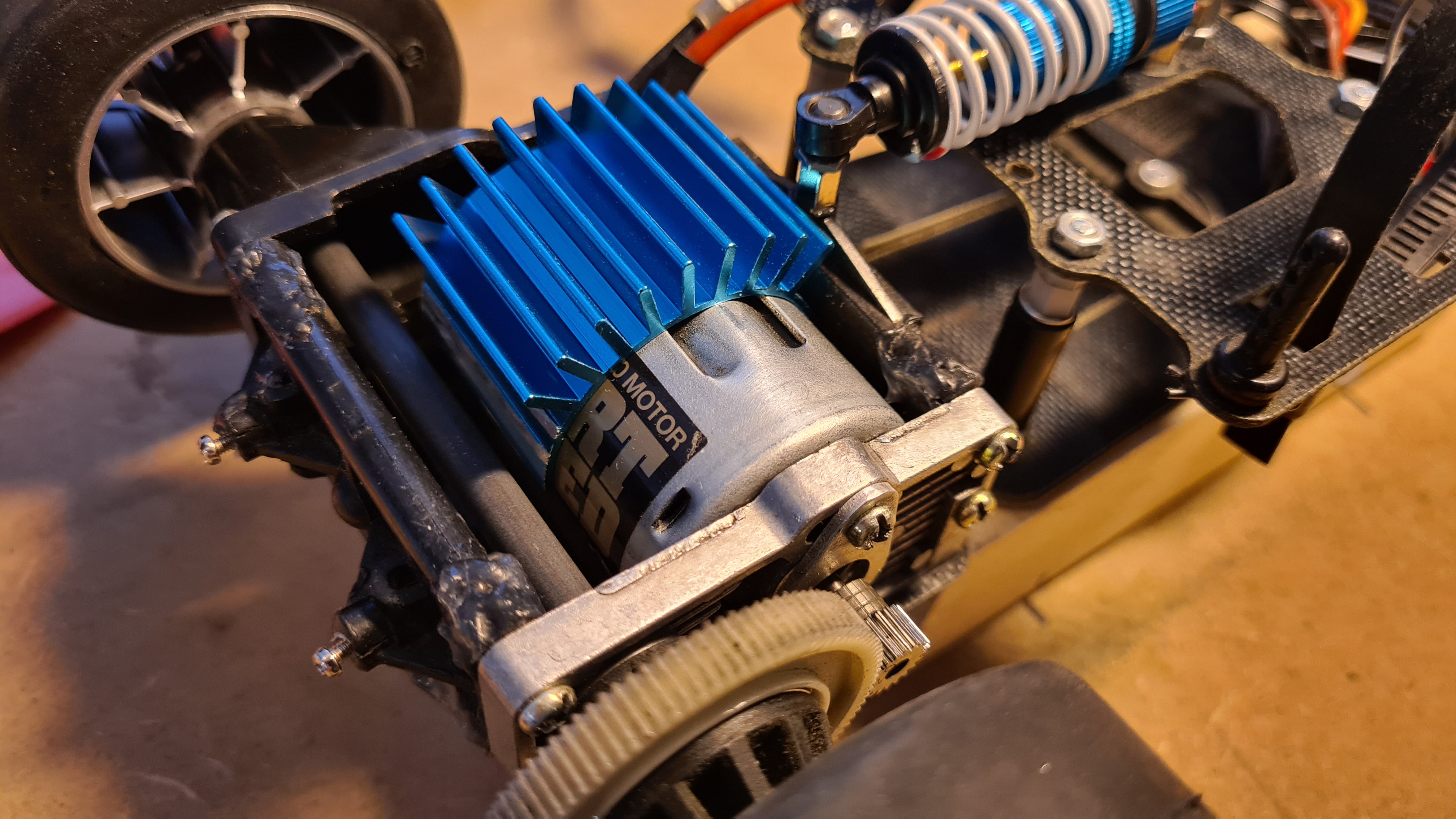
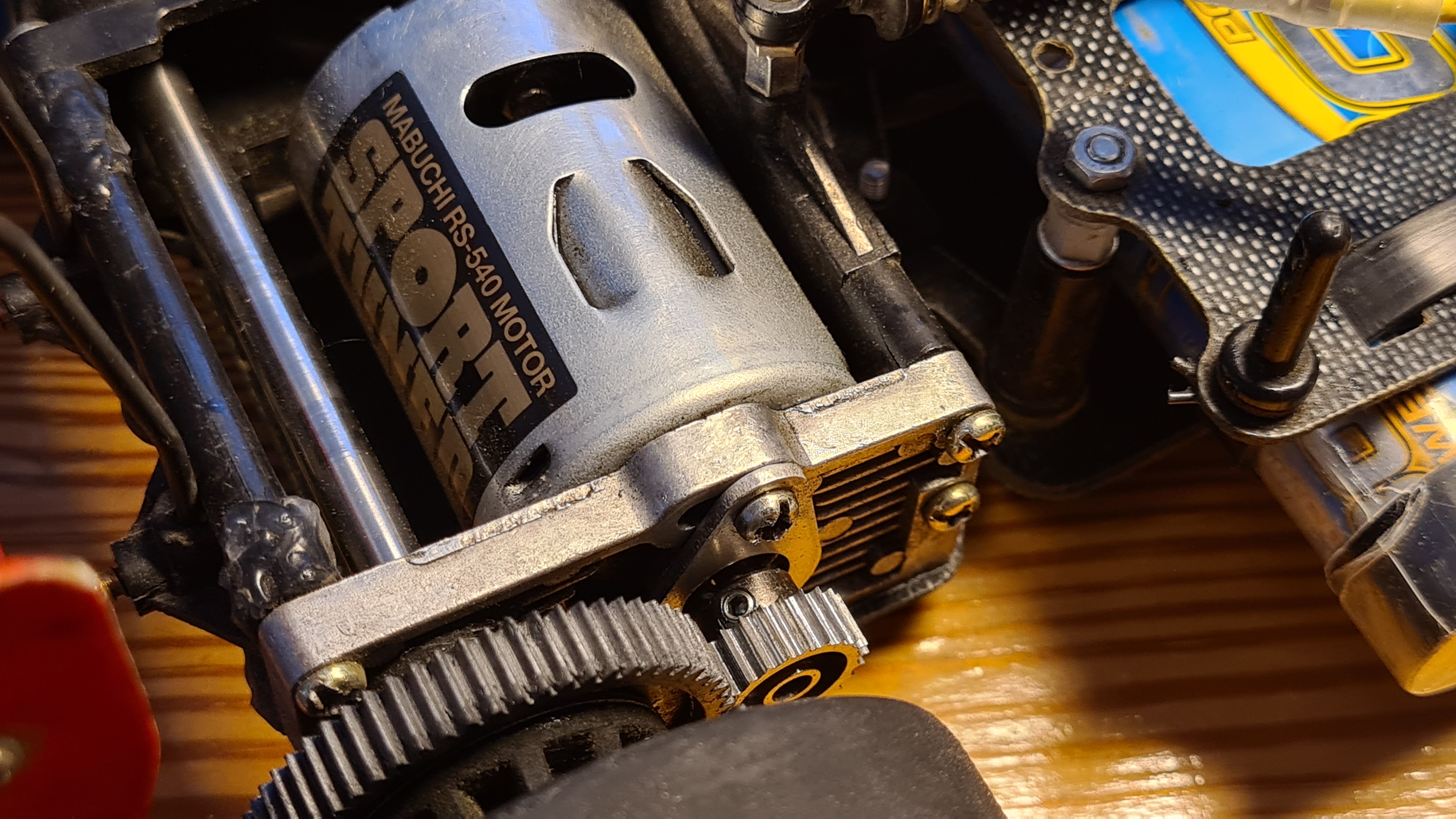
- Mabuchi Sport Tuned RS-540 motor (silver can, 23T, brushed, 18300 RPM)
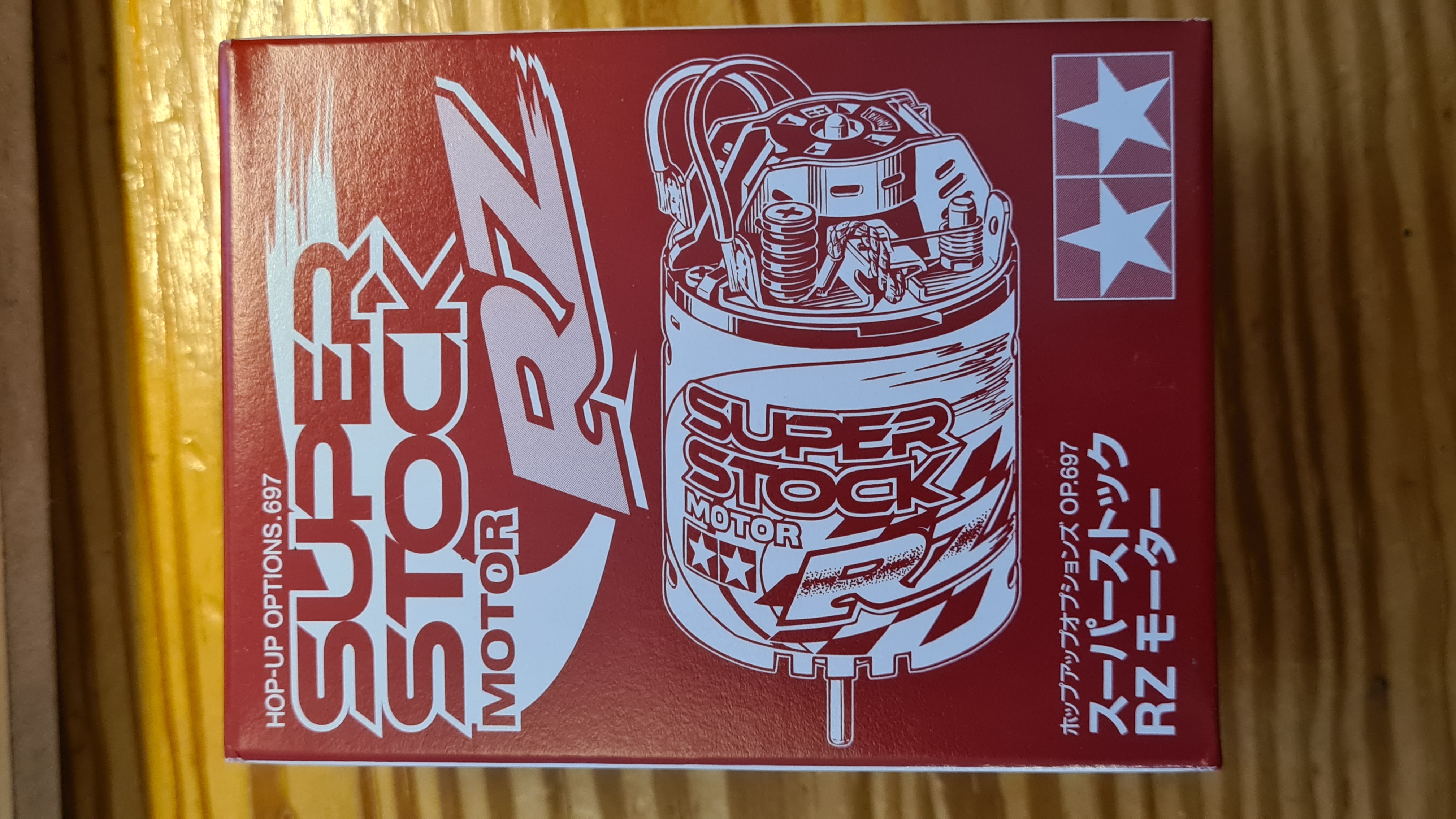
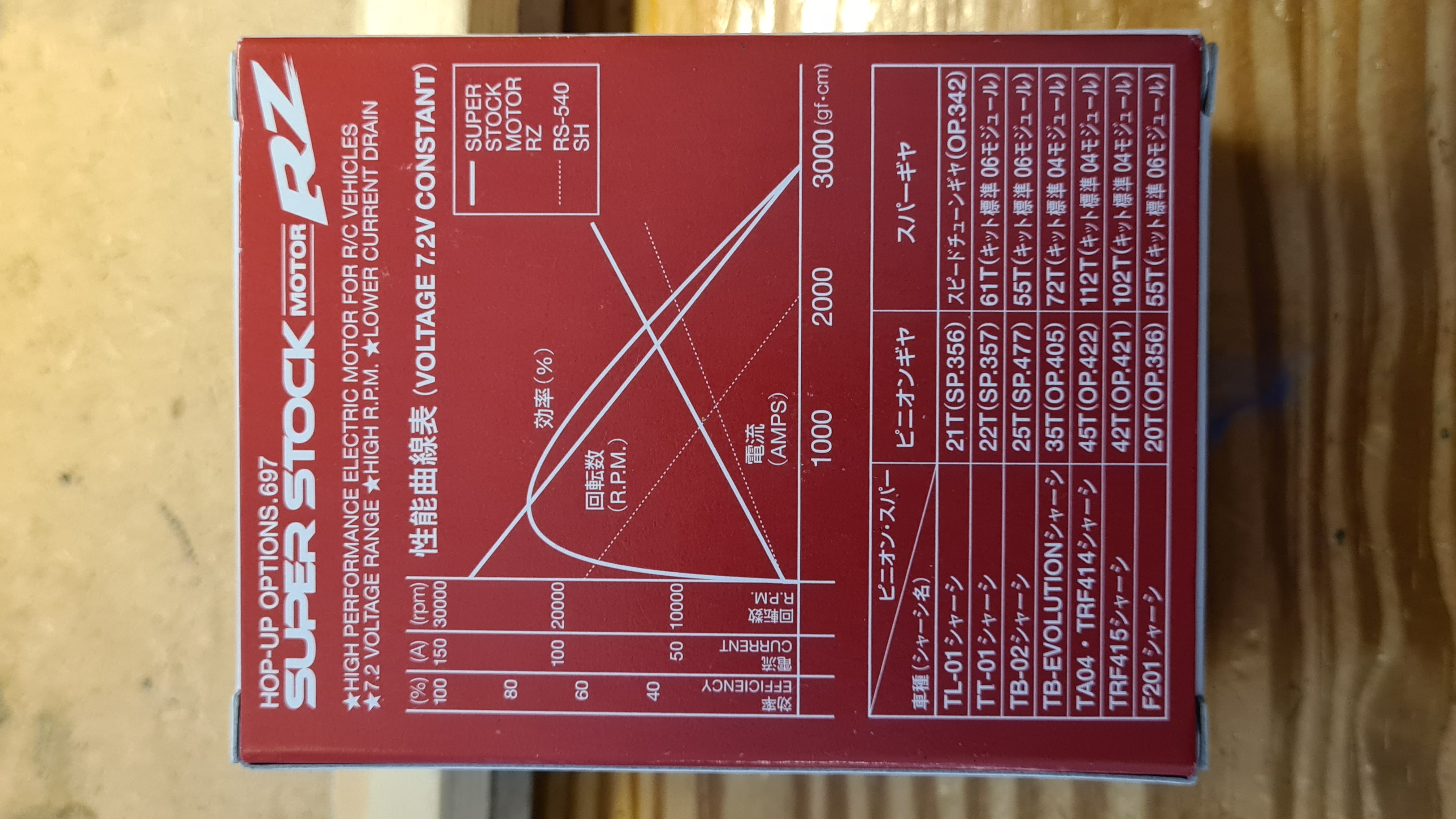
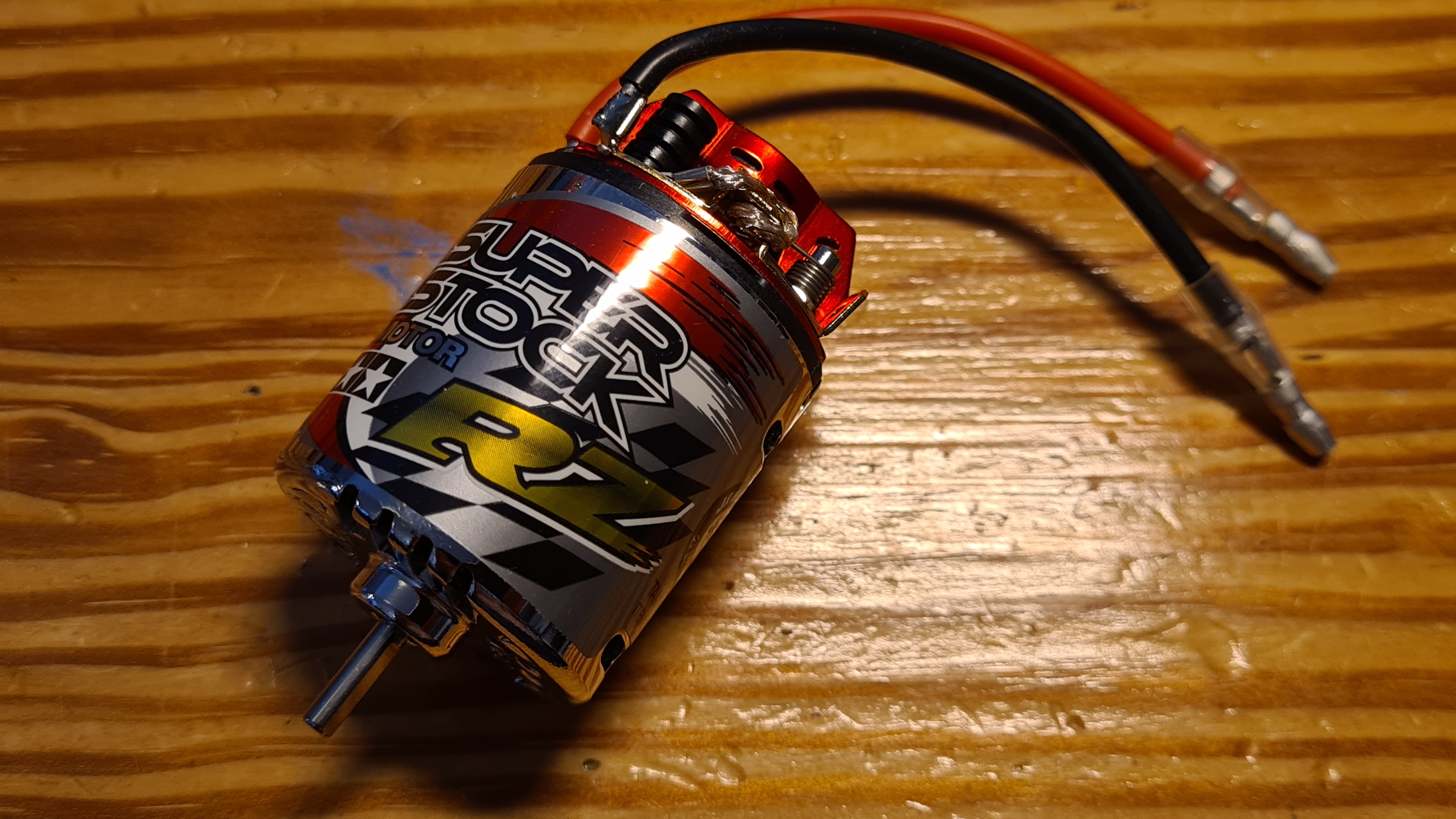
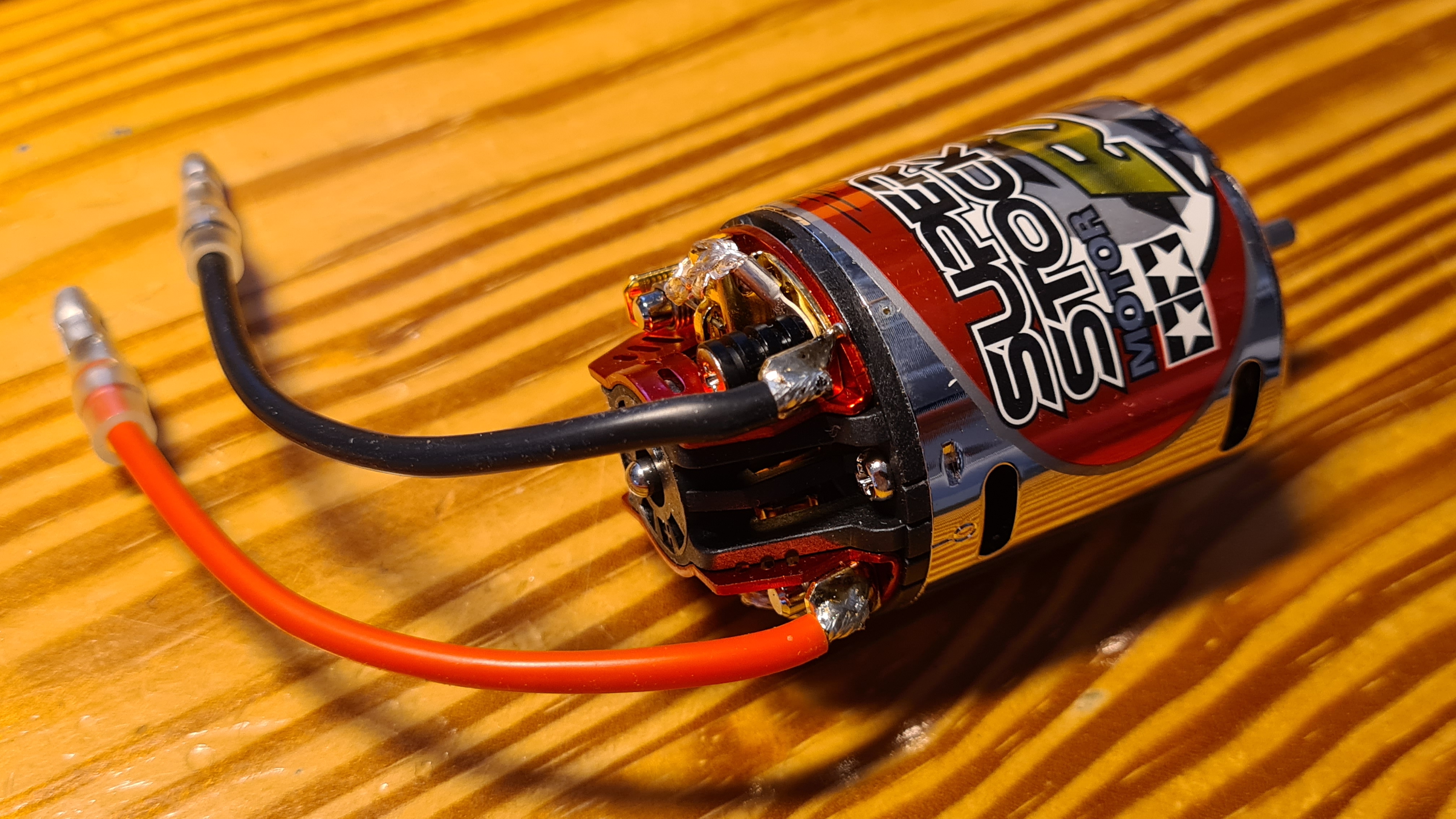
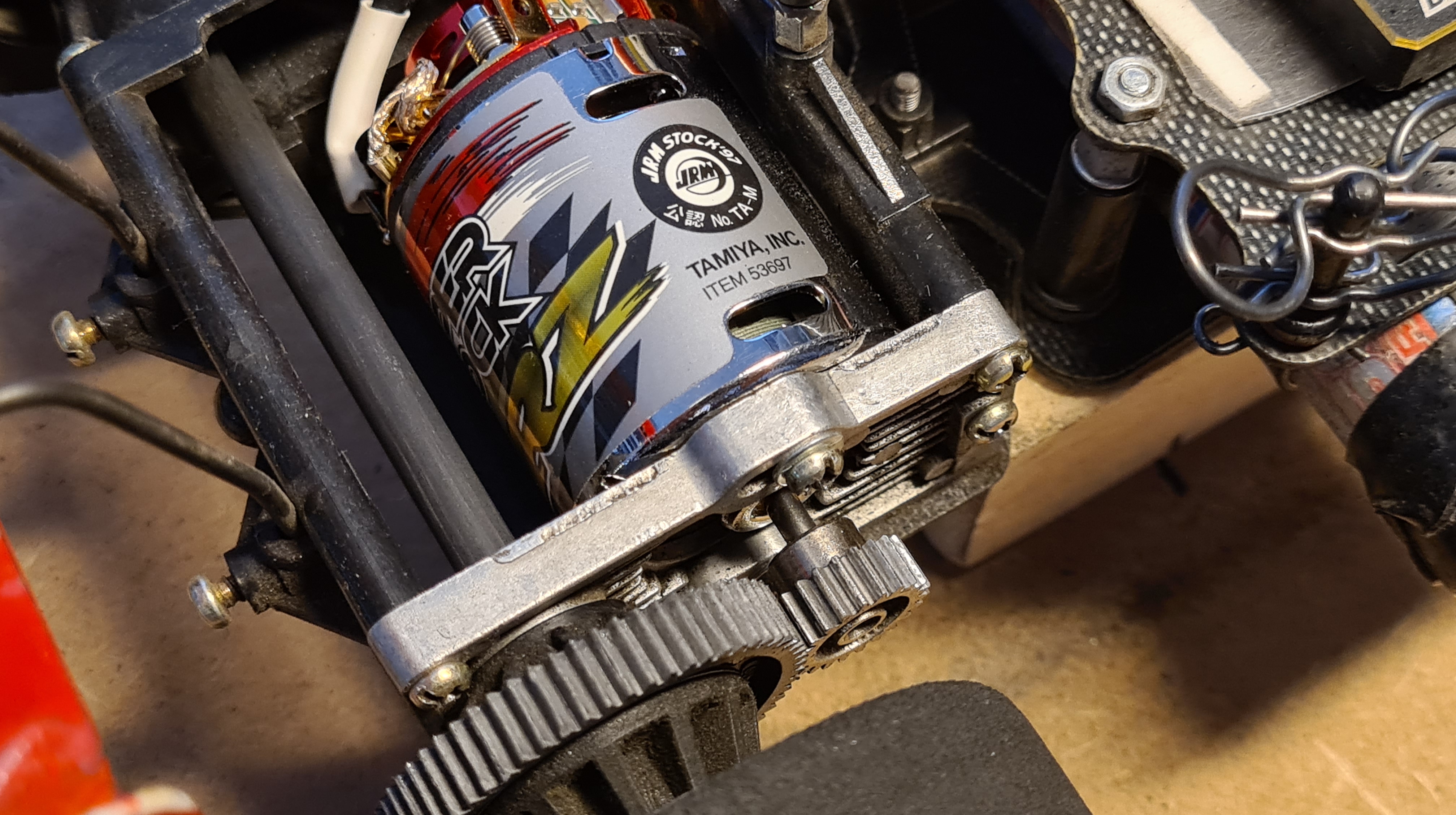
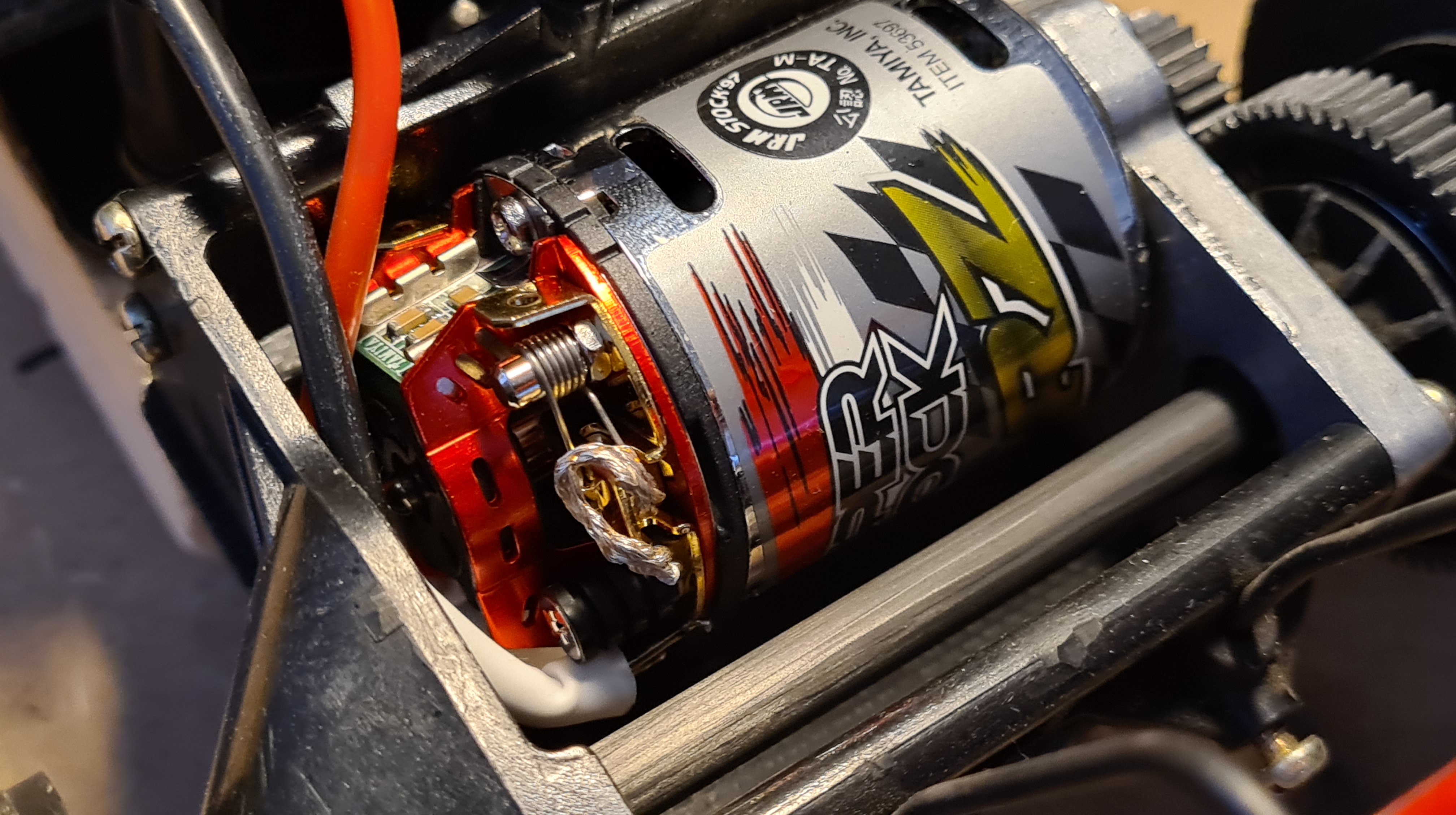
- Super Stock RZ motor (23T, brushed, 27500 RPM) (manual)
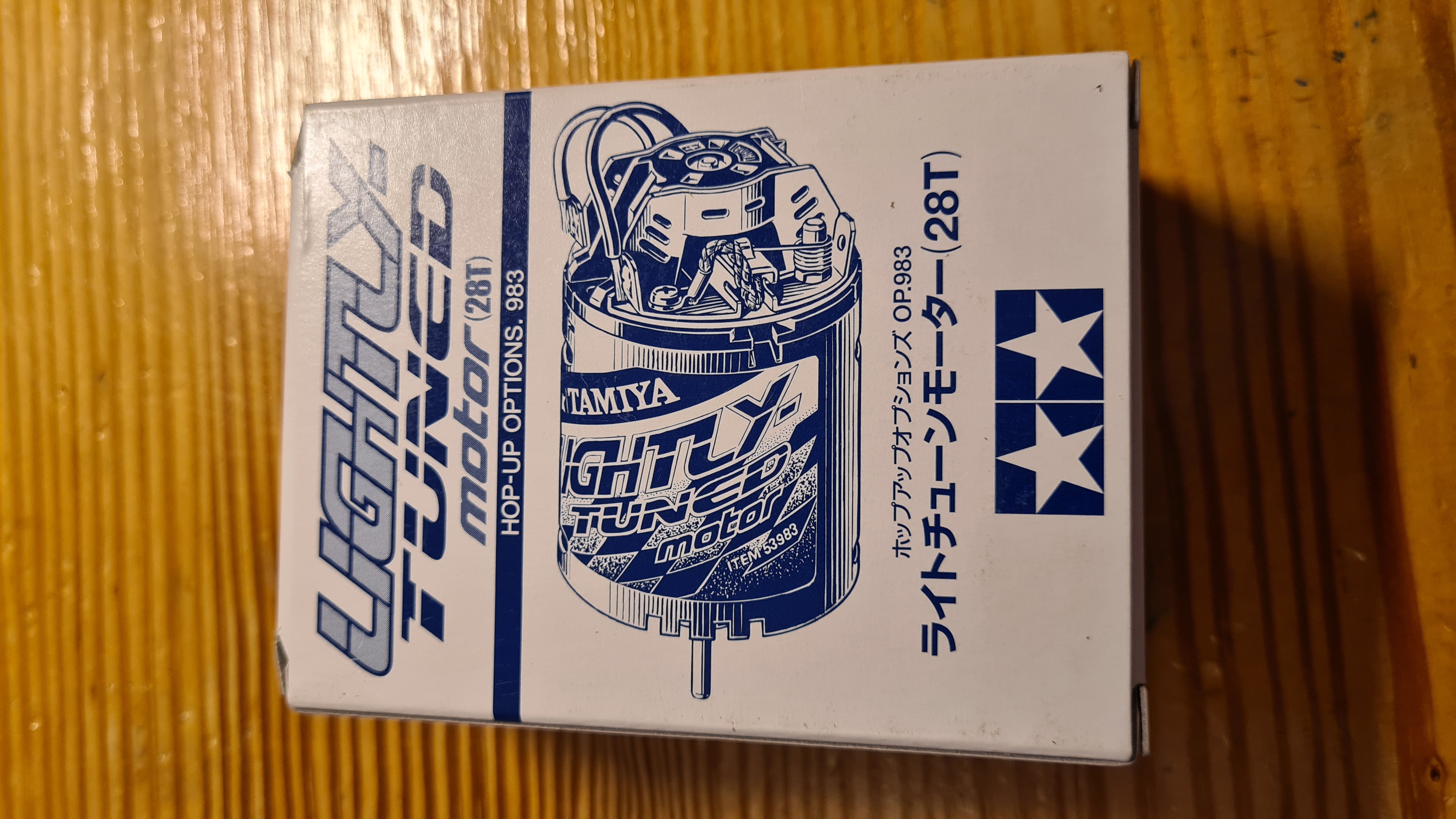
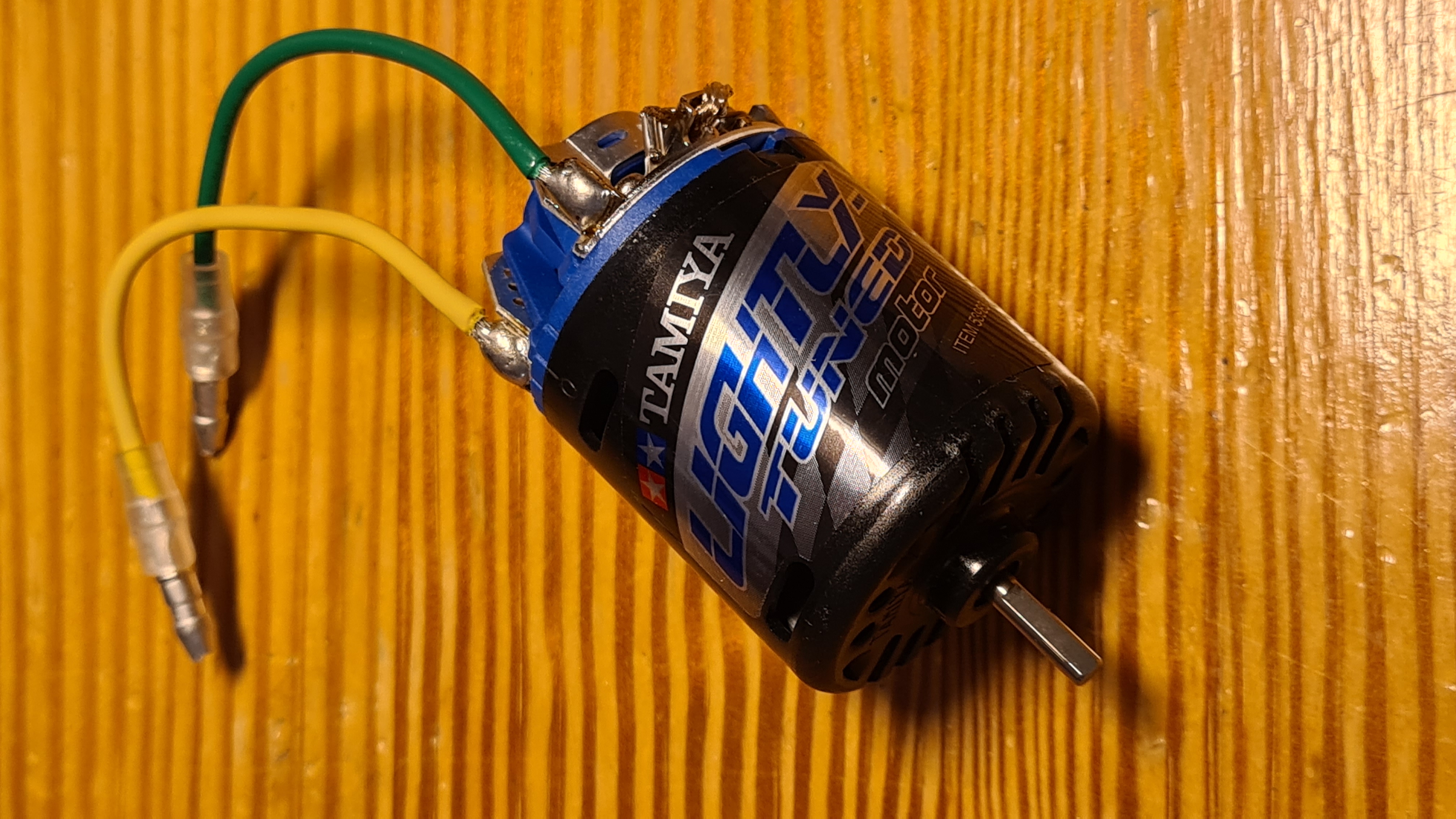
- Lightly-Tuned motor (28T, brushed, 16300 RPM) (manual)
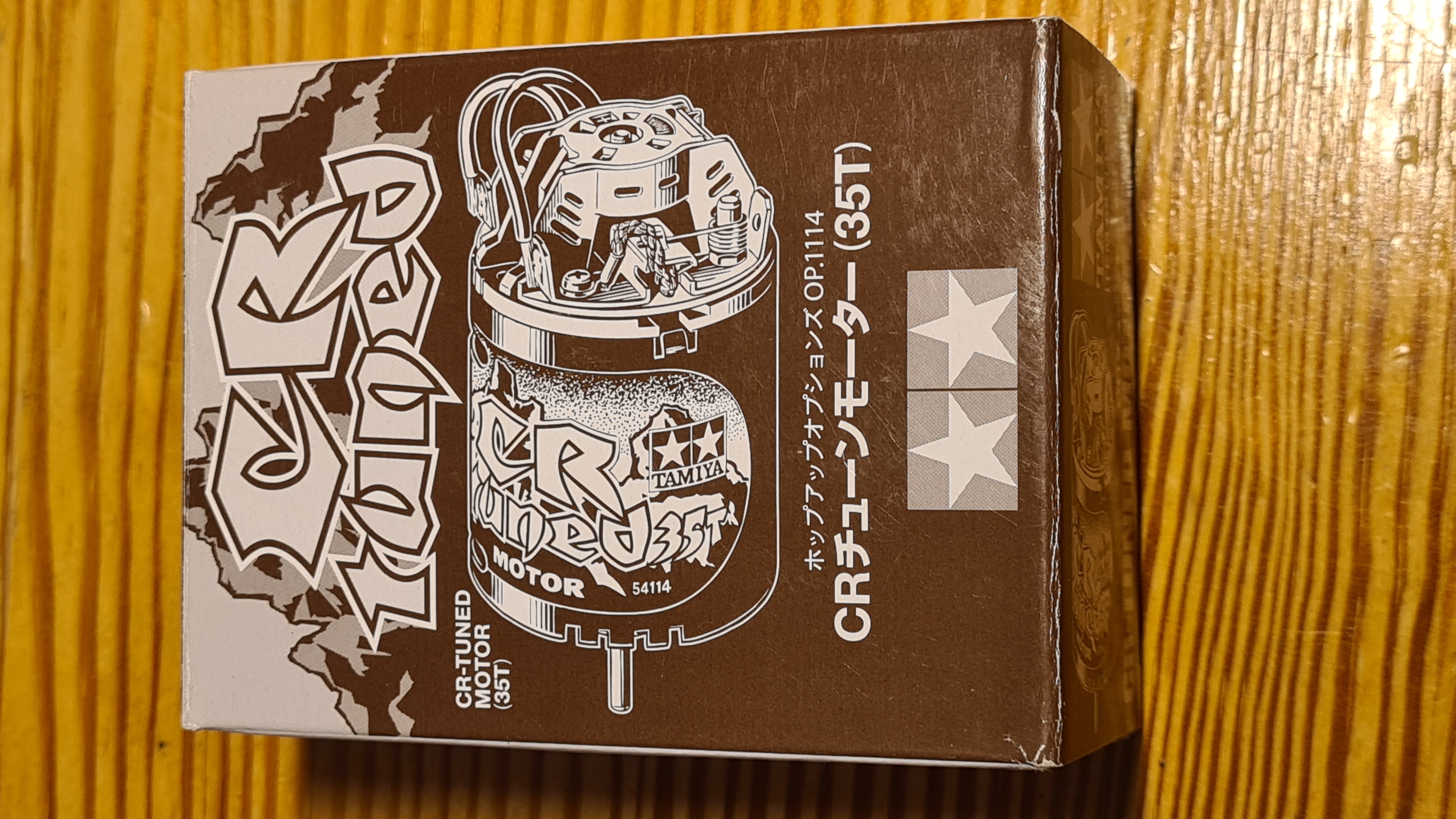
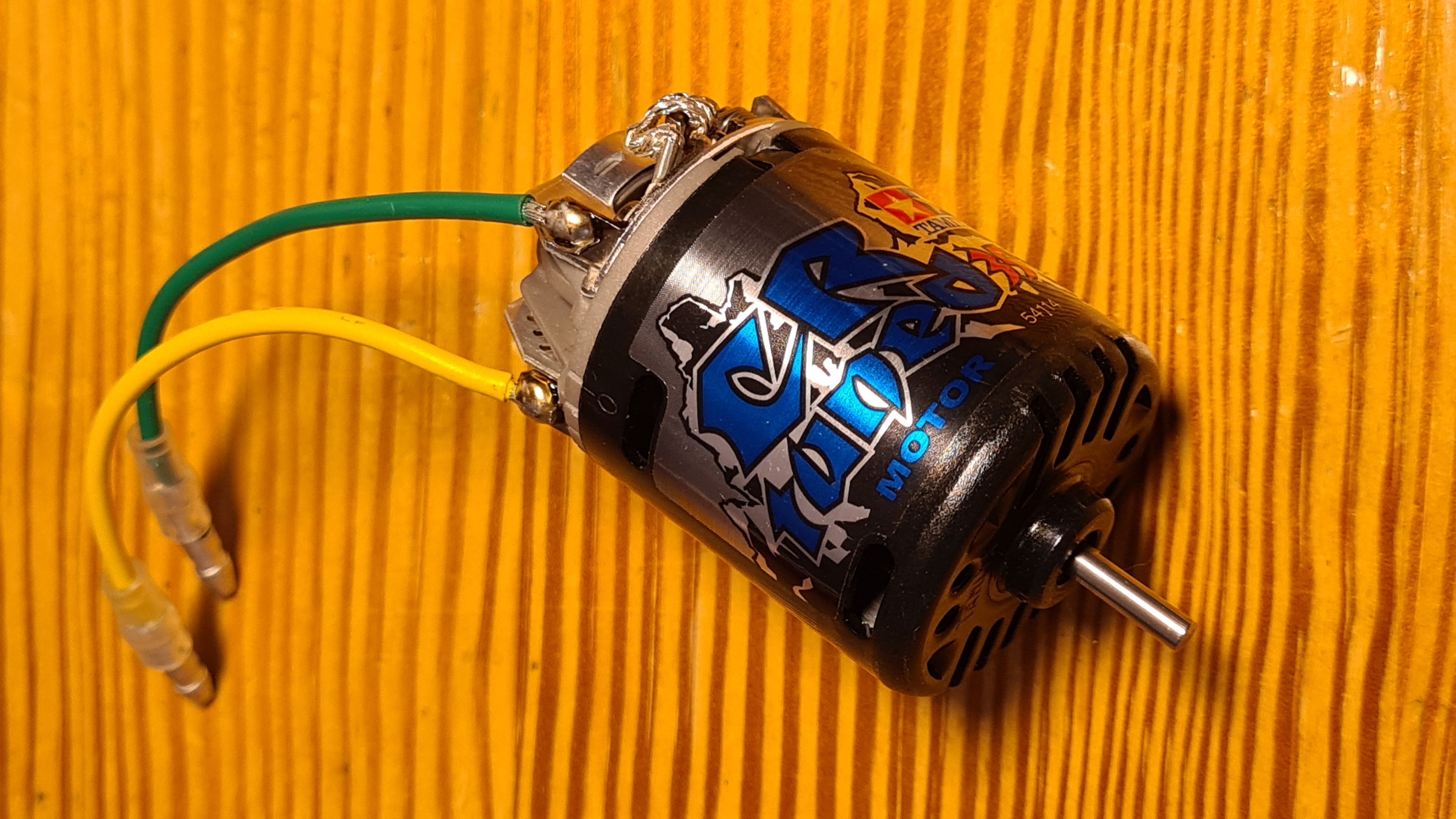
- CR-Tuned motor (35T, brushed, 12000 RPM) (manual)
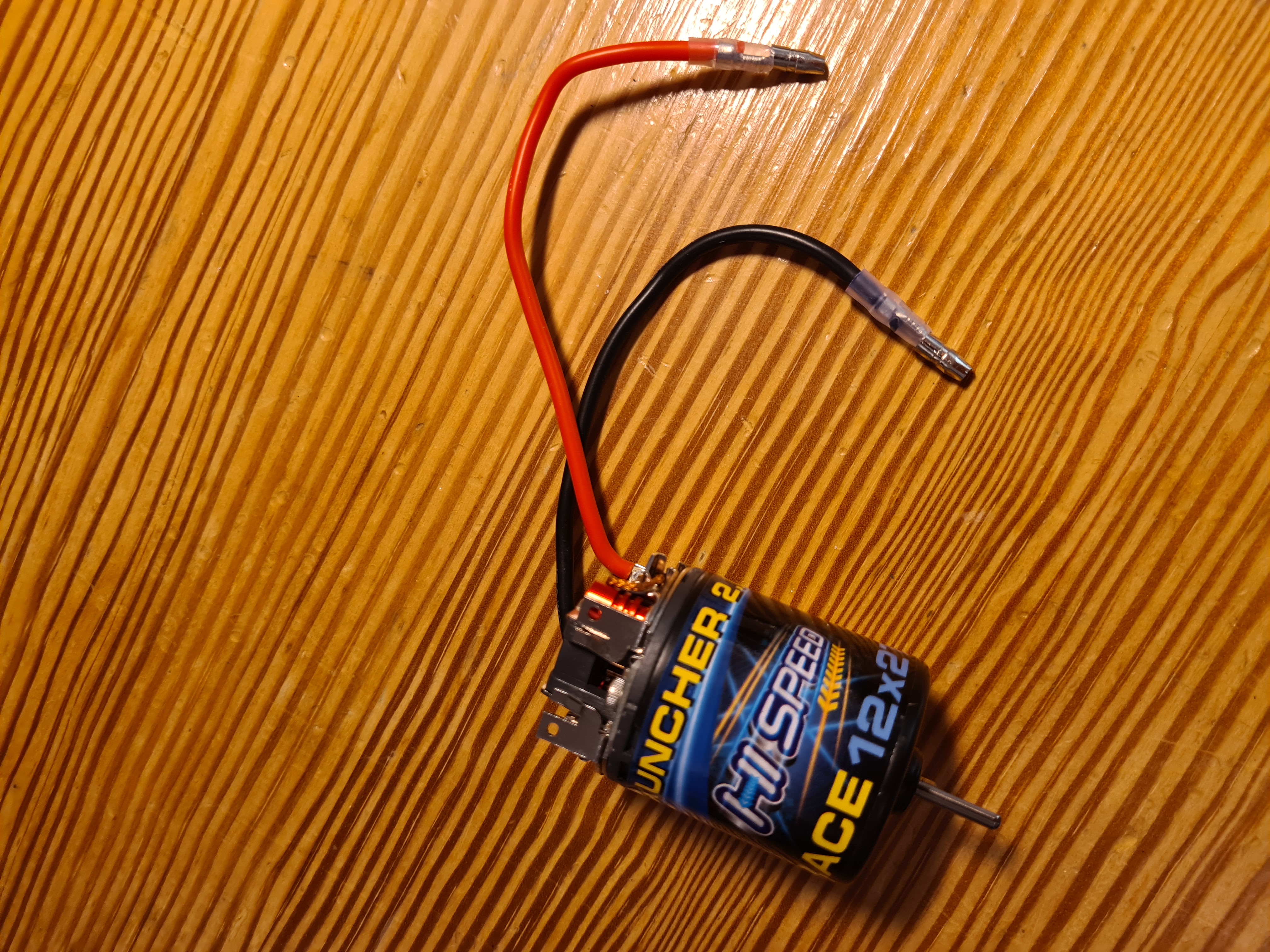
- Carson Launcher 2.0 (12T, brushed, 32500 RPM)
- The 93T/104T 0.4 spur gears were replaced with low-friction ones that contain molybdenum.
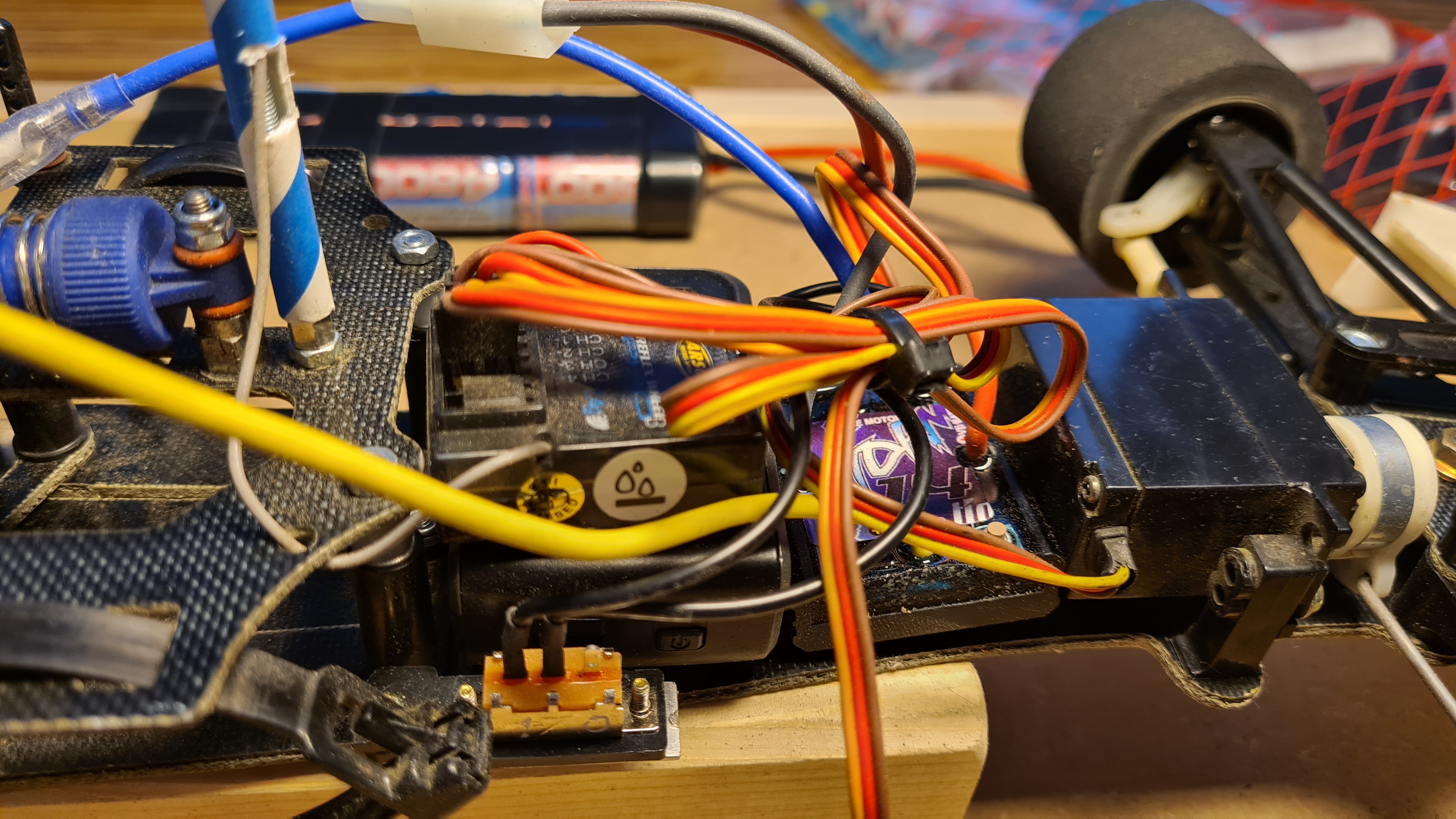
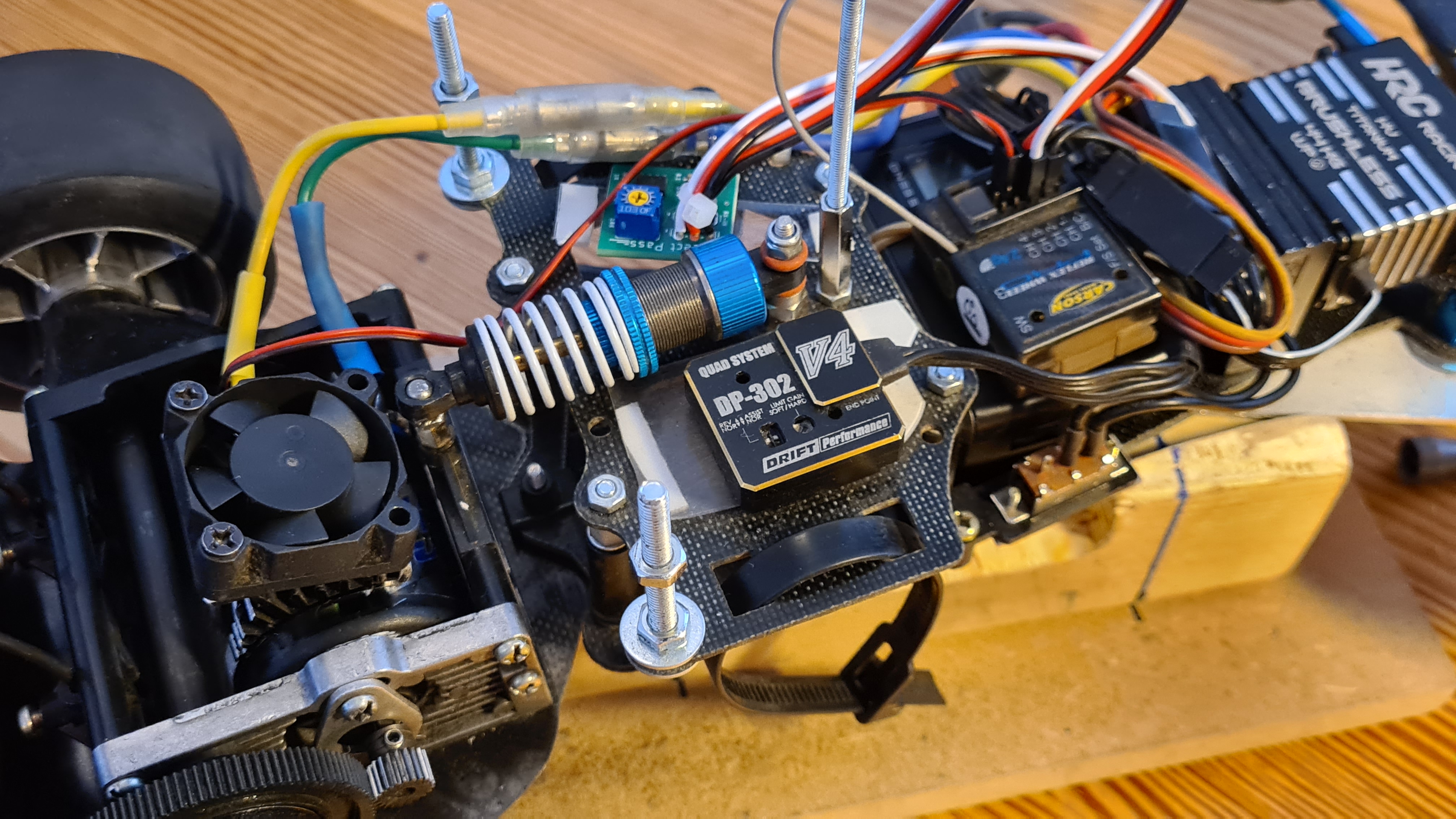
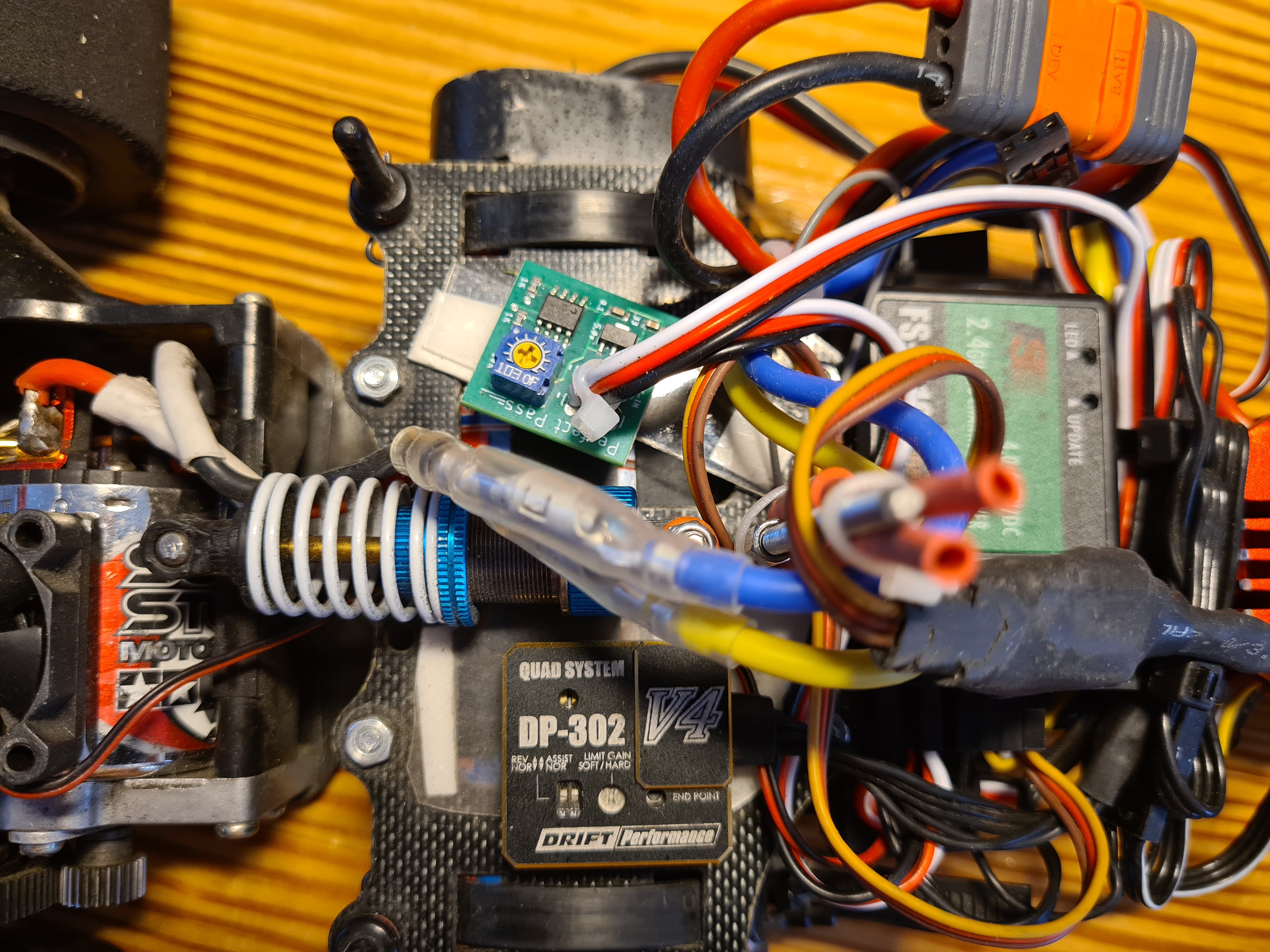
- There sits a Perfect Pass RC Car Launch Control between the ESC and the receiver. This gives a much smoother throttle curve and can eliminate wheel spin when fully accelerating from a standstill. In addition, it also provides smooth power to the motor by eliminating voltage and amperage spikes and noise.
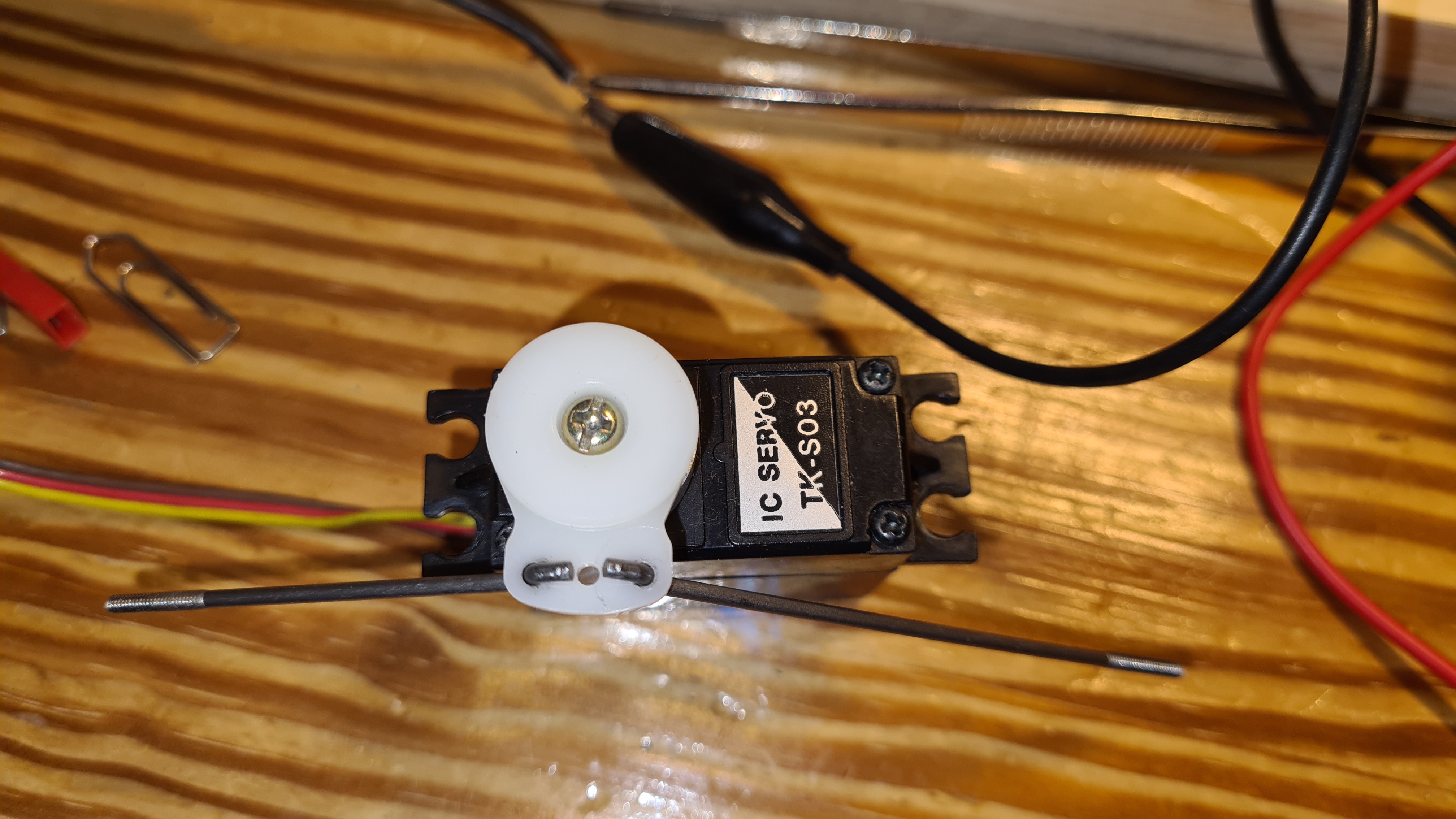
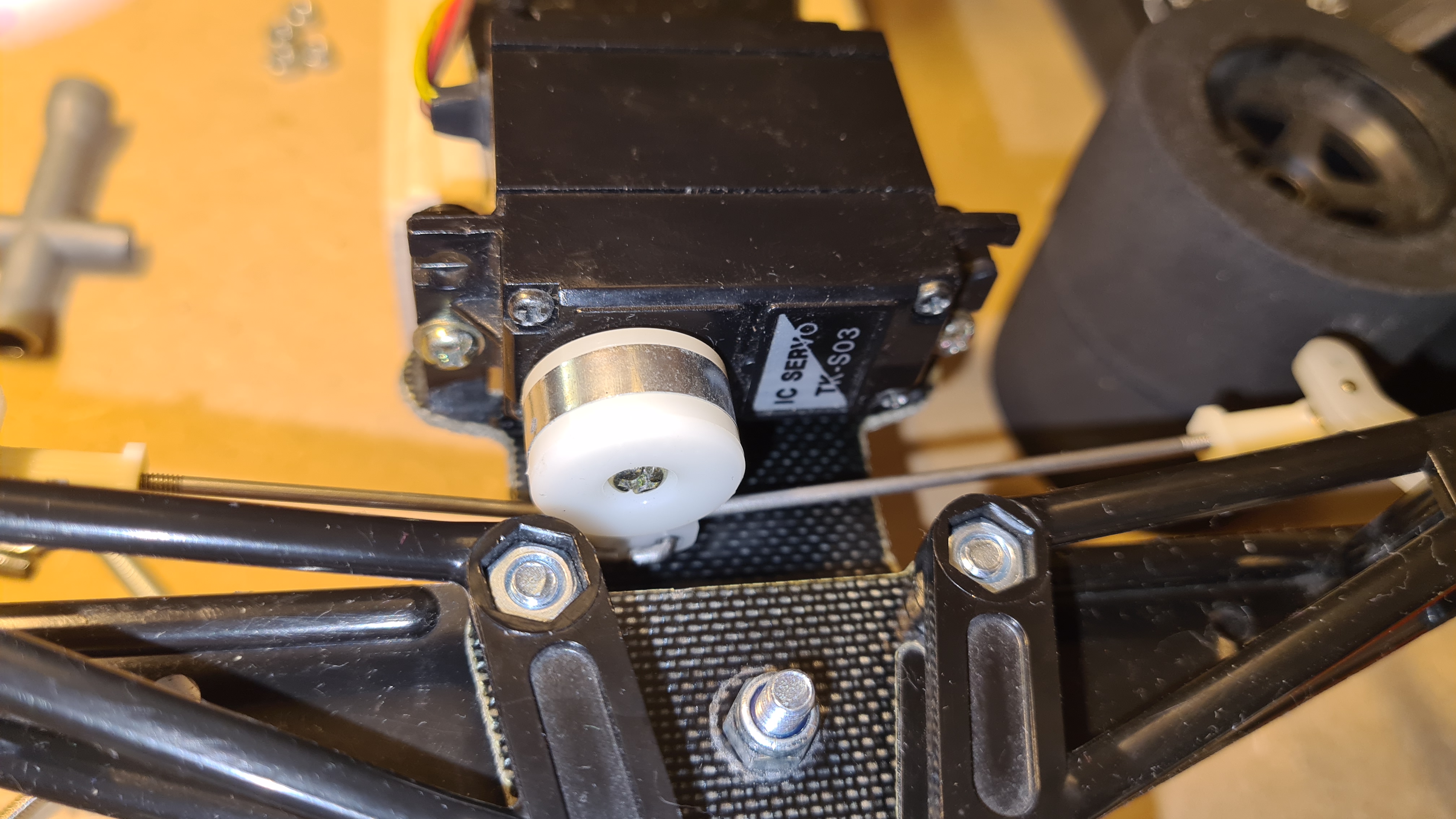
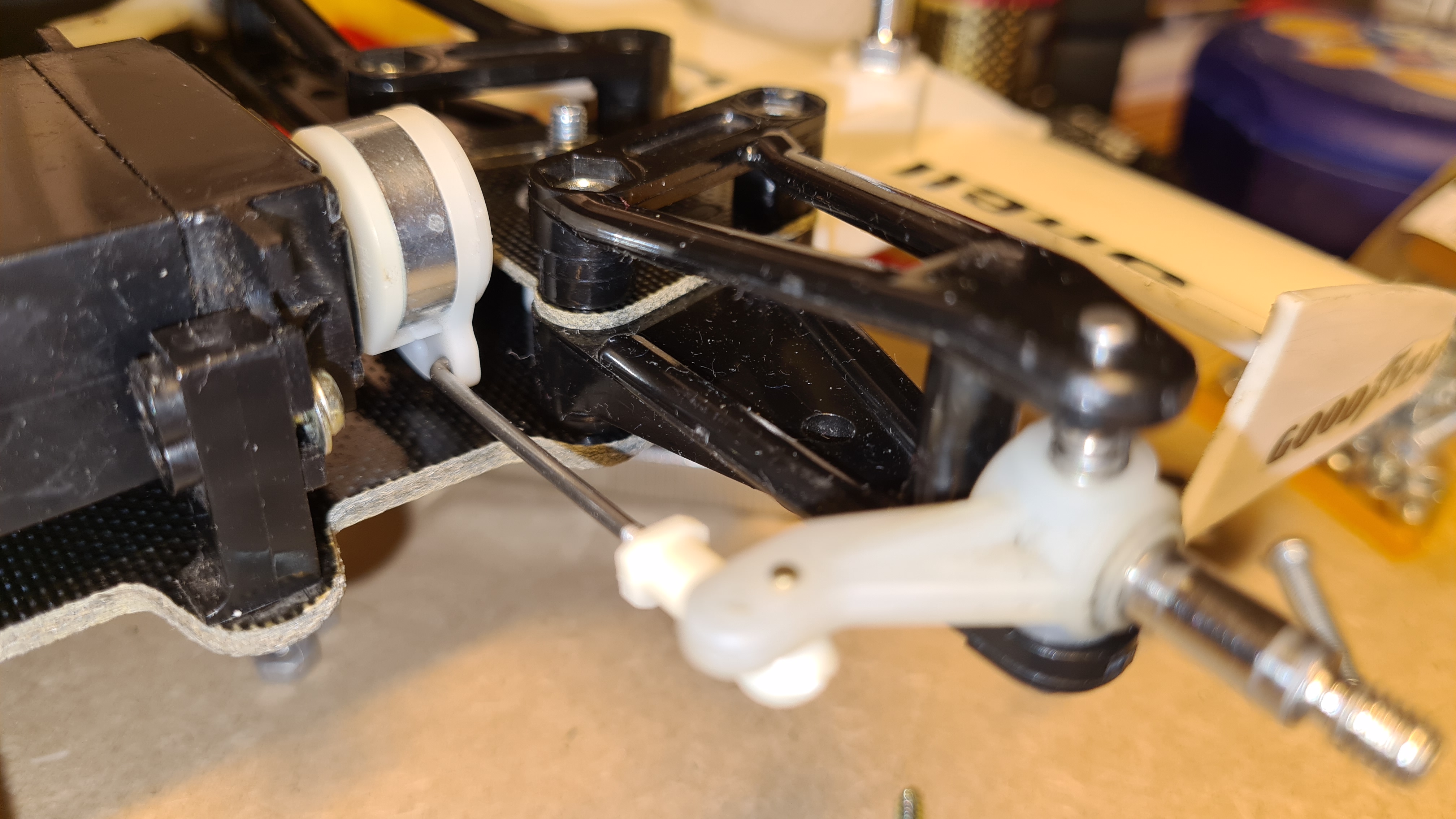
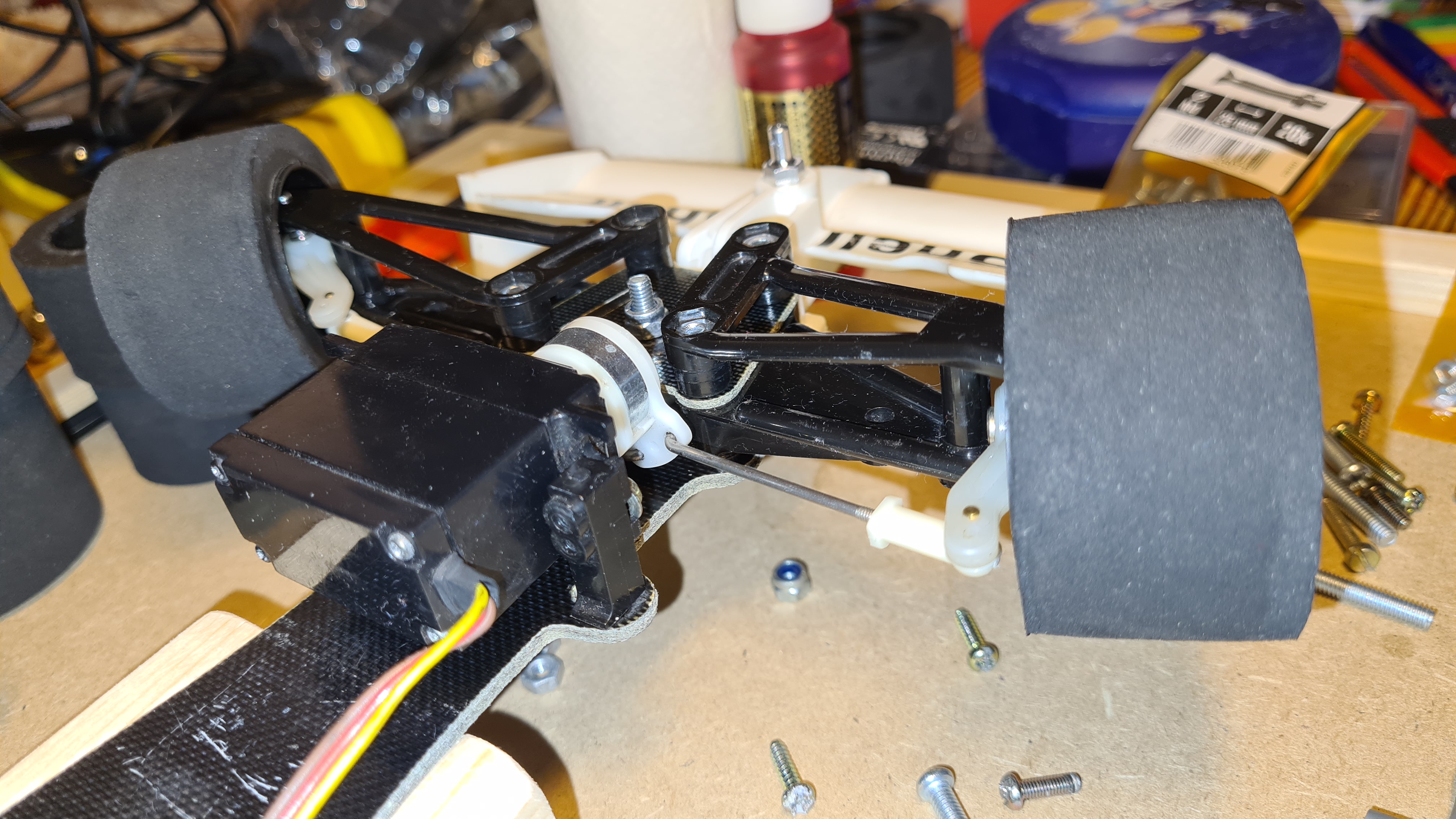
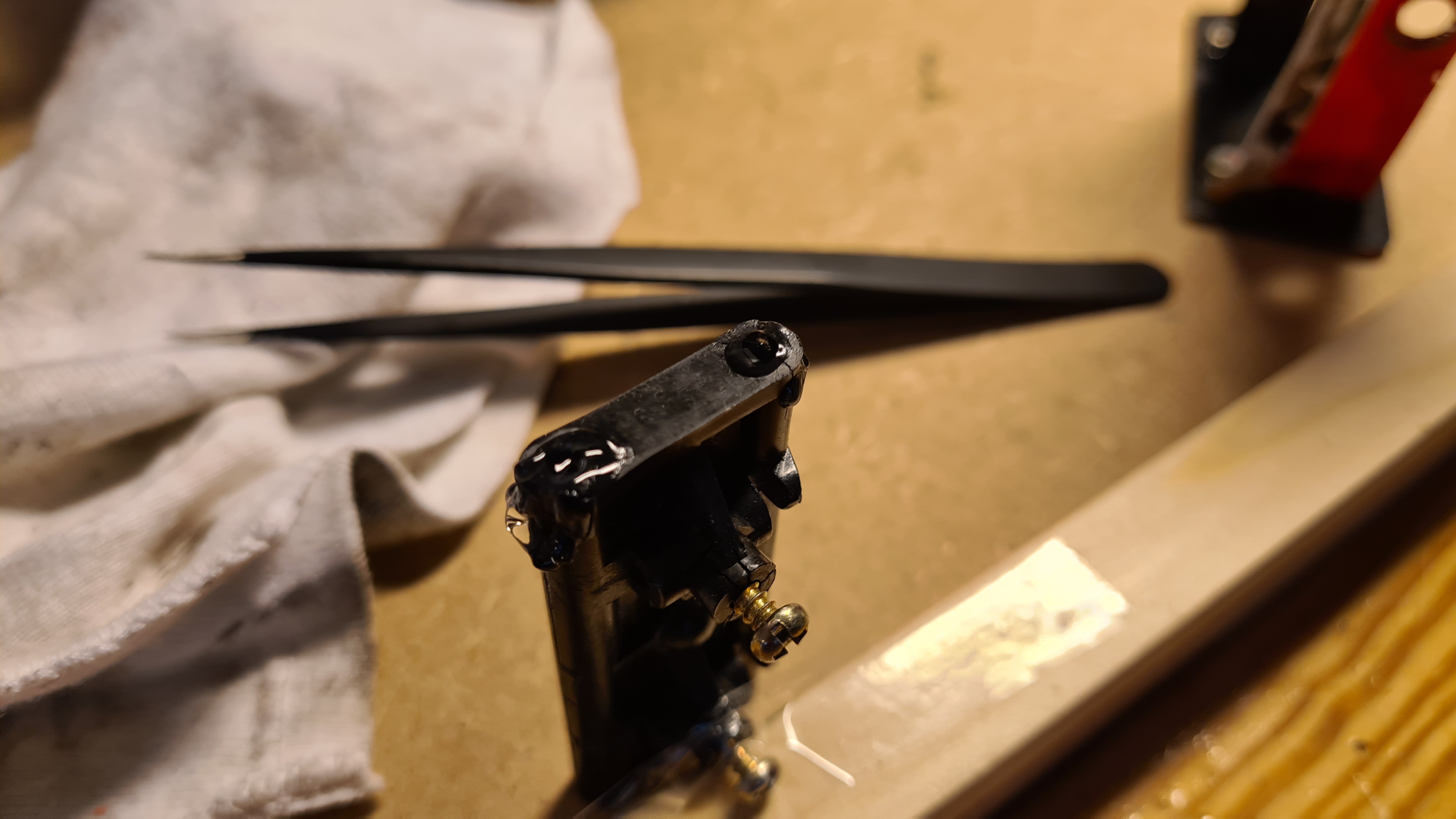
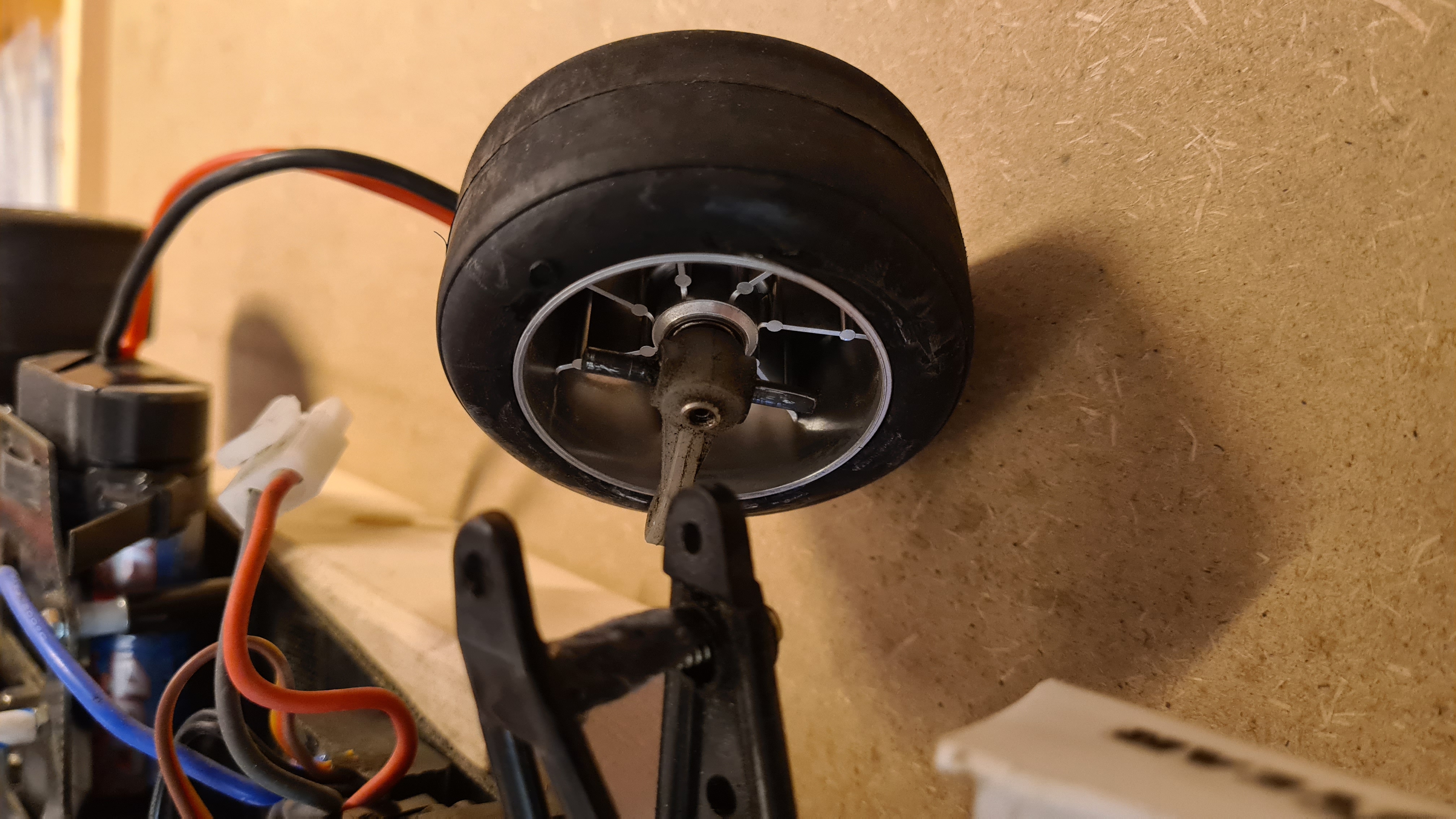
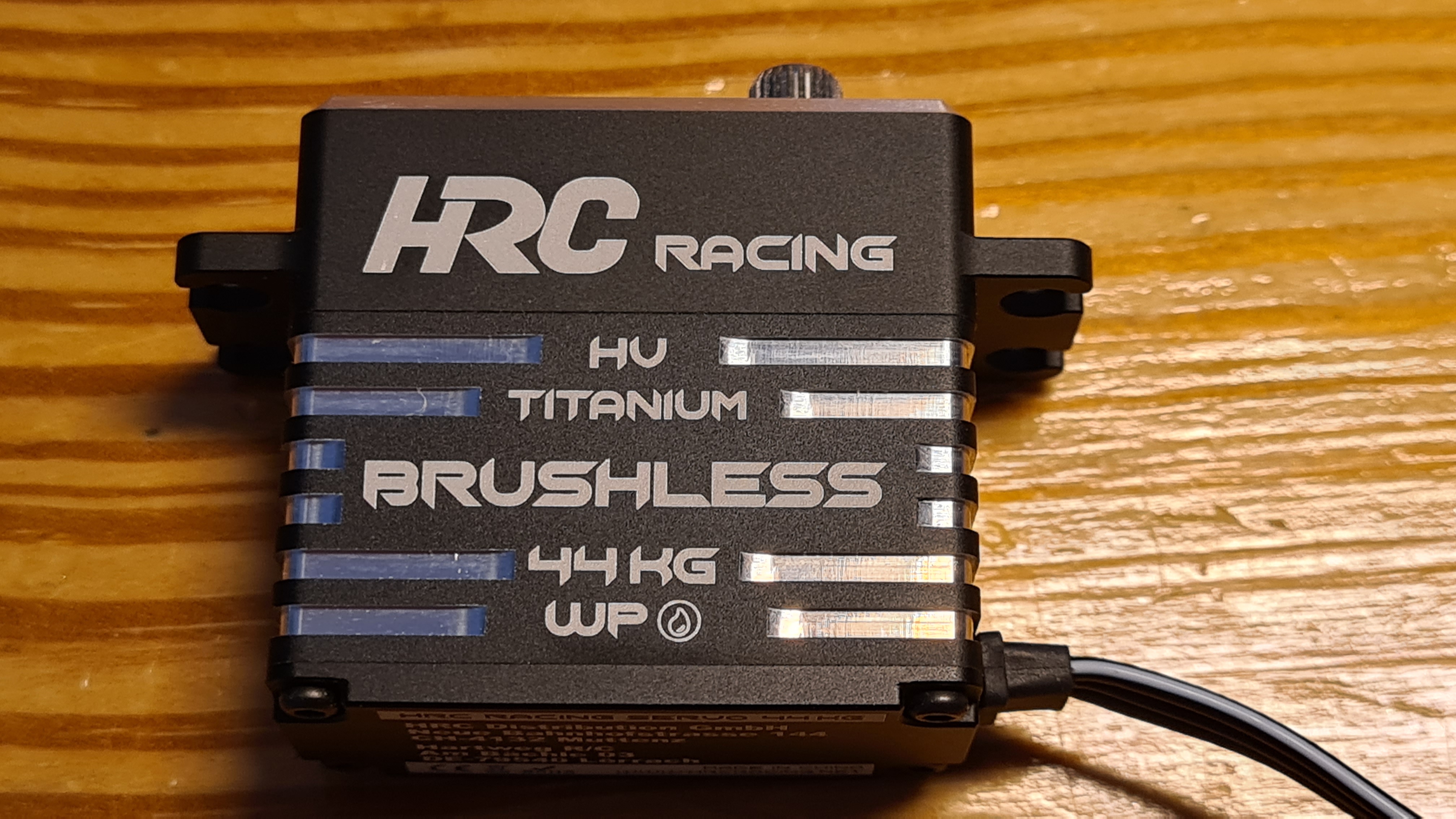
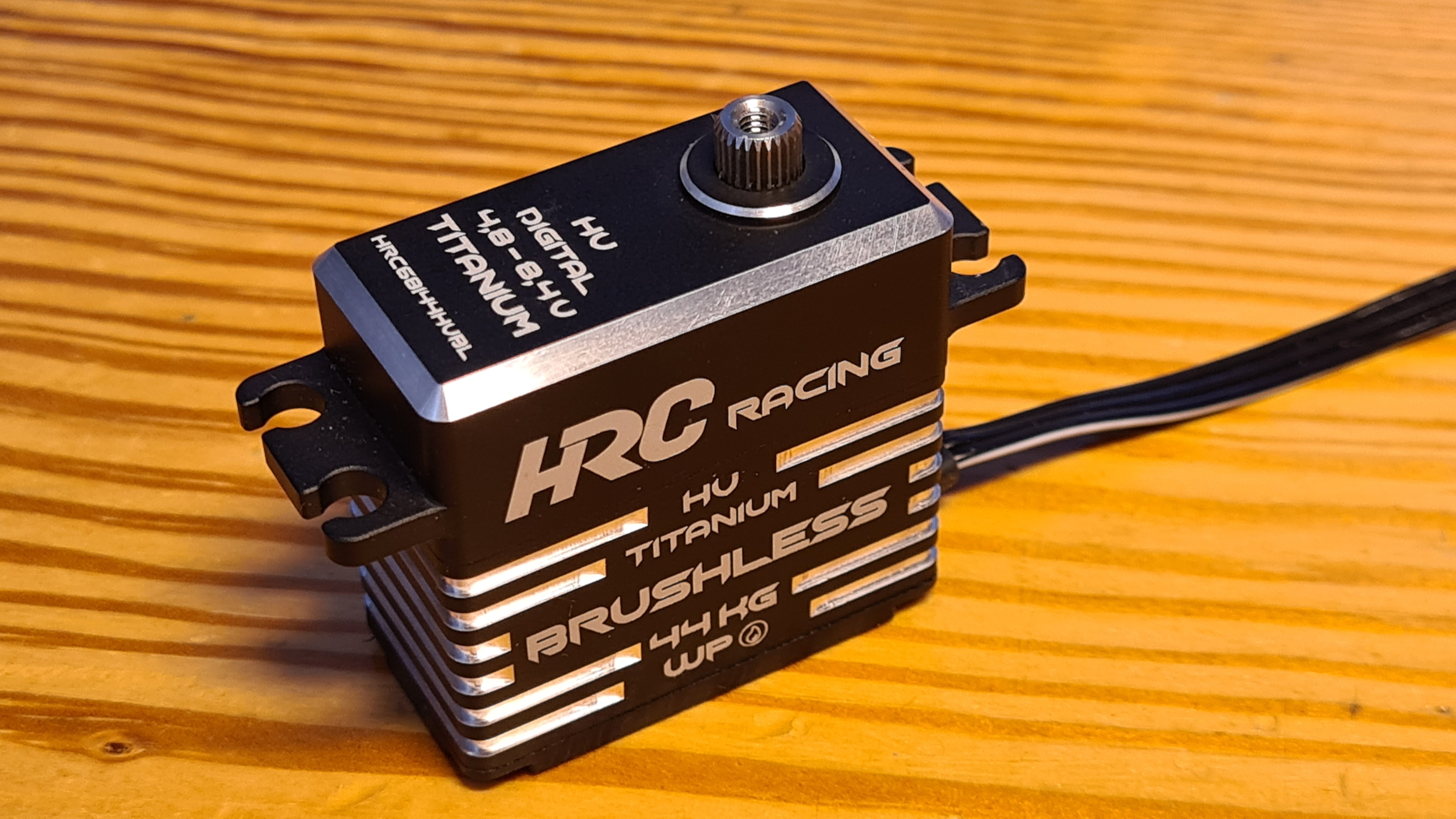
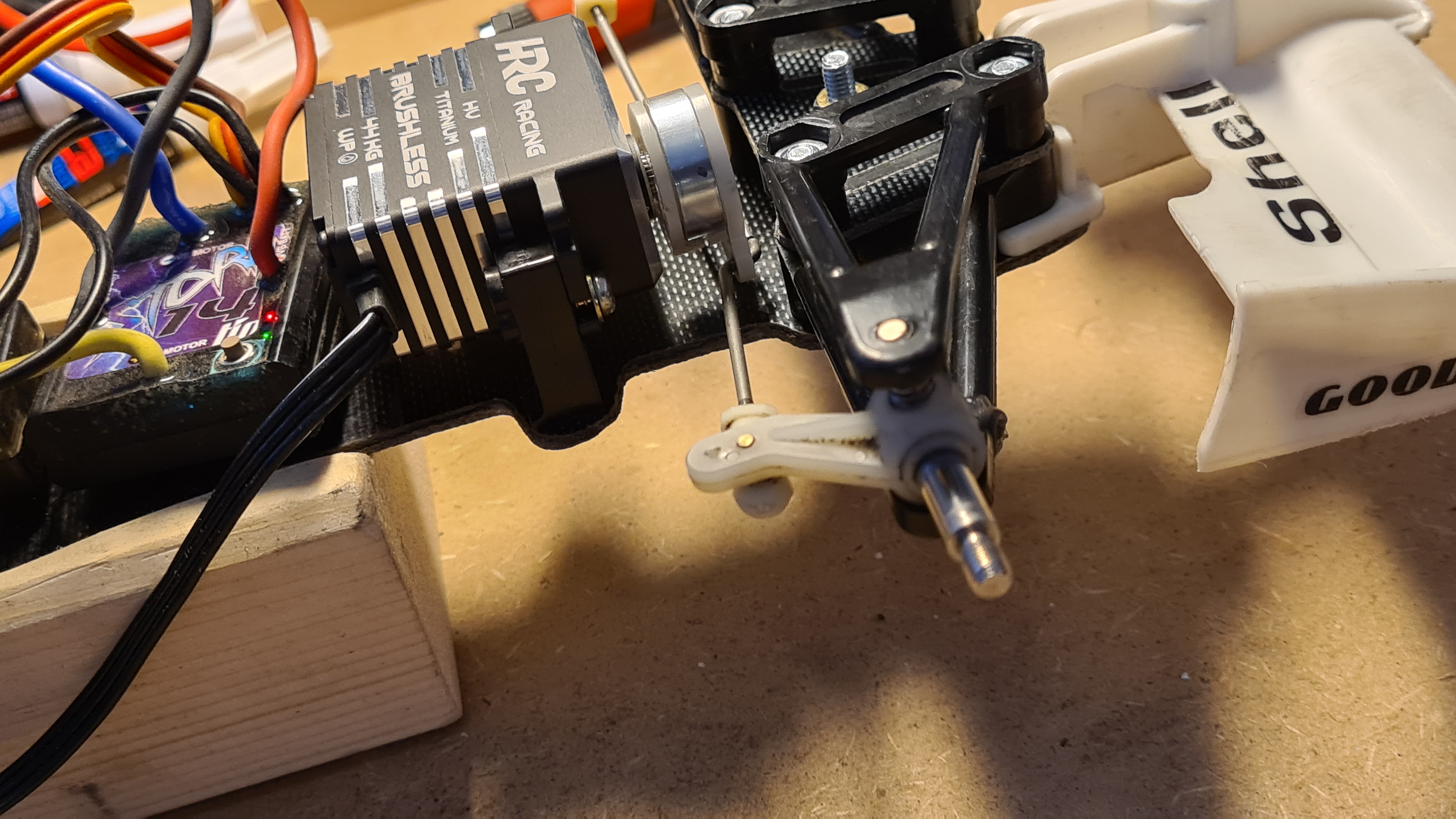
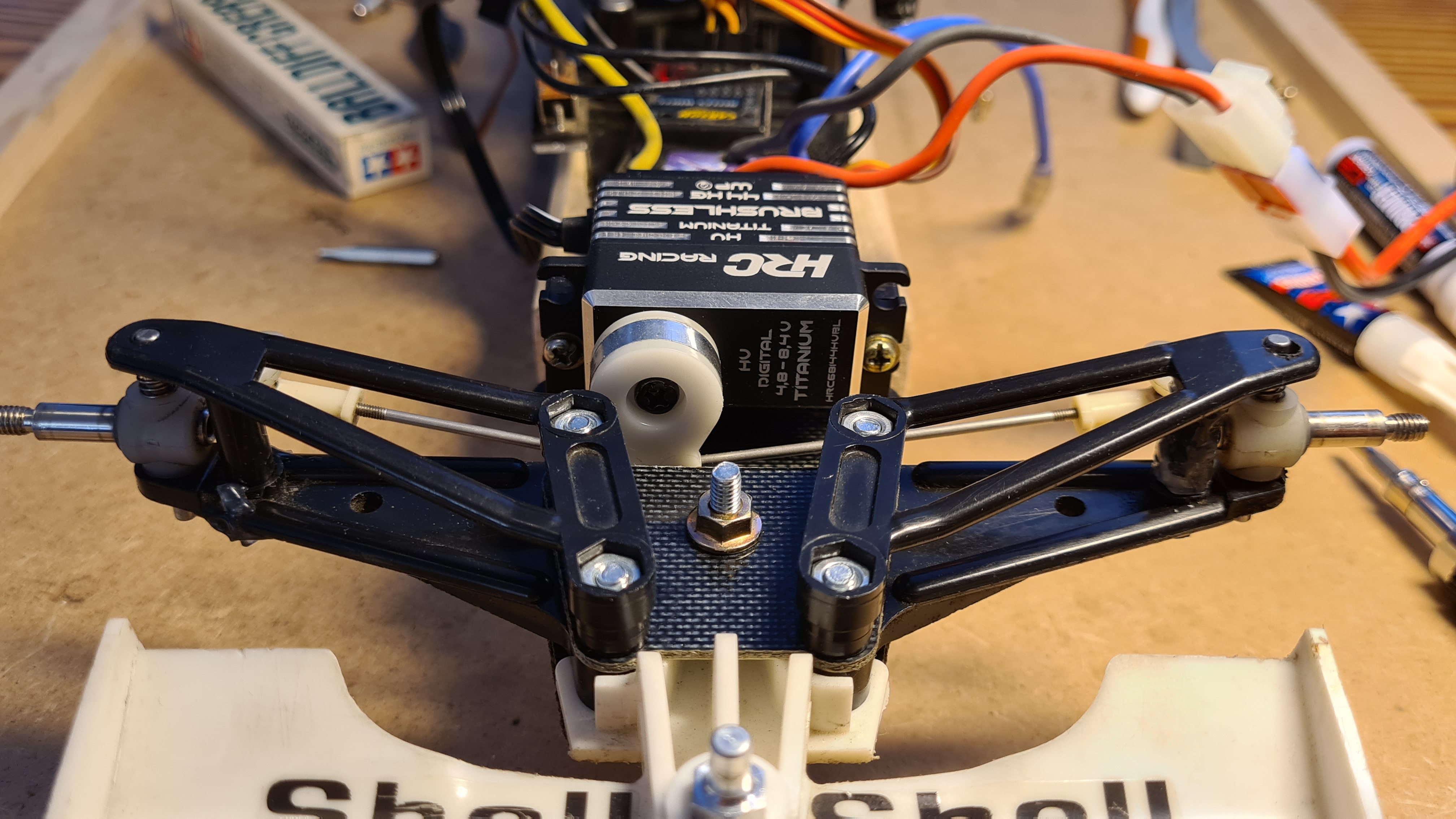
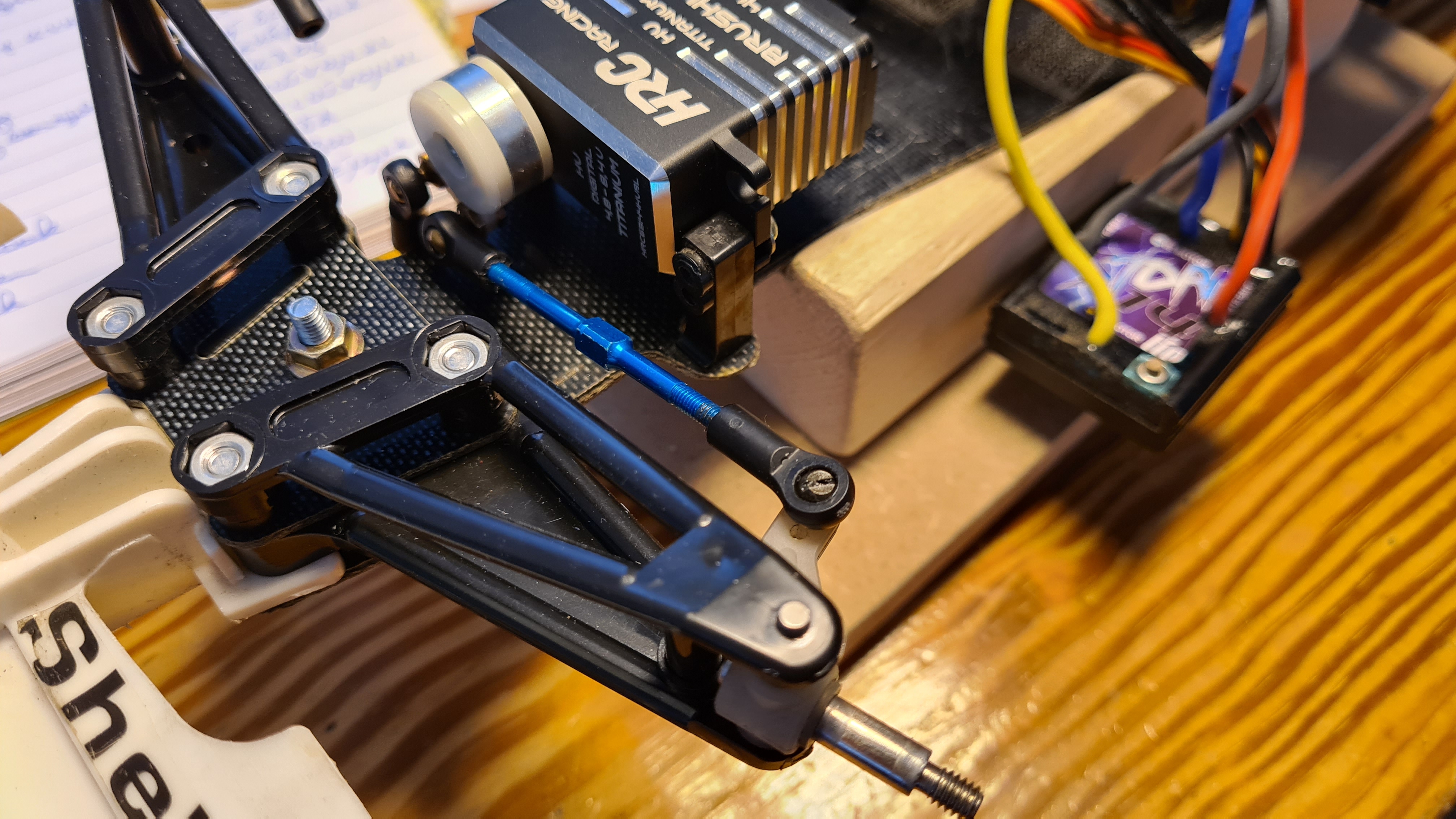
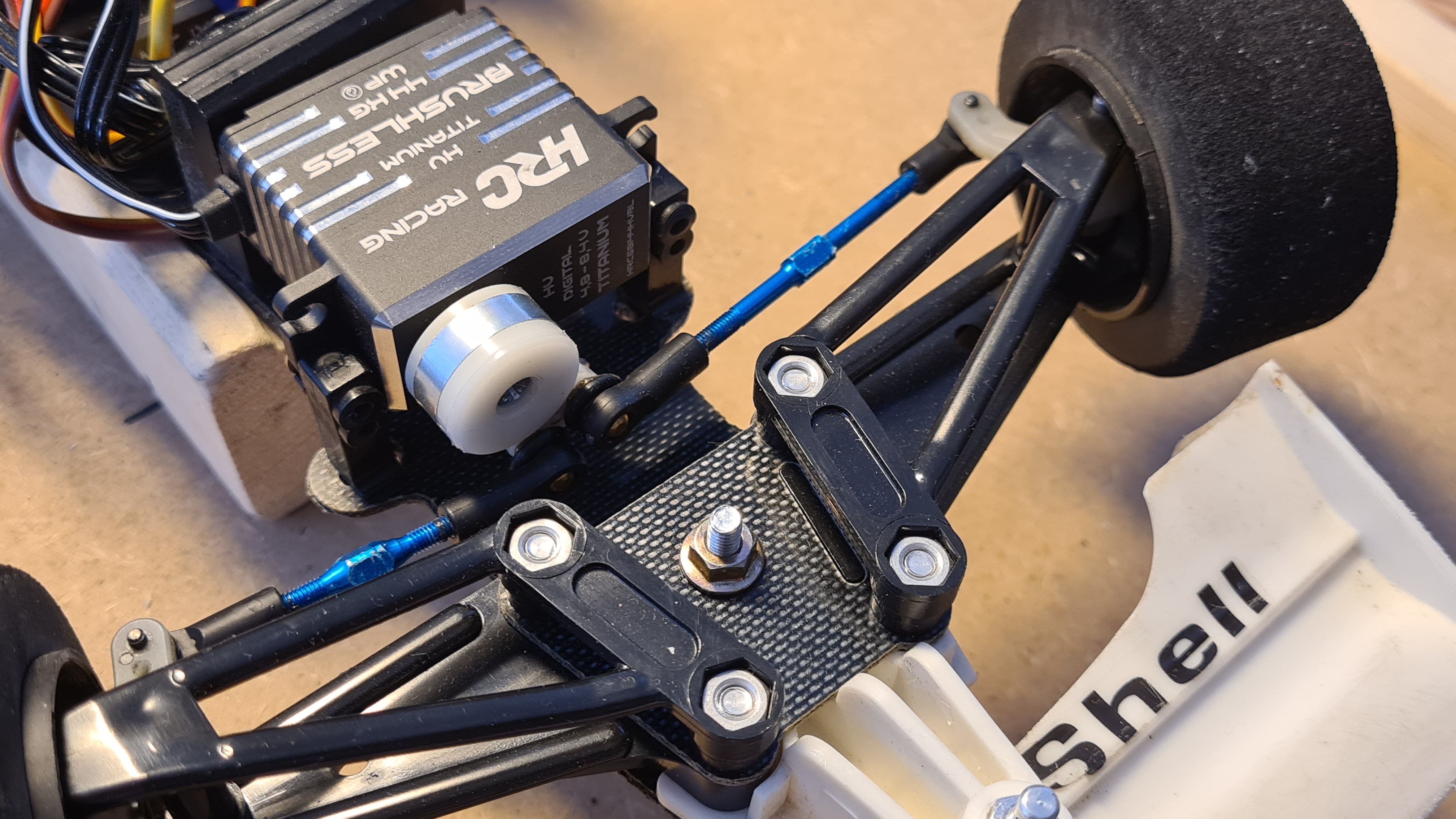
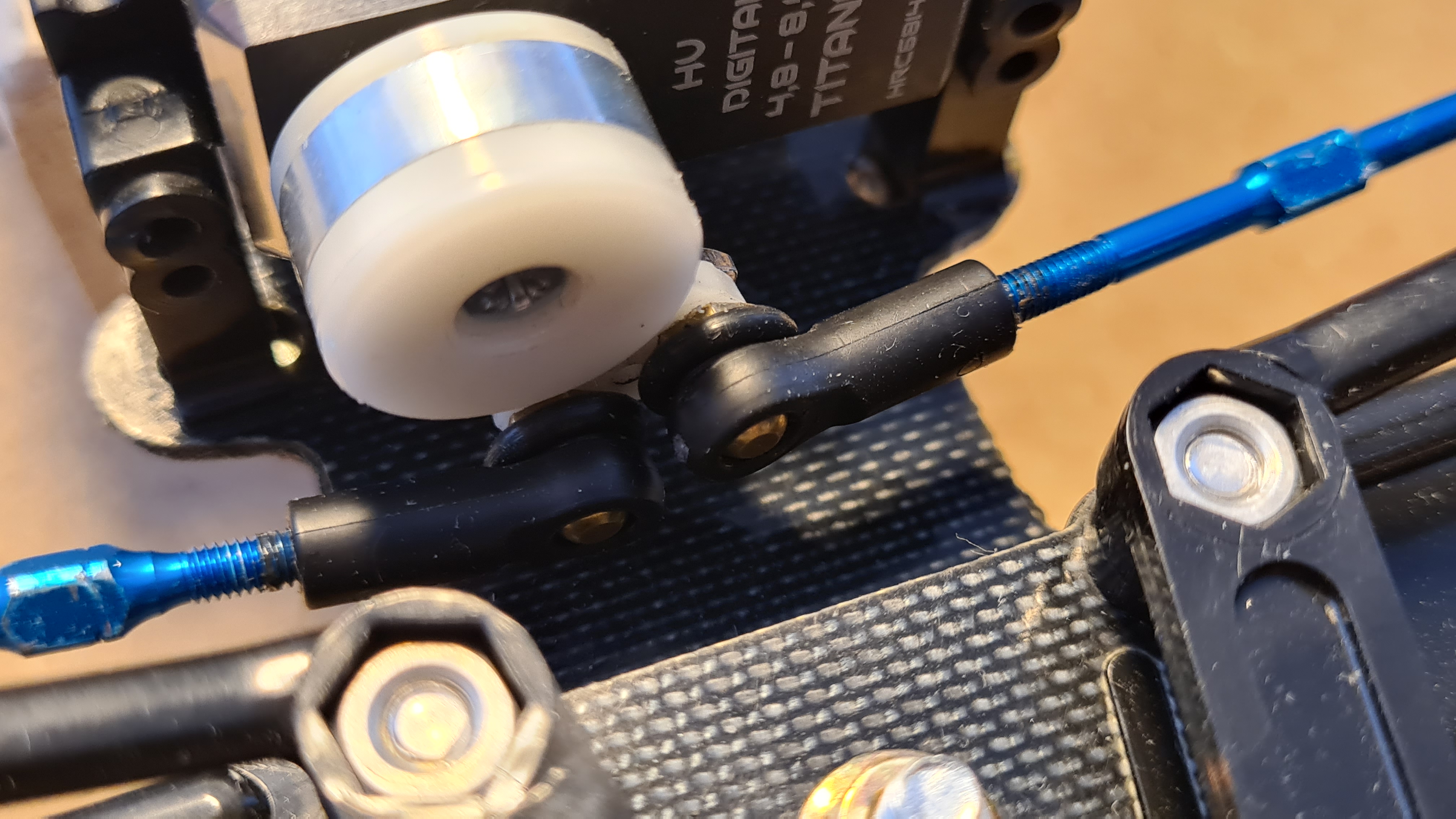
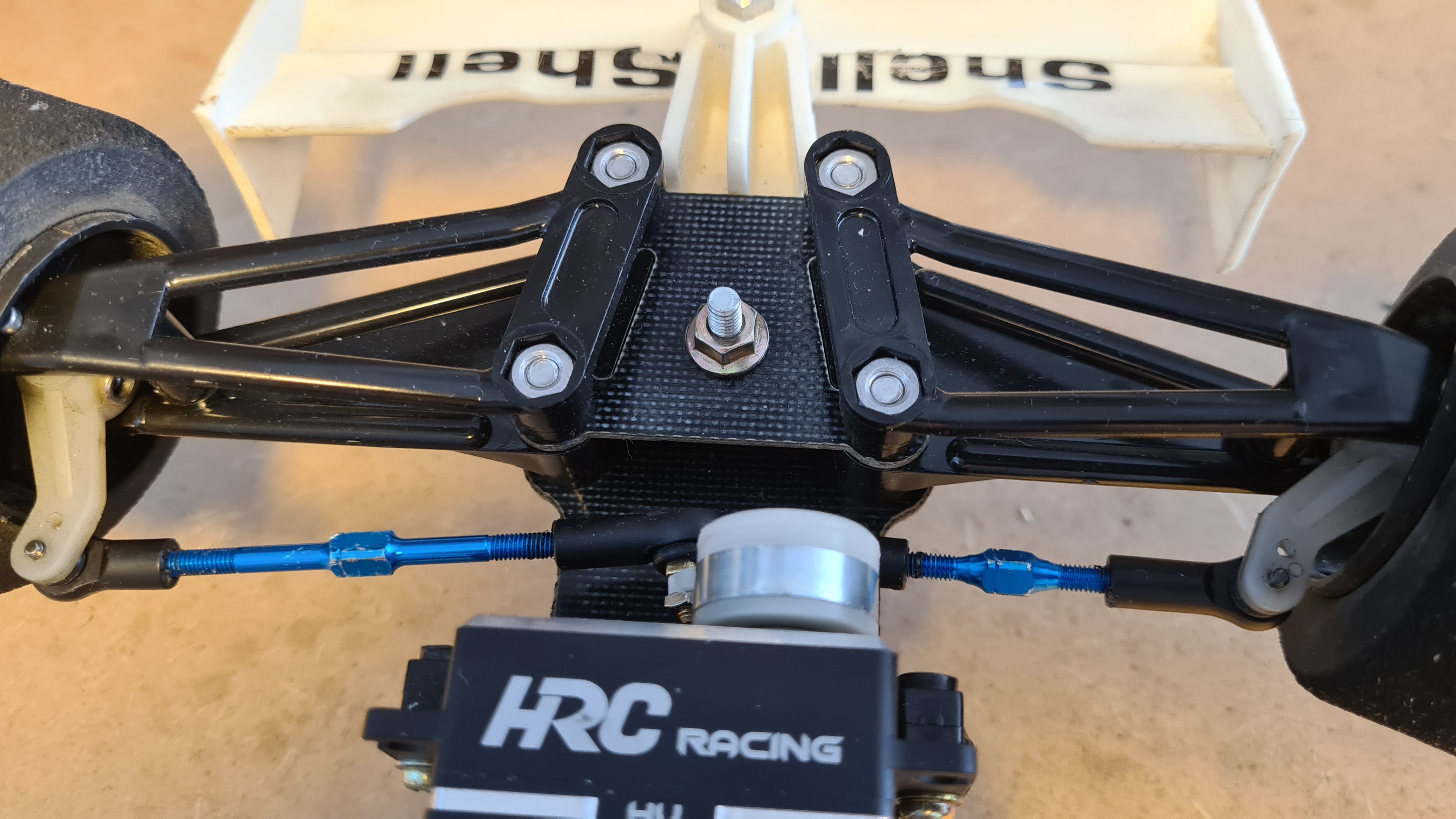
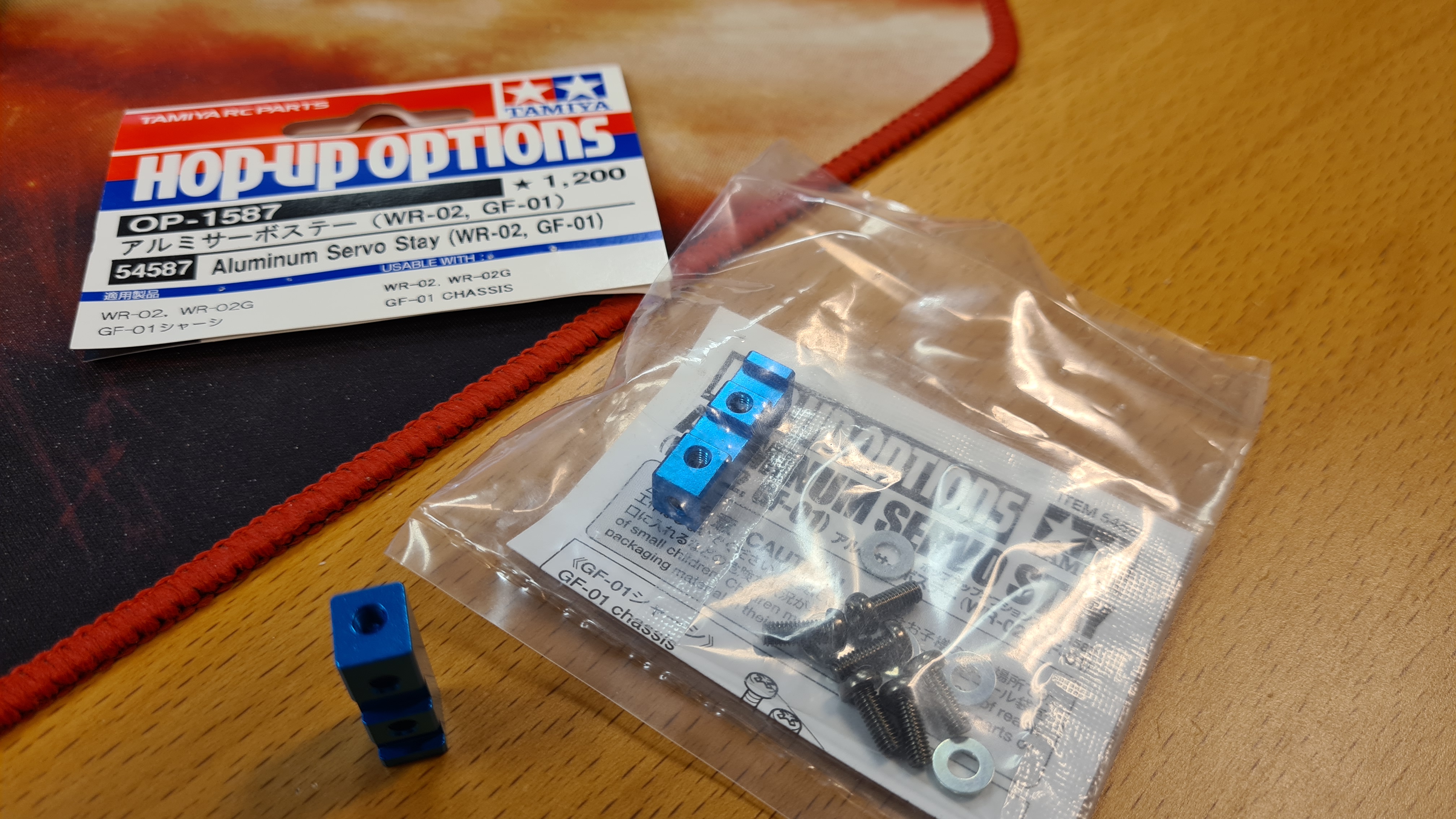
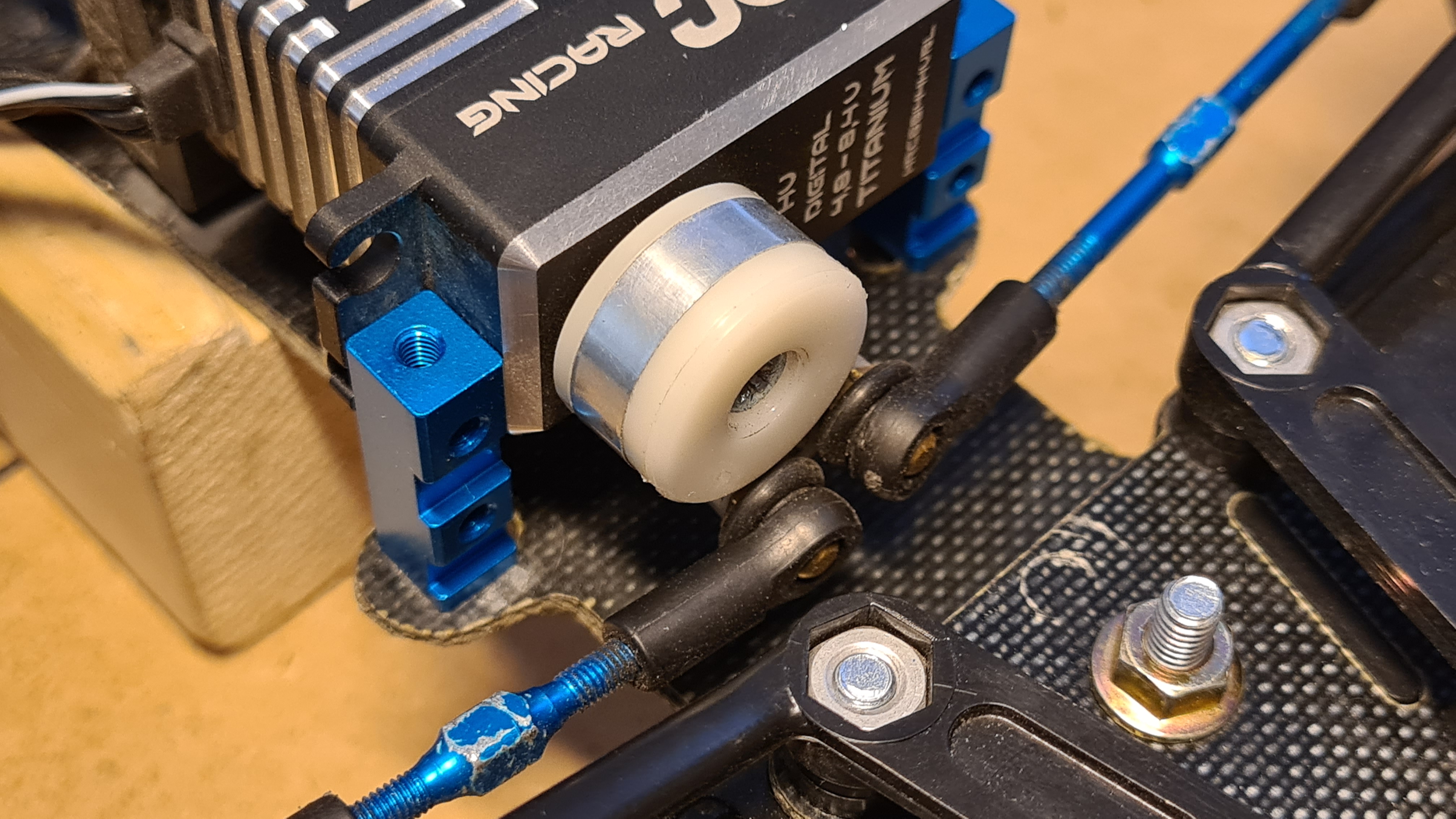
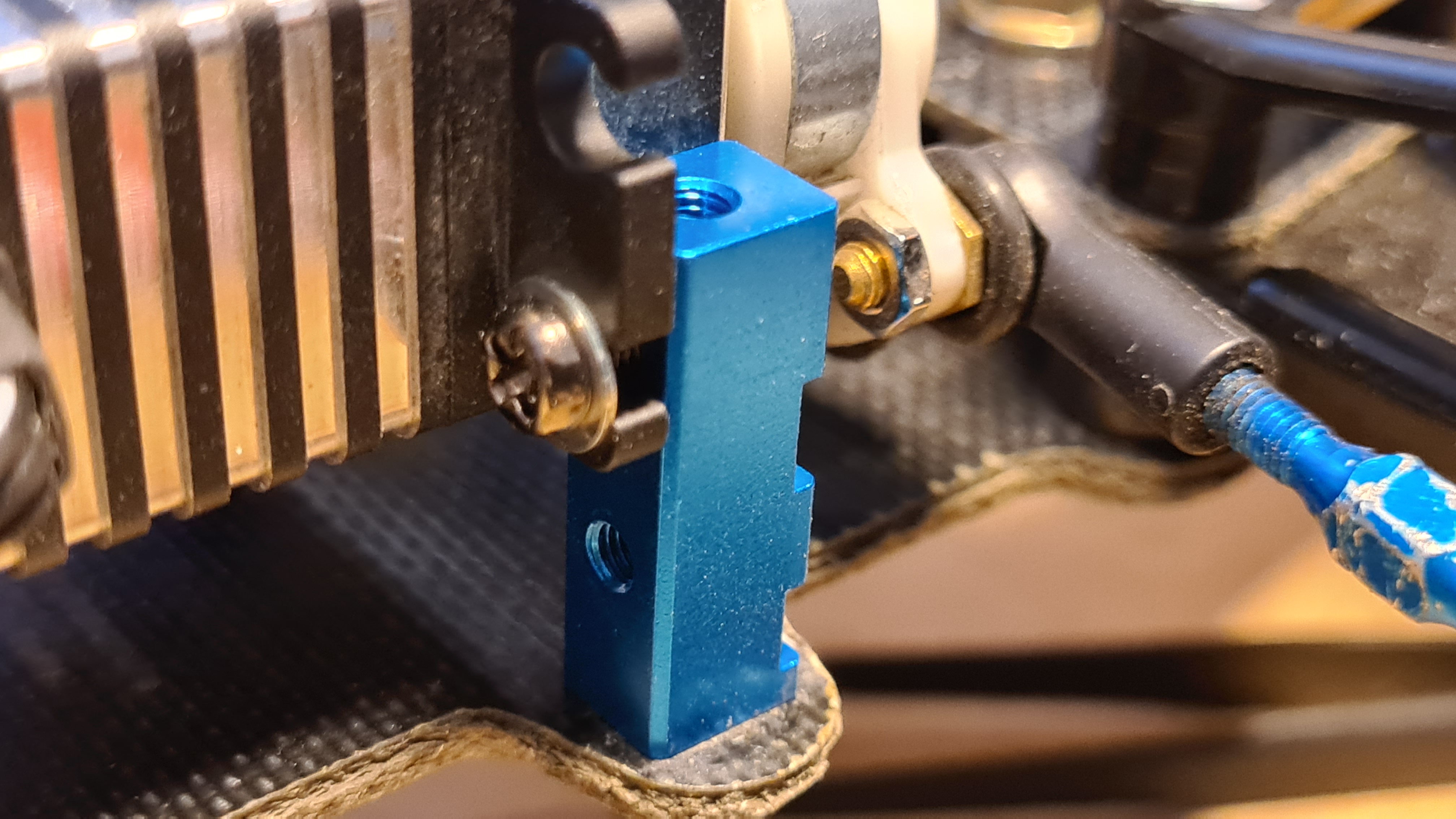
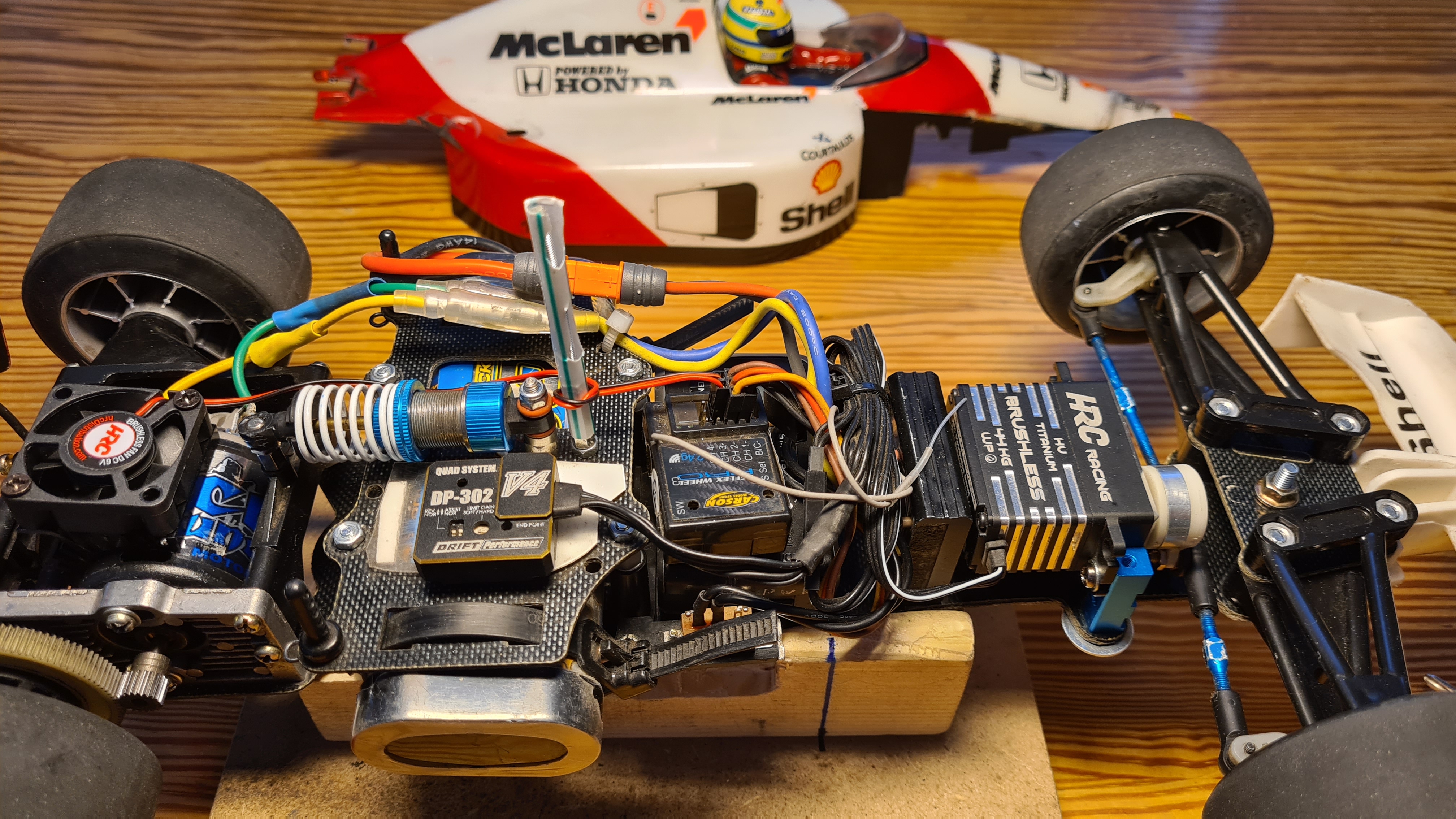
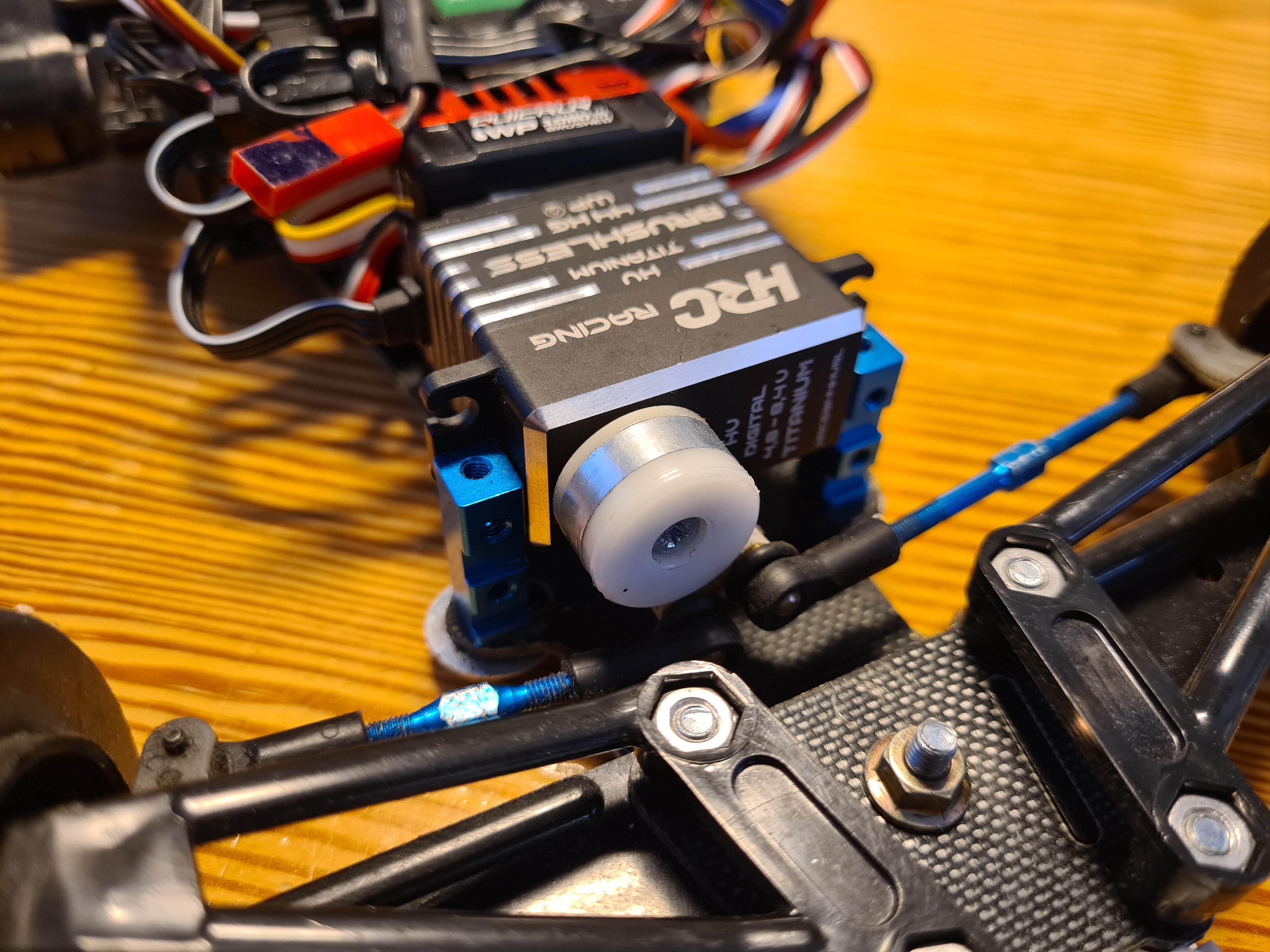
- The steering servo was replaced with a high voltage splash-proof brushless digital HRC Racing HV titanium gear 44 kg torque servo, and the fixed steering rods were replaced with adjustable blue anodised aluminium turnbuckles of 32 mm and 50 mm and accompanying reinforced adjusters (short and long). The servo is mounted using aluminium servo stays which stay in place using Loctite Threadlocker Blue (Medium) 242 (manual).
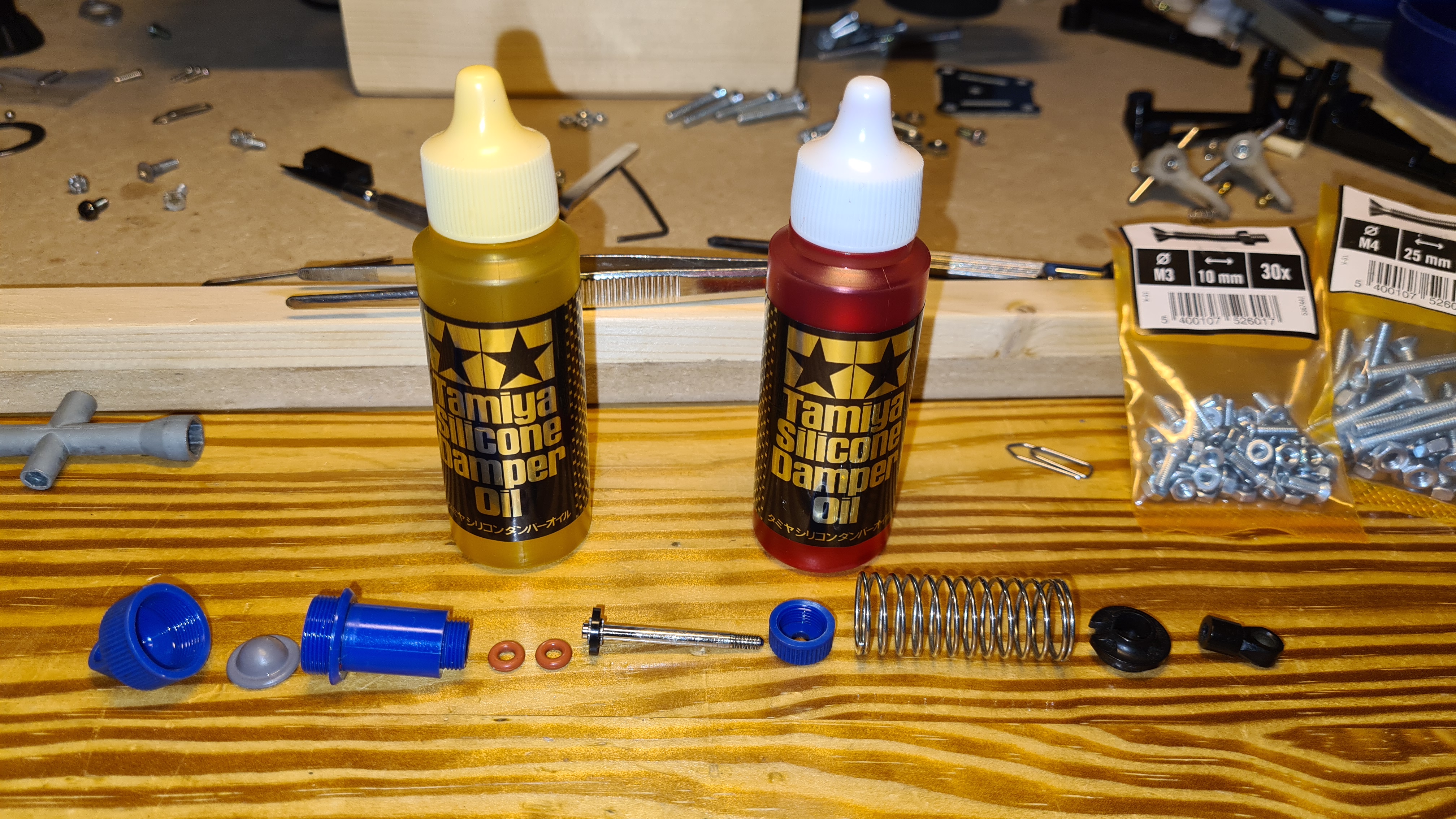
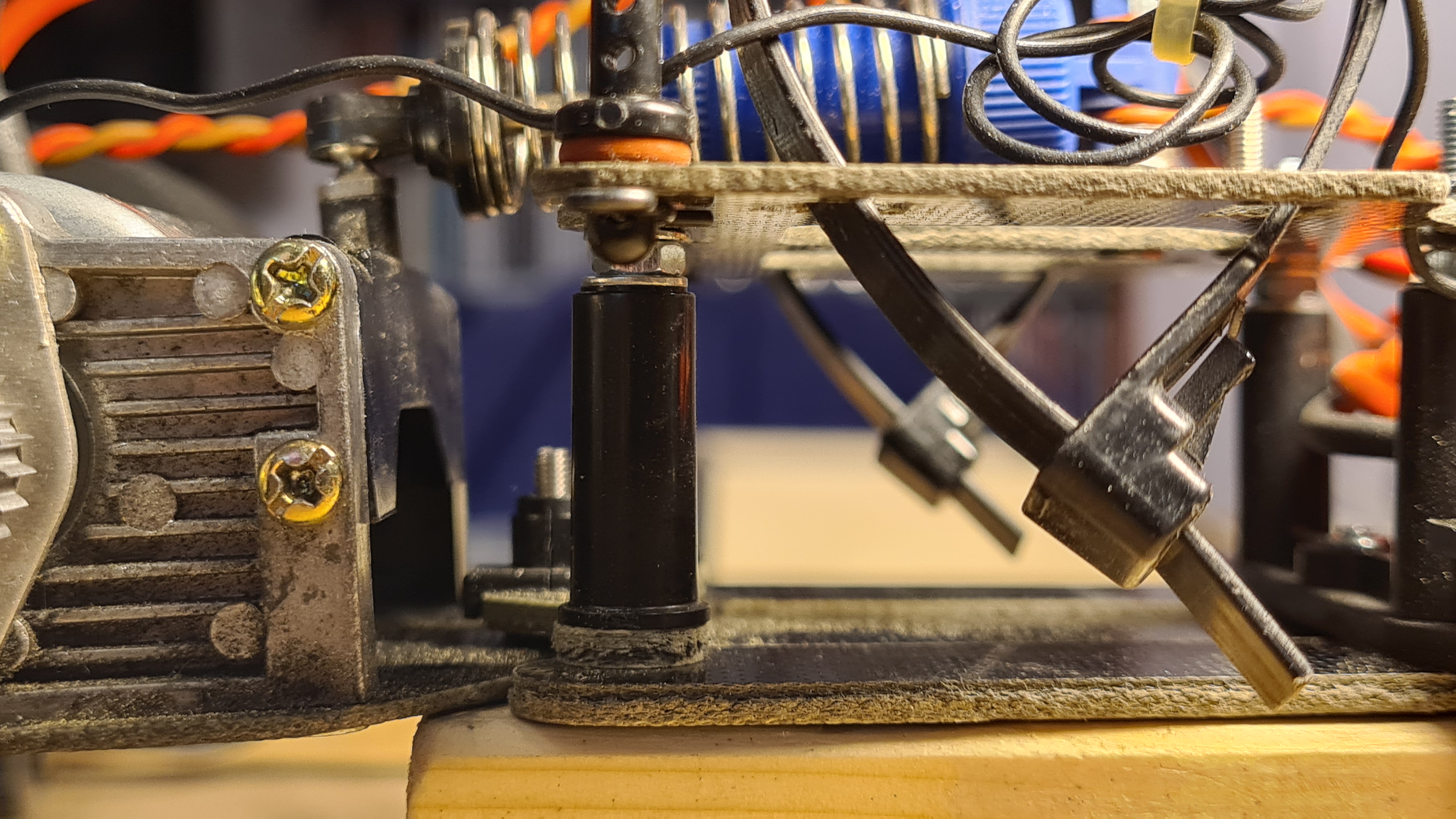
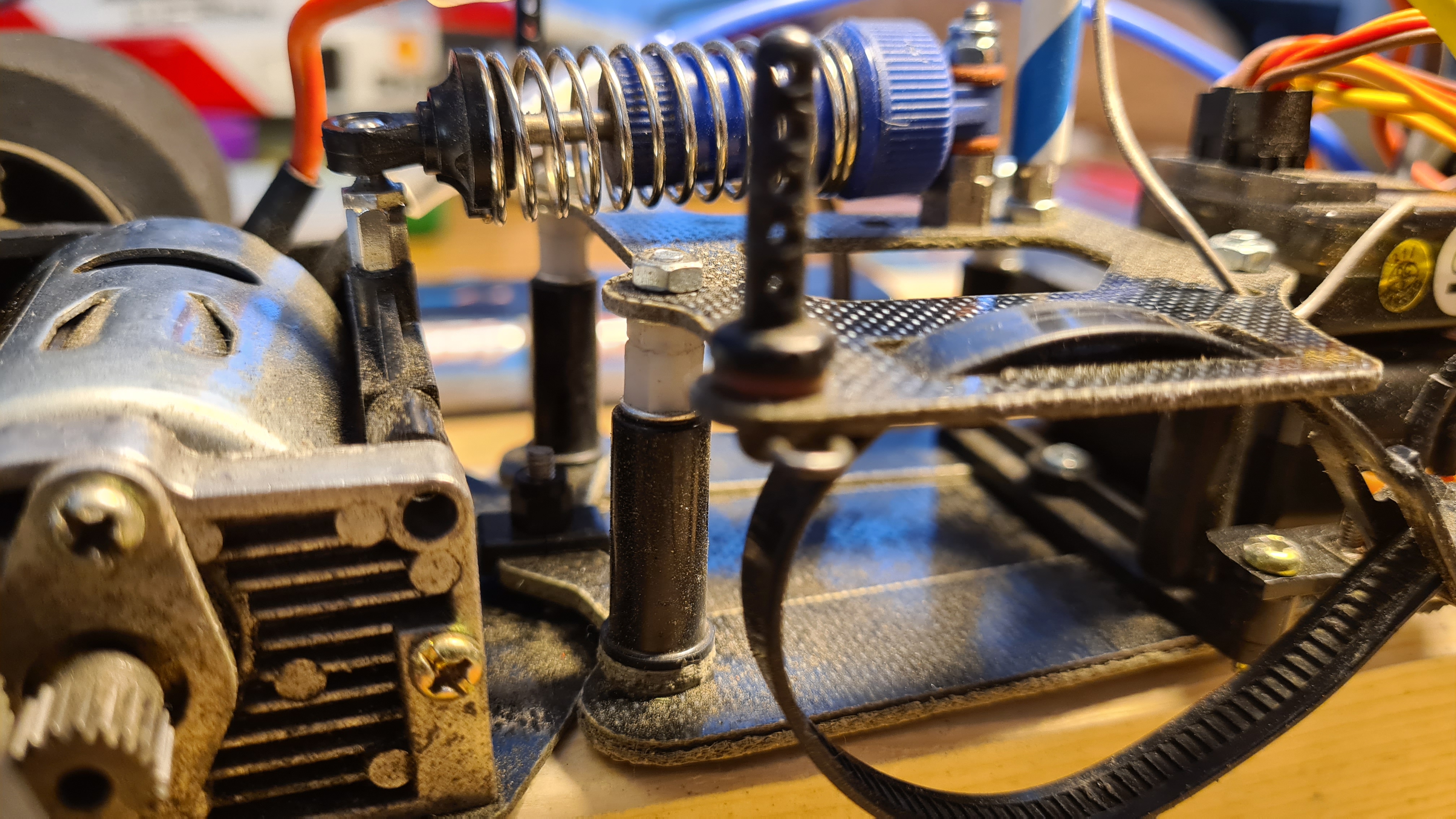
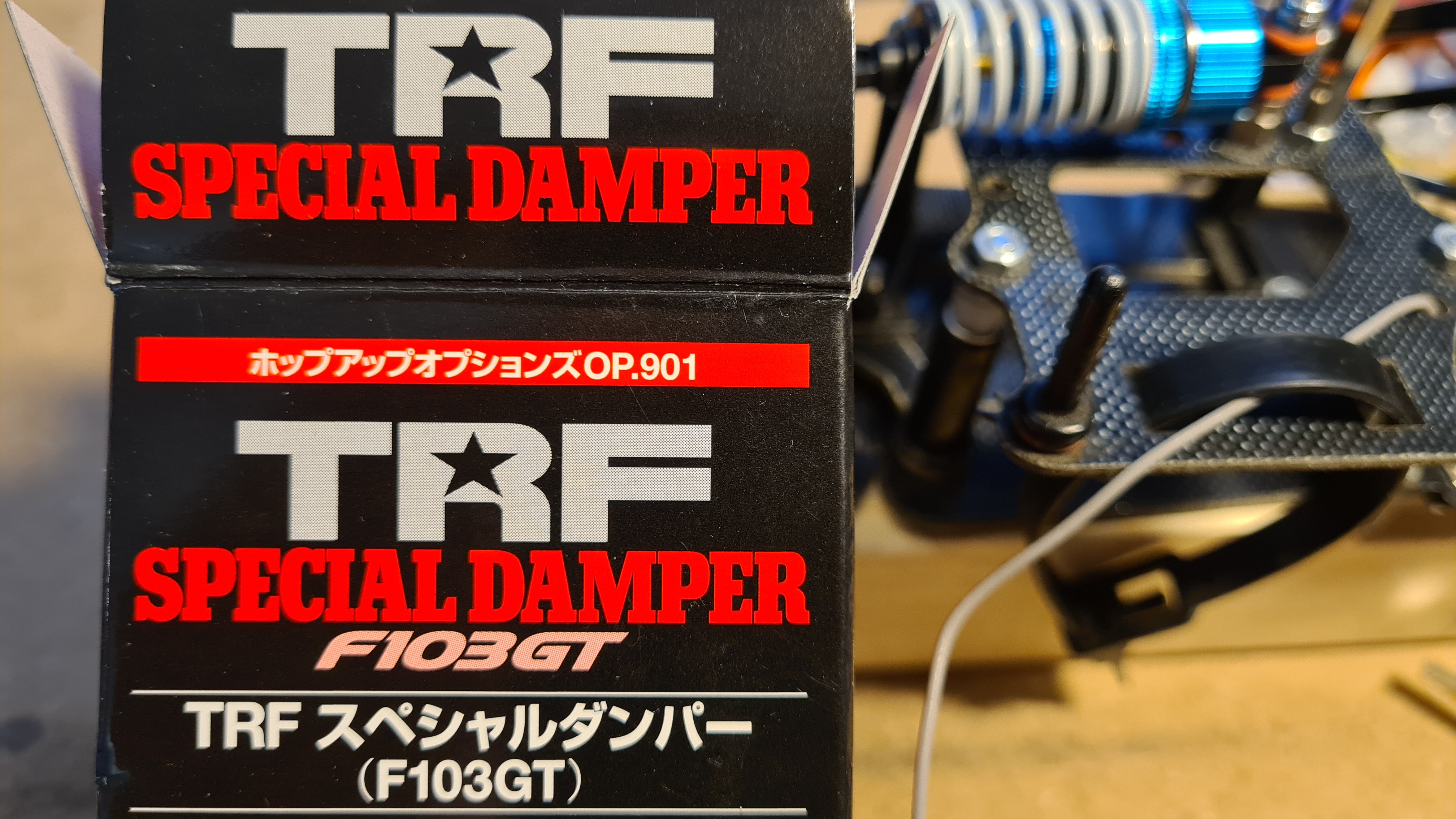
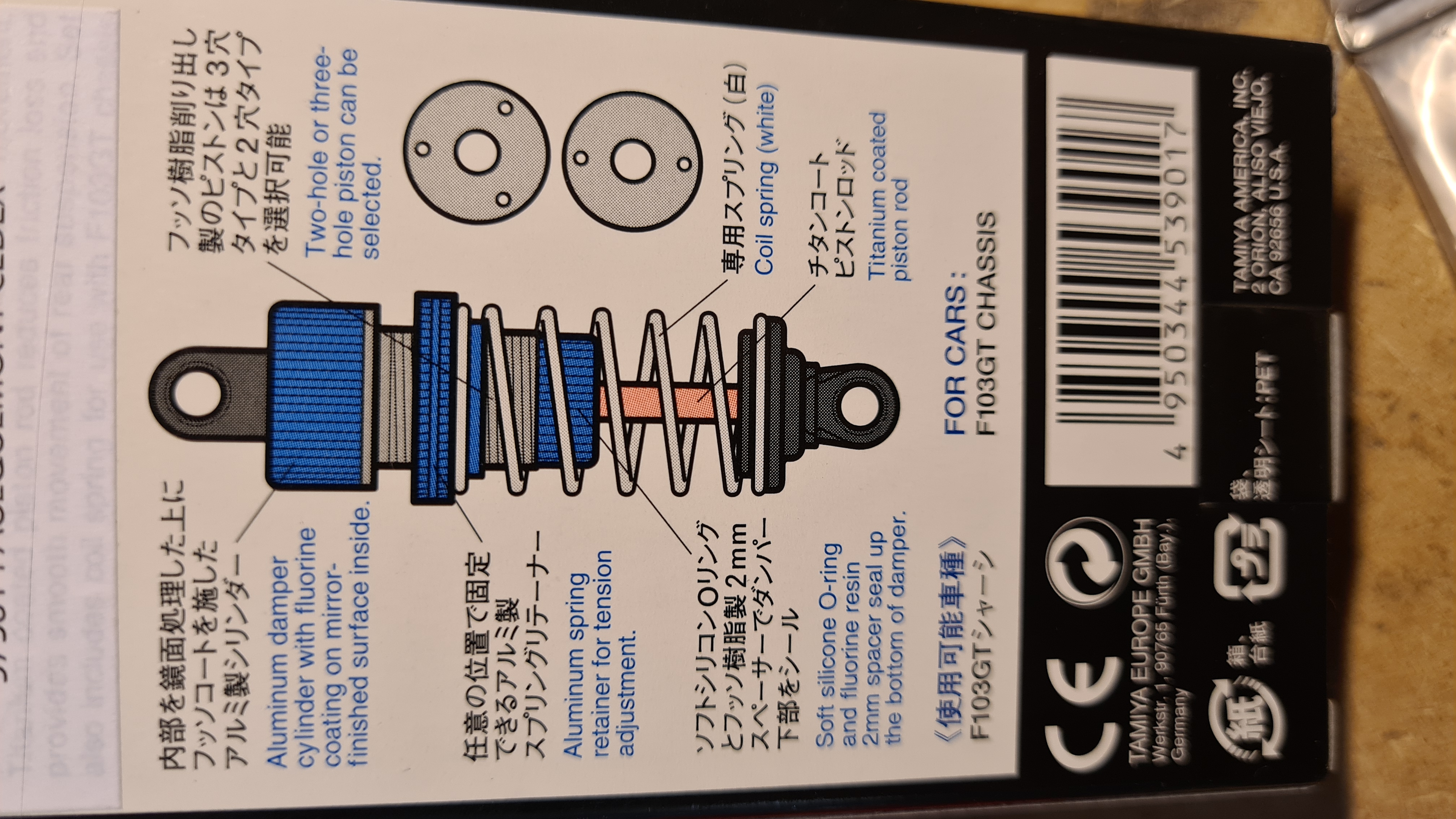
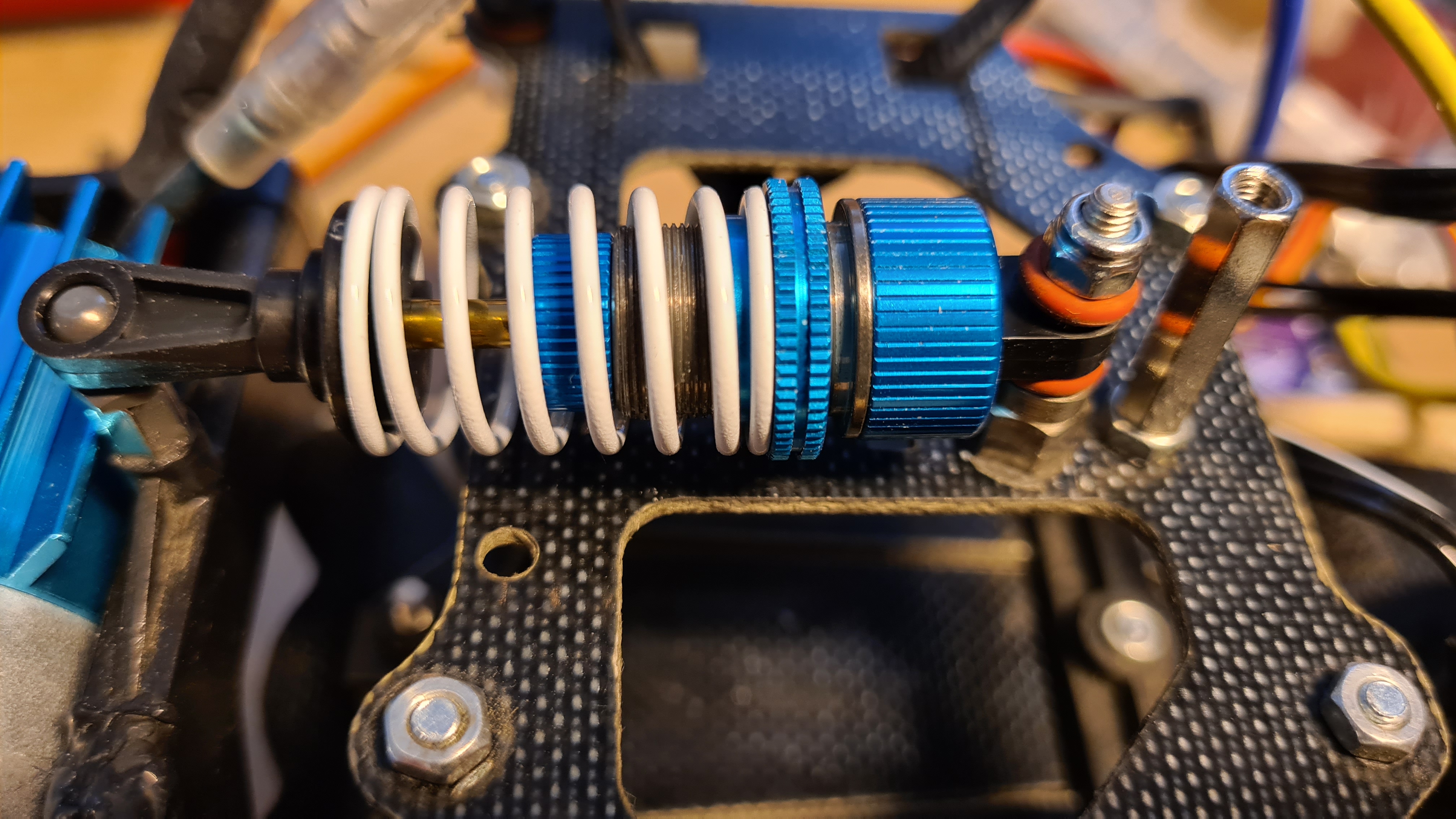
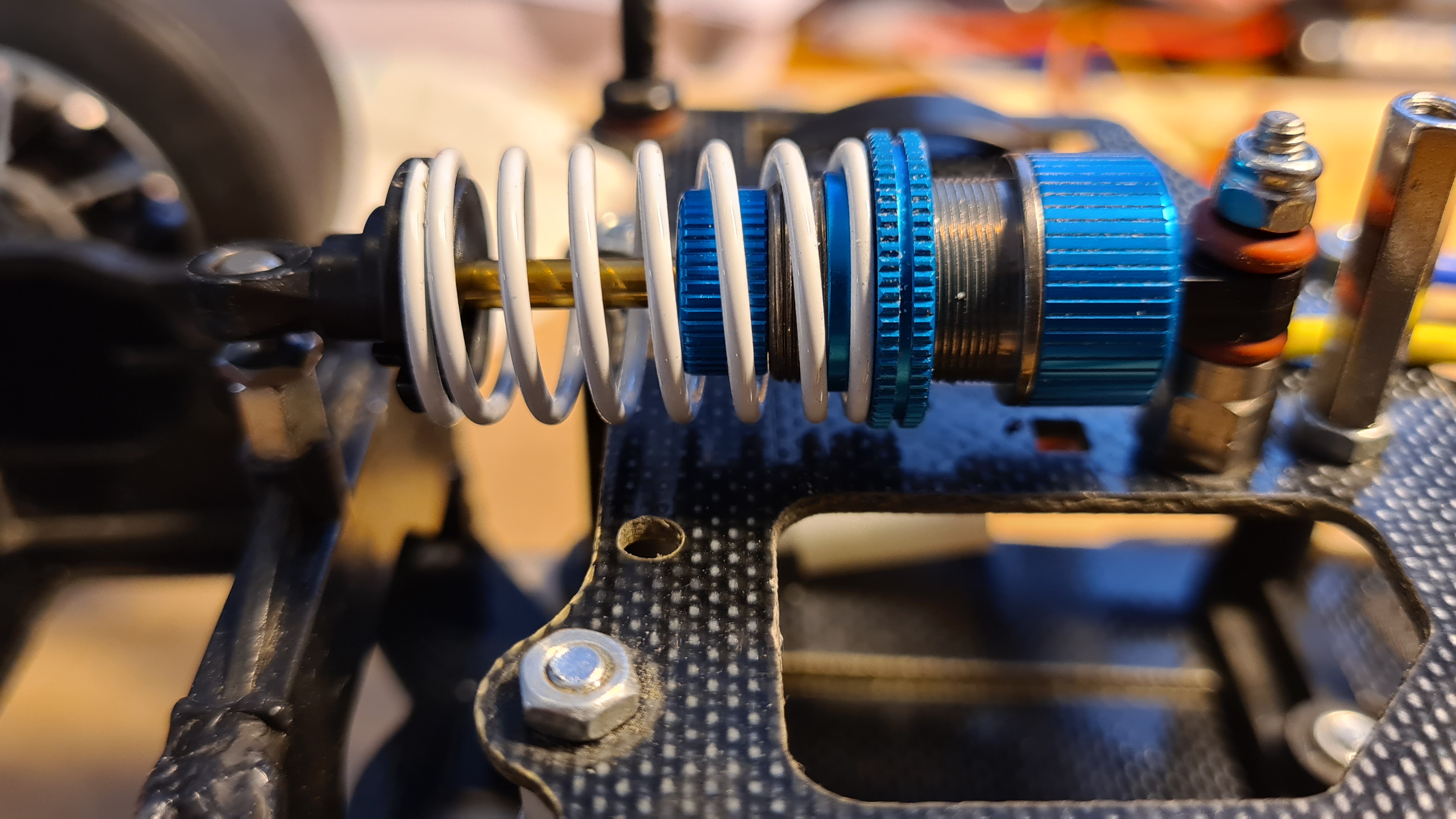
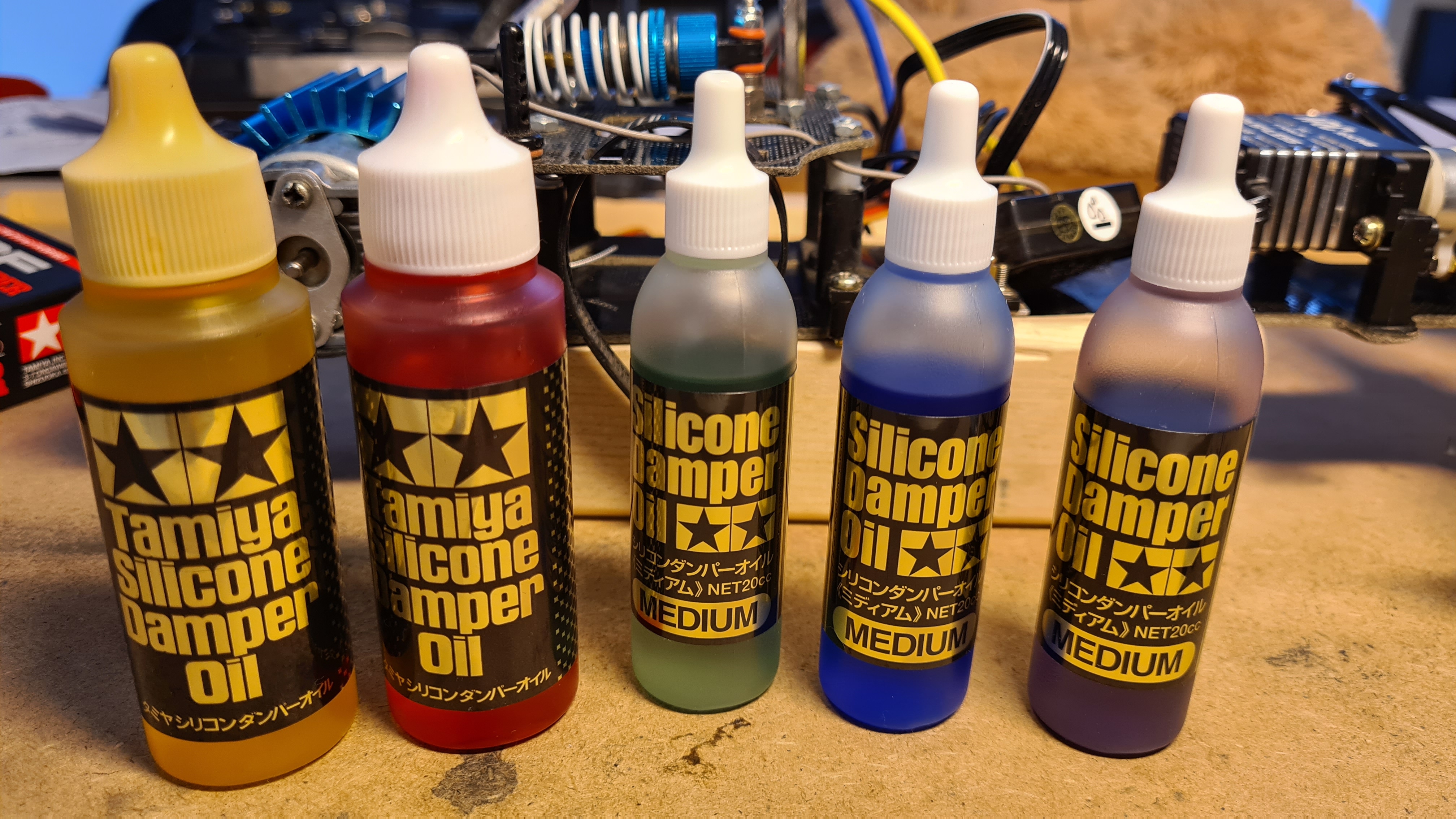
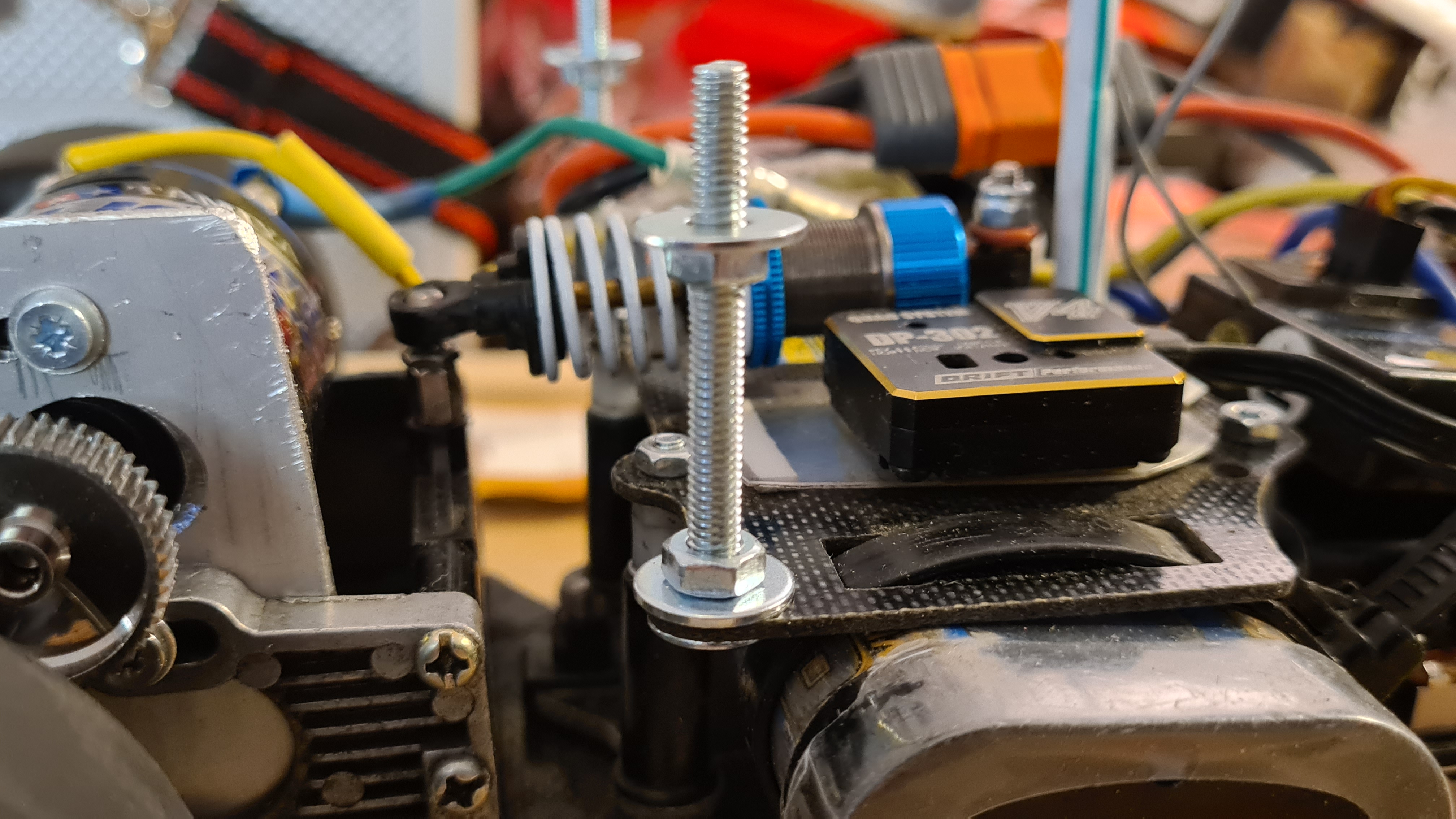
- The central damper system was replaced with a TRF special aluminium tension-adjustable damper, filled with medium damper oil, in addition to new front springs.
- A SkyRC GSM-015 GNSS speed and GPS positioning sensor was installed that allows full trajectory sampling up to 10 Hz.
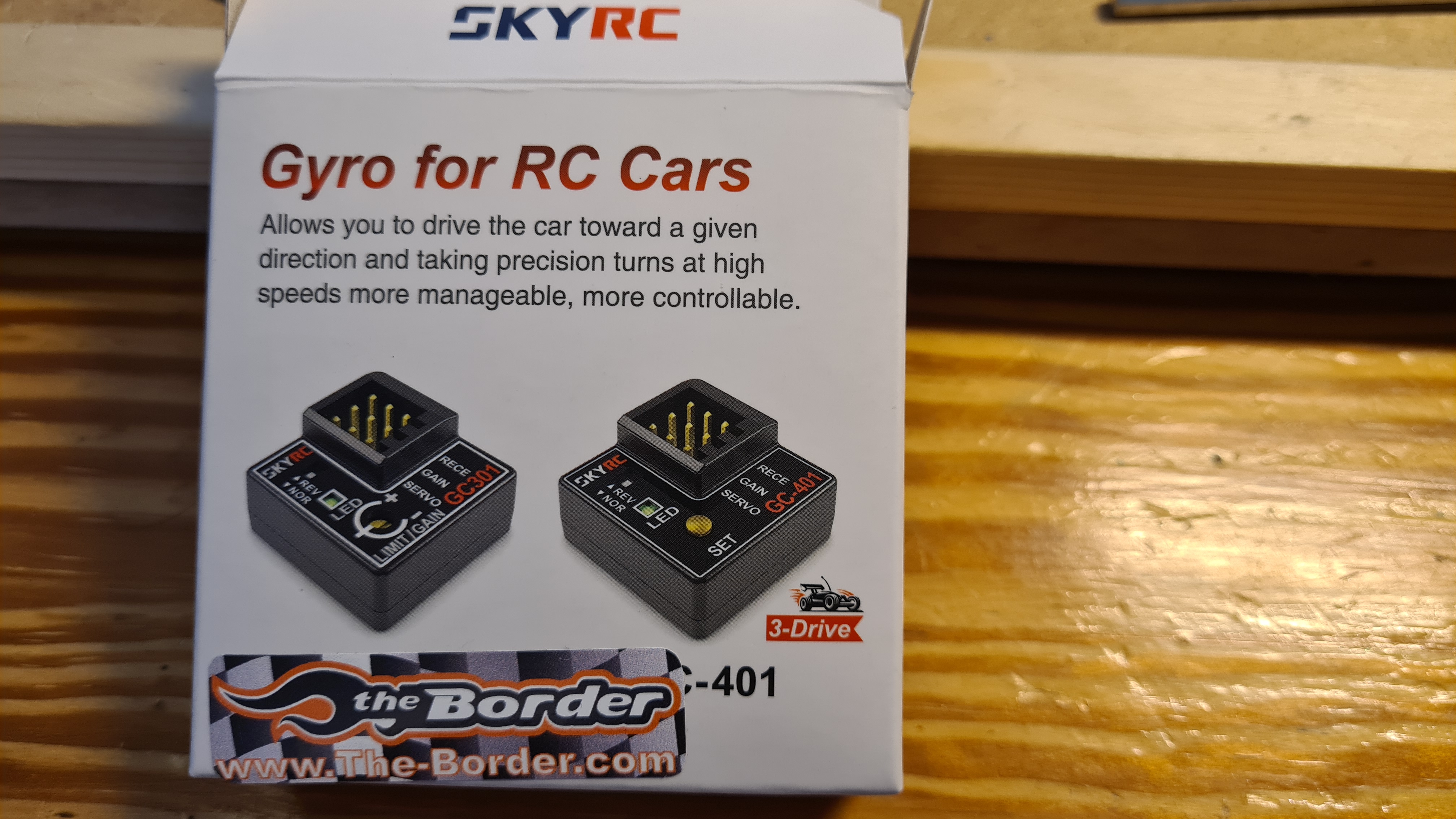
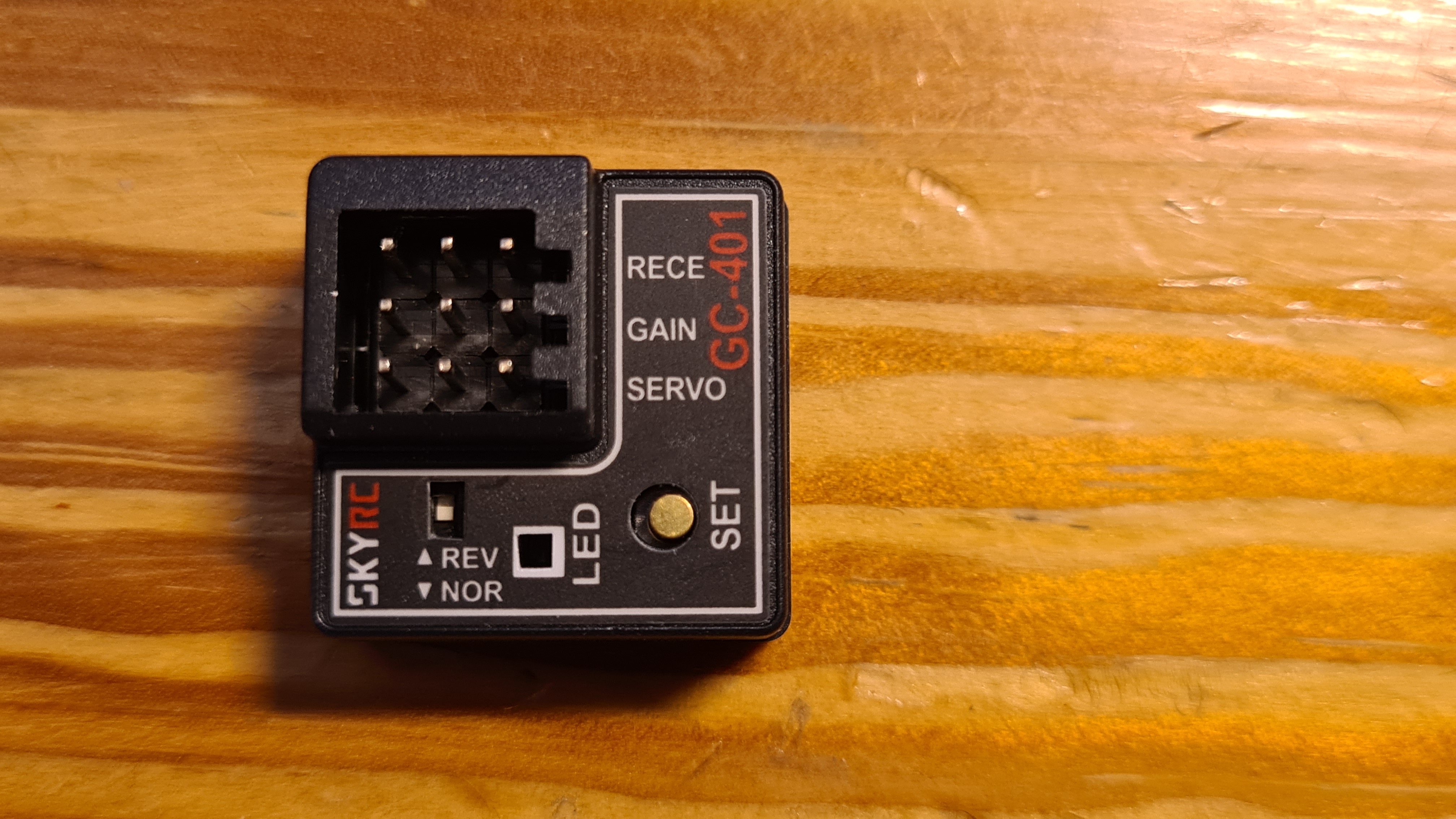
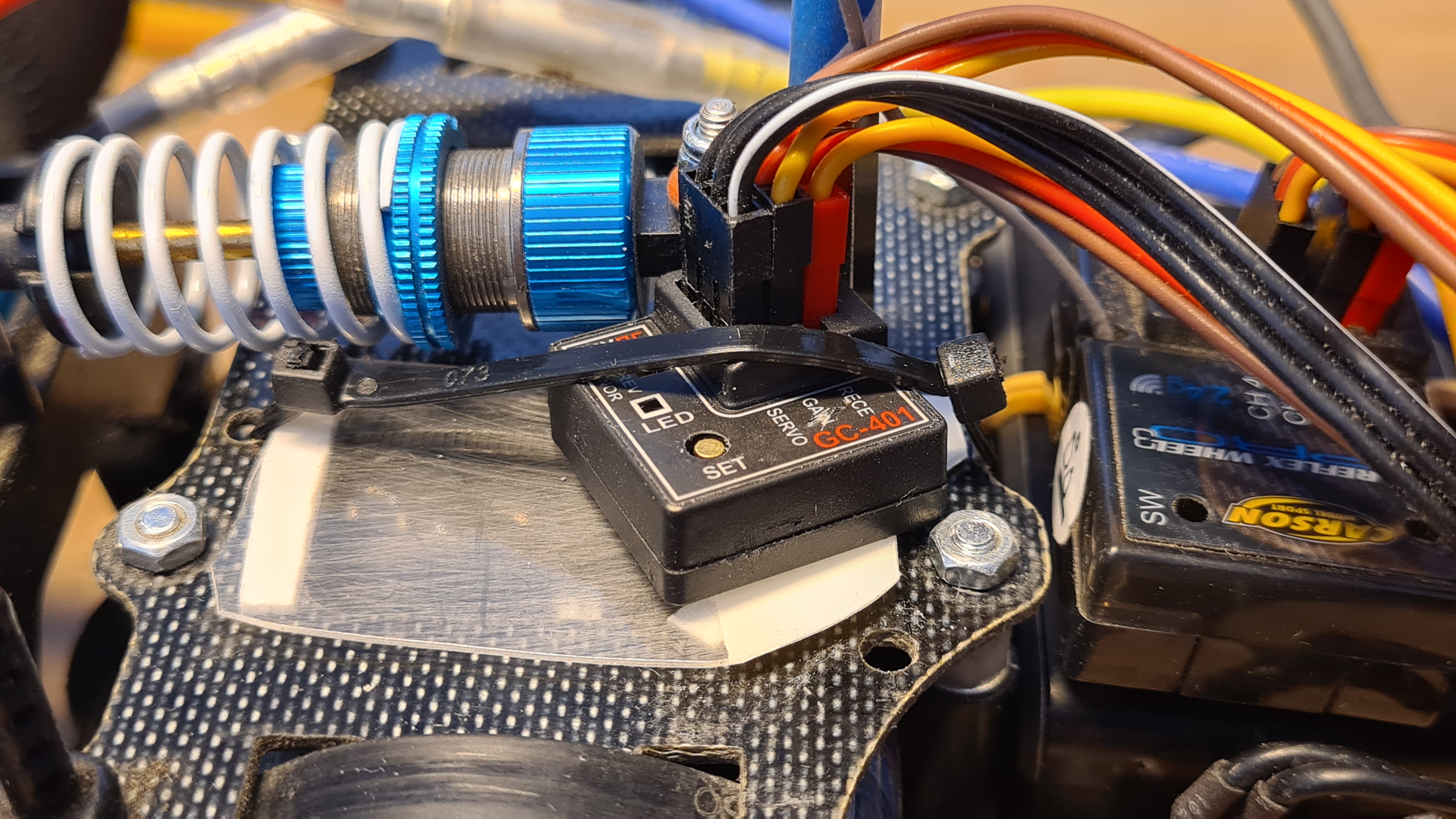
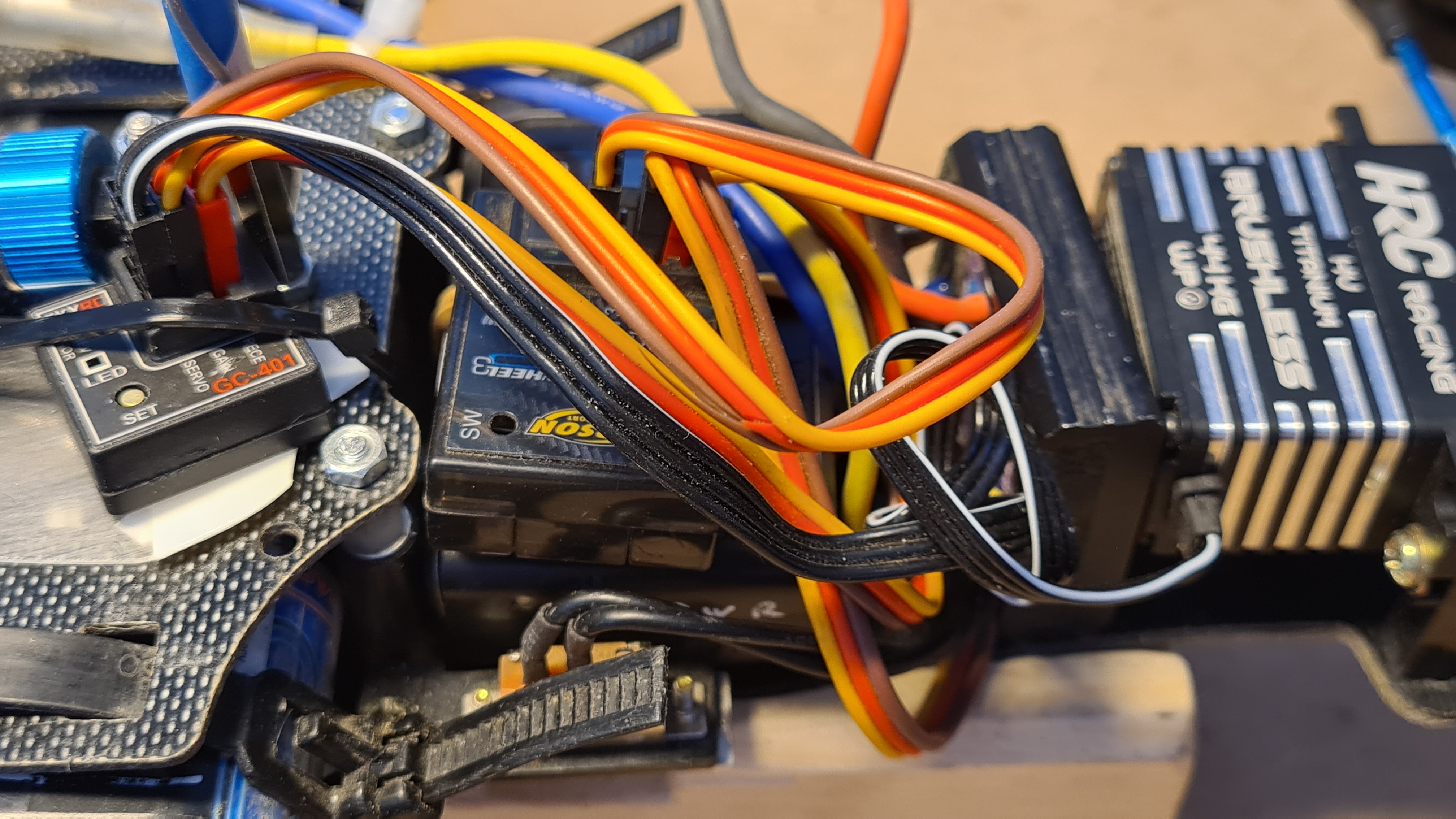
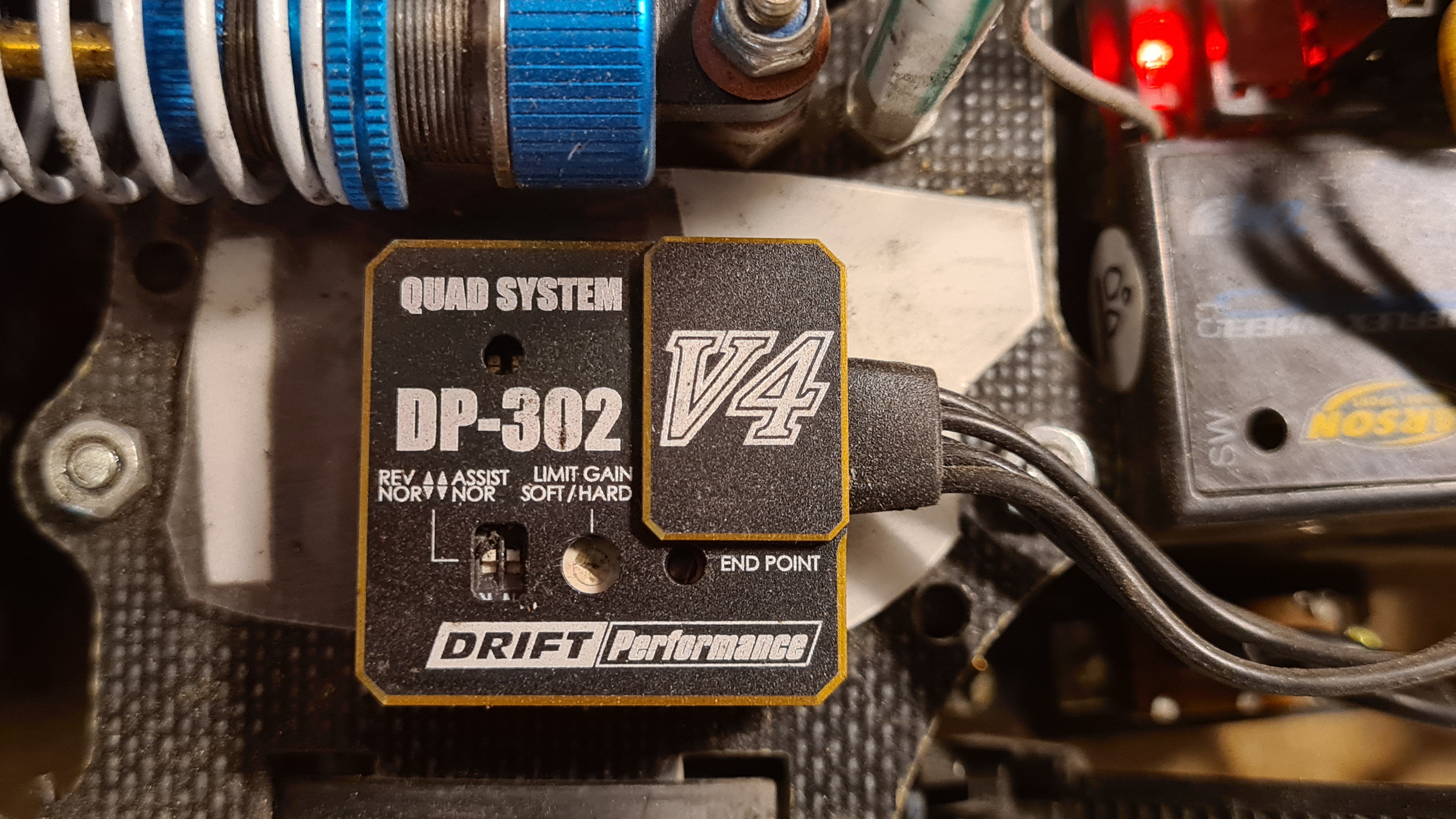
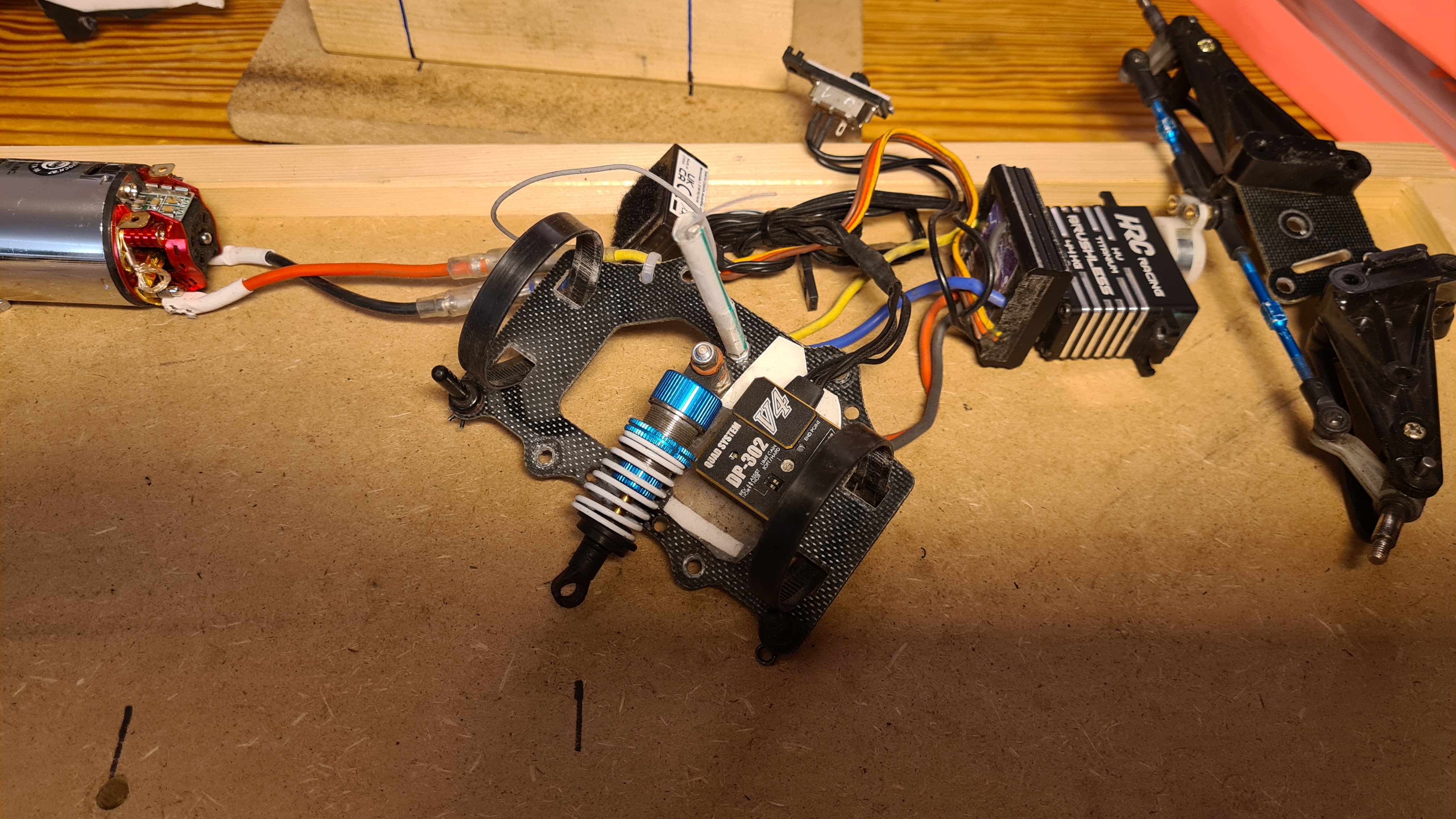
- In addition, a SkyRC GC-401 gyroscope was initially mounted near the middle of the vehicle for additional steering assistance. It was then replaced with a Yokomo DP-302 V4 (manual) aluminium drift steering gyroscope (with slow-return assist mode) and moved to the centre of the vehicle on top of the bridge.
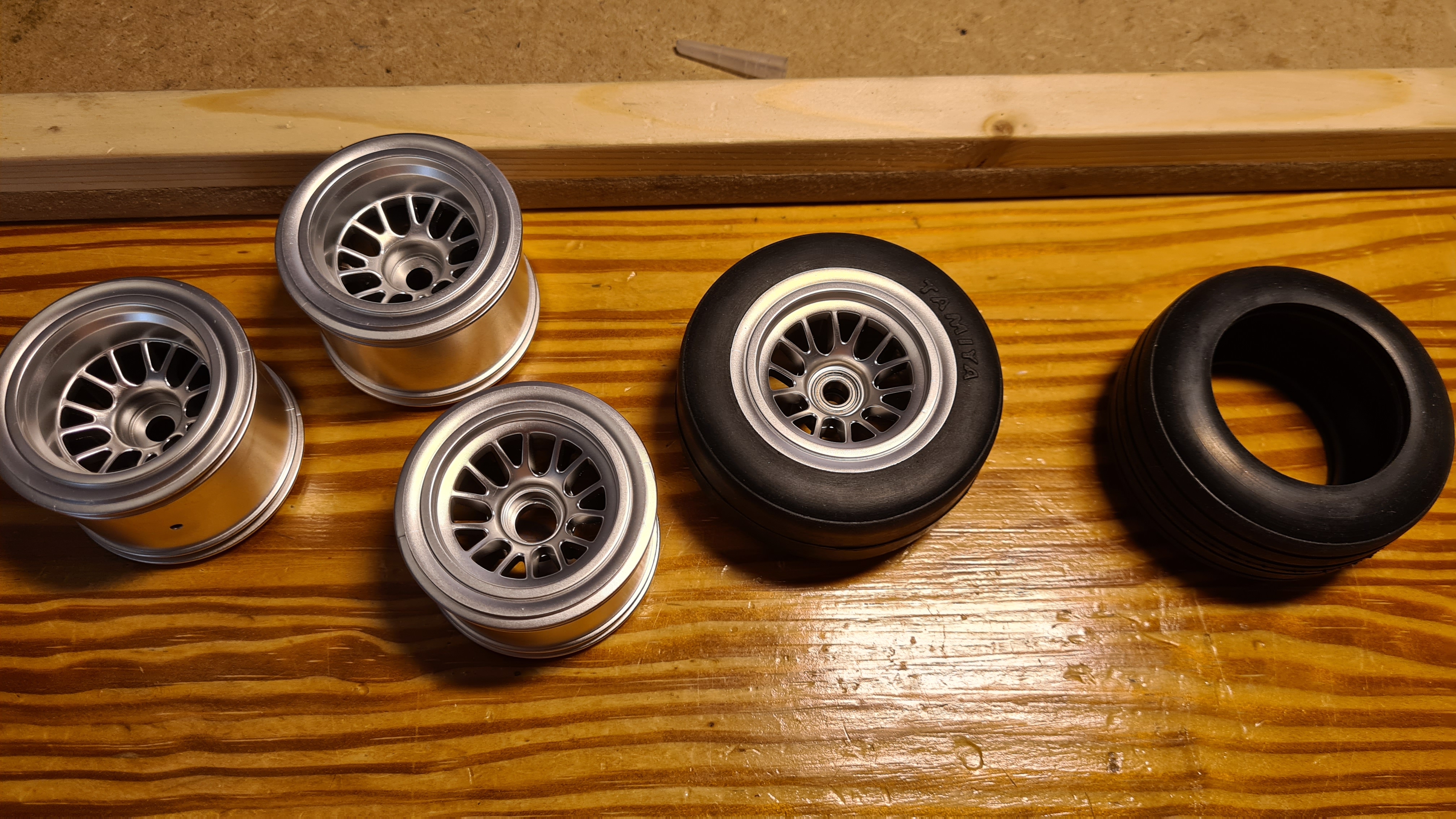
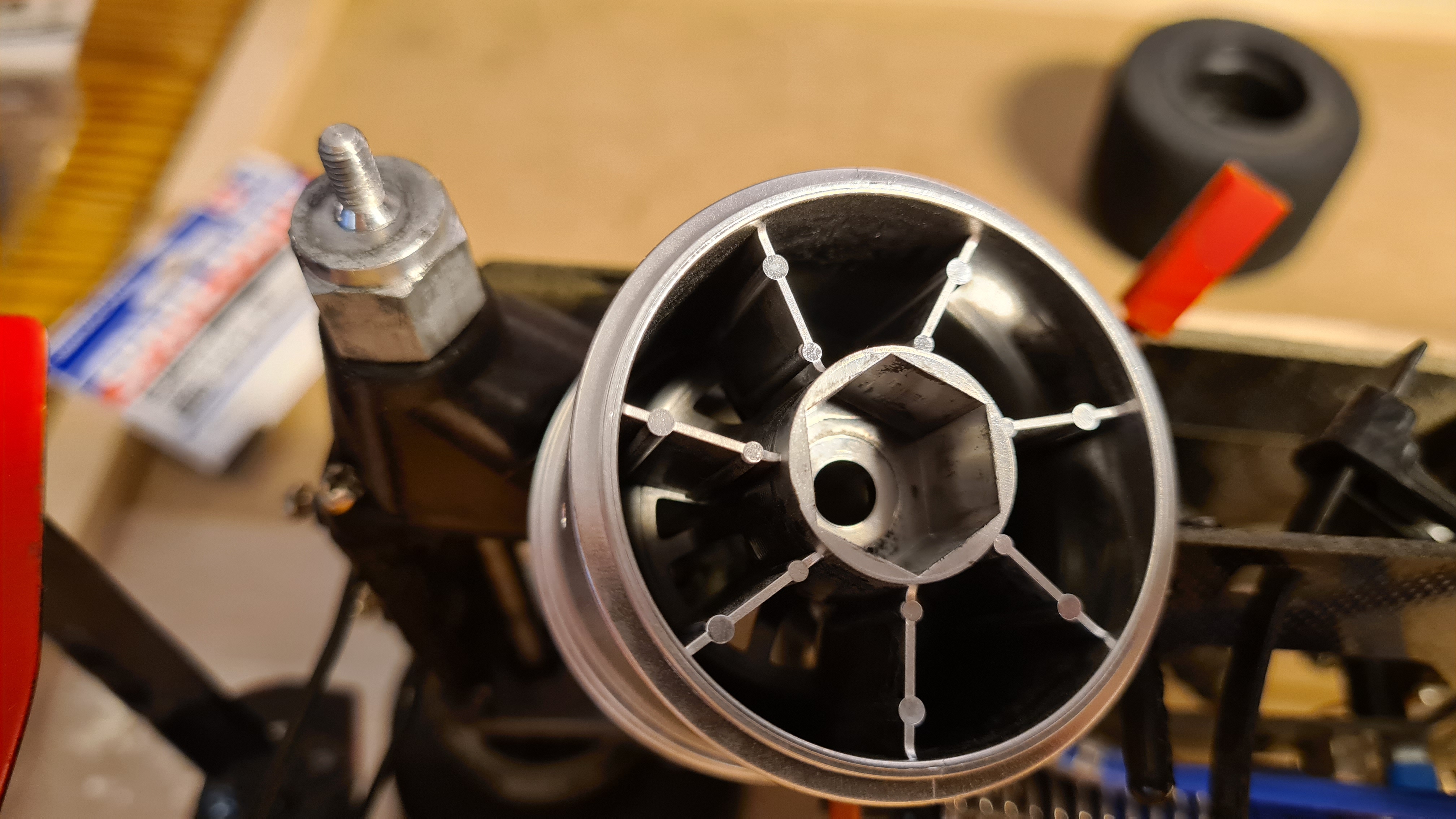
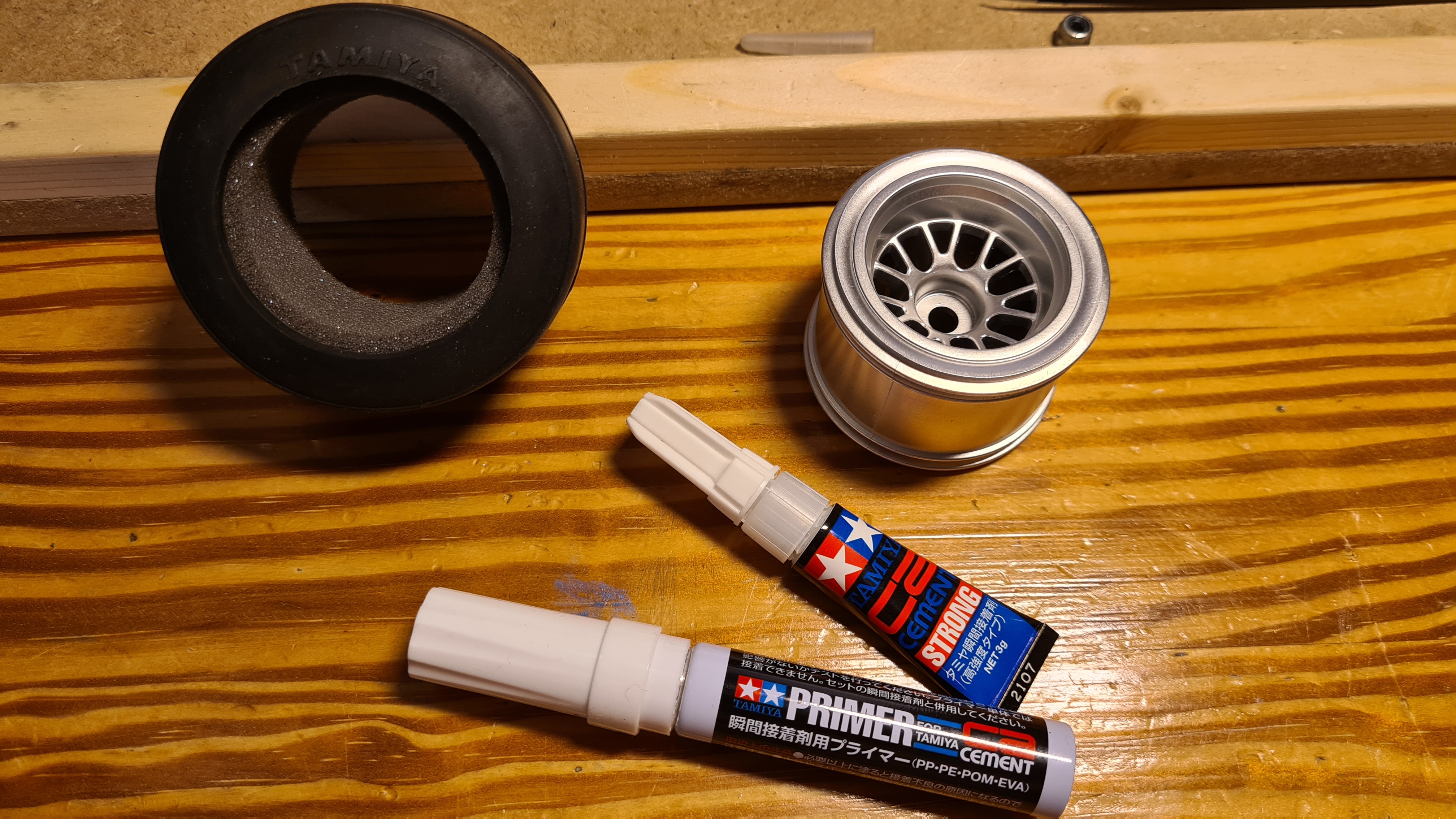
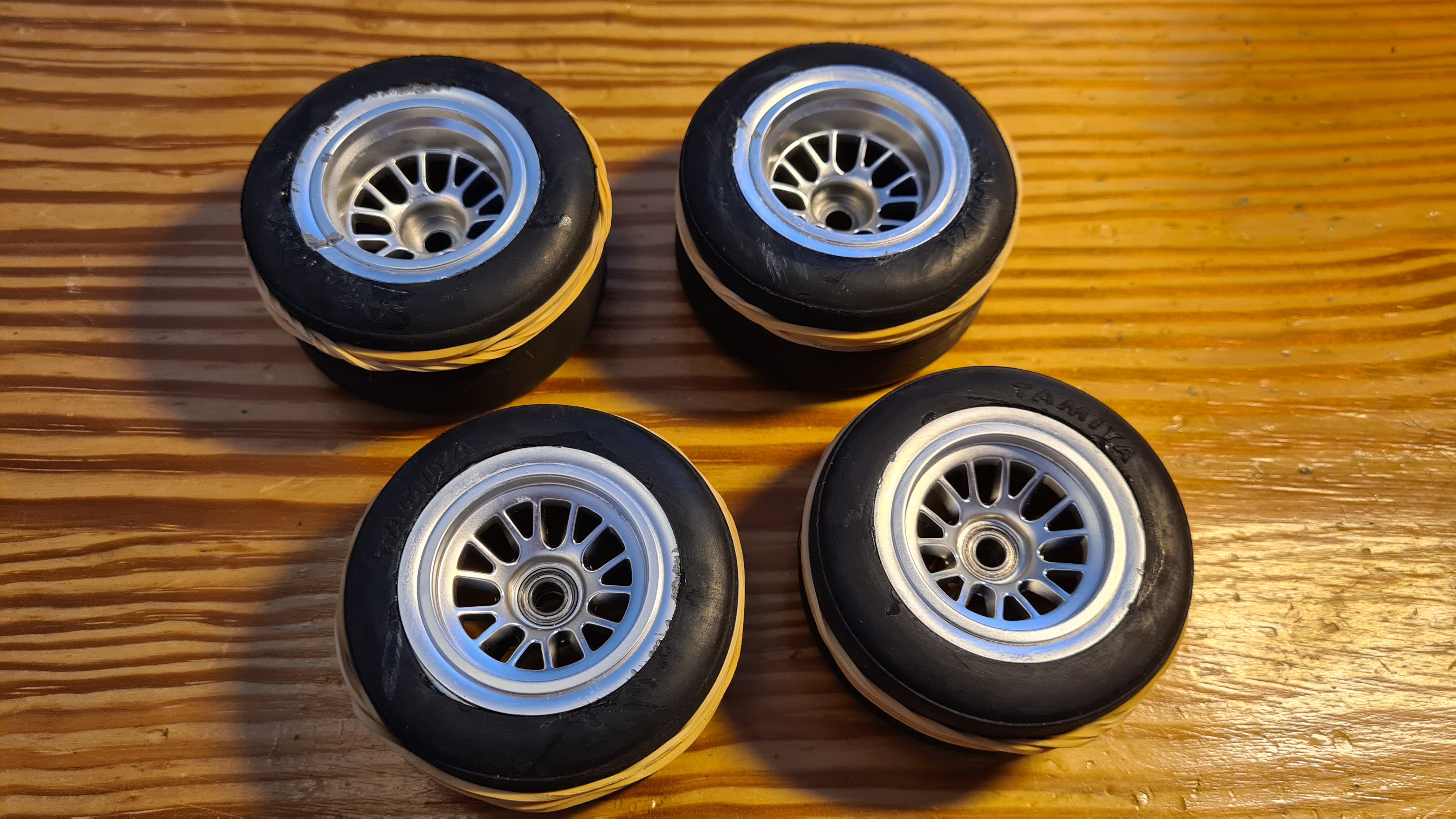
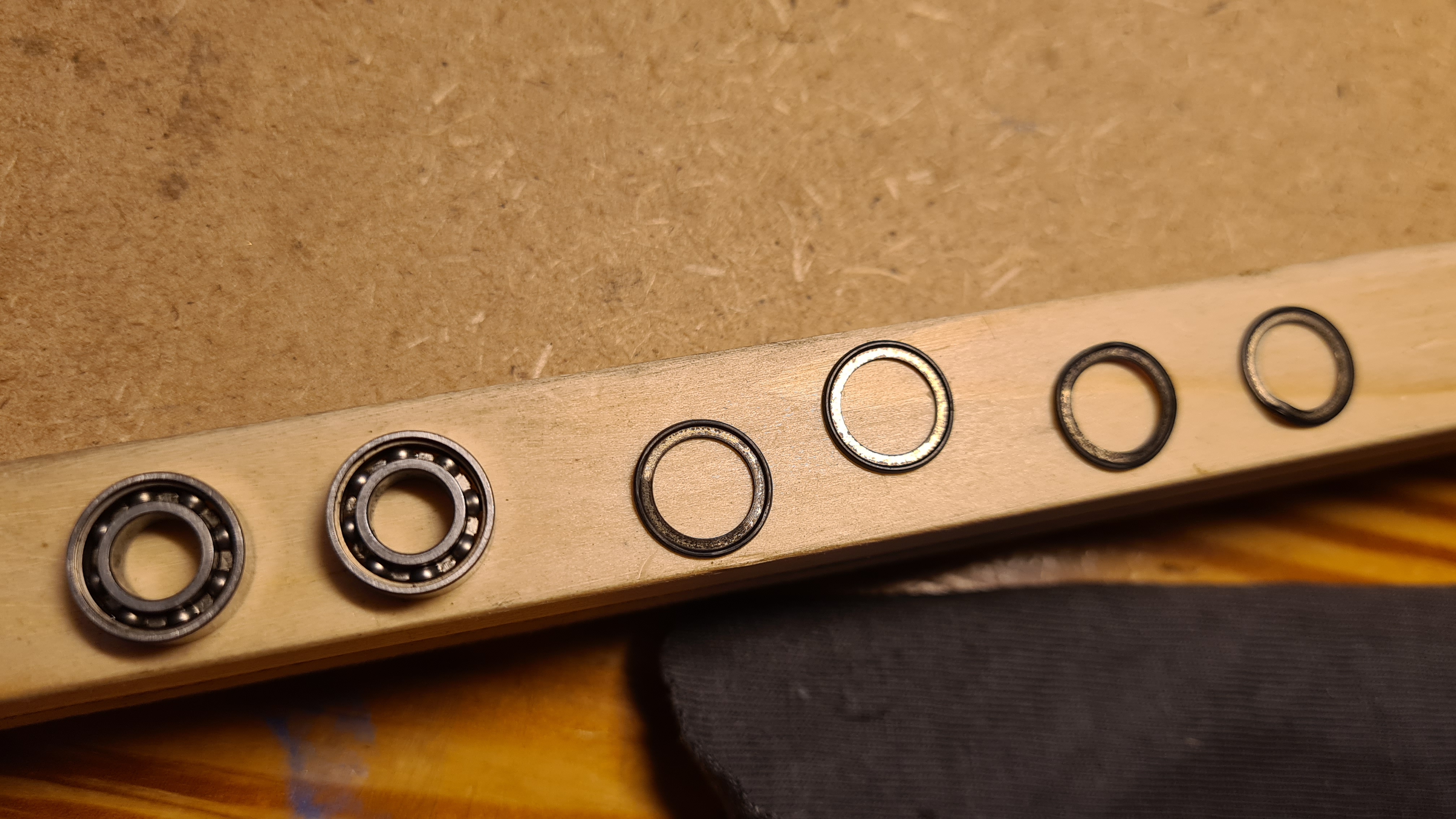
- The car can now also be fitted with full rubber tyres (front soft, front hard, rear soft, rear hard, wheels, and bearings). It now weighs approximately 1.4 kg.
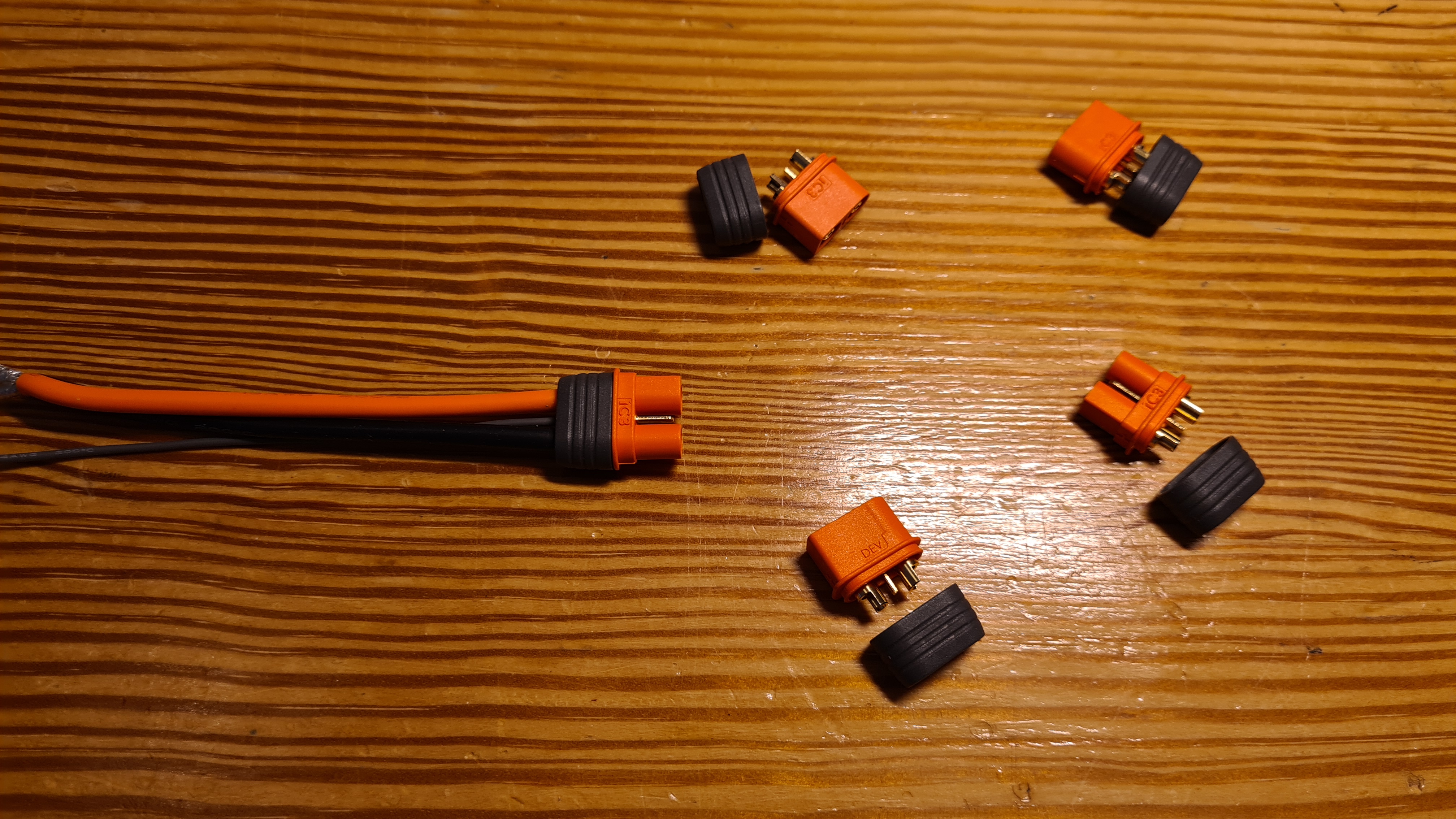
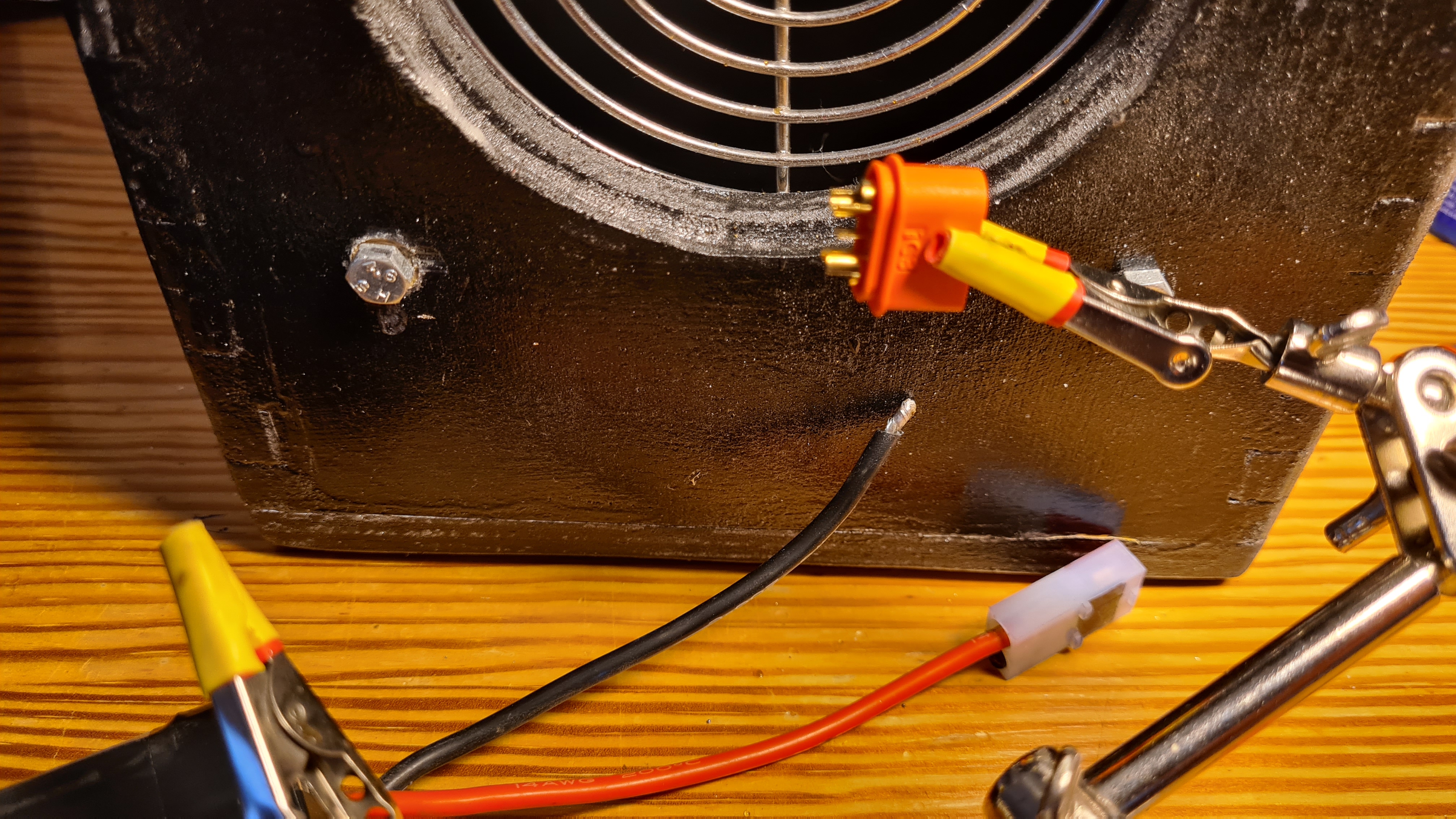
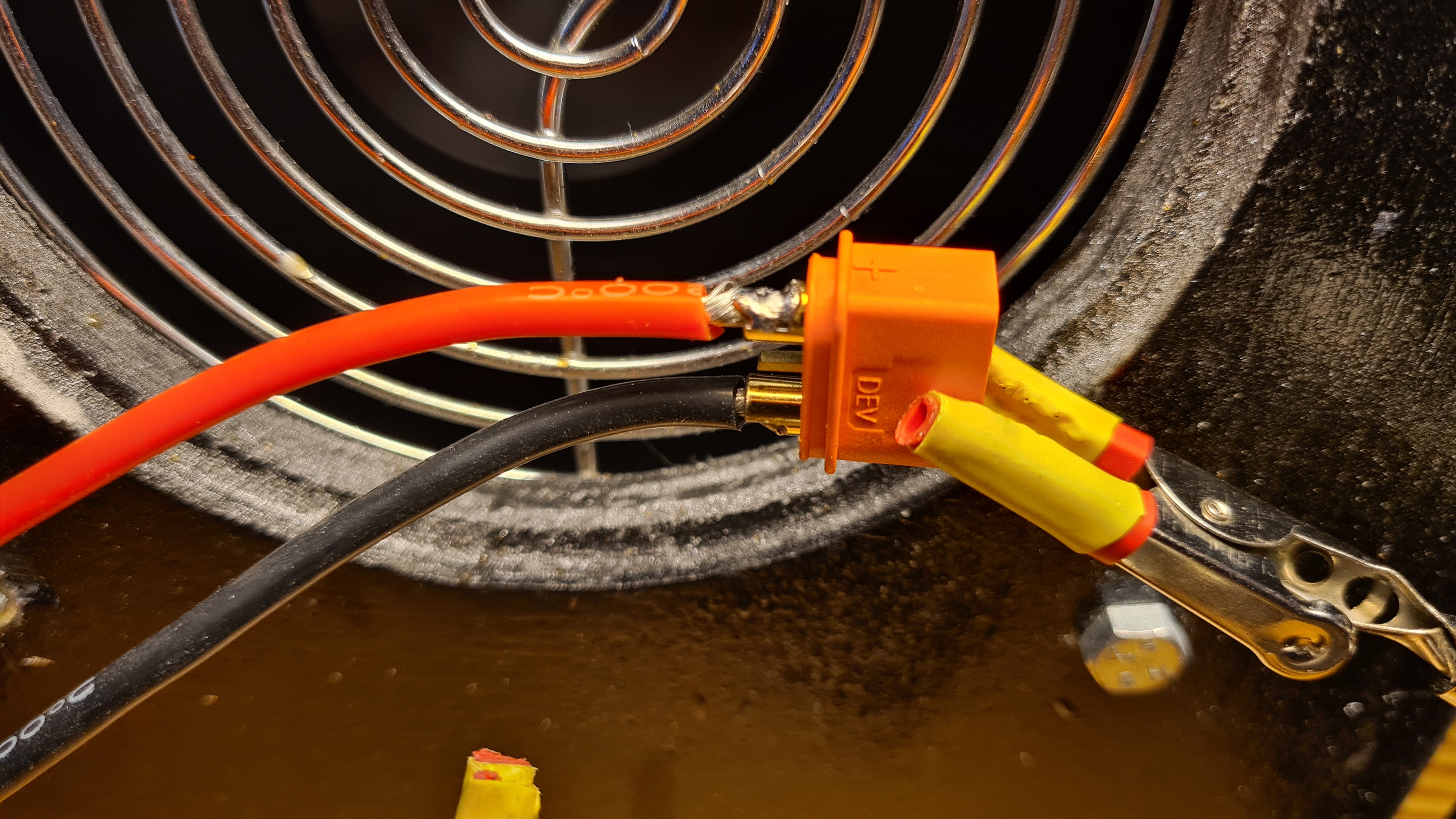
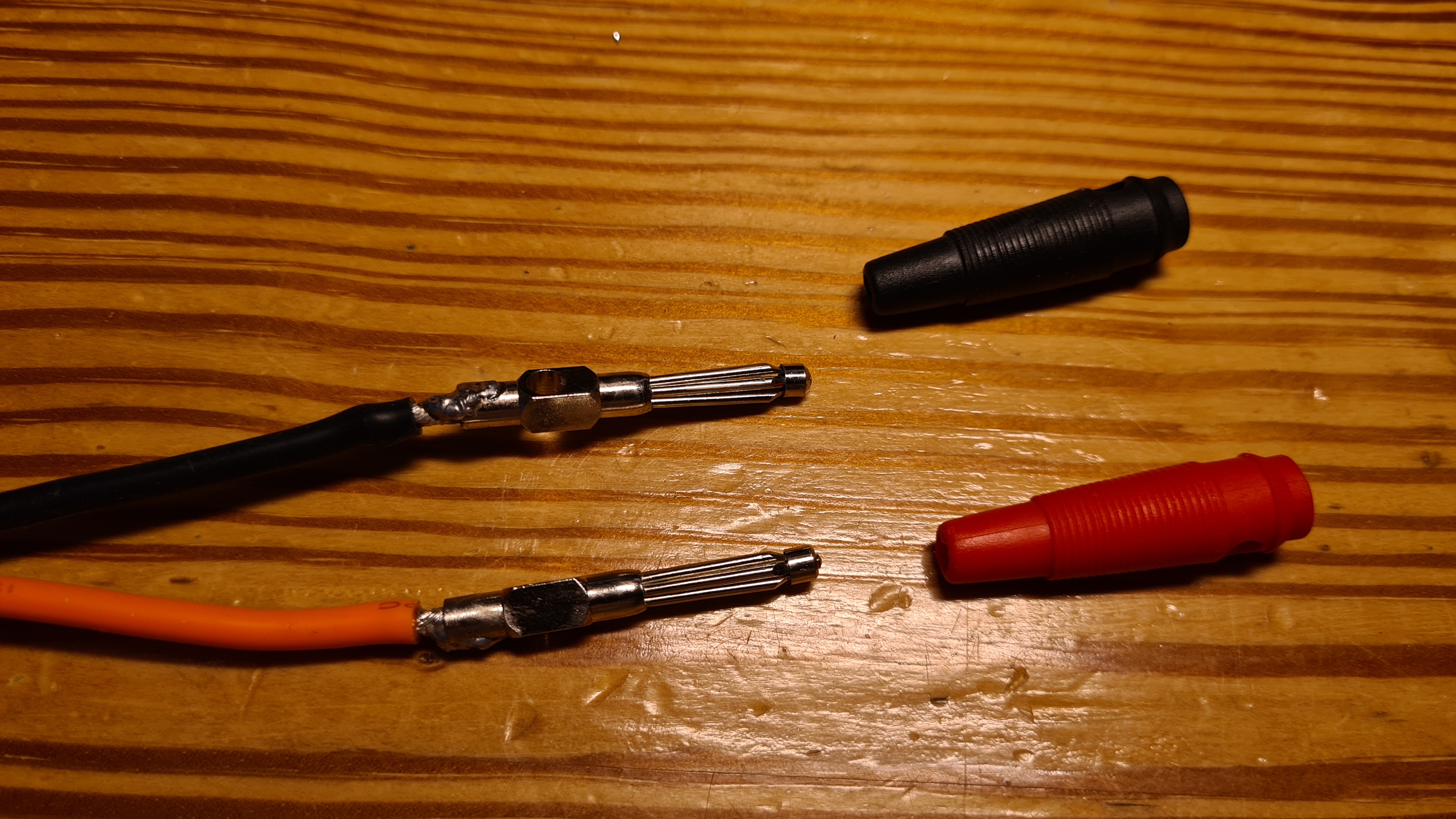
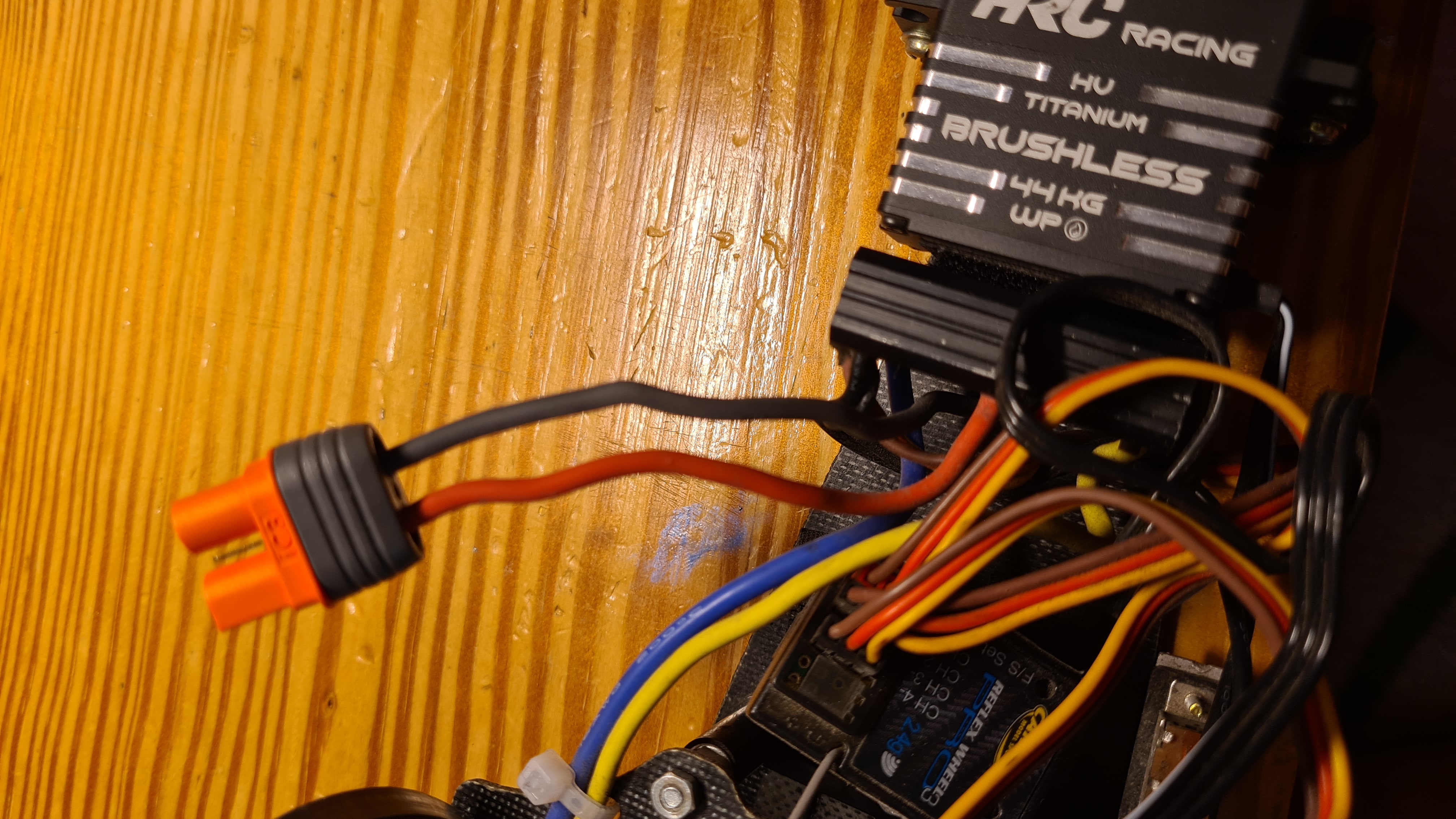
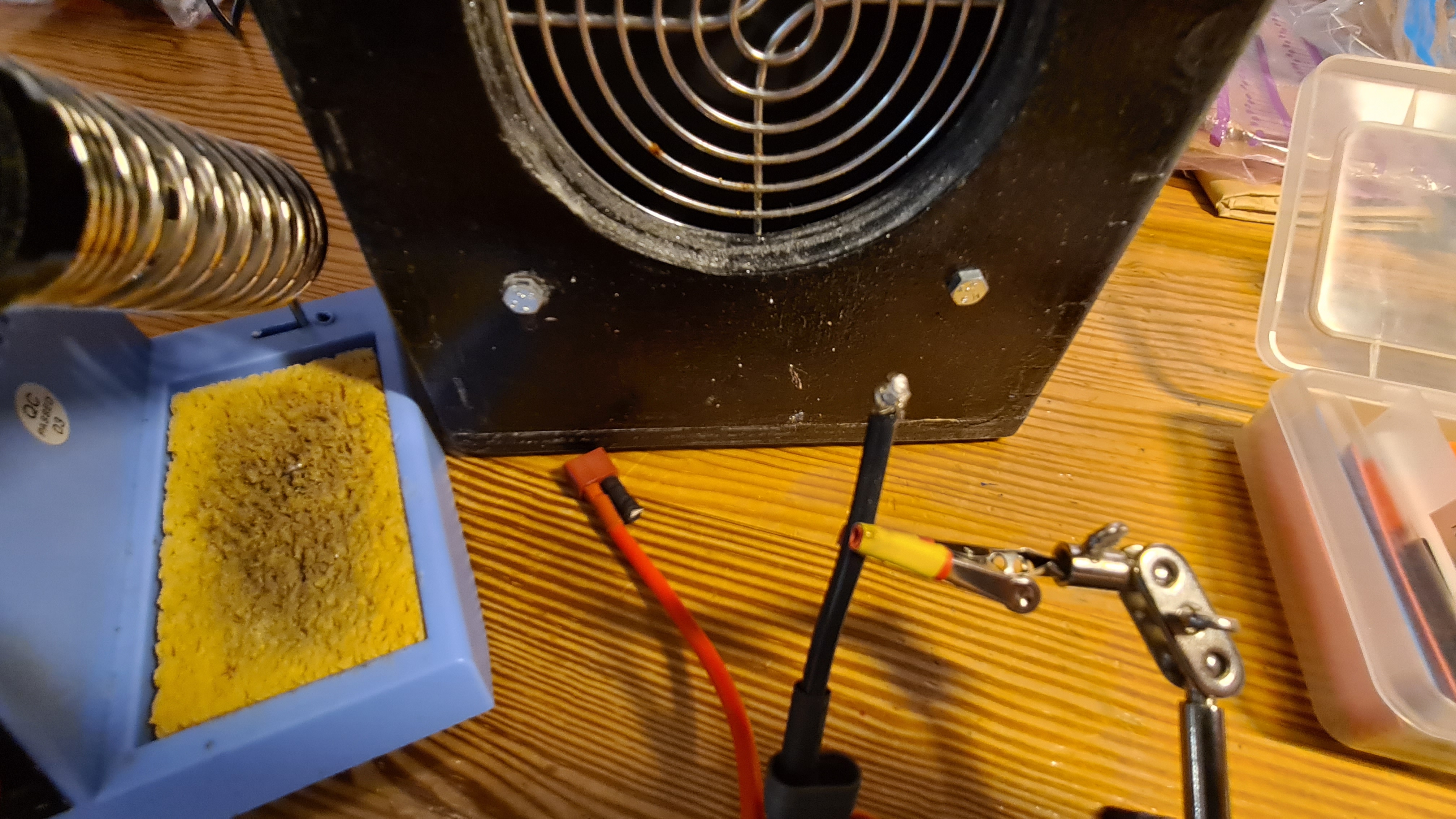
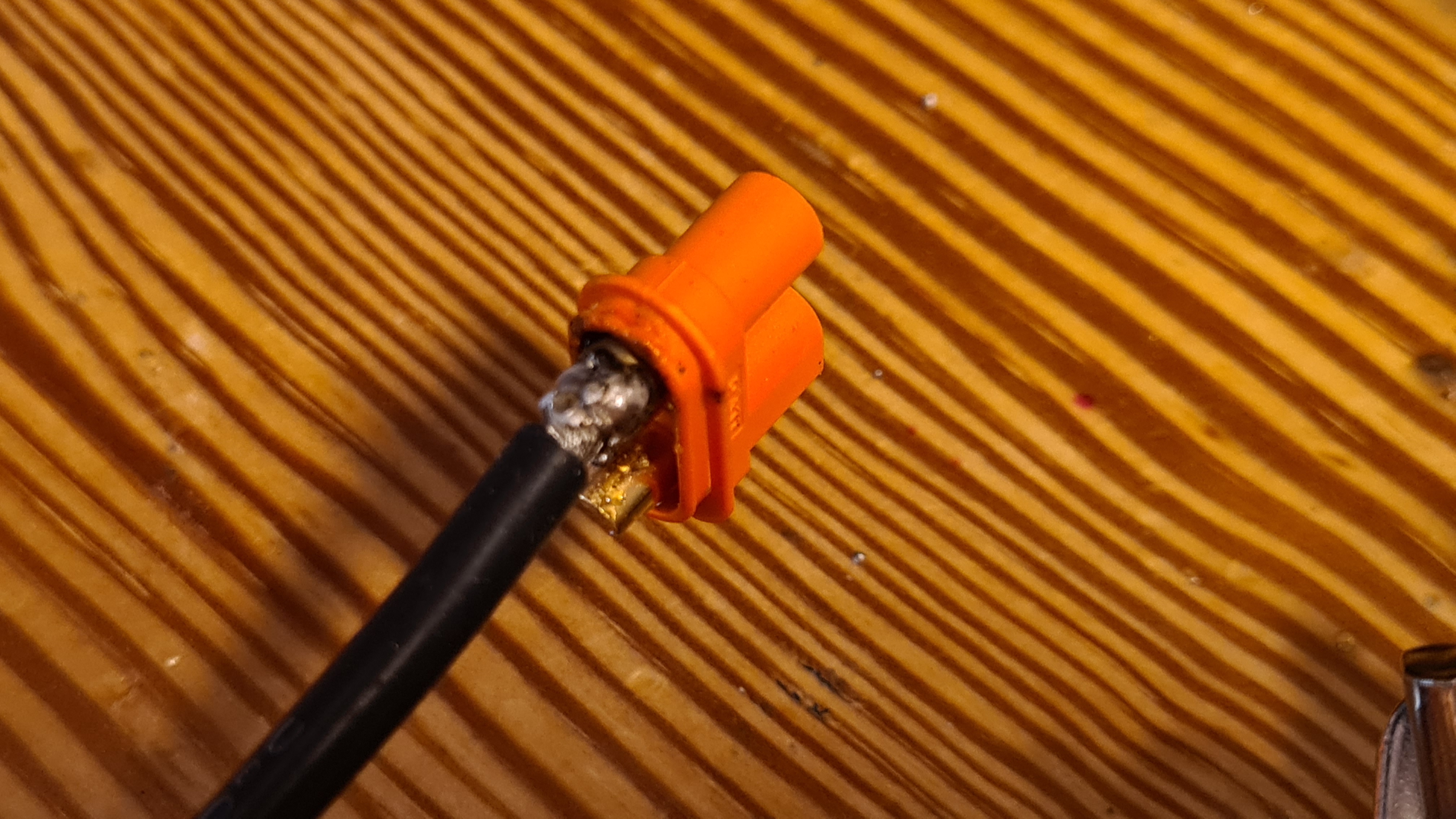
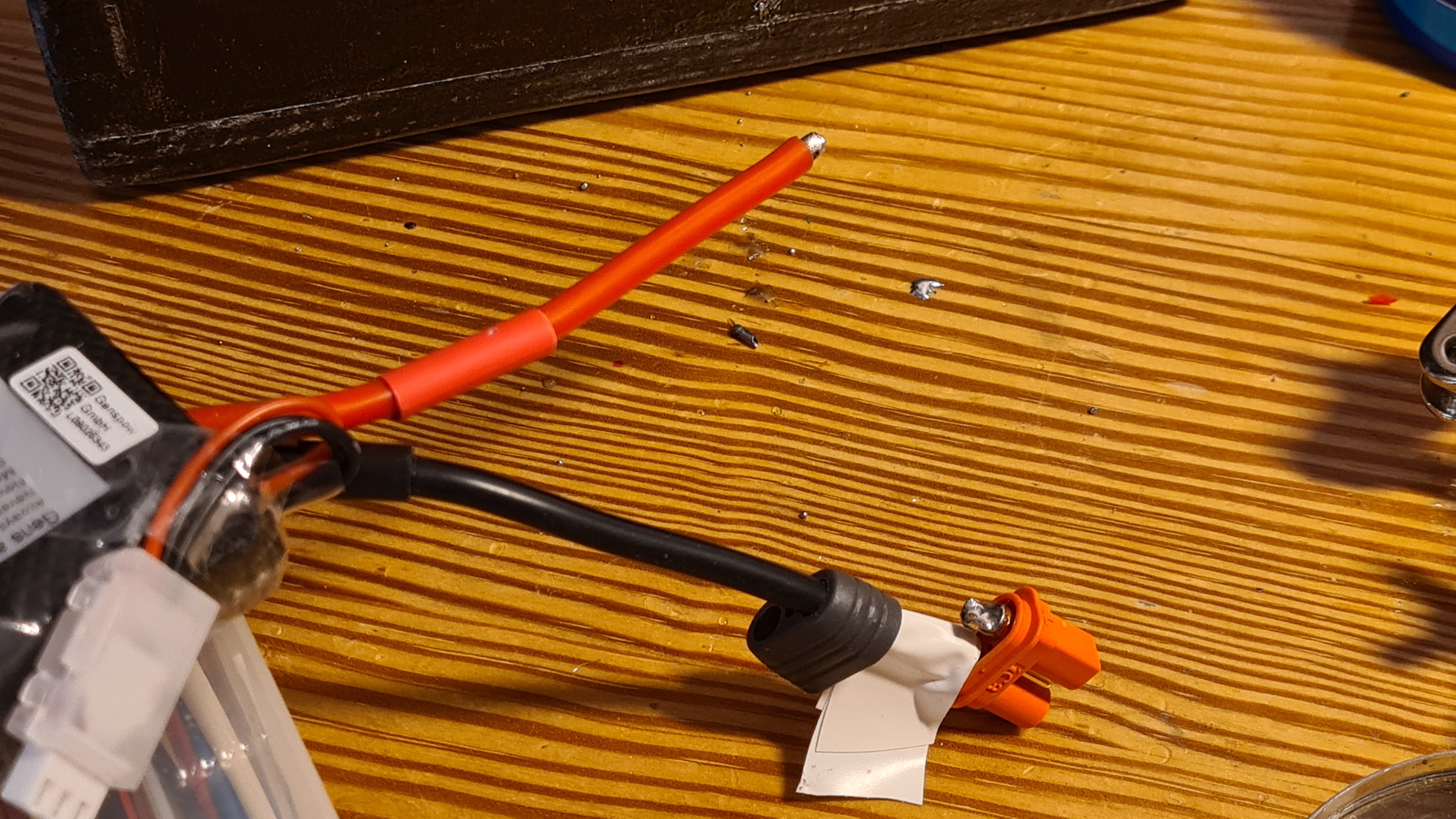
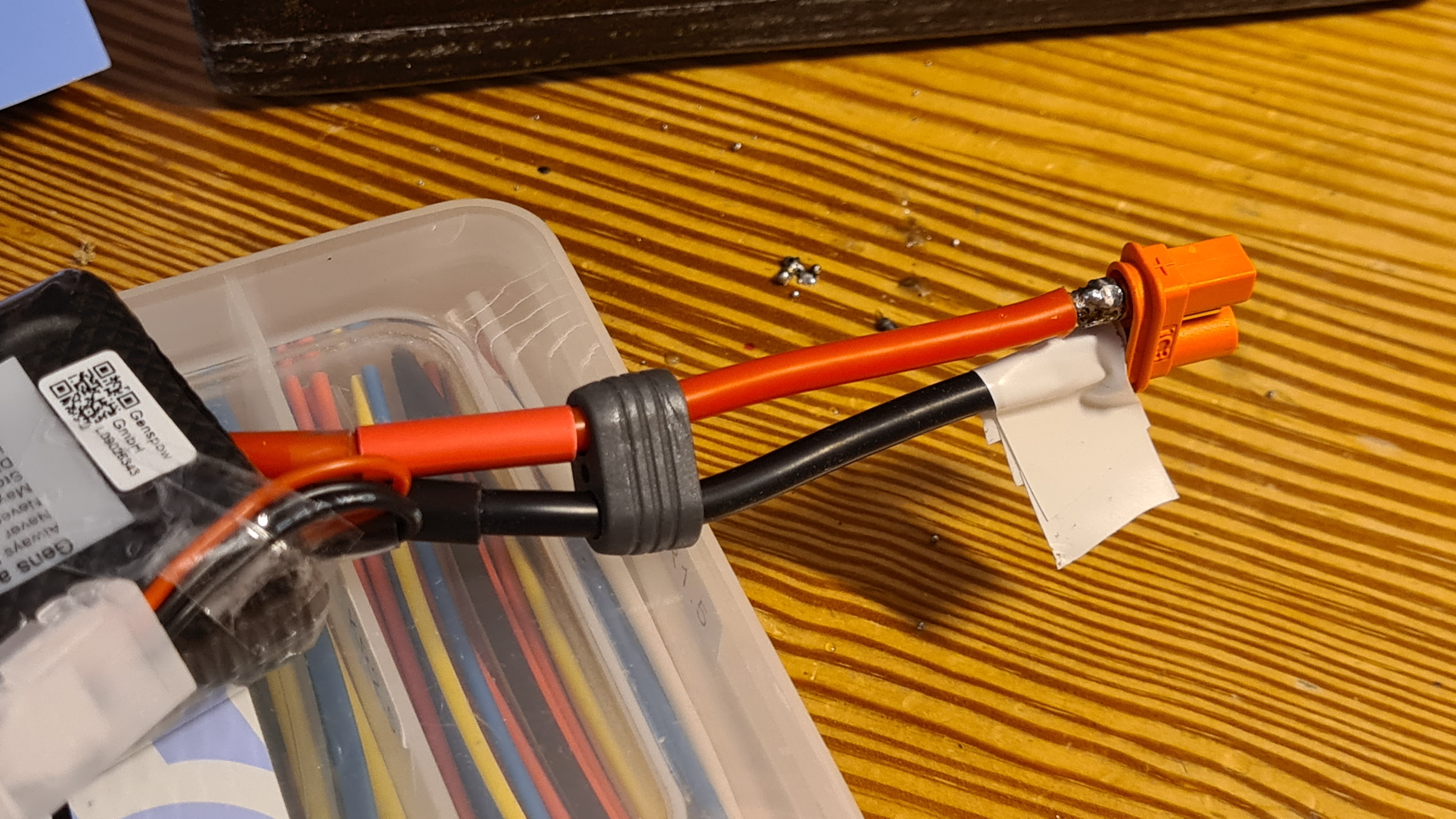
- All Tamiya-style battery connectors were also replaced with IC3 ones (capable of handling 60 A continous current). They have been treated with silicone for smoother (dis)connecting.
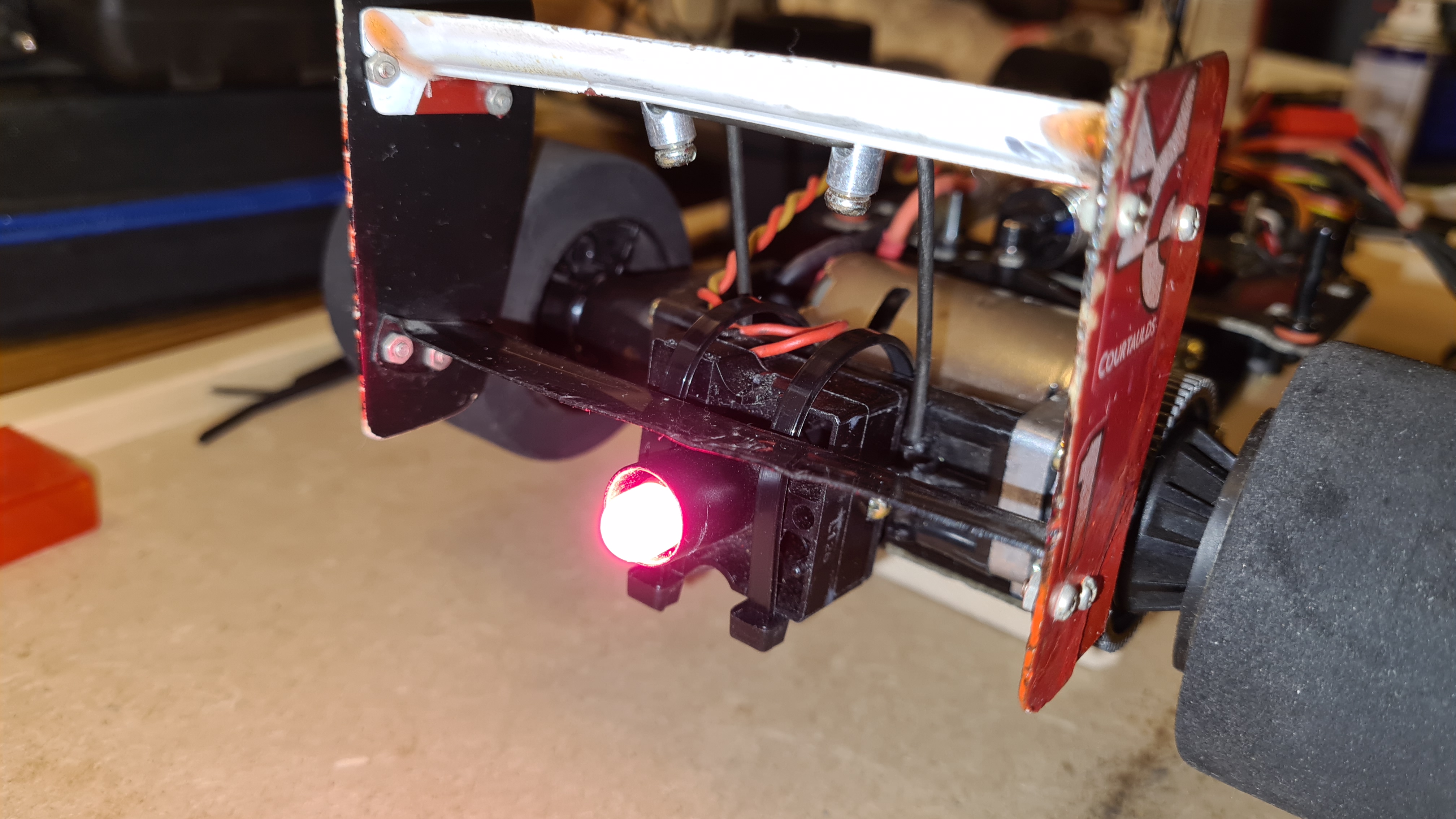
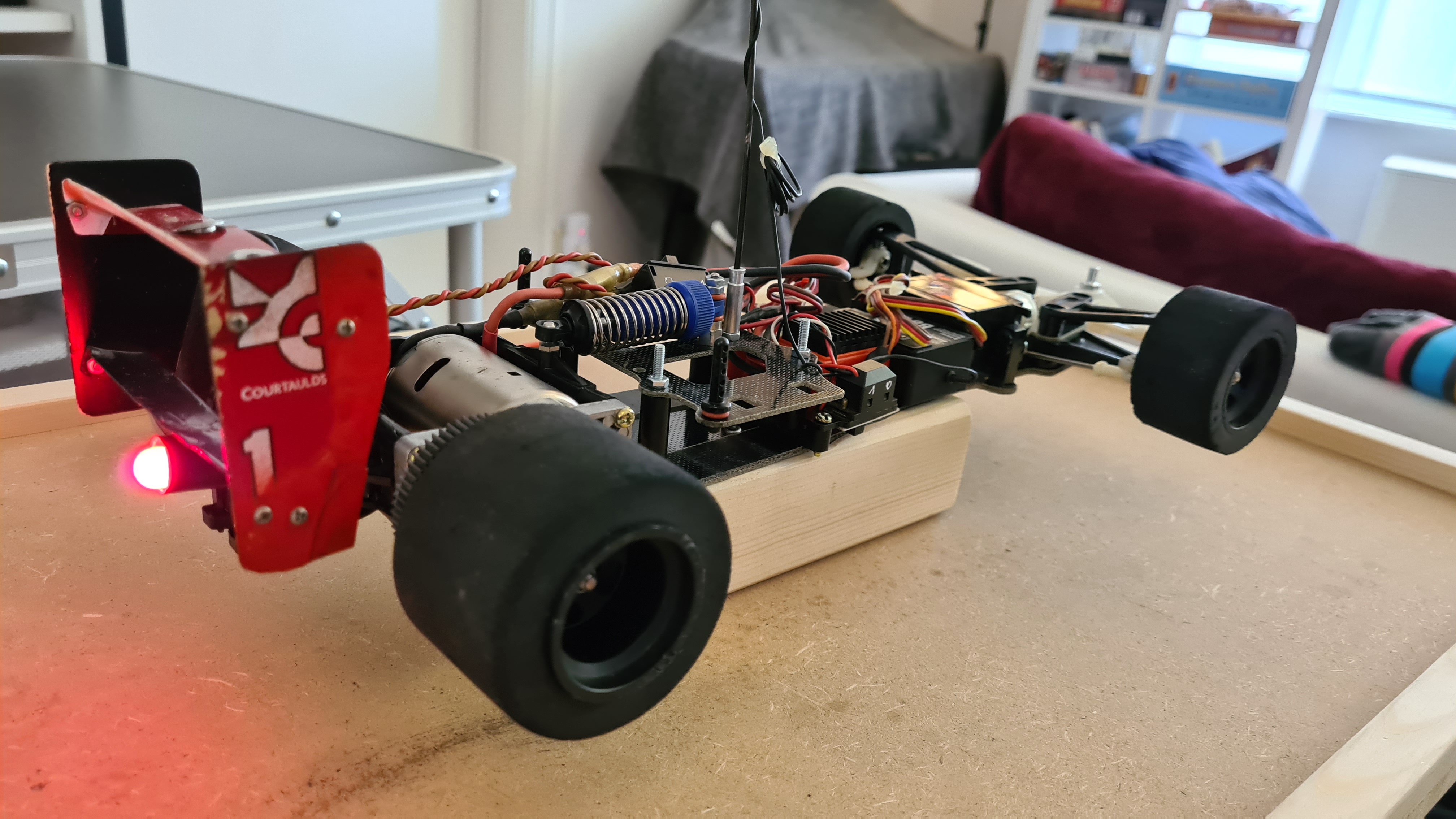
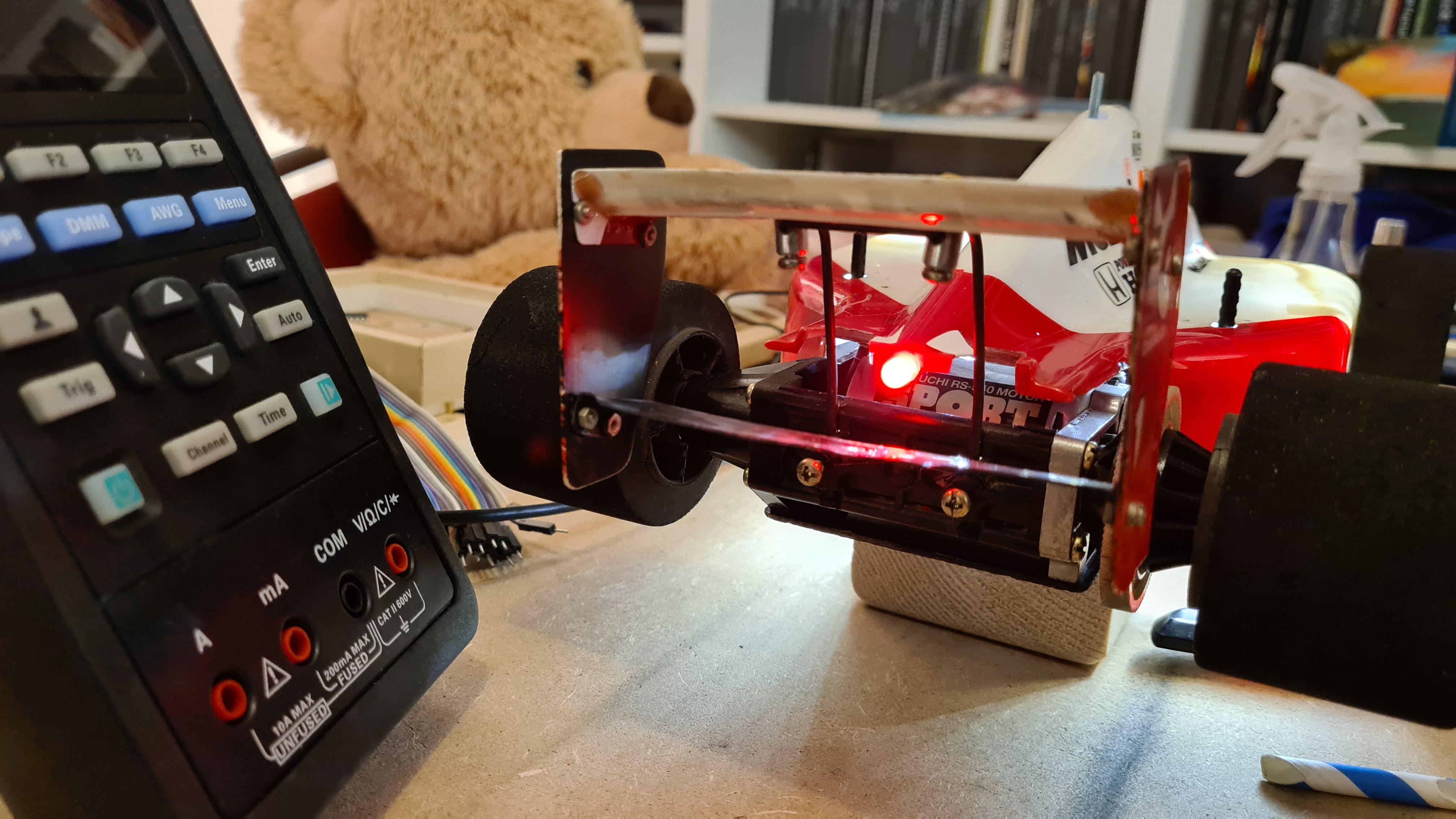
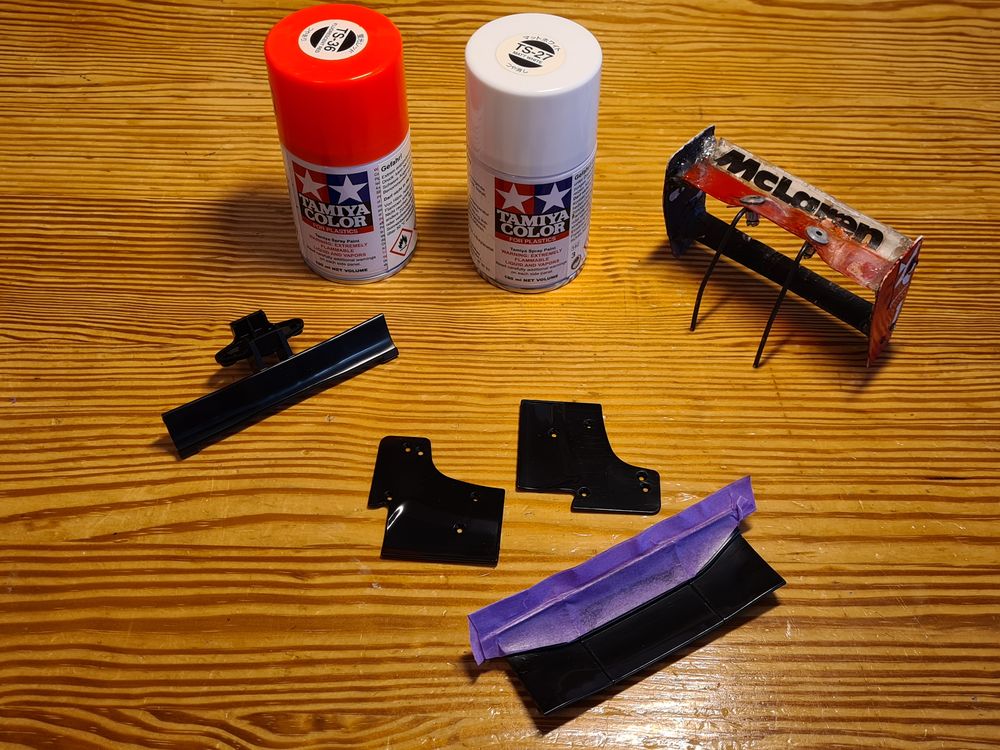
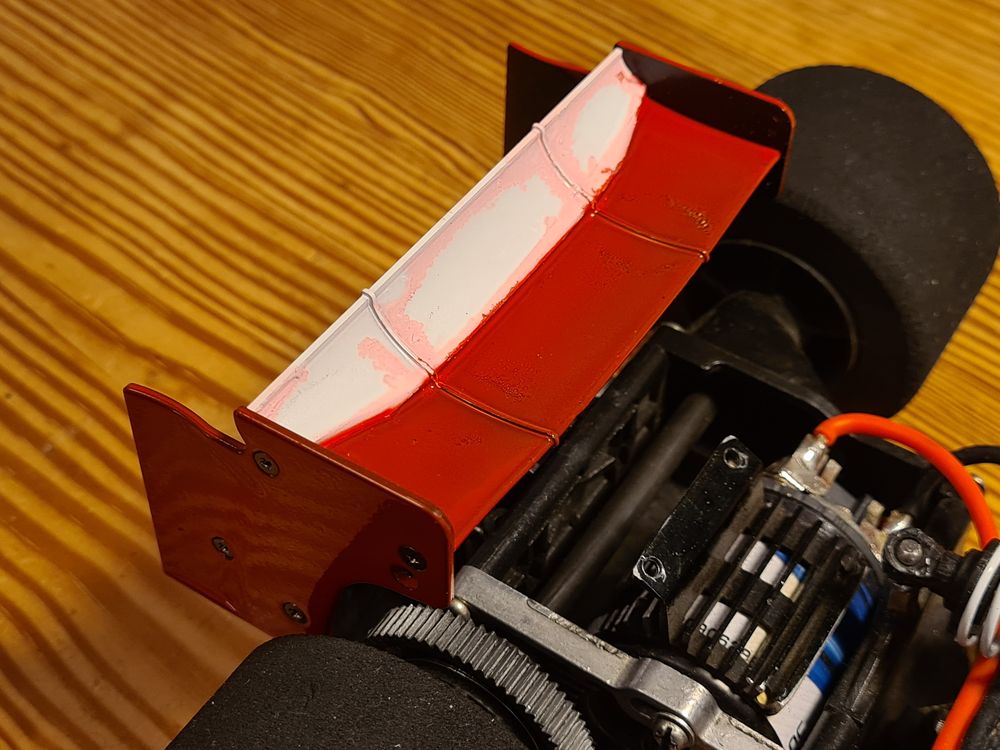
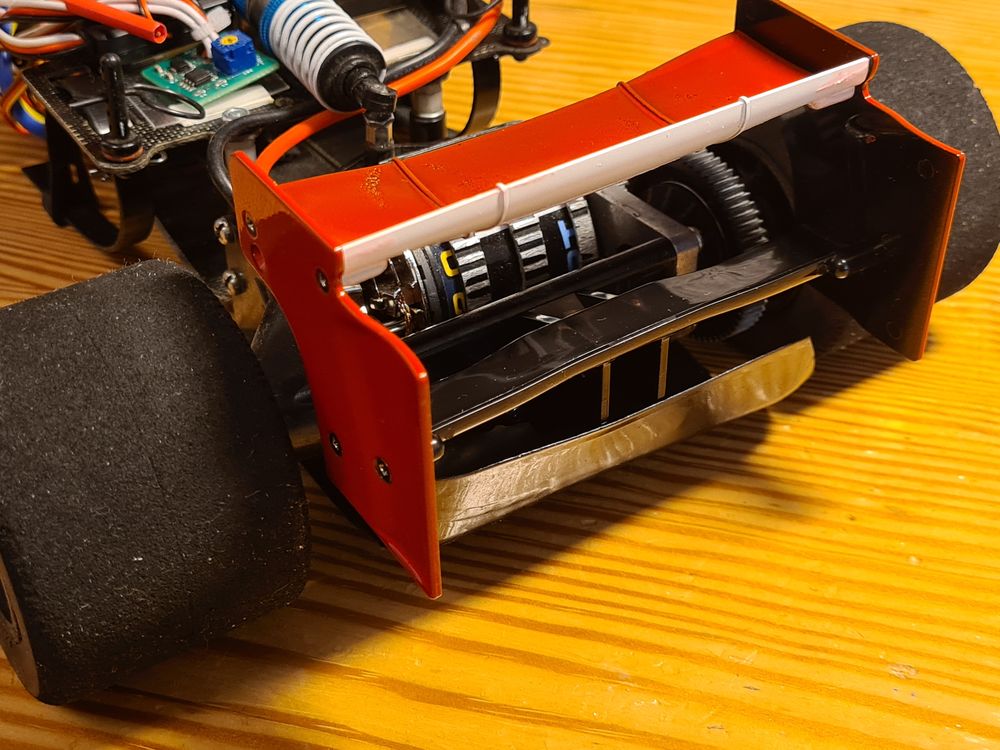
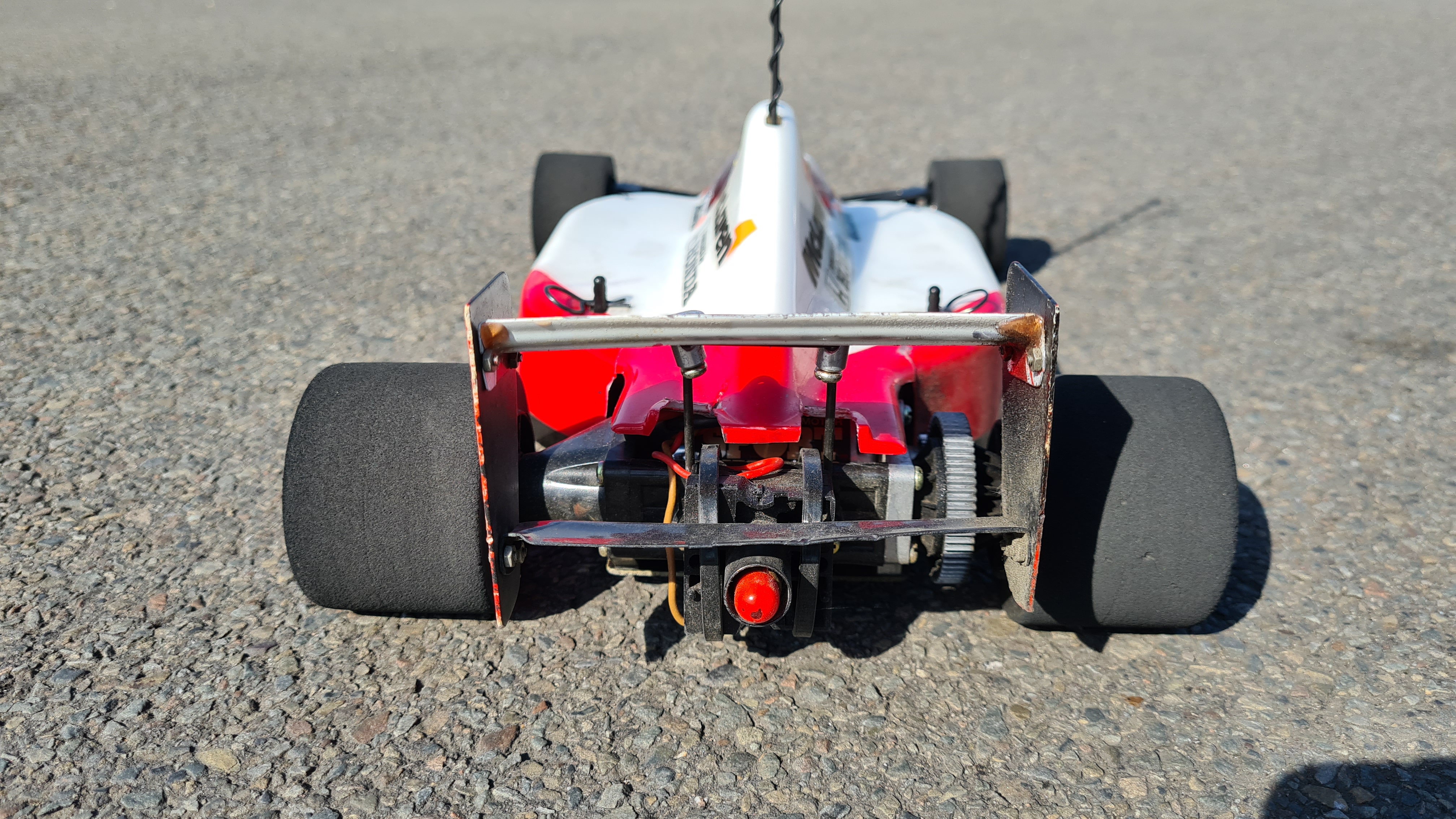
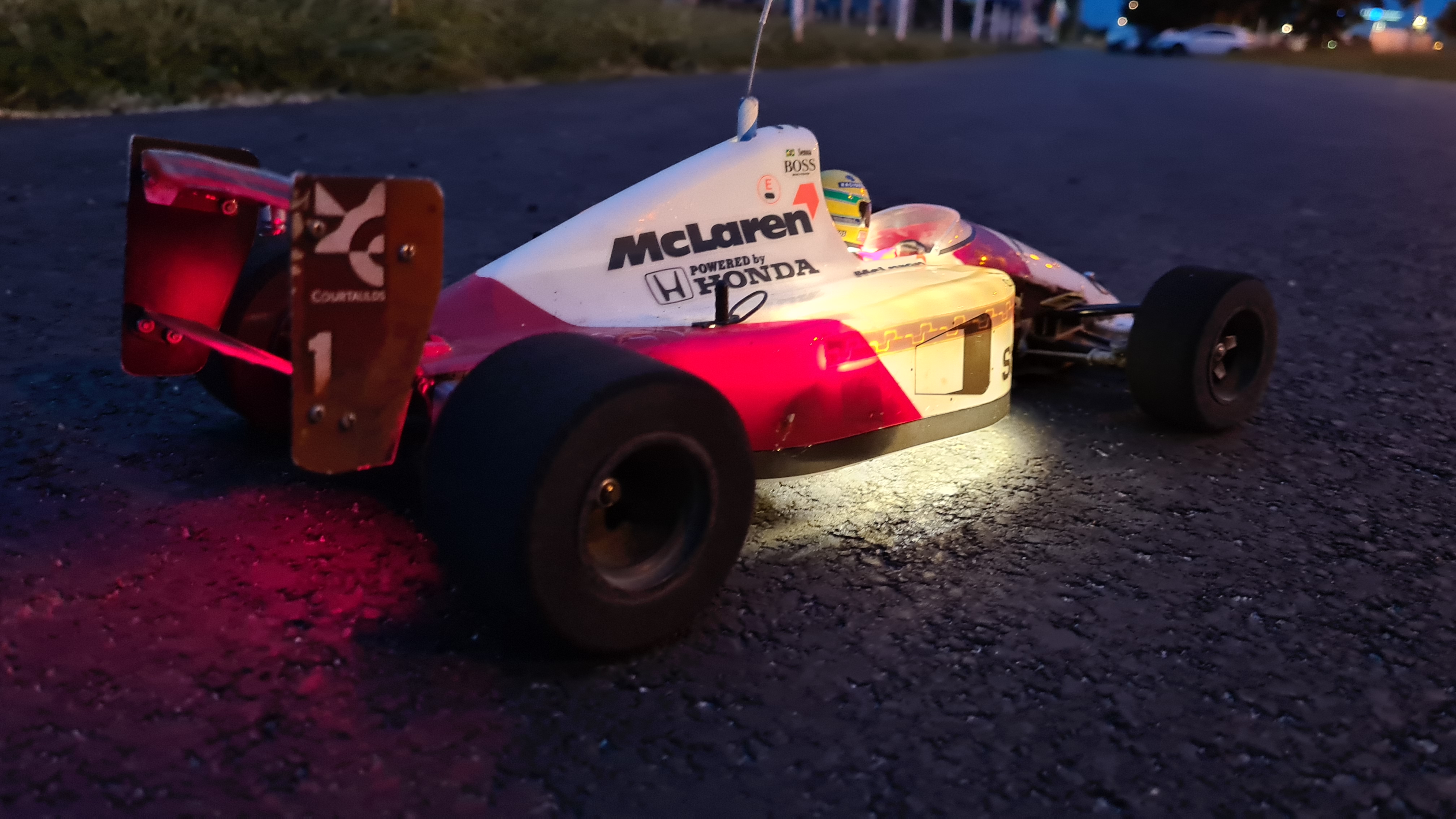
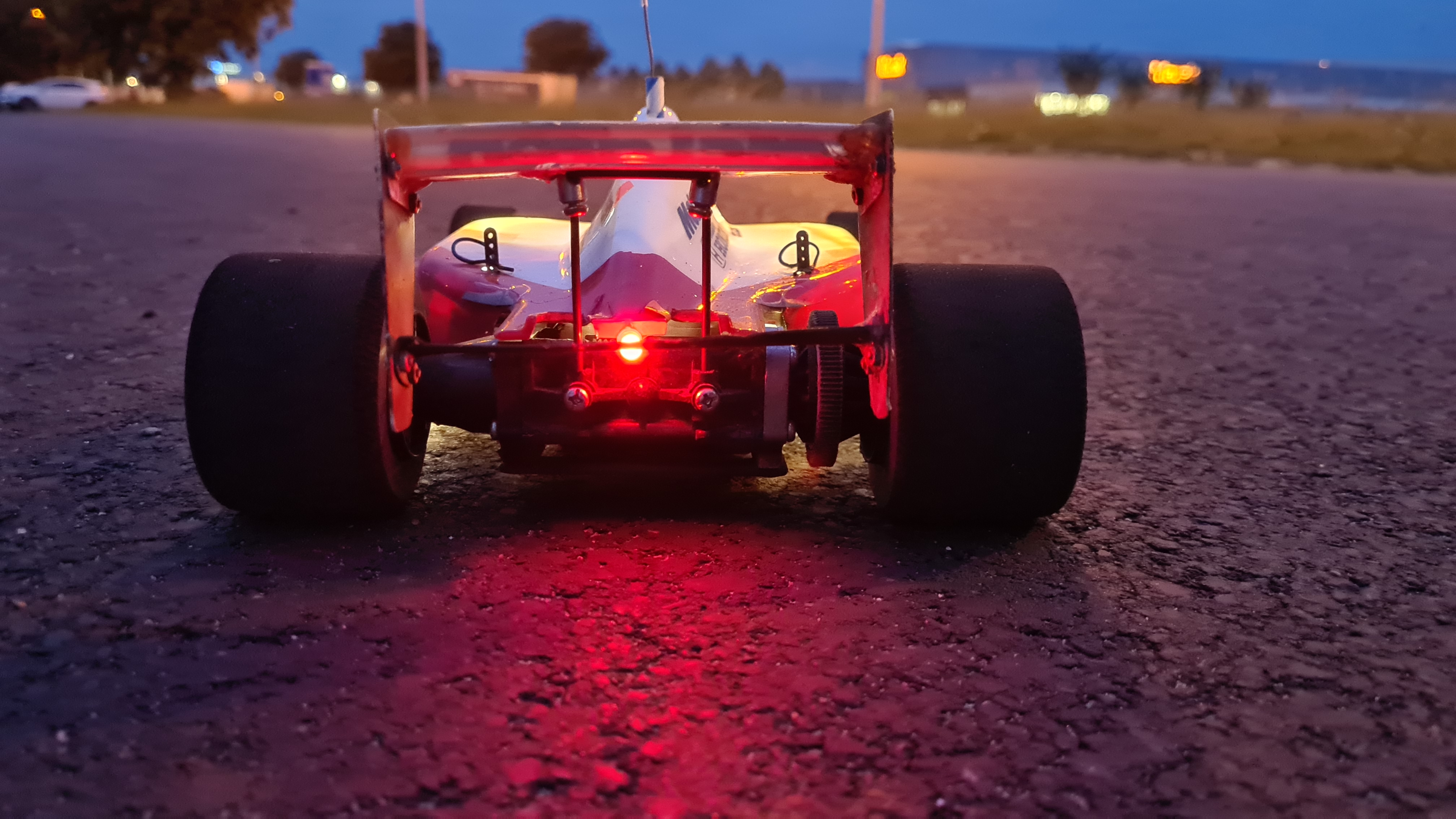
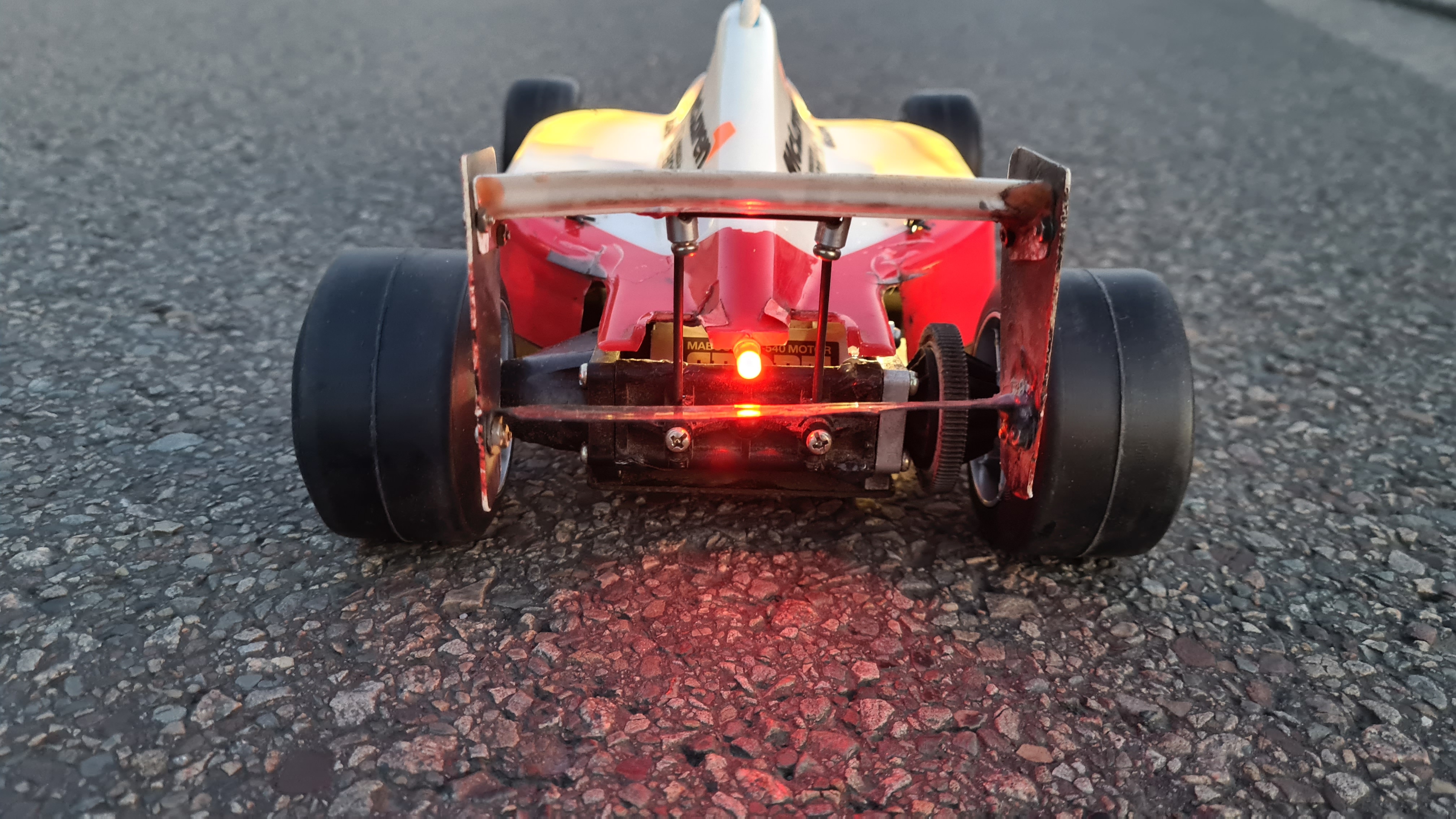
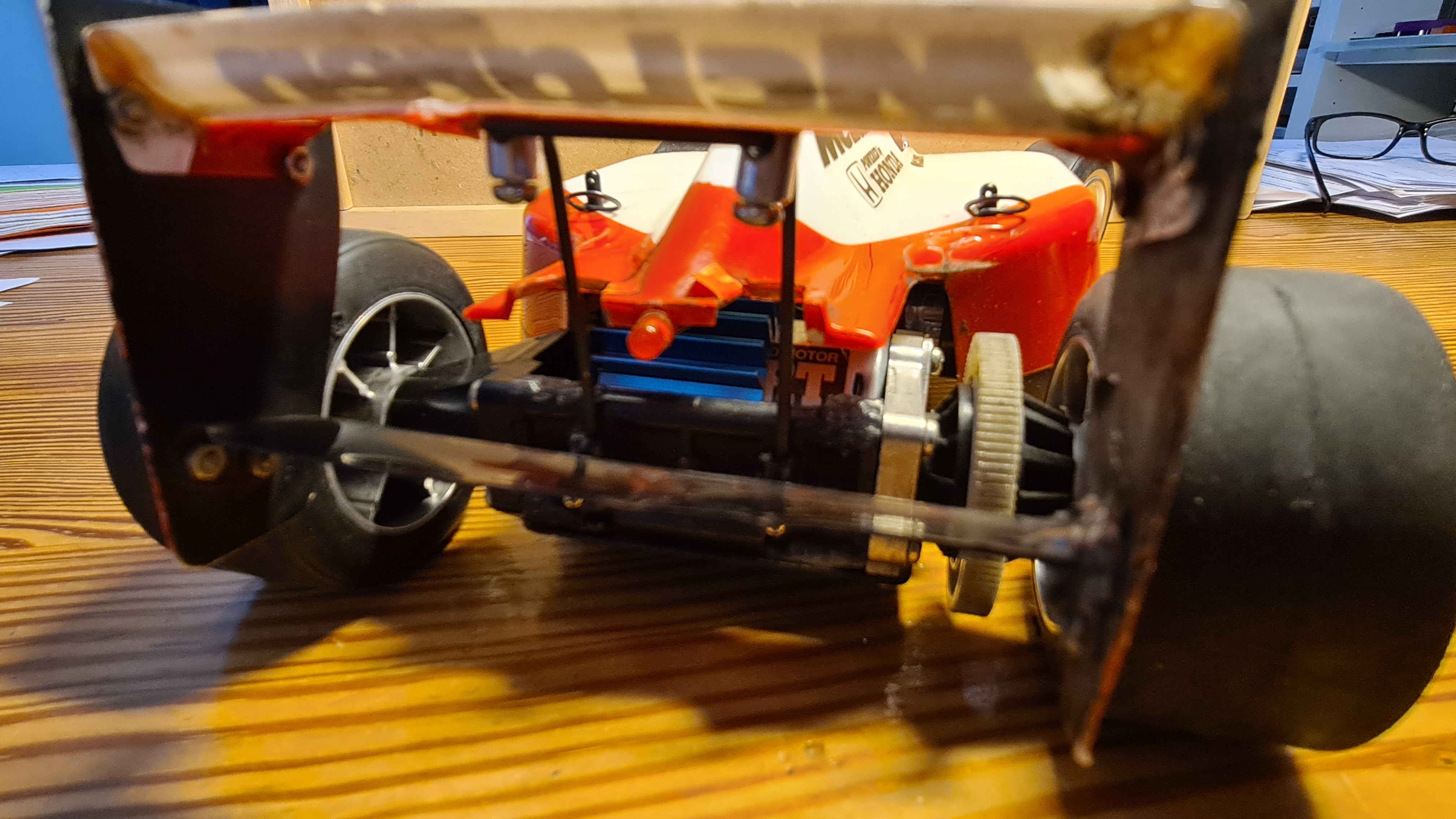
- The rather flimsy rear wing was replaced with an adjustable one ('H parts' from an F104 chassis).
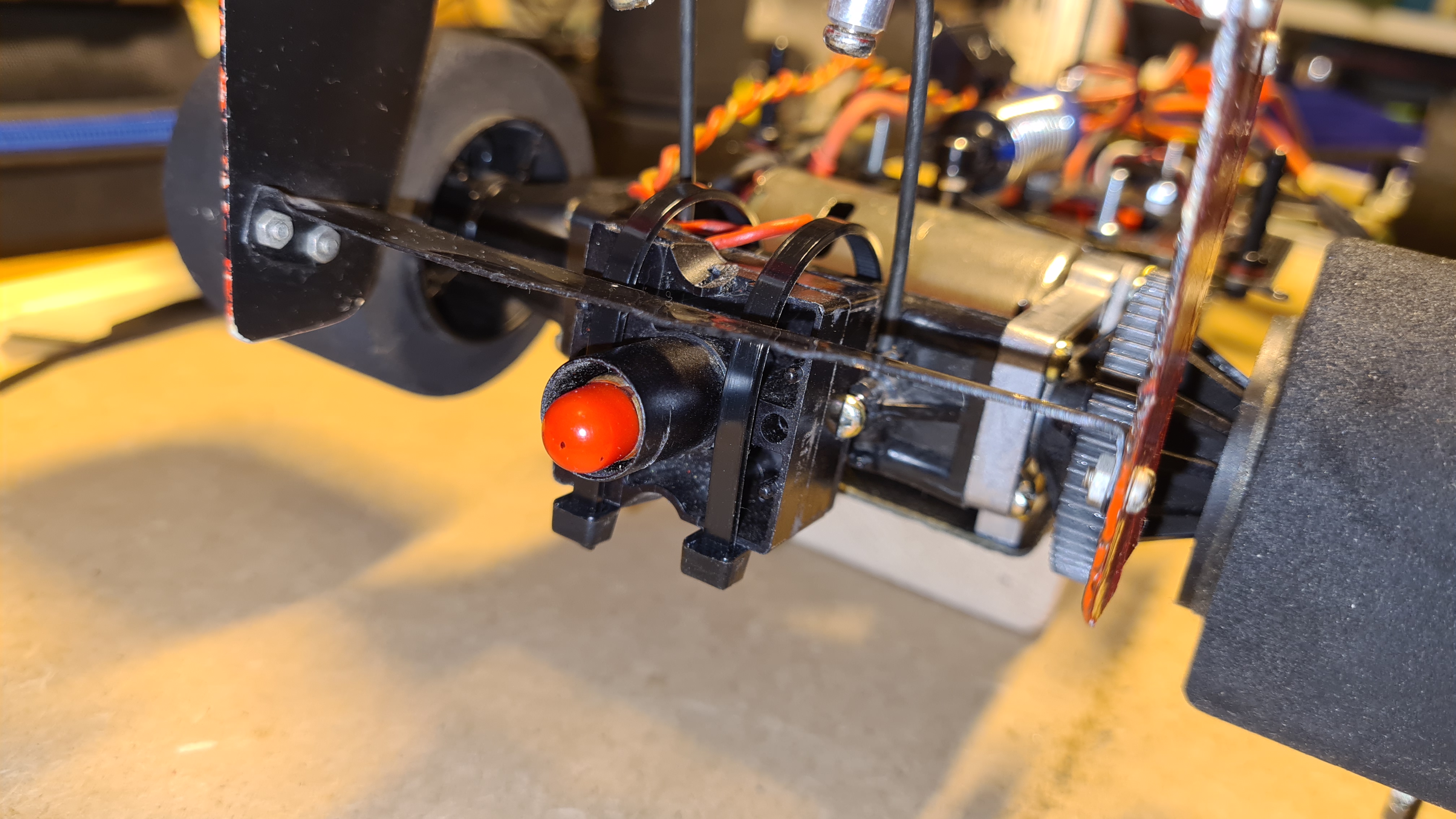
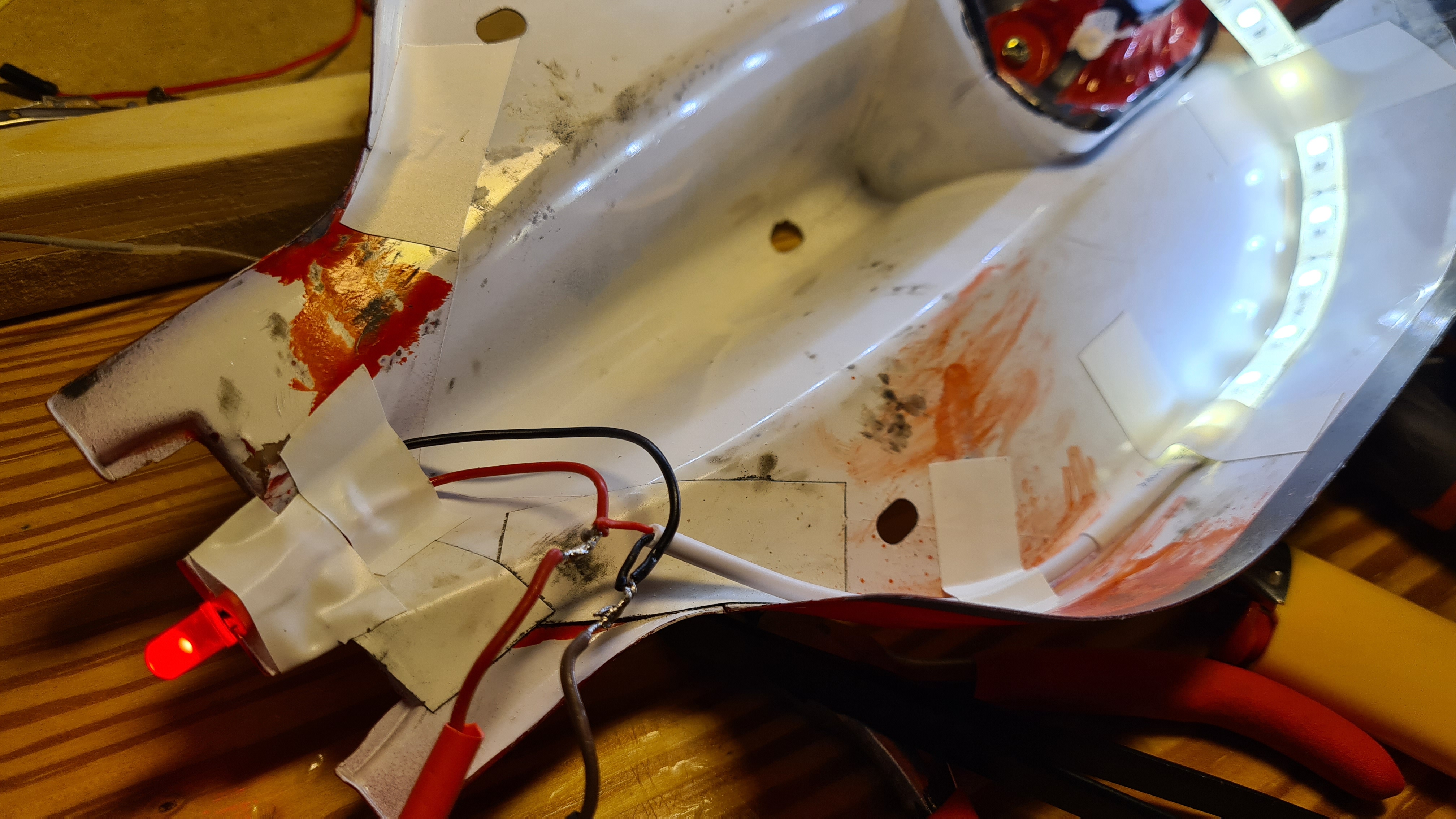
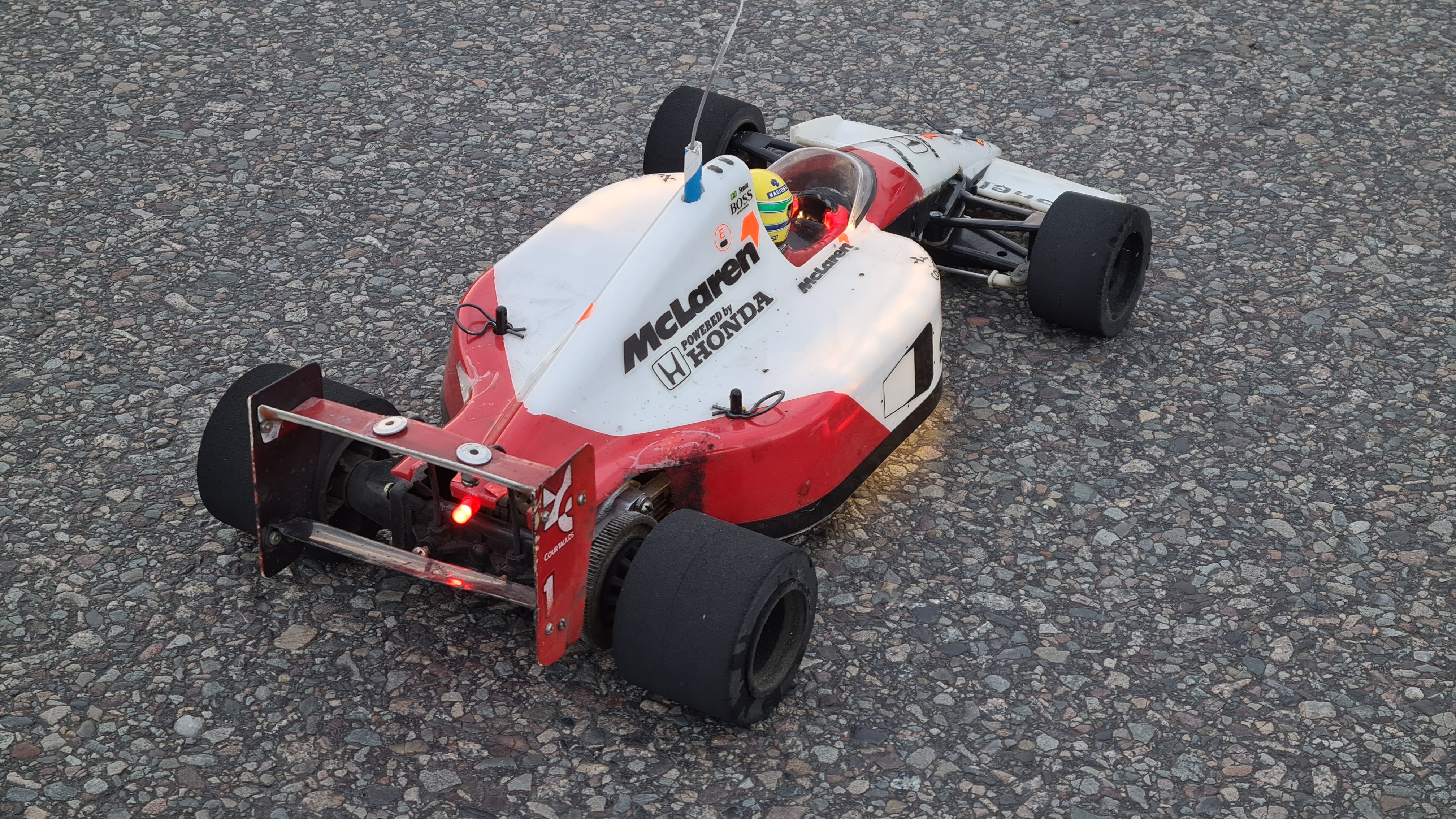
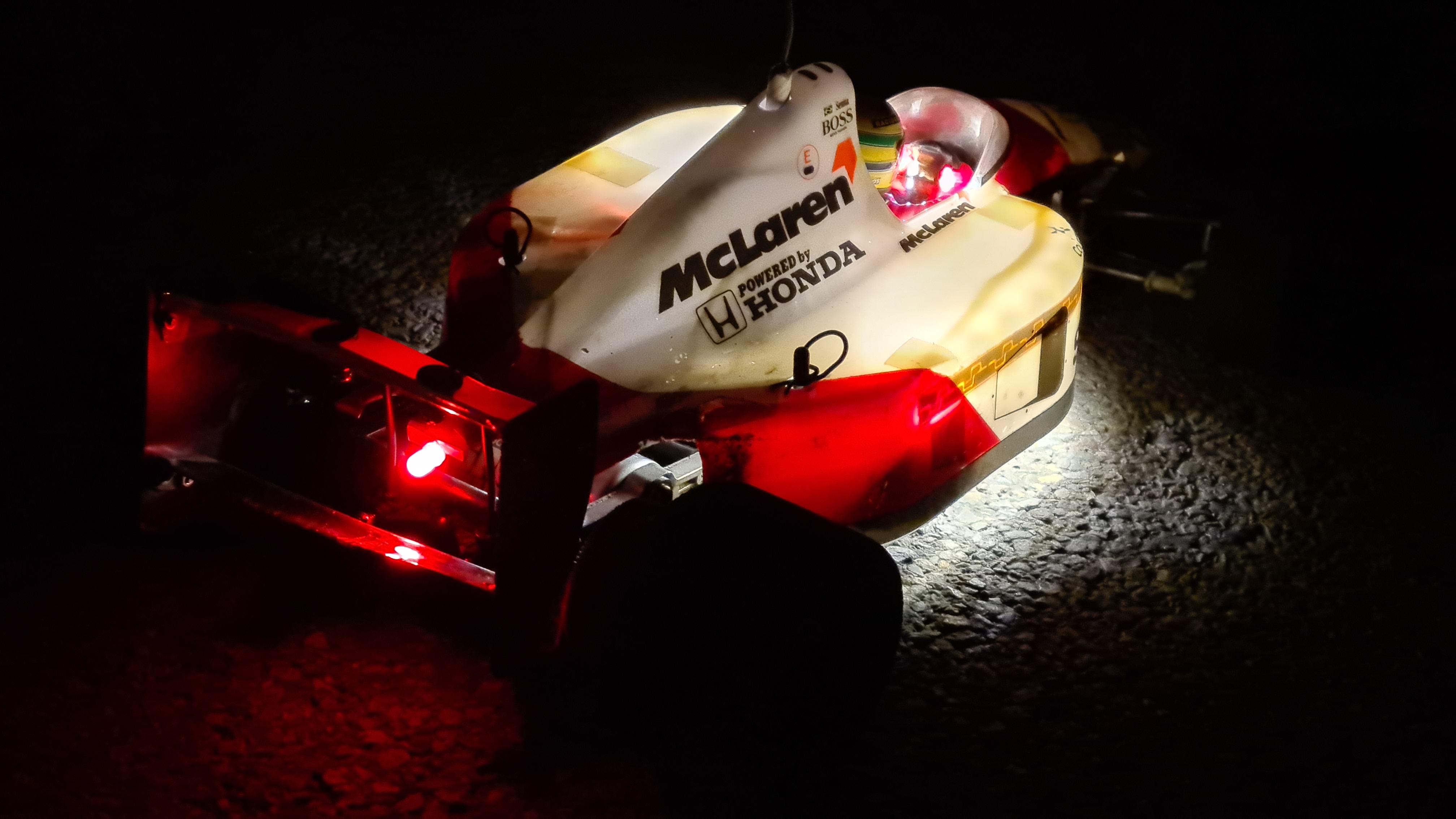
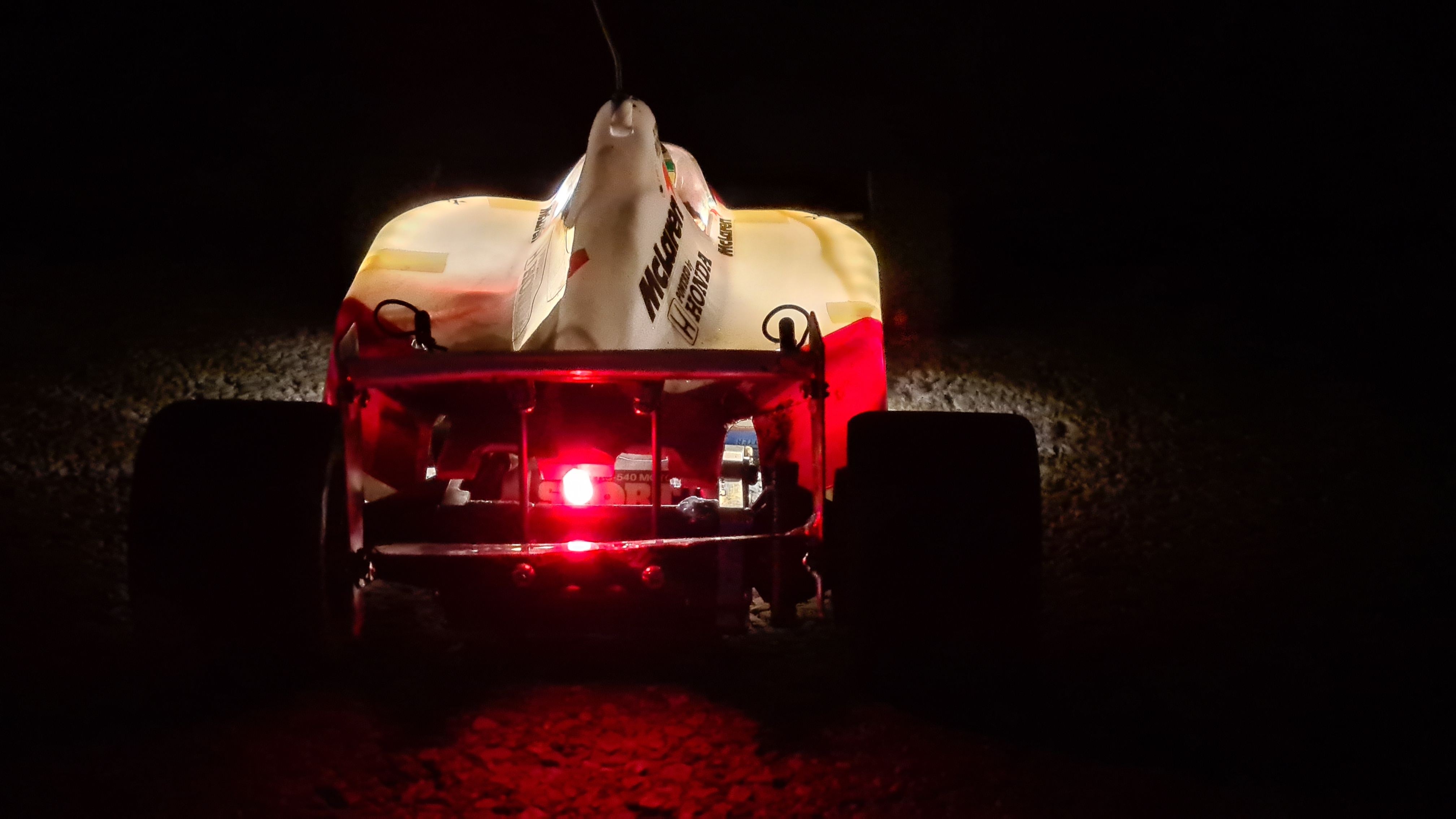
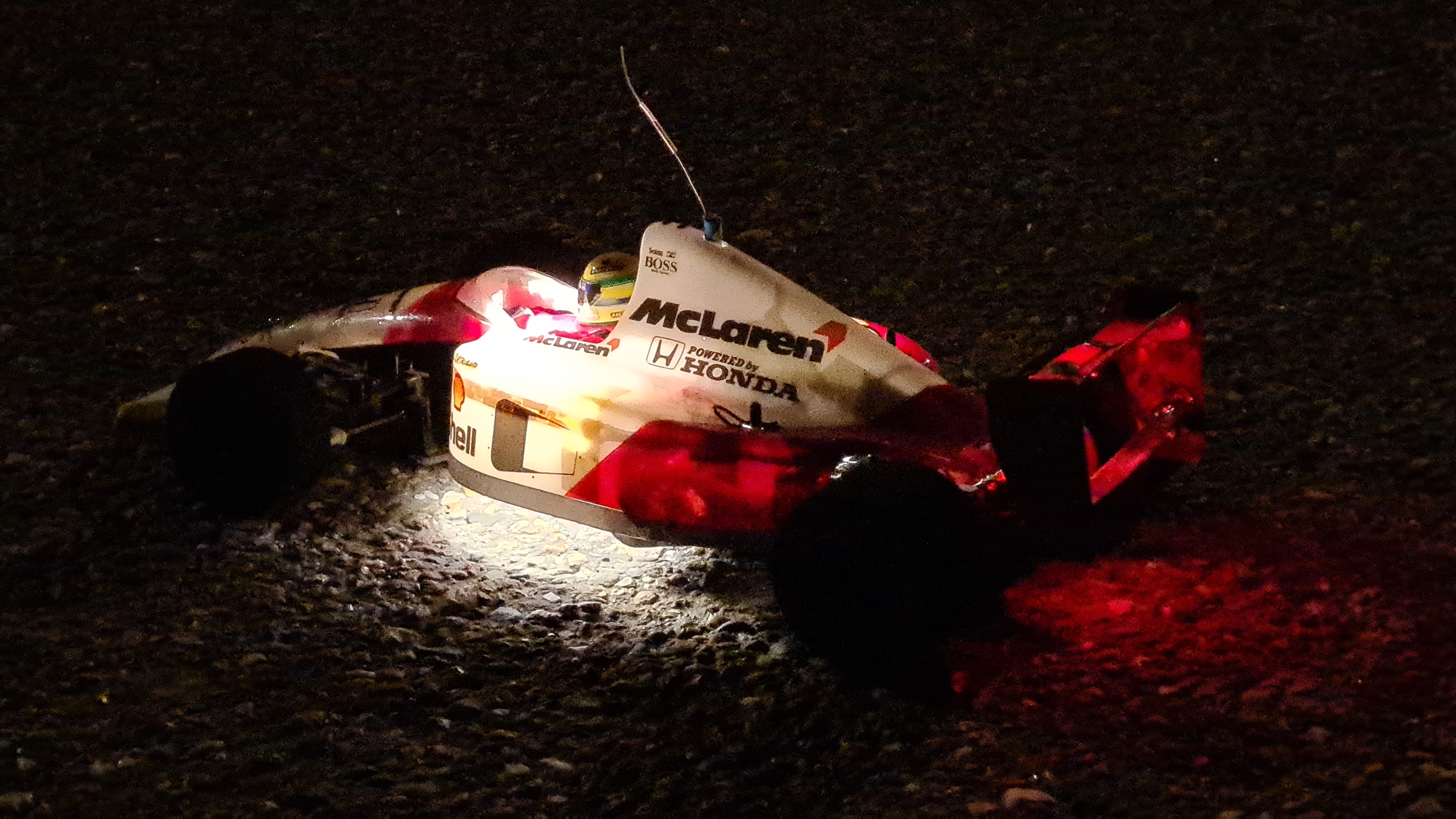
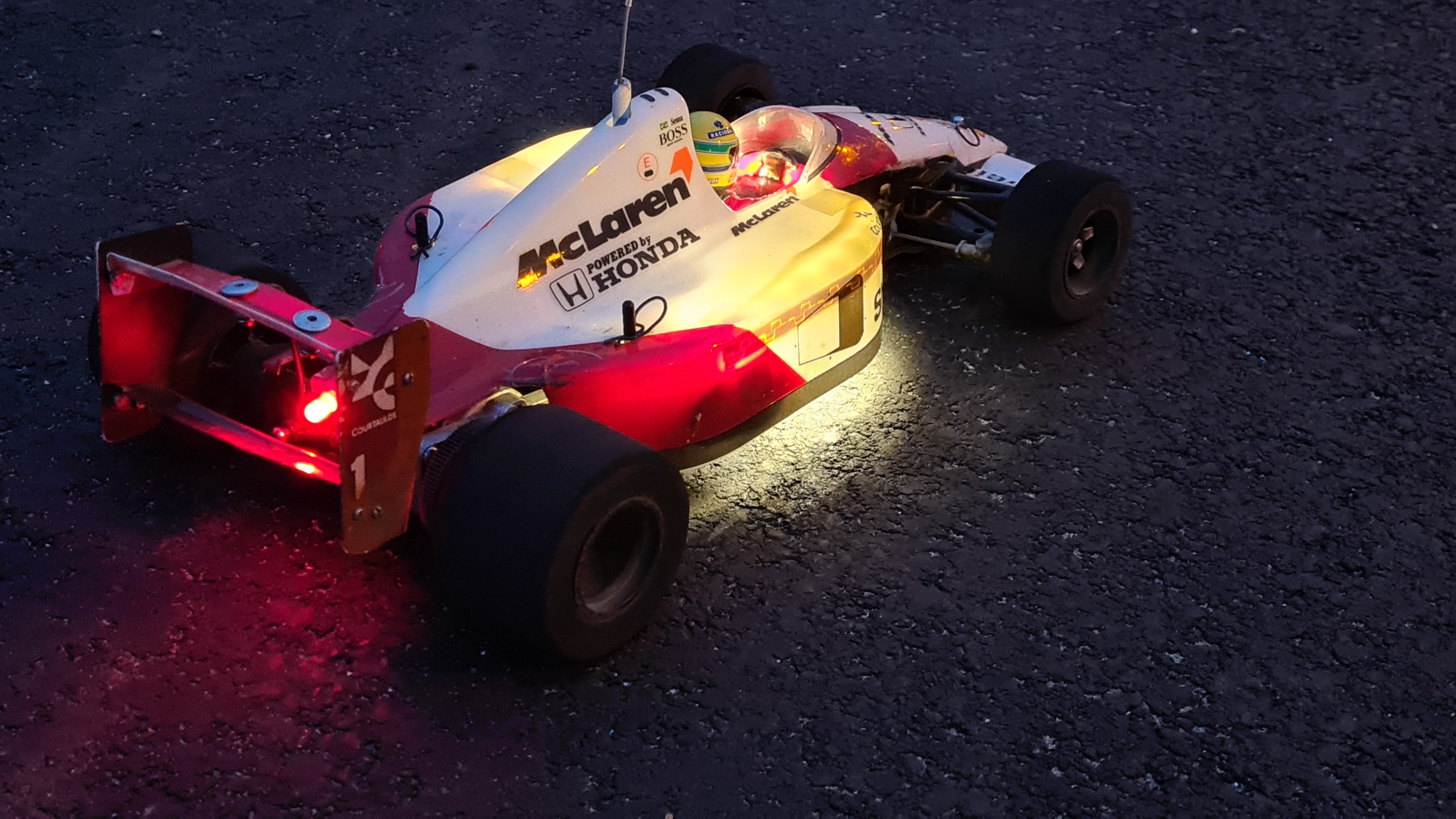
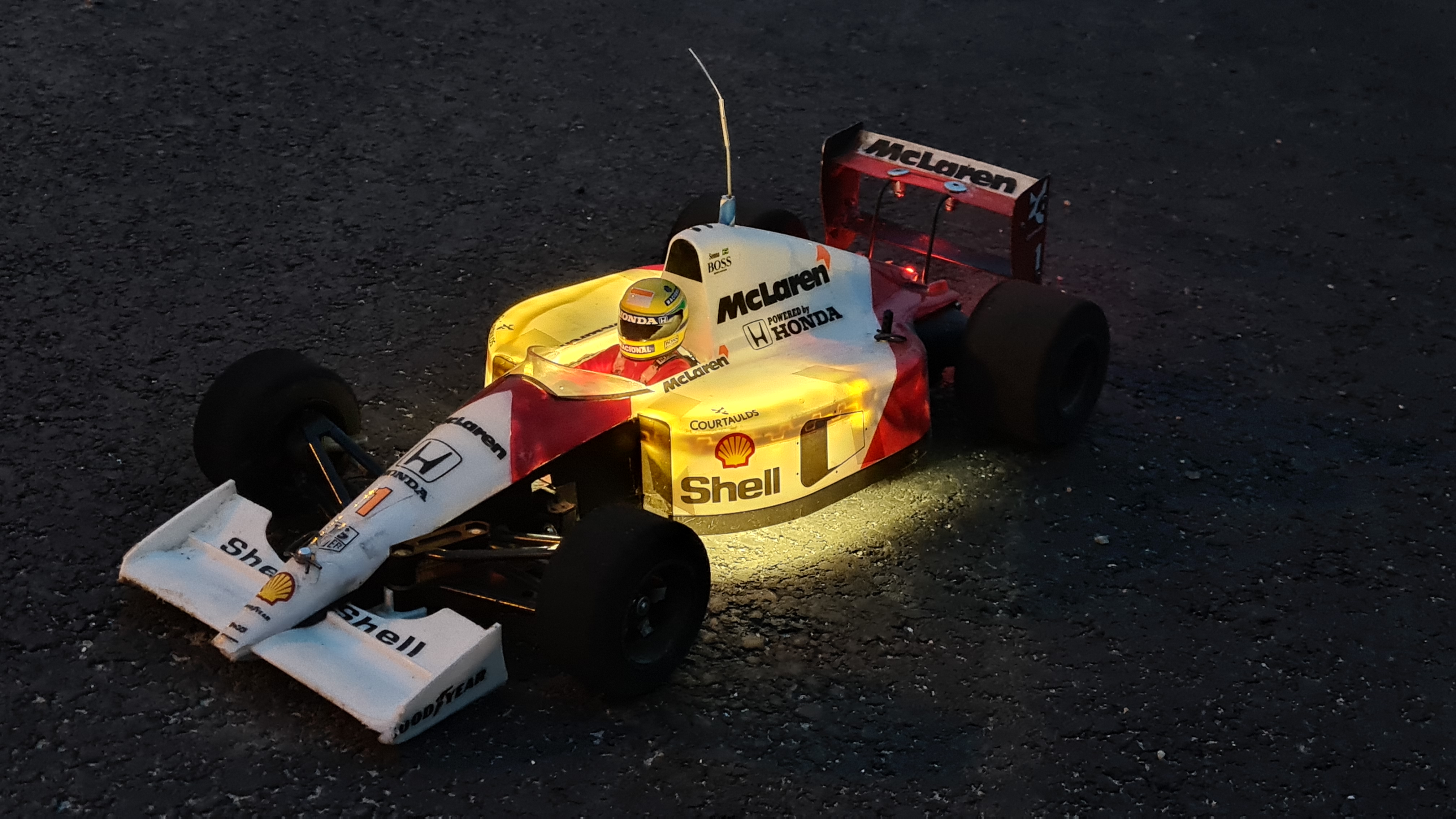
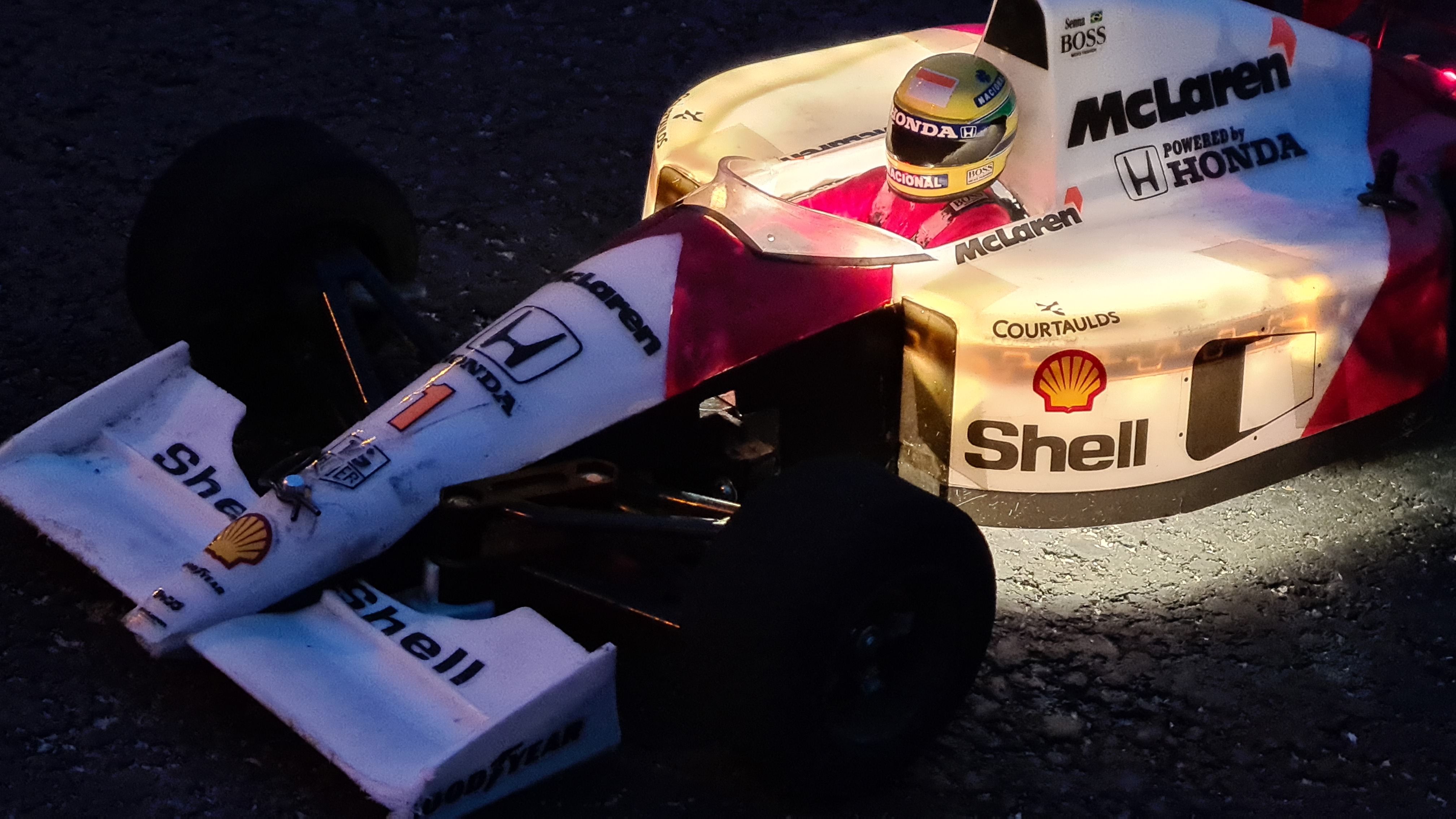
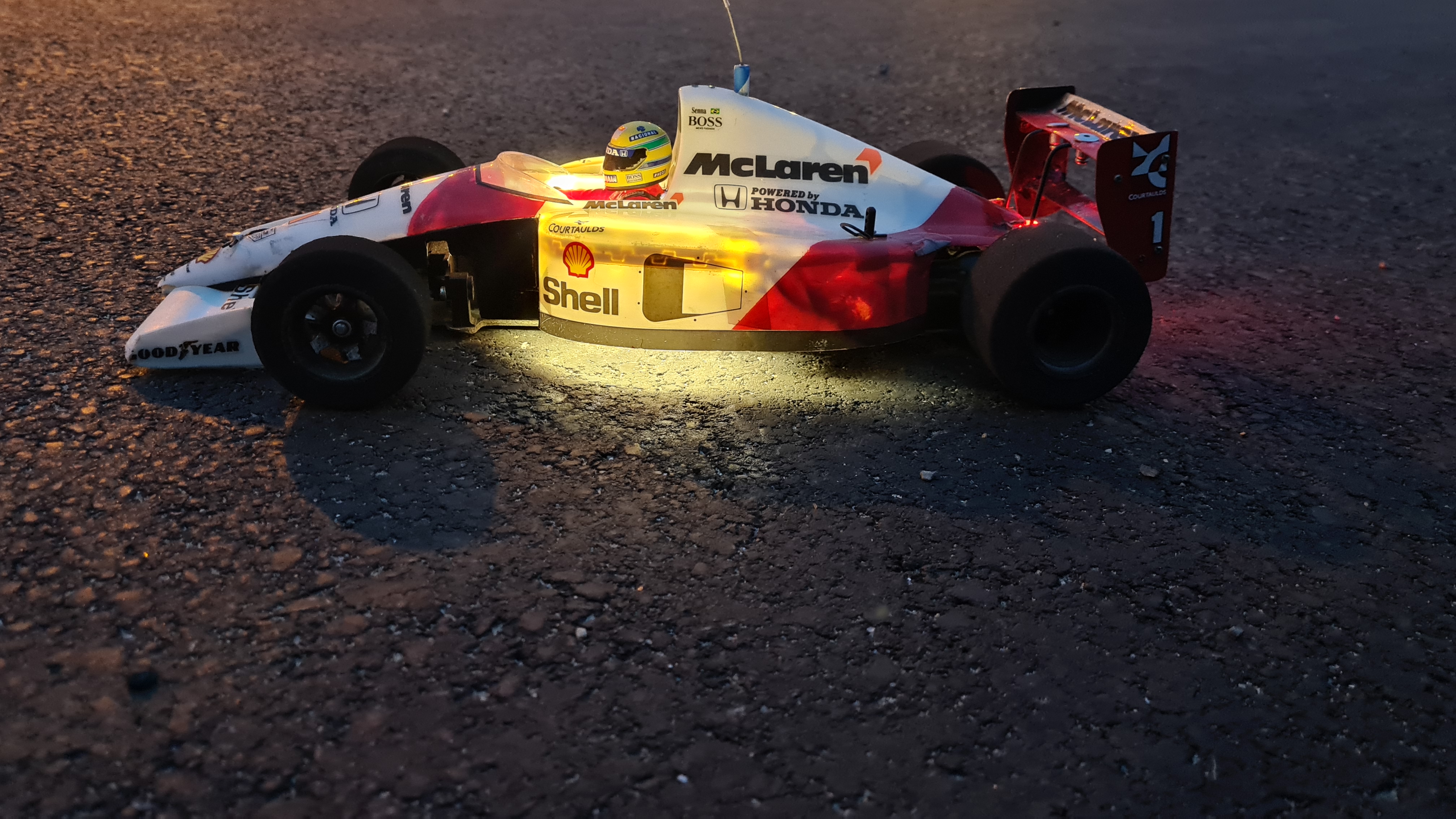
- The cockpit has been equipped with white LED lights and a rear red LED light, switchable using an Absima receiver channel on/off switch.
- To capture on-board video footage, both the car's Lexan body as well as its frame can be equipped with a Vizu Extreme X8S actioncam (manual).
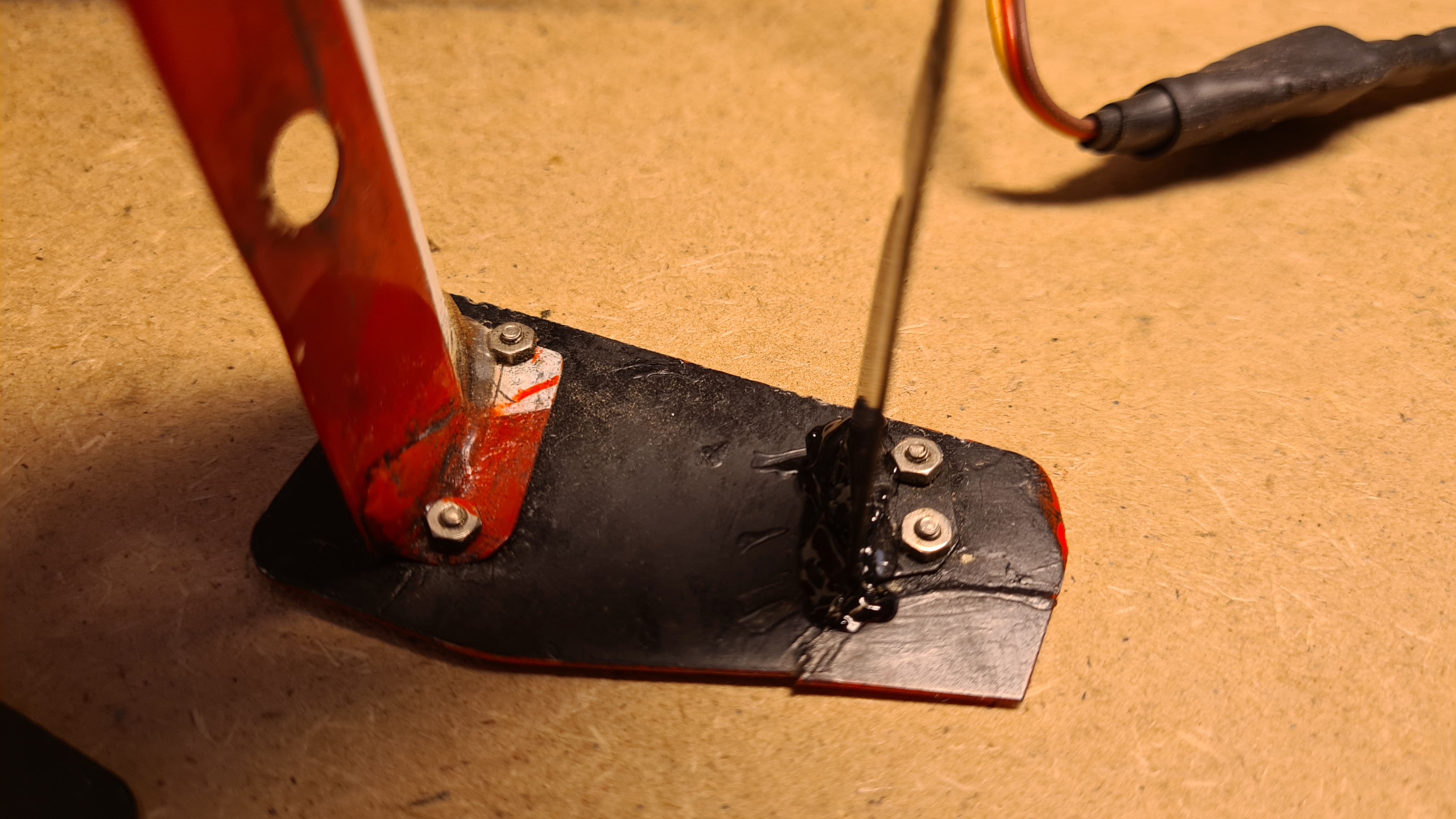
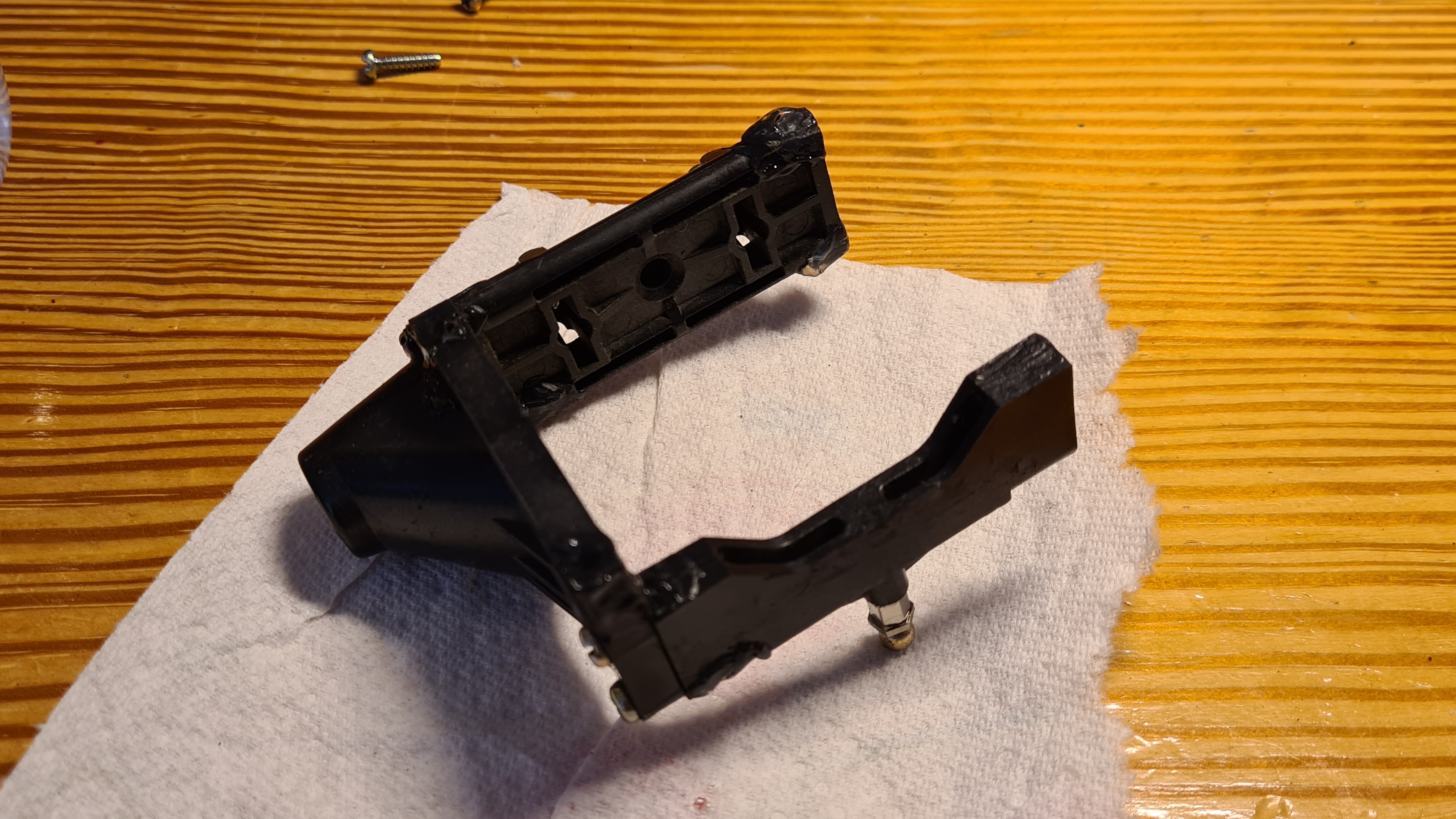
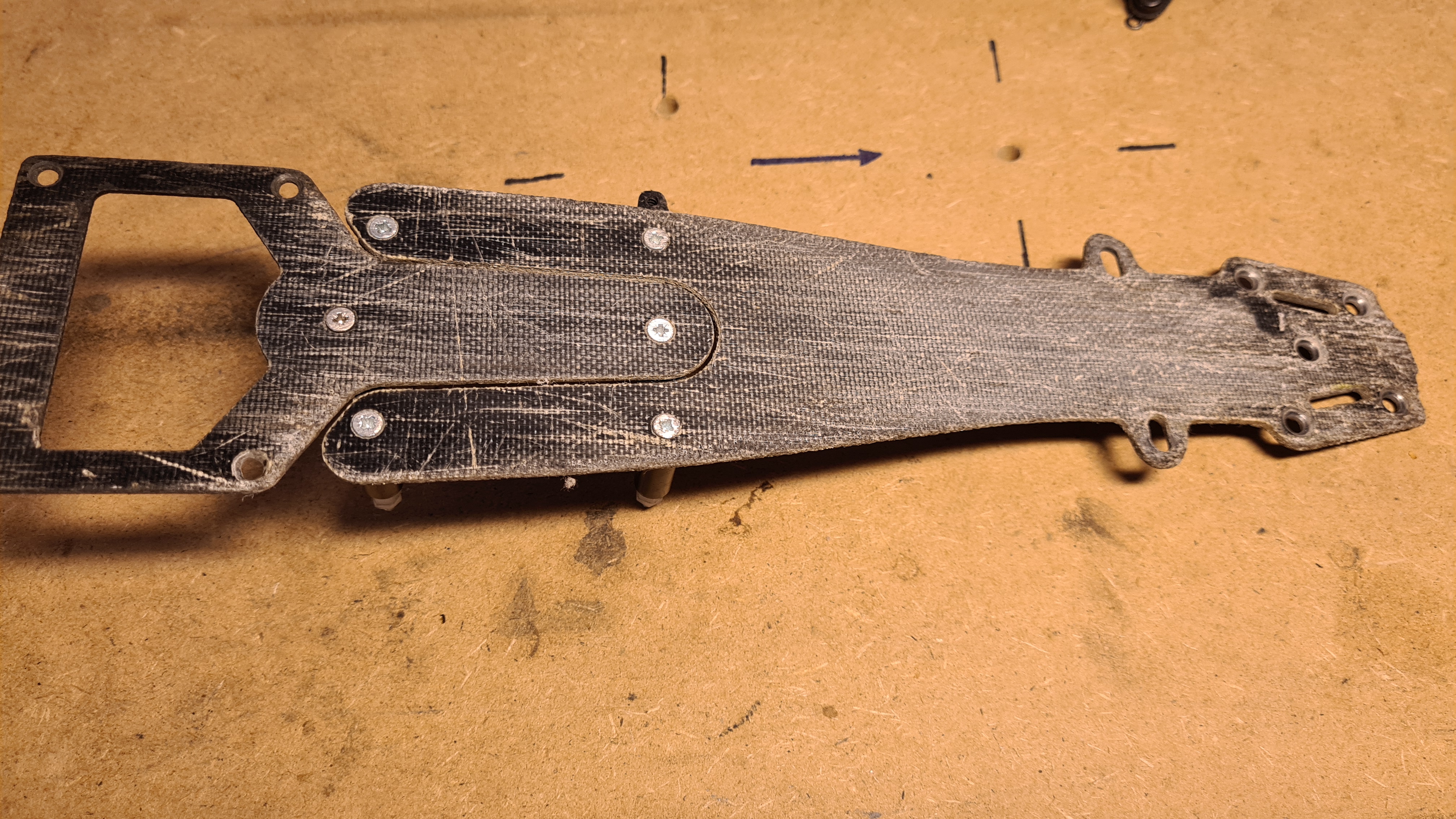
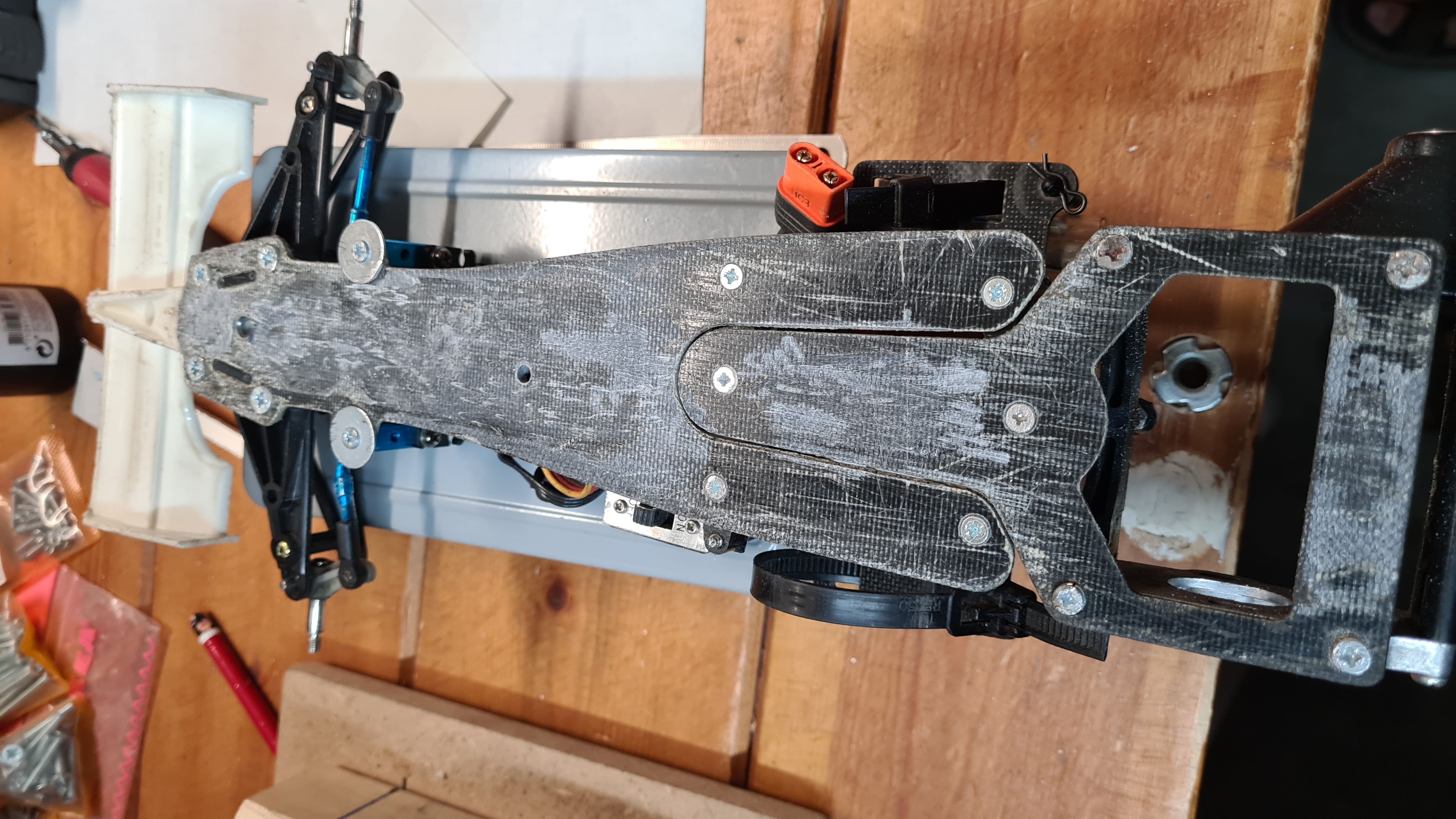
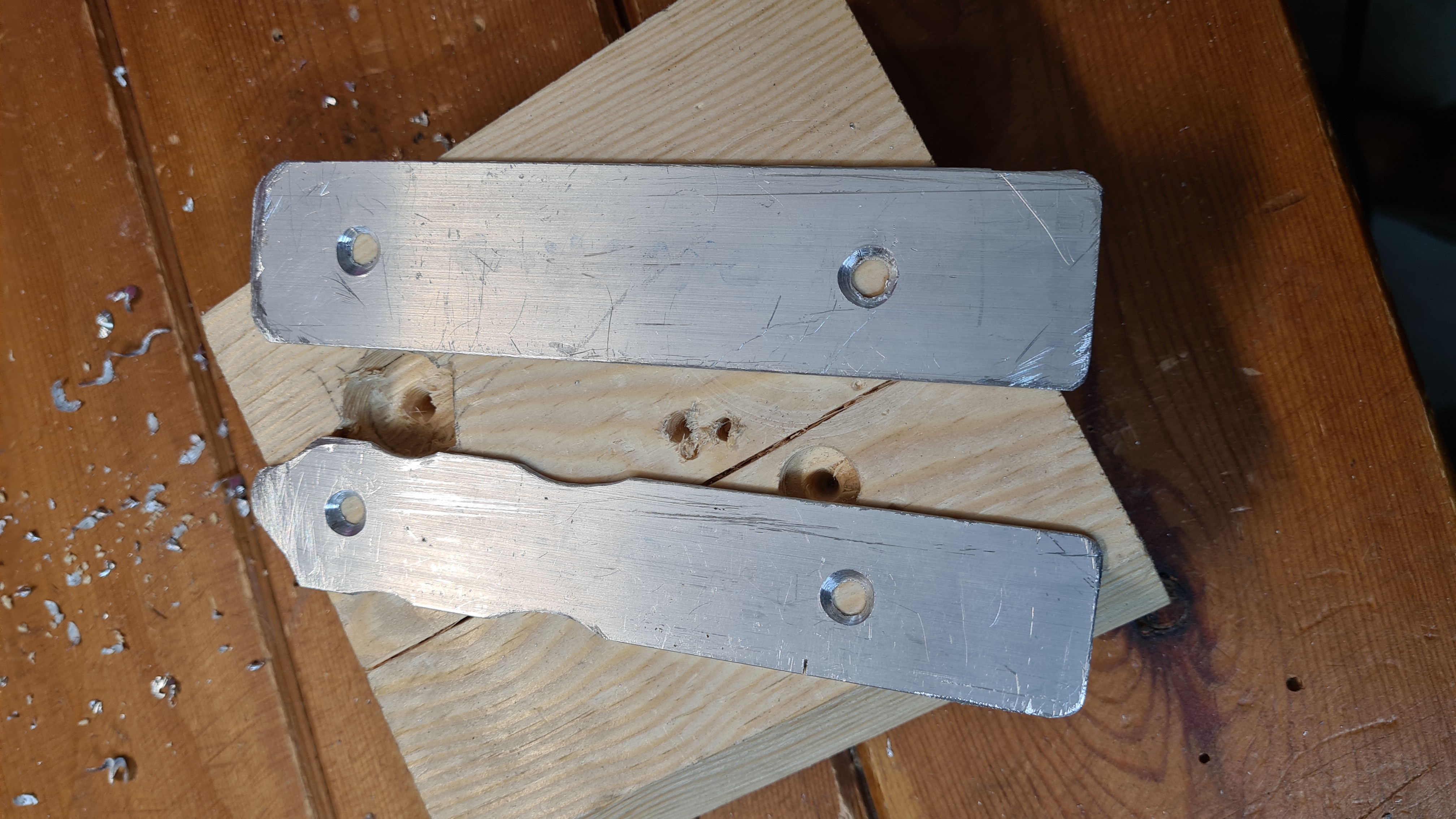
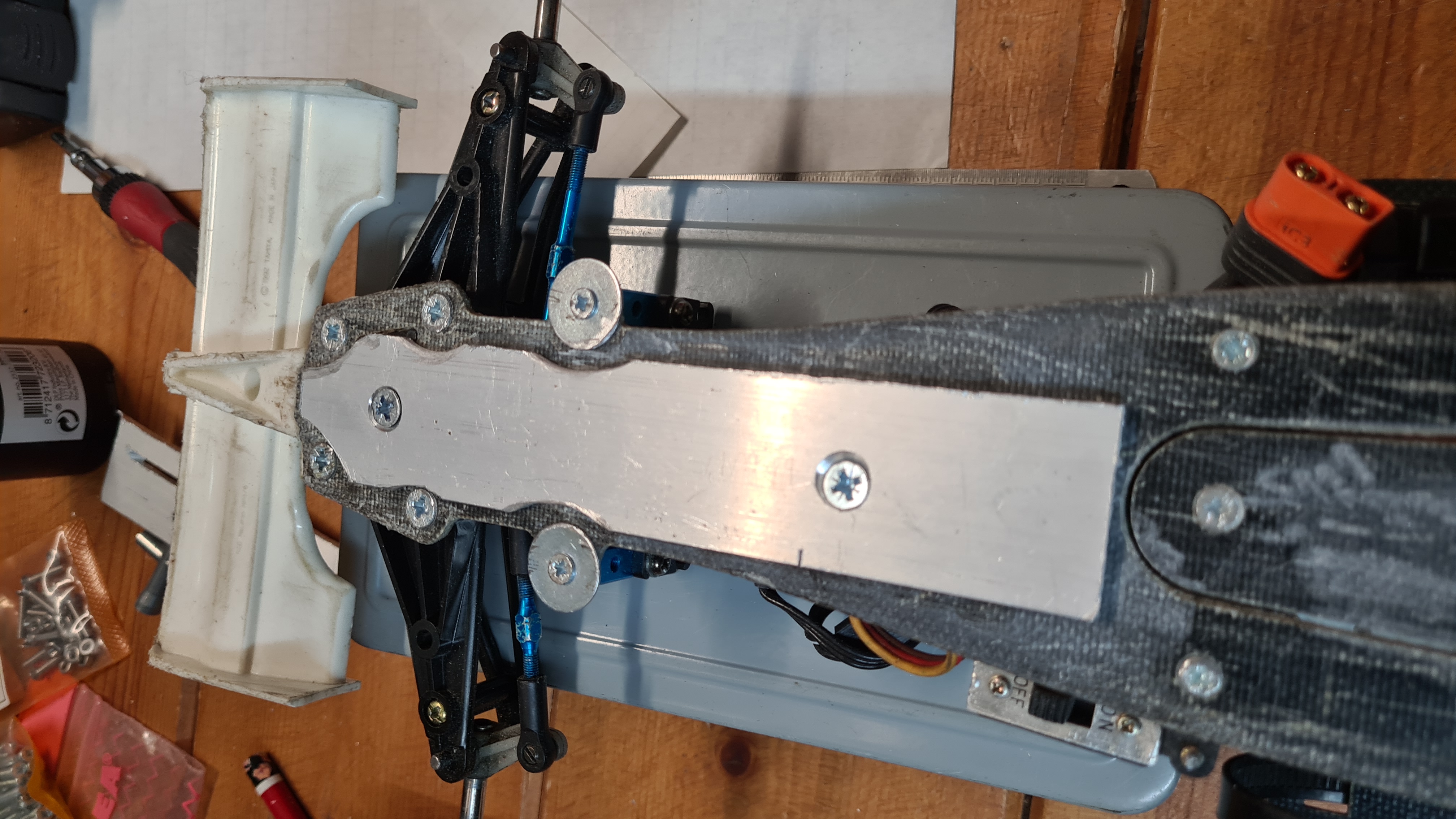
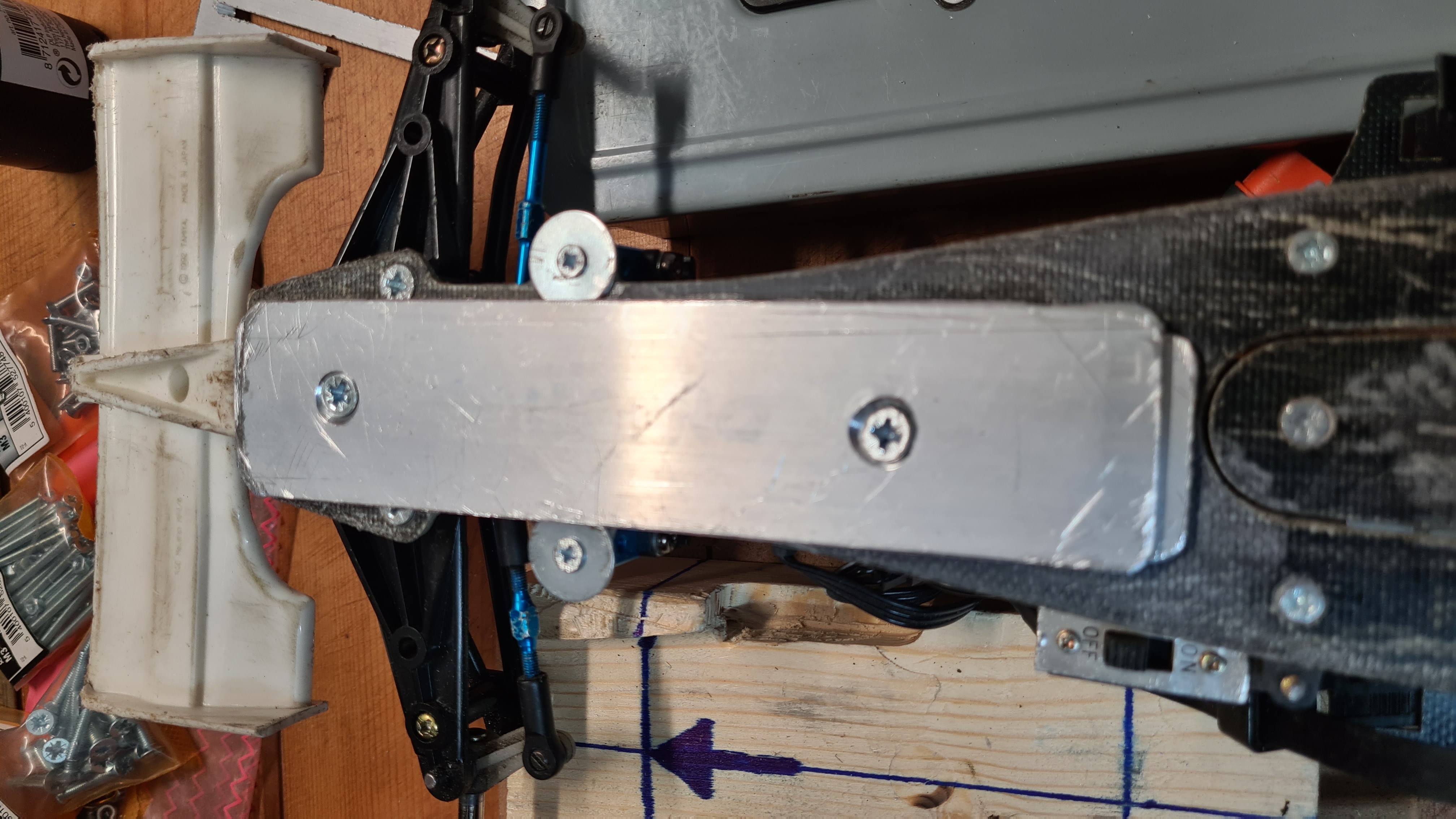
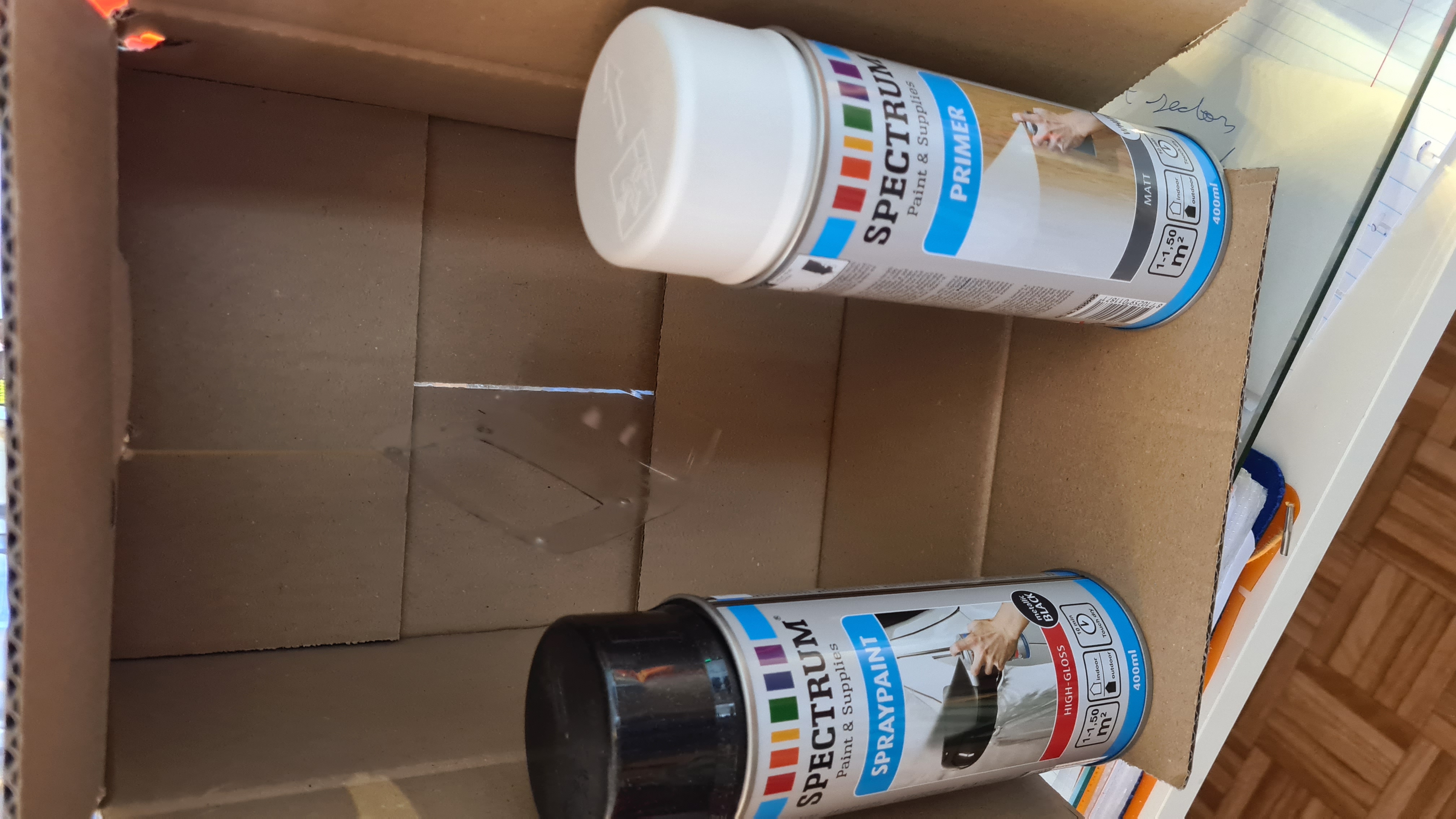
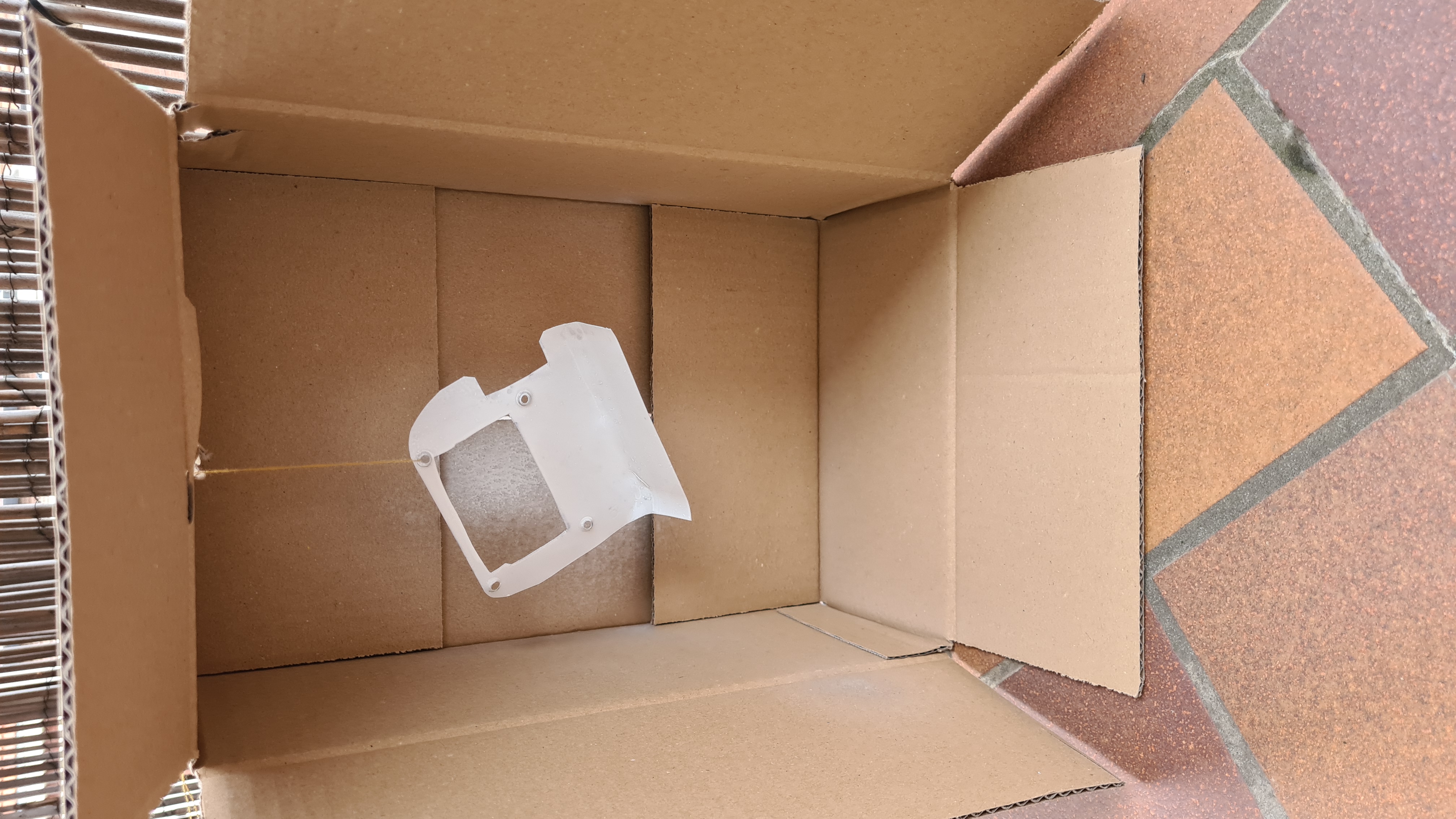
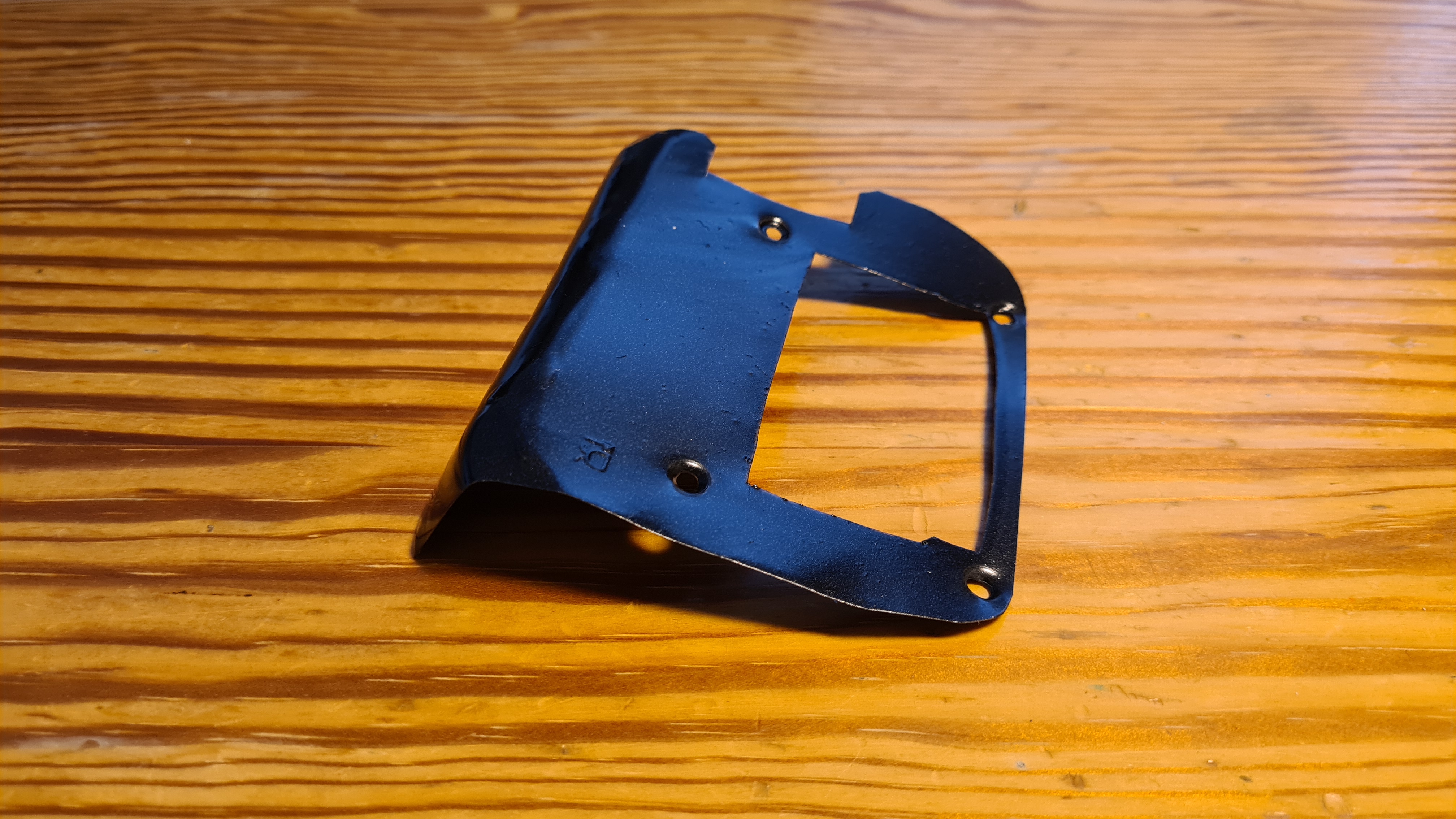
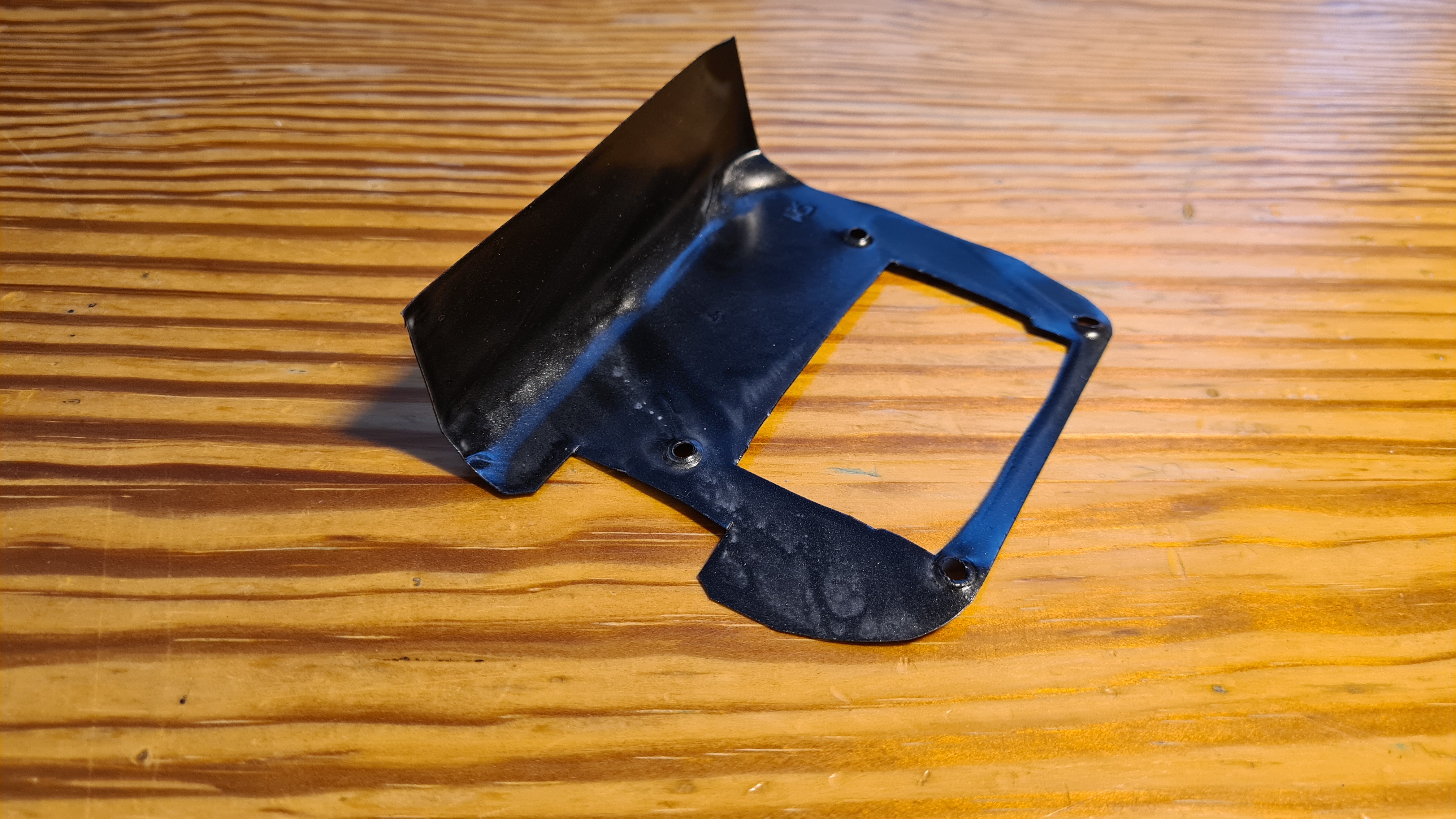
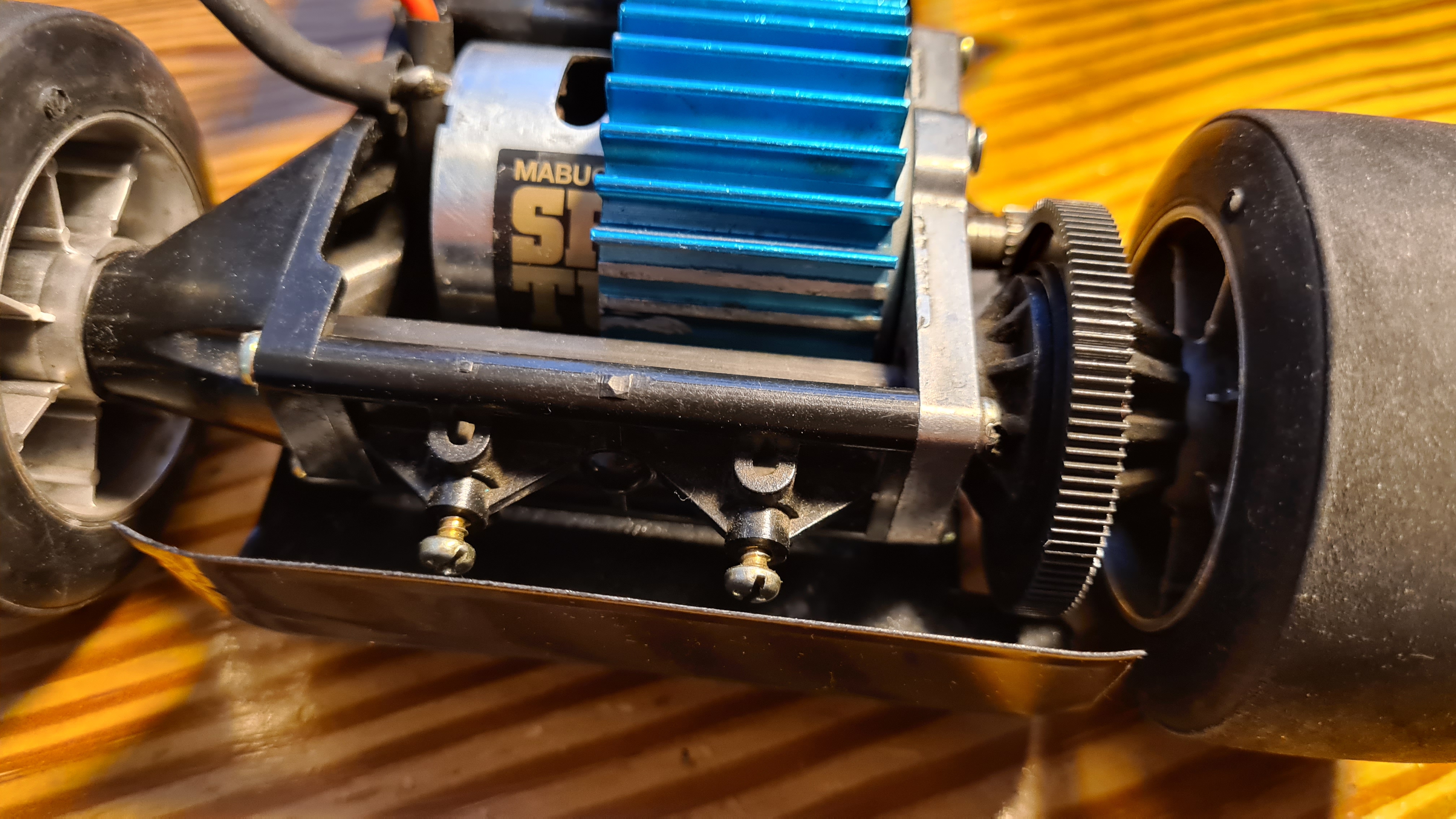
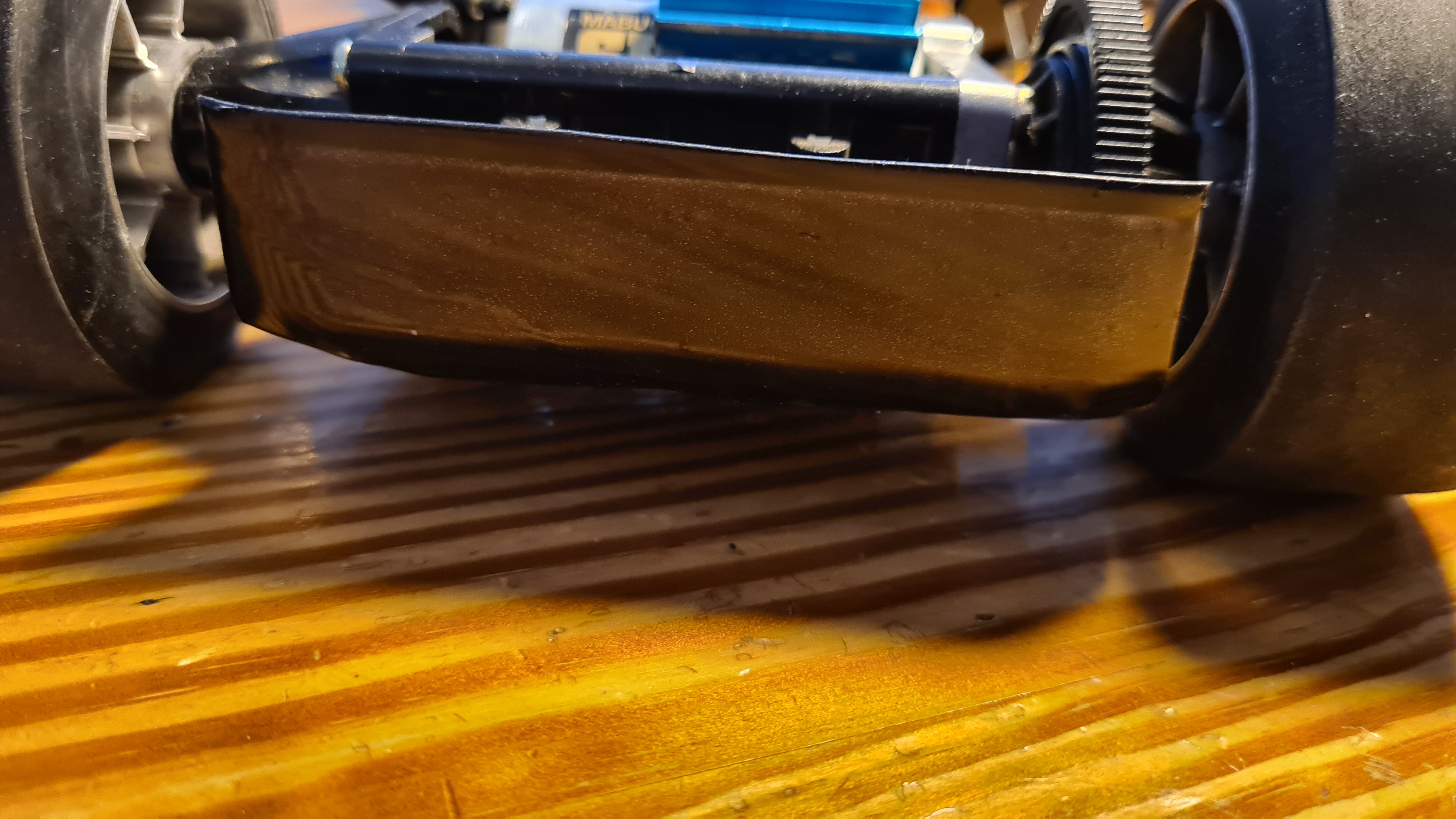
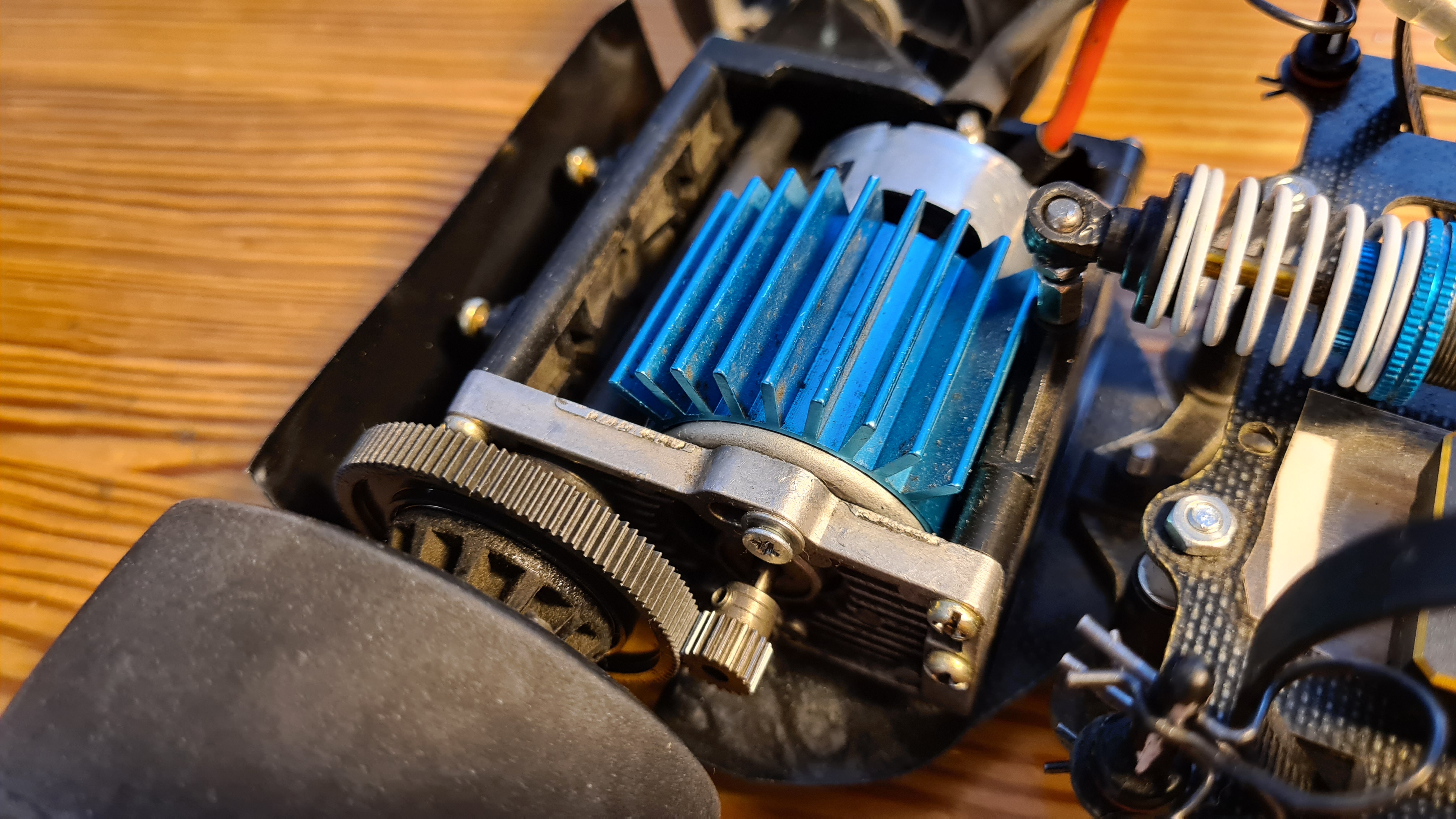
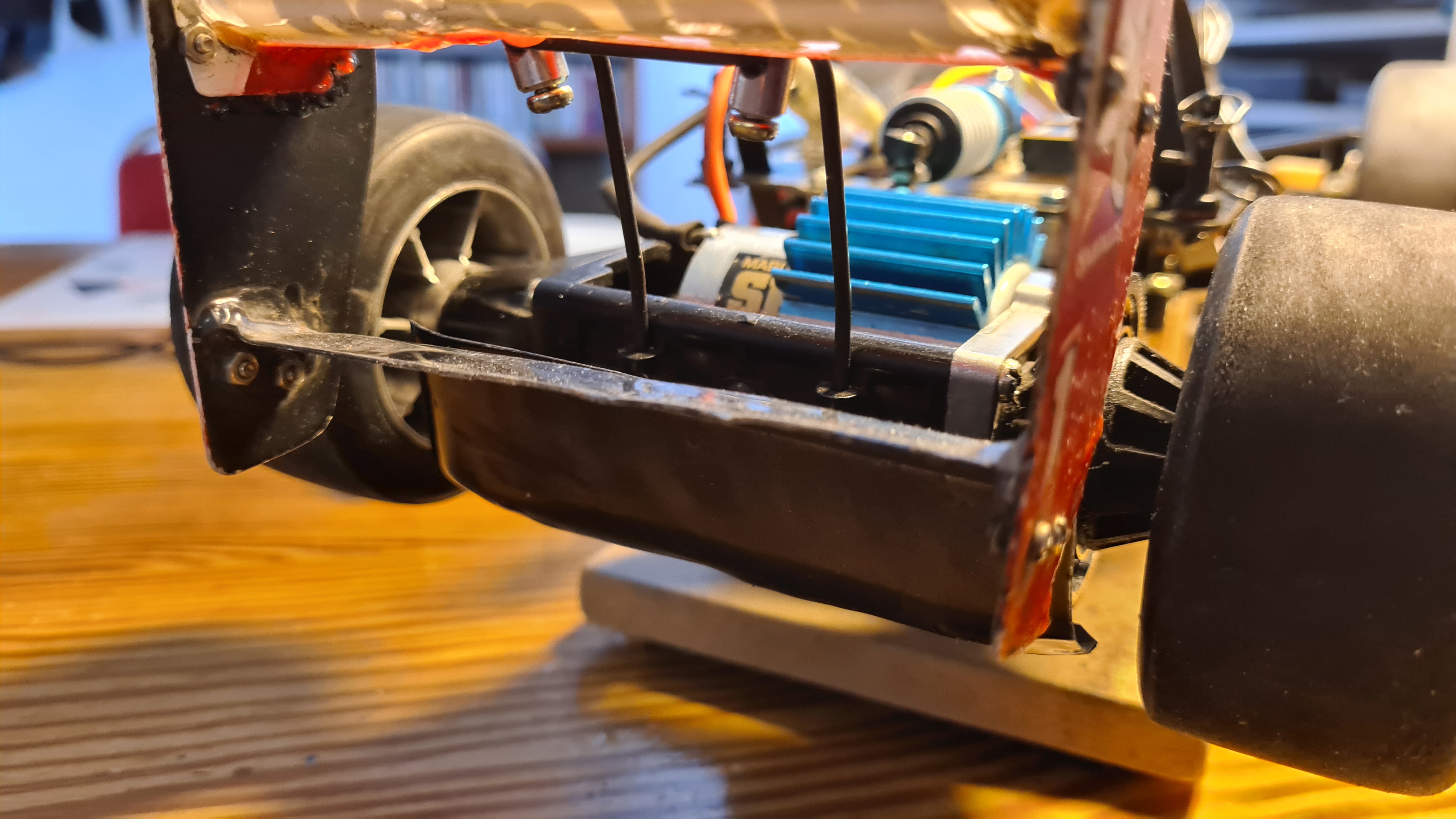
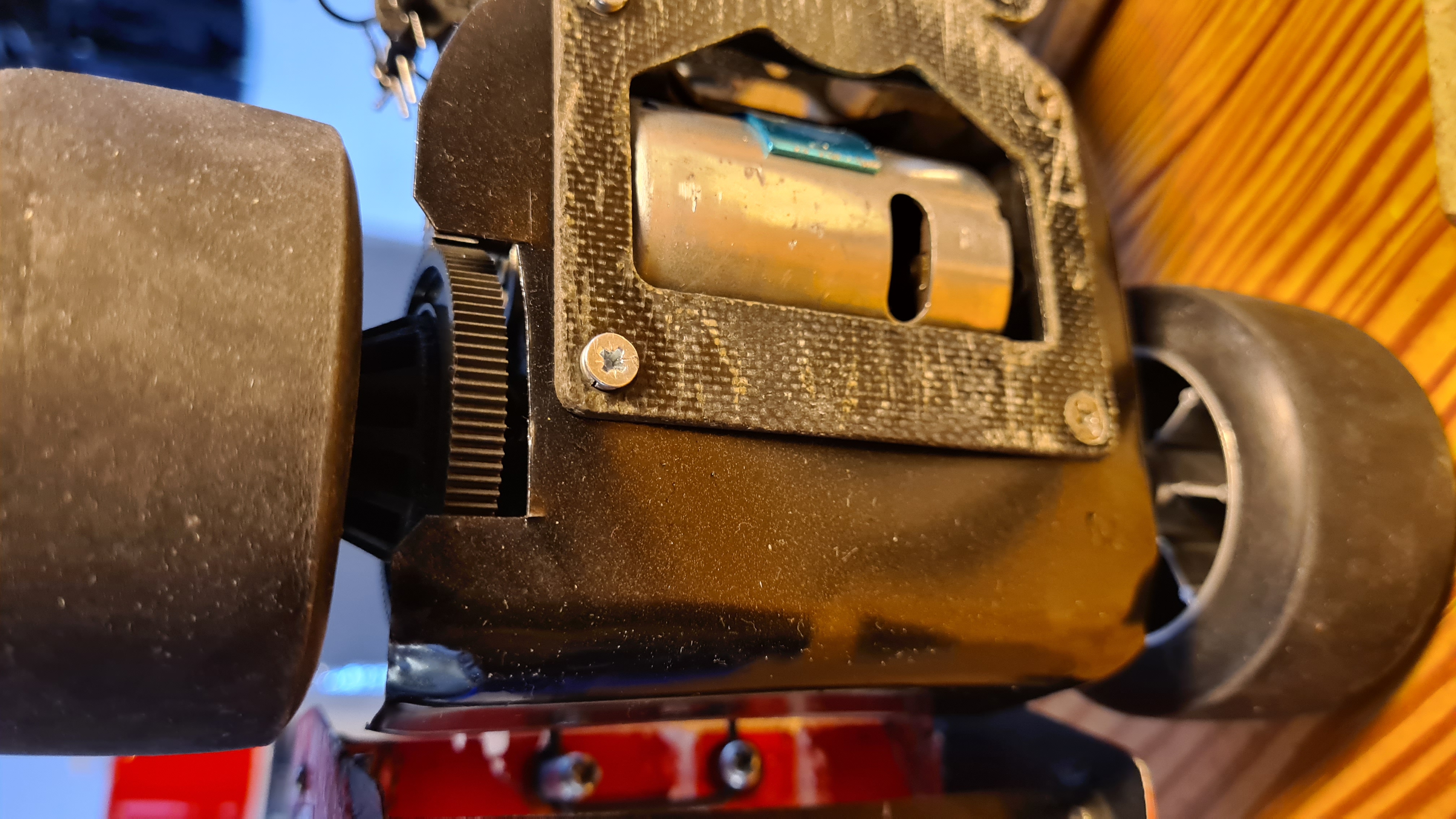
- Strips of custom-cut aluminium were bolted to the car's underside to prevent wearing of and damage to the chassis plate and its screws.
Quick navigation:
- Original box kit and initial setup
- Initial testing and repairs (before upgrades)
- Final upgrades
- Posing shots
- Videos
Original box kit and initial setup

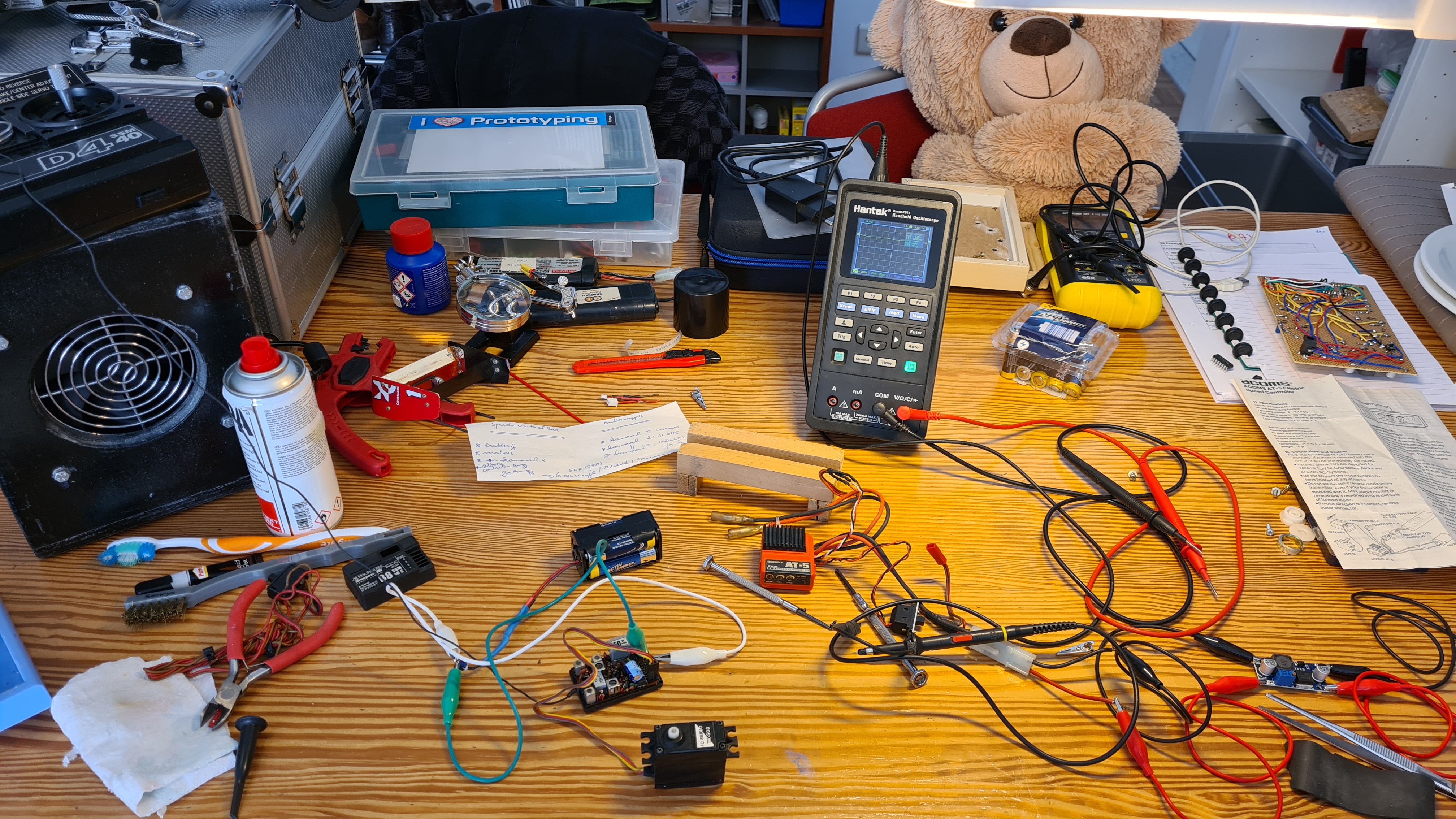
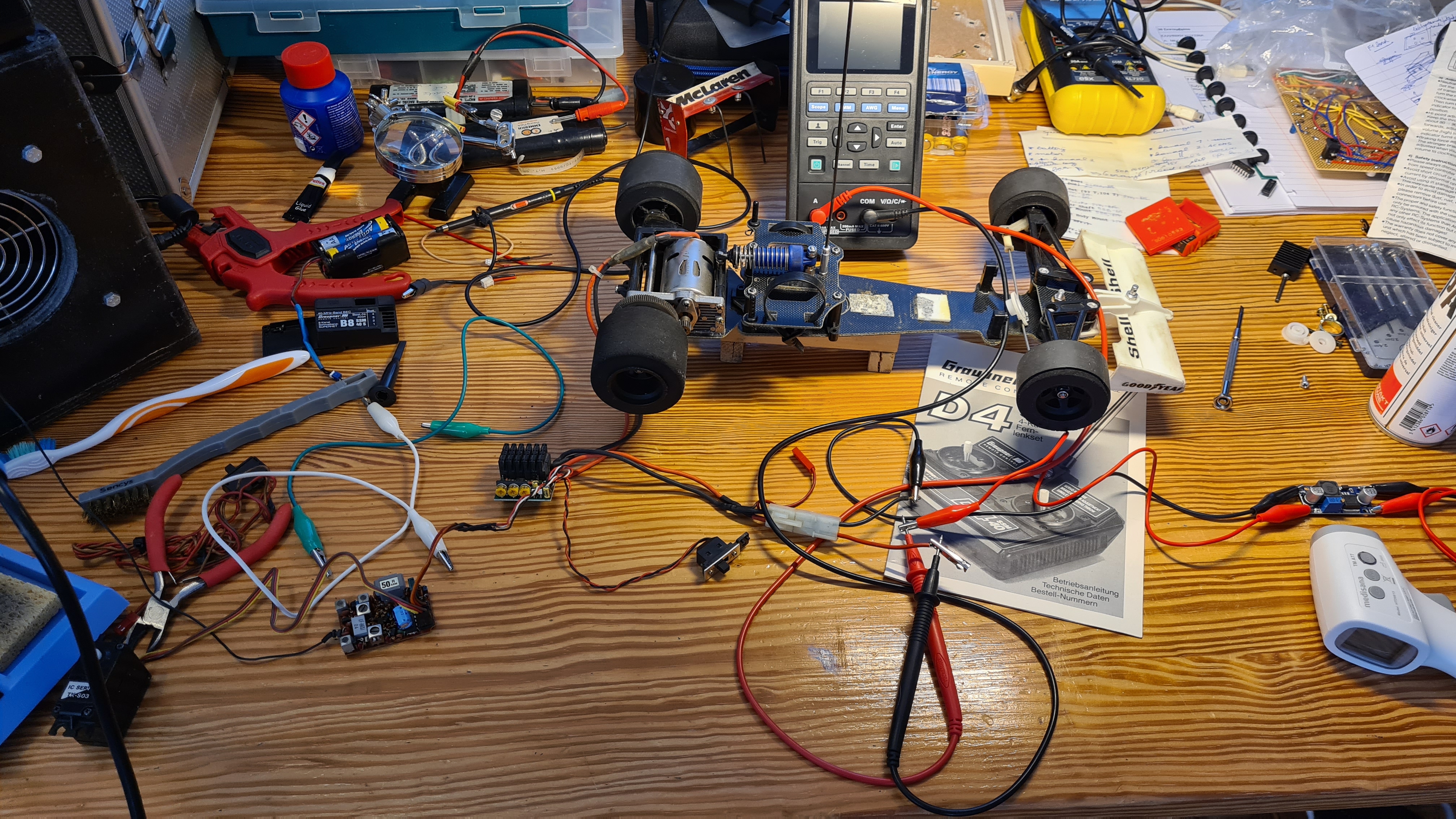
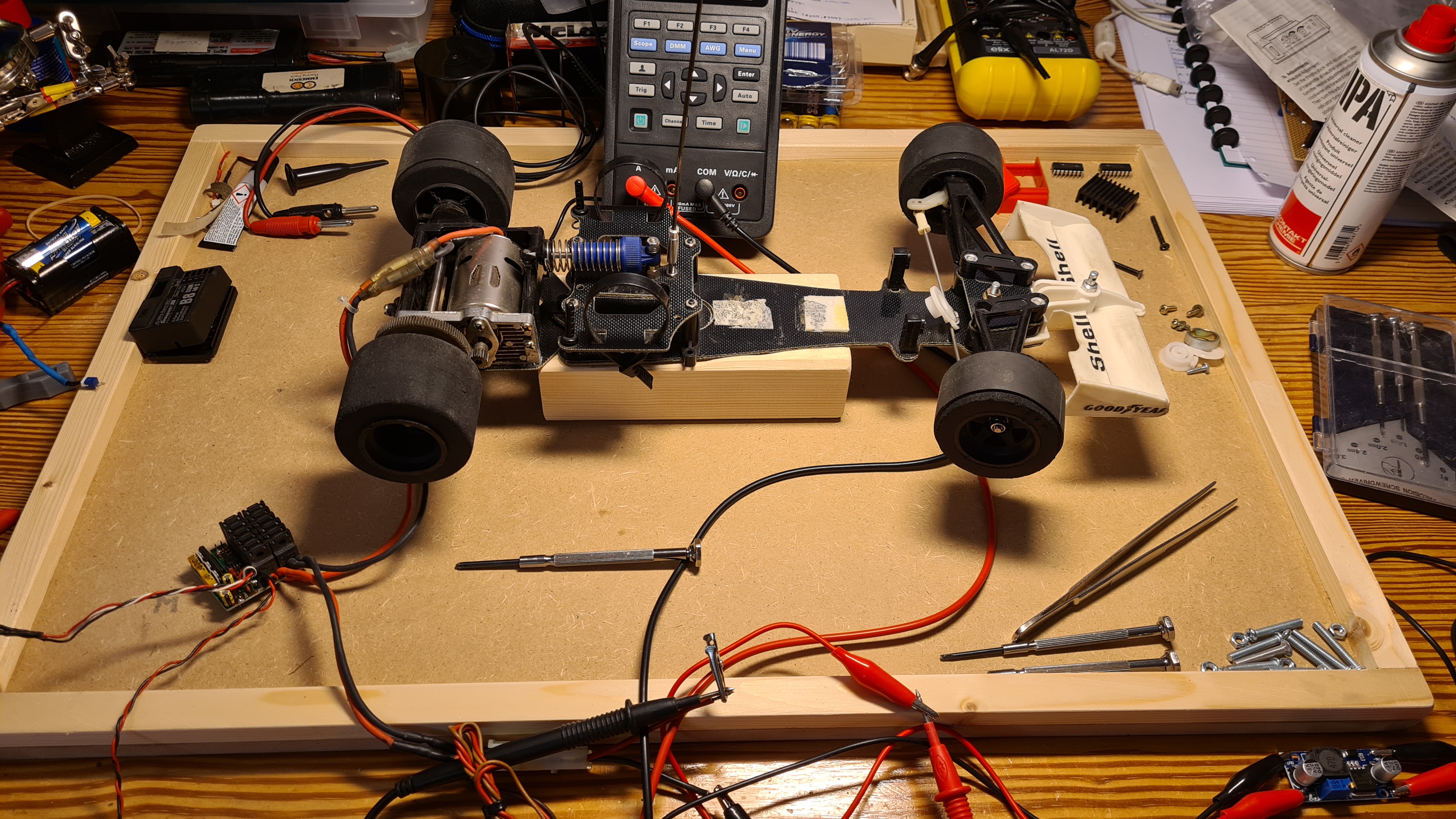
Initial testing and repairs (before upgrades)
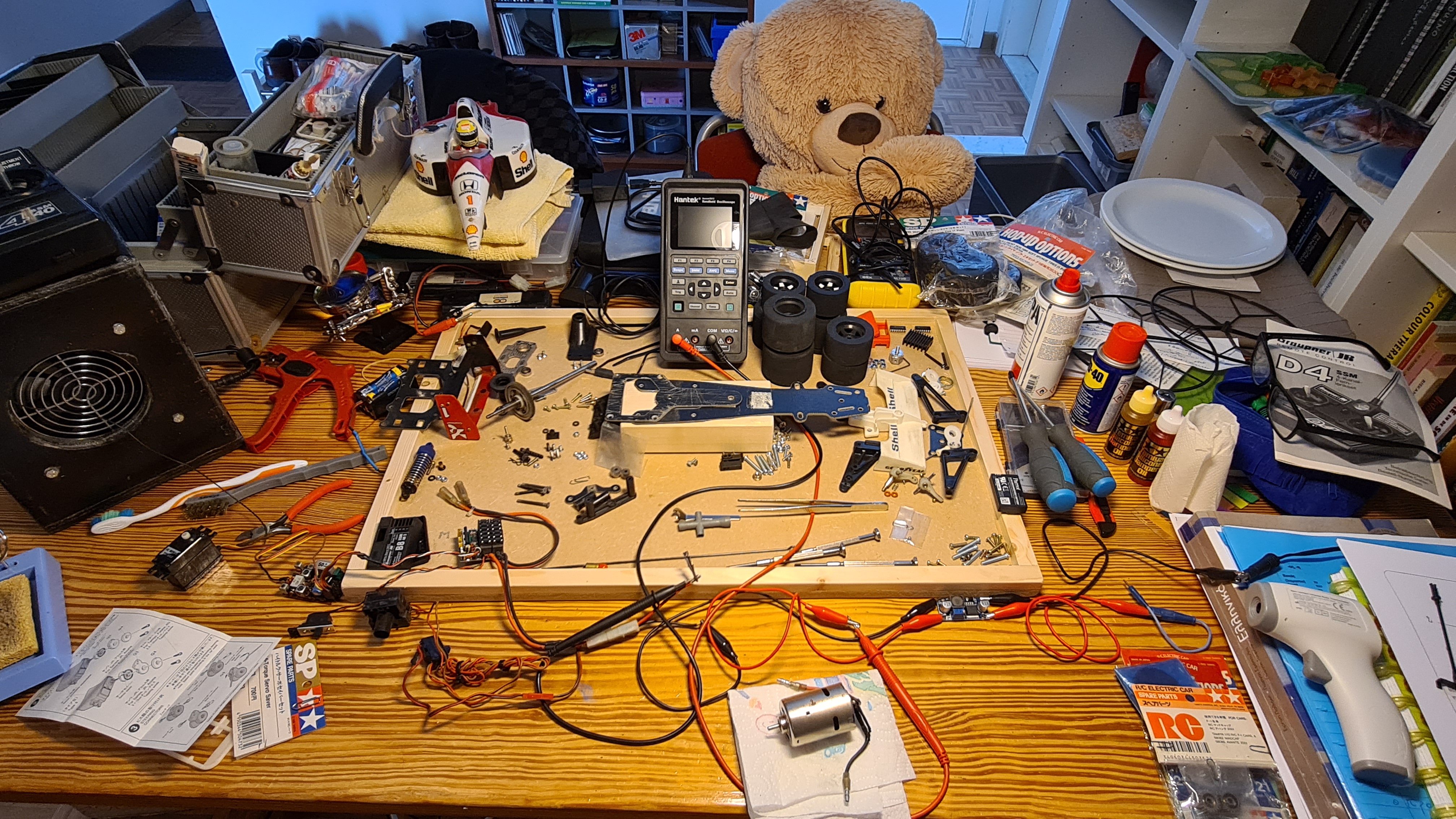
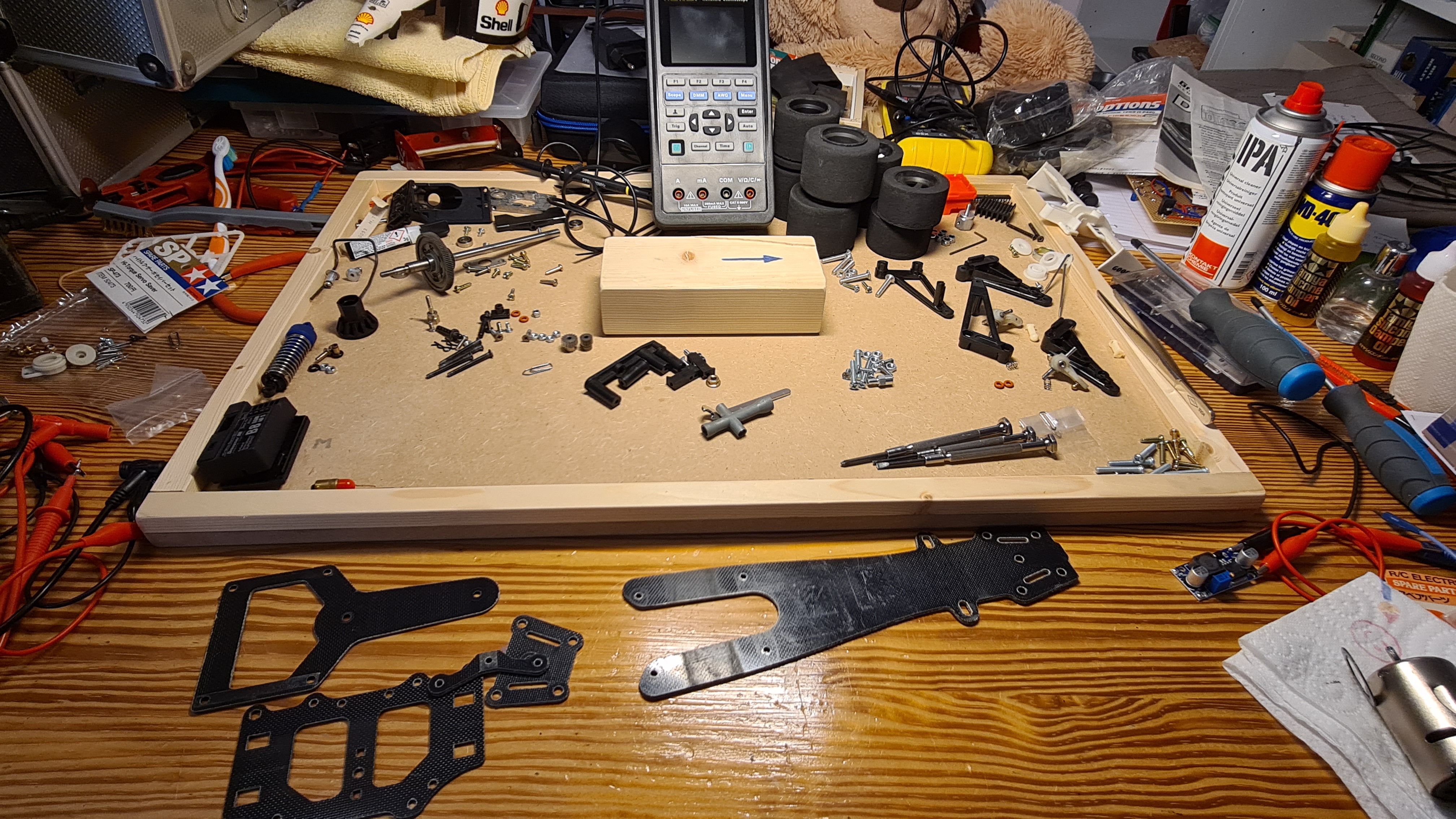
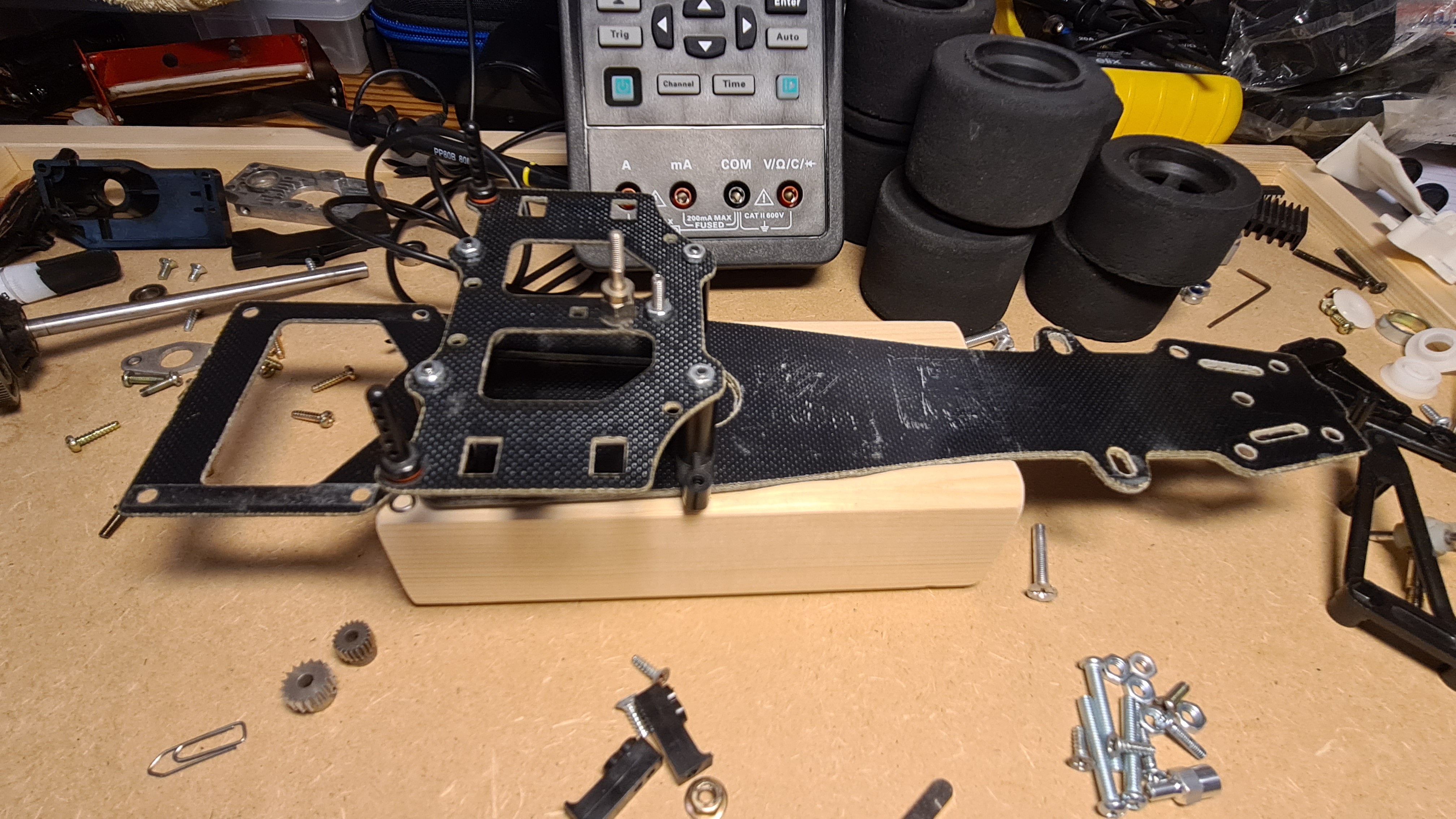
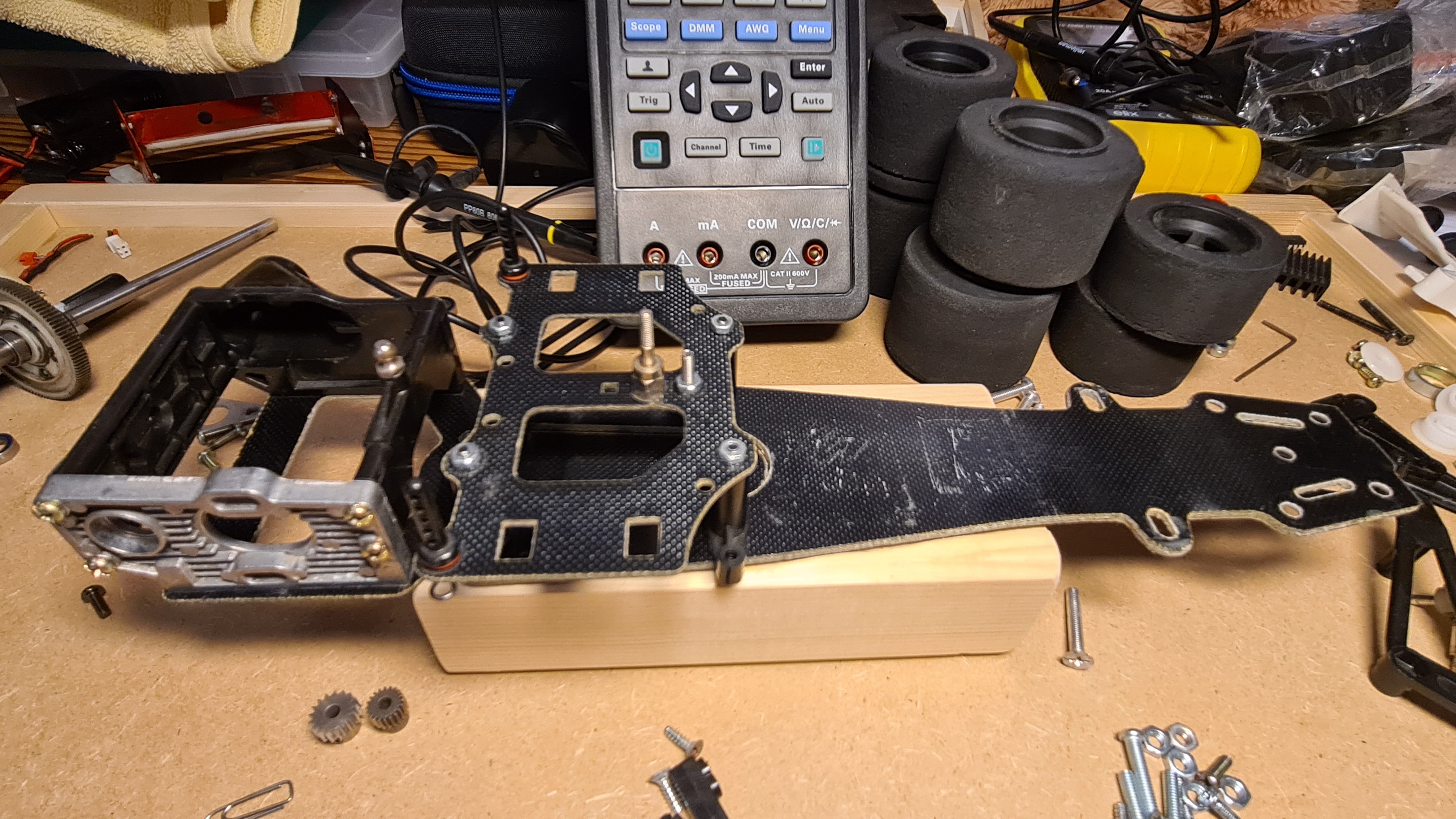
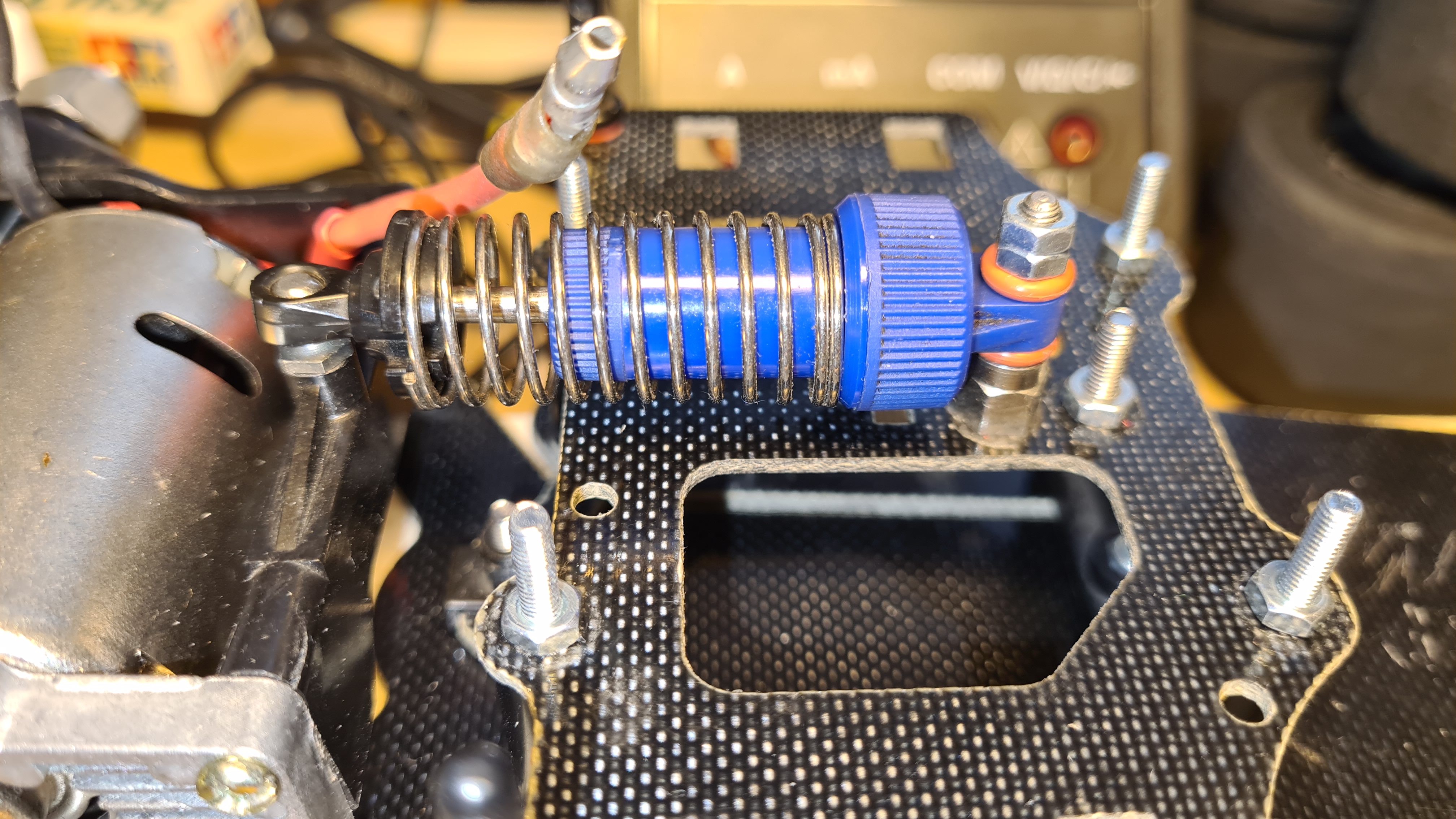
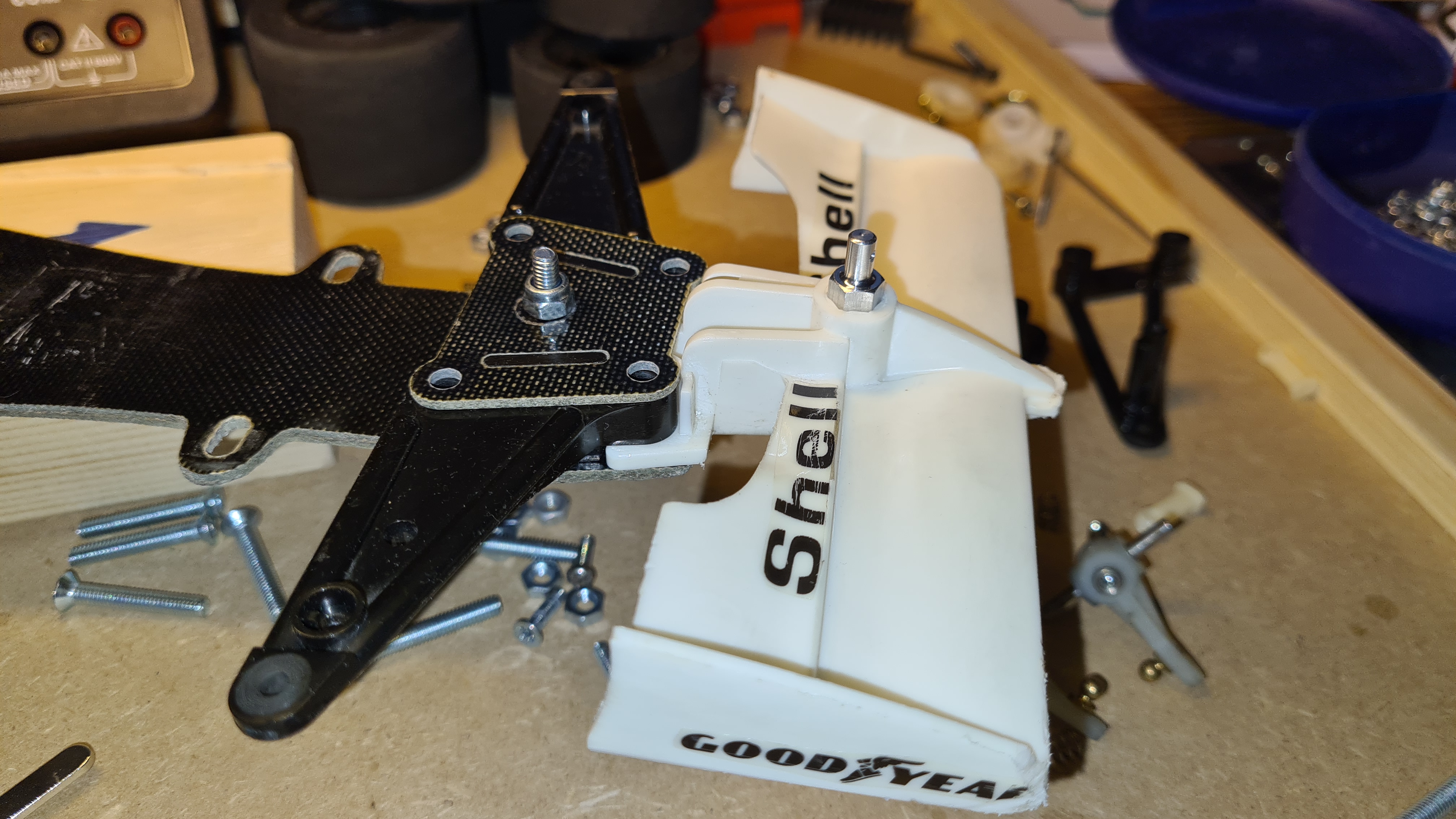
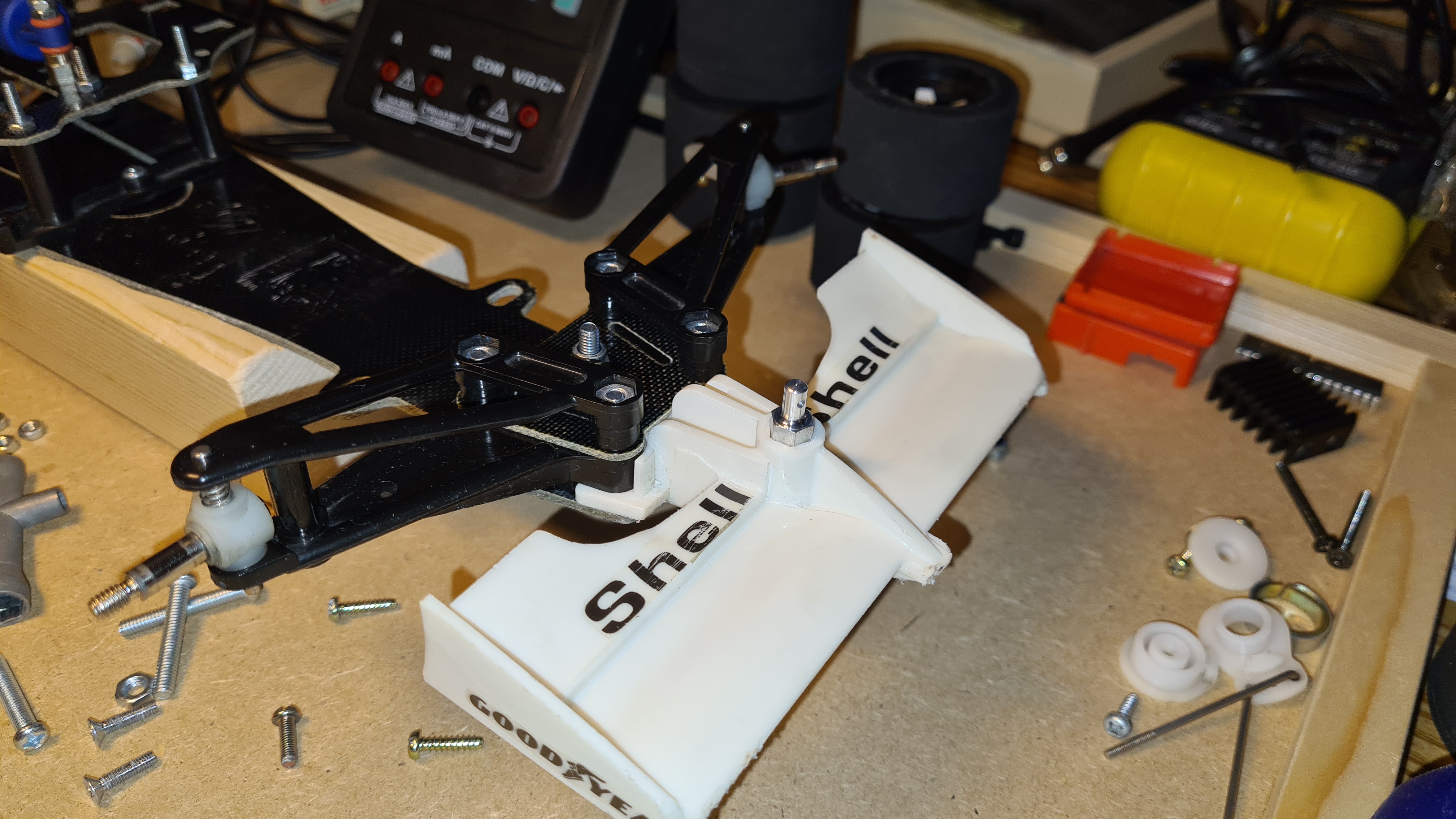
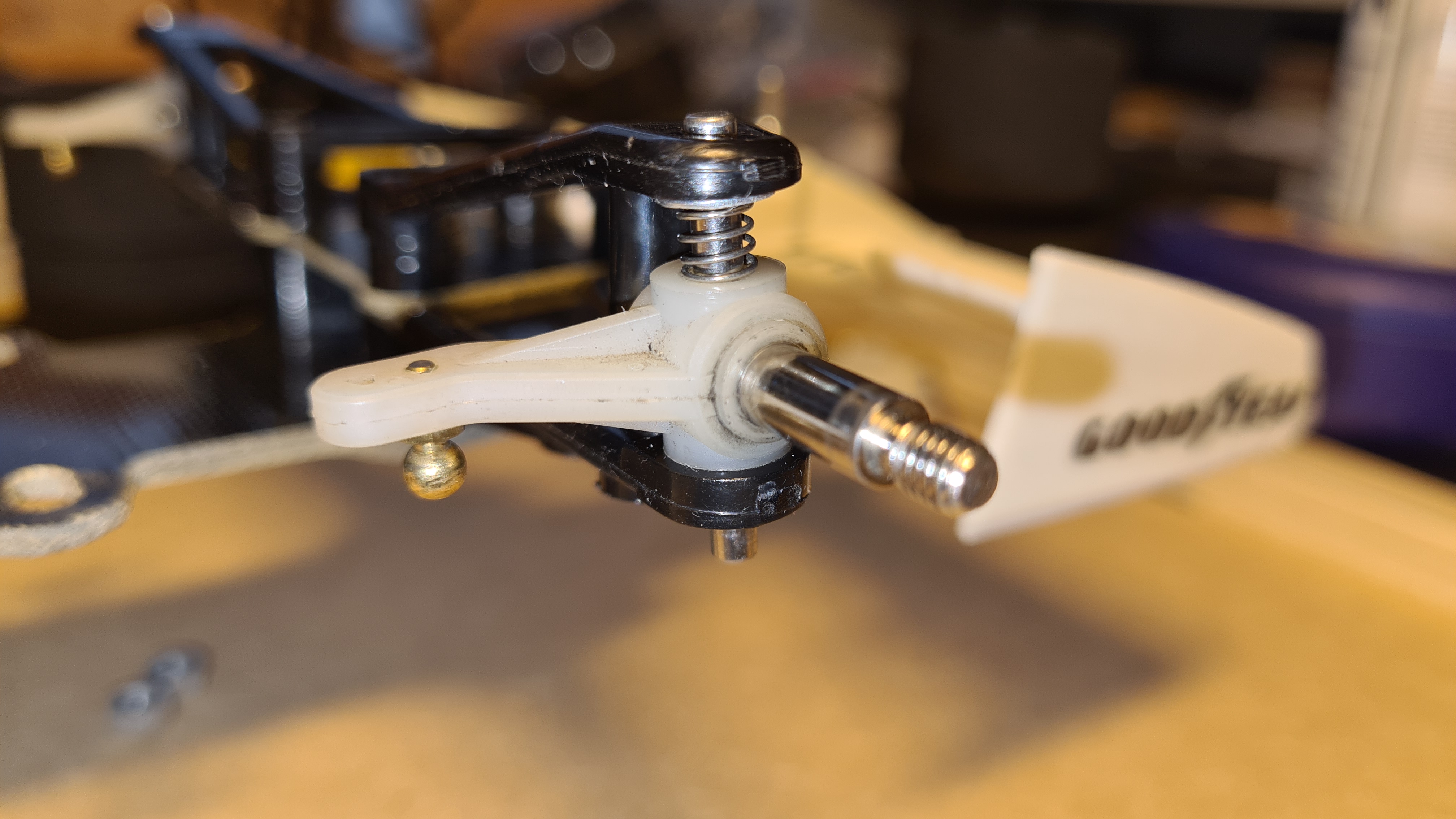
Final upgrades

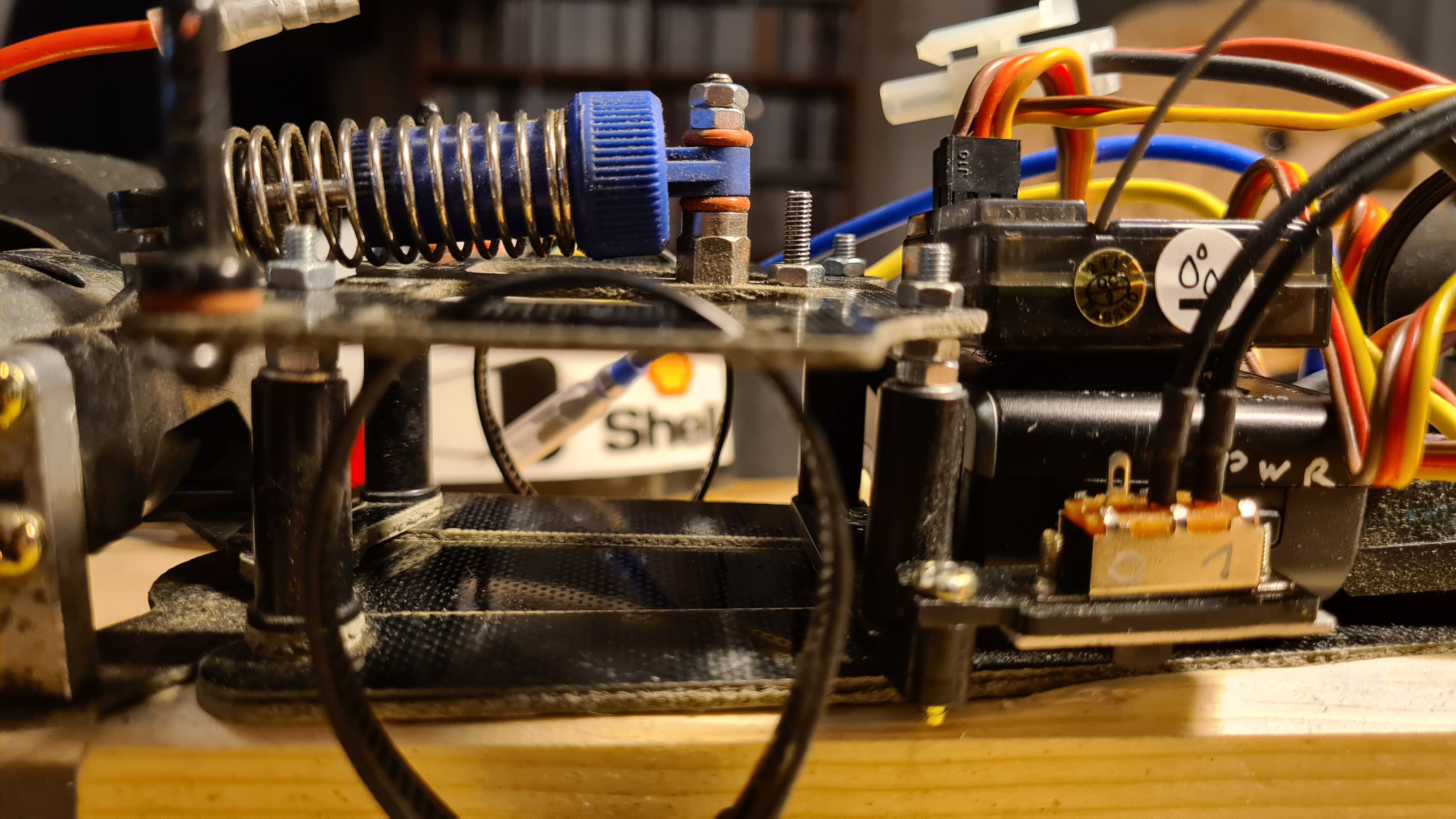
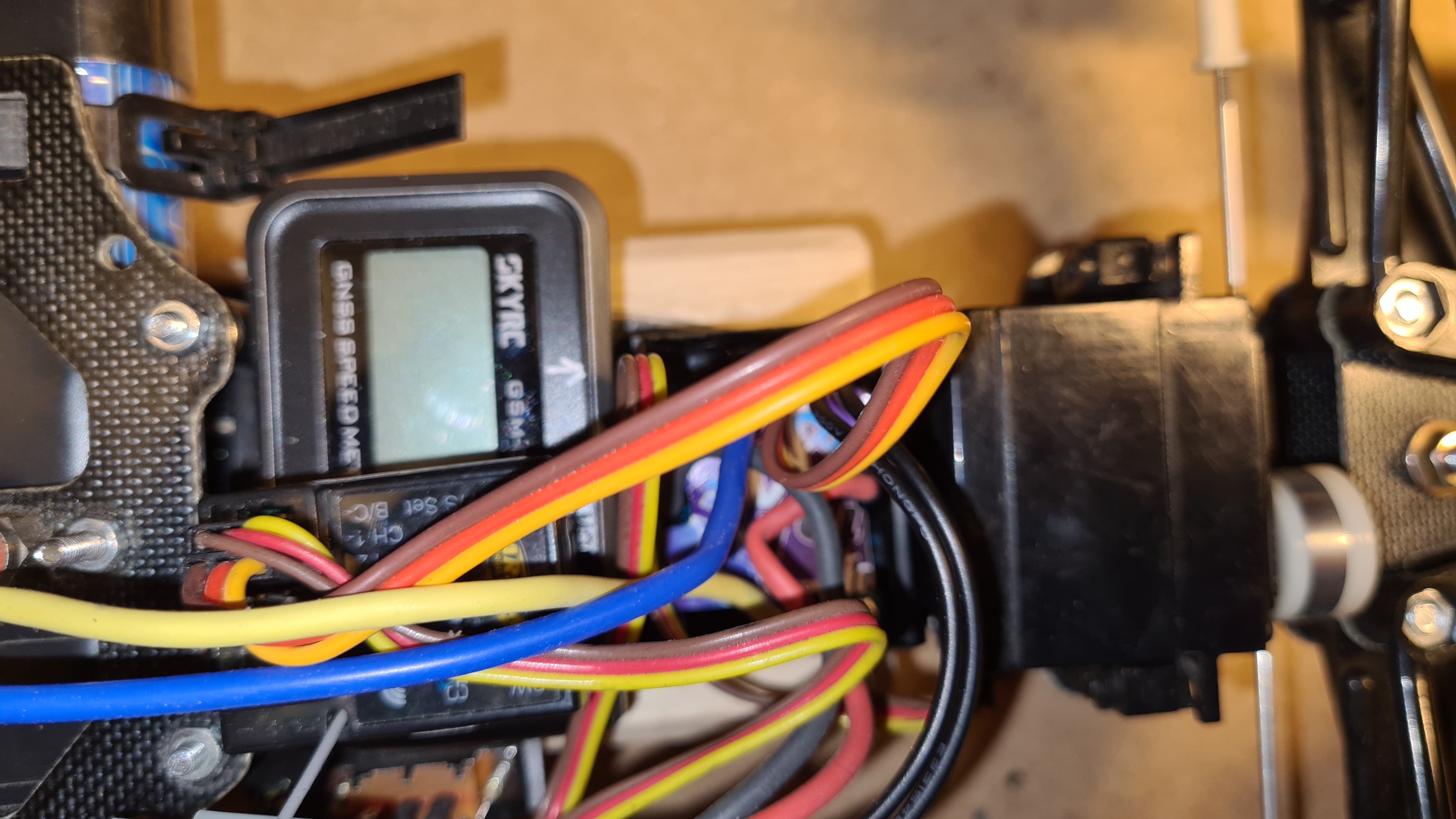
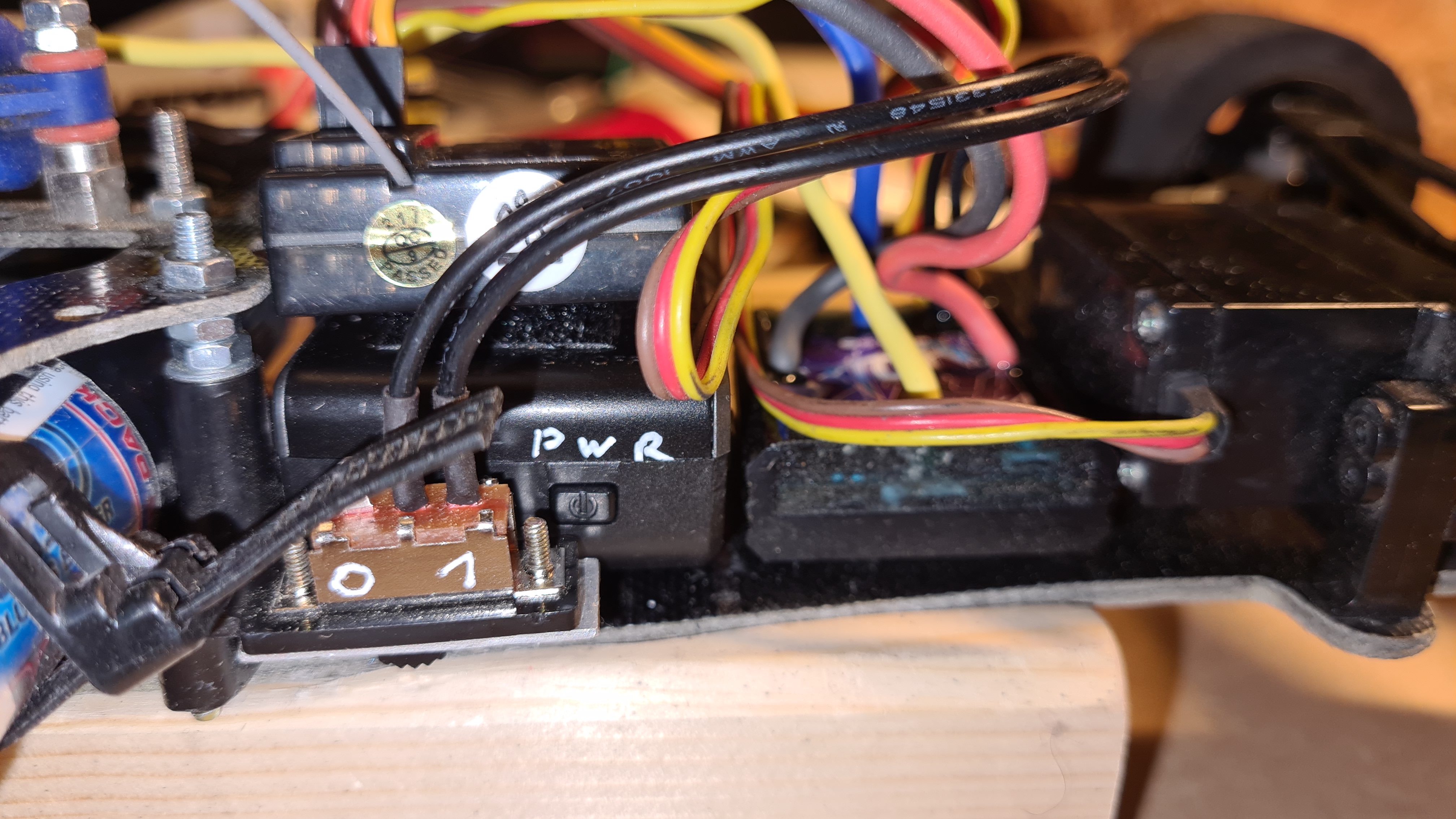
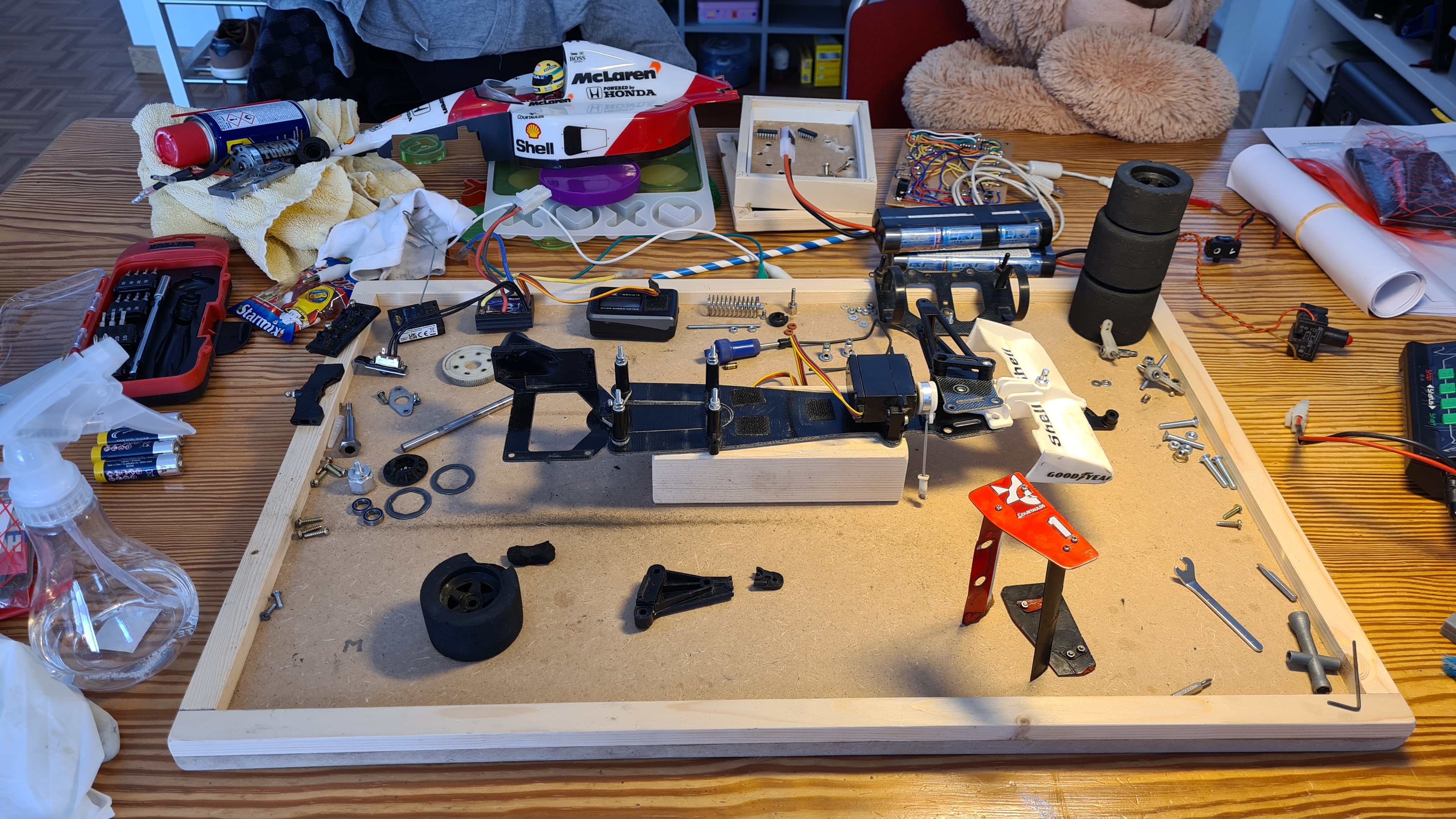
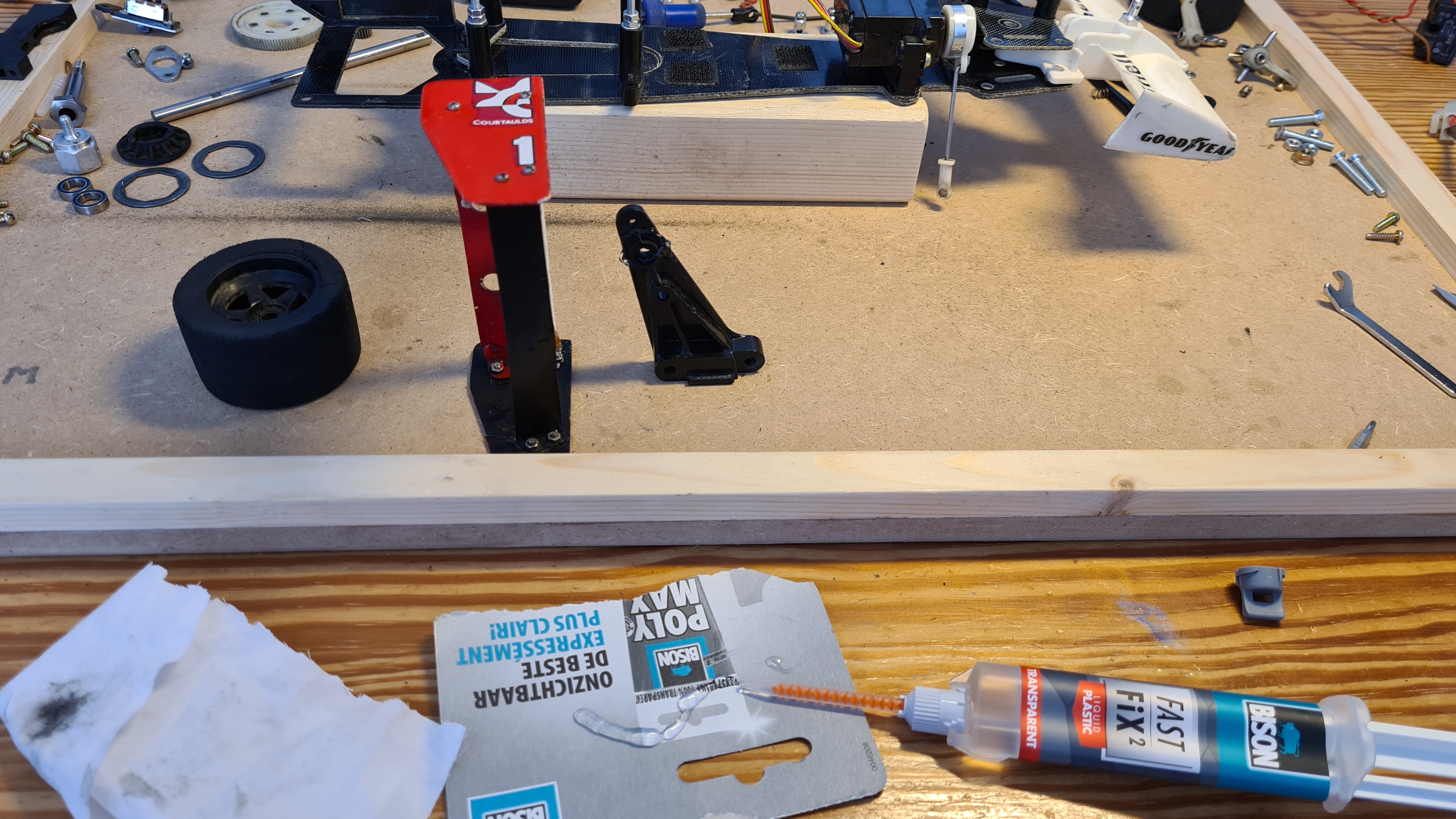
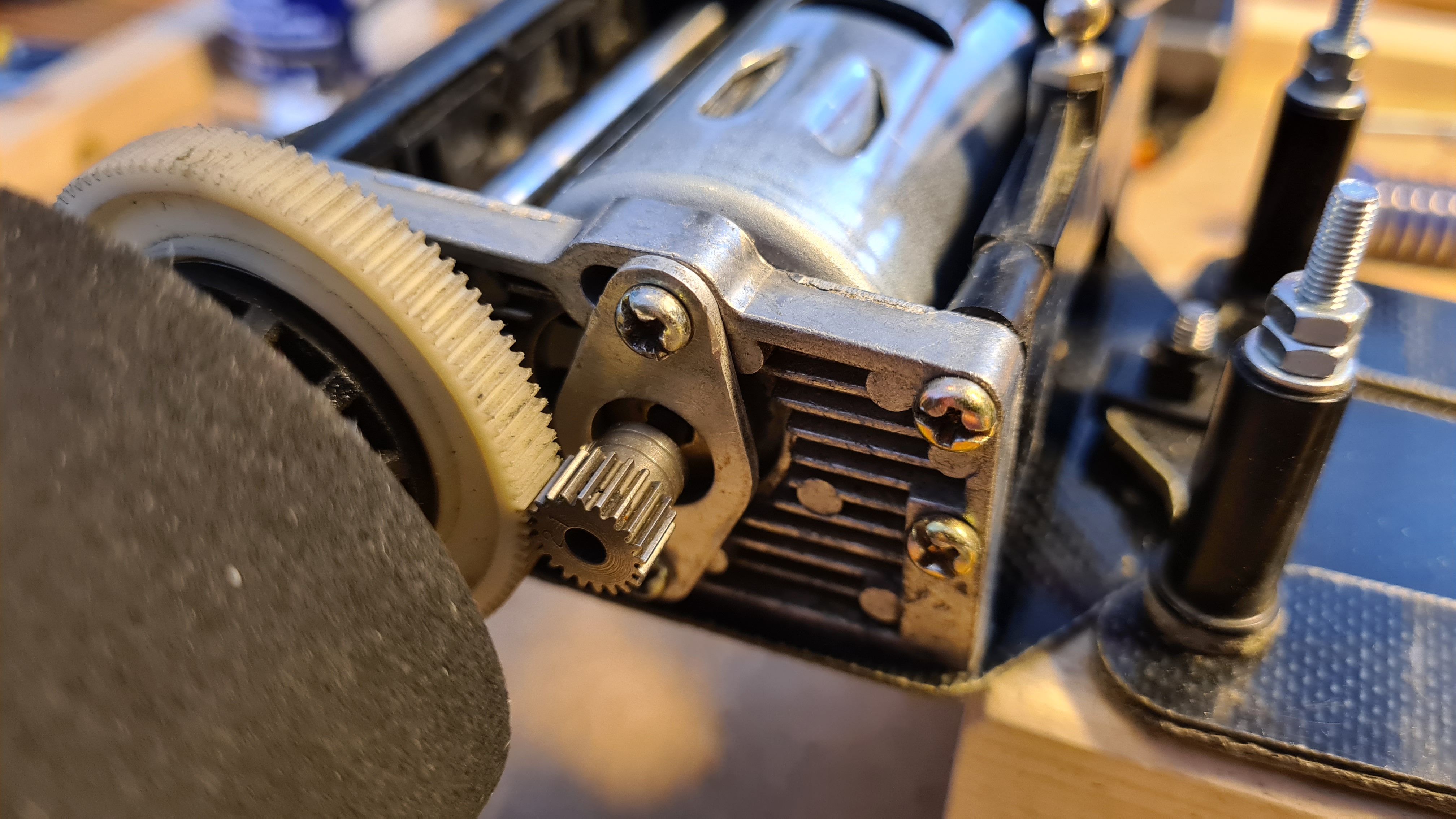
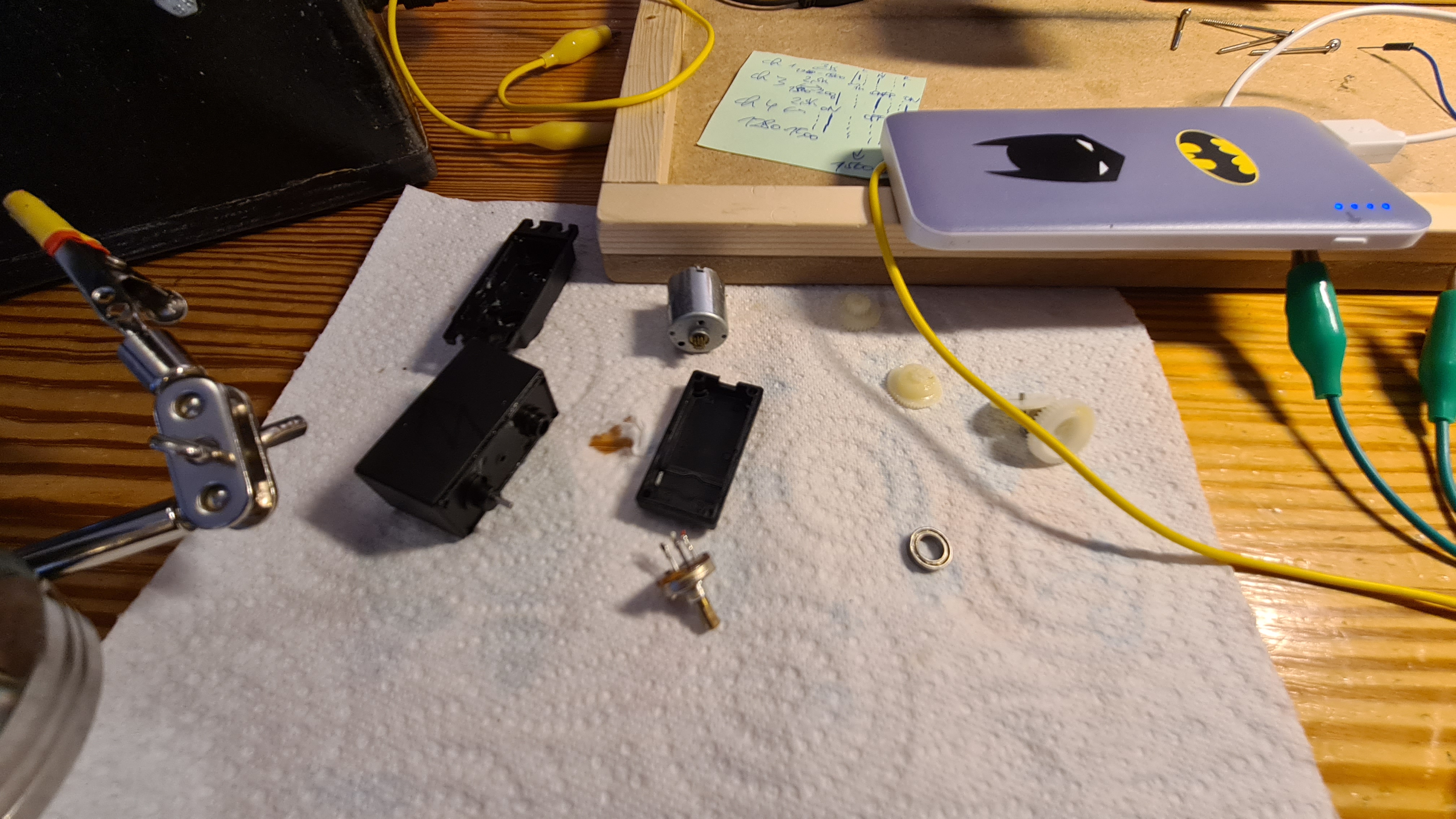
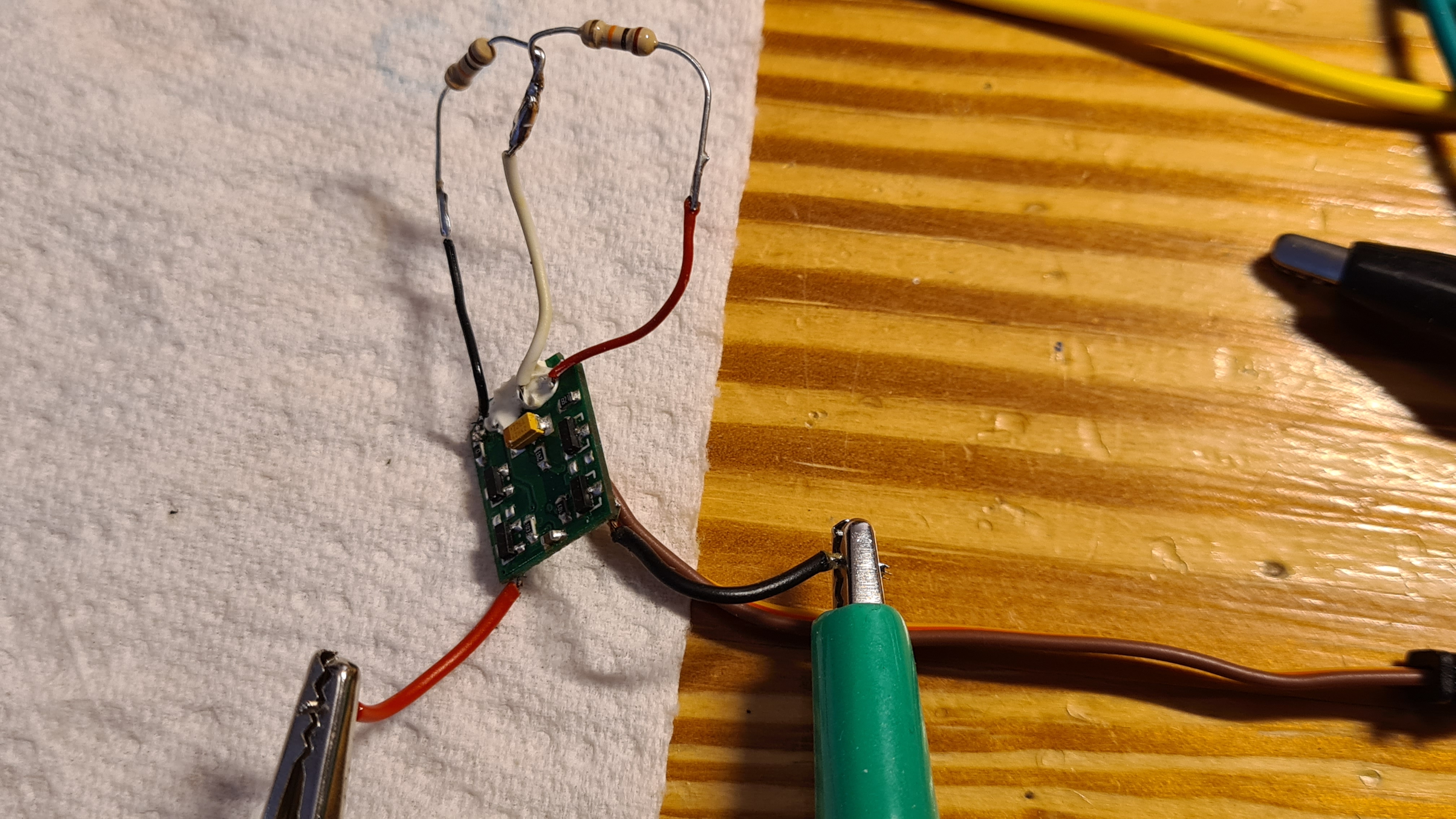
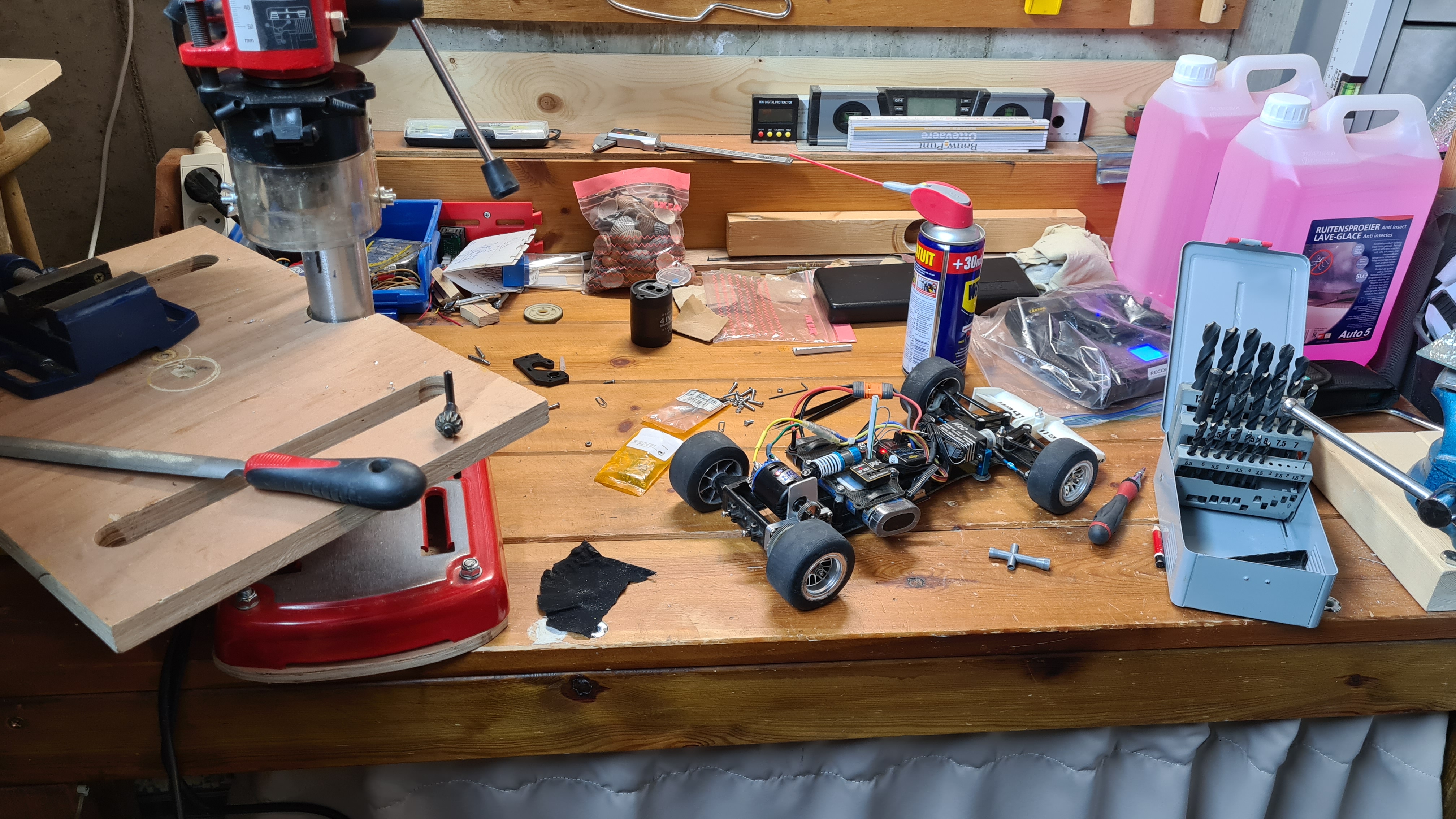
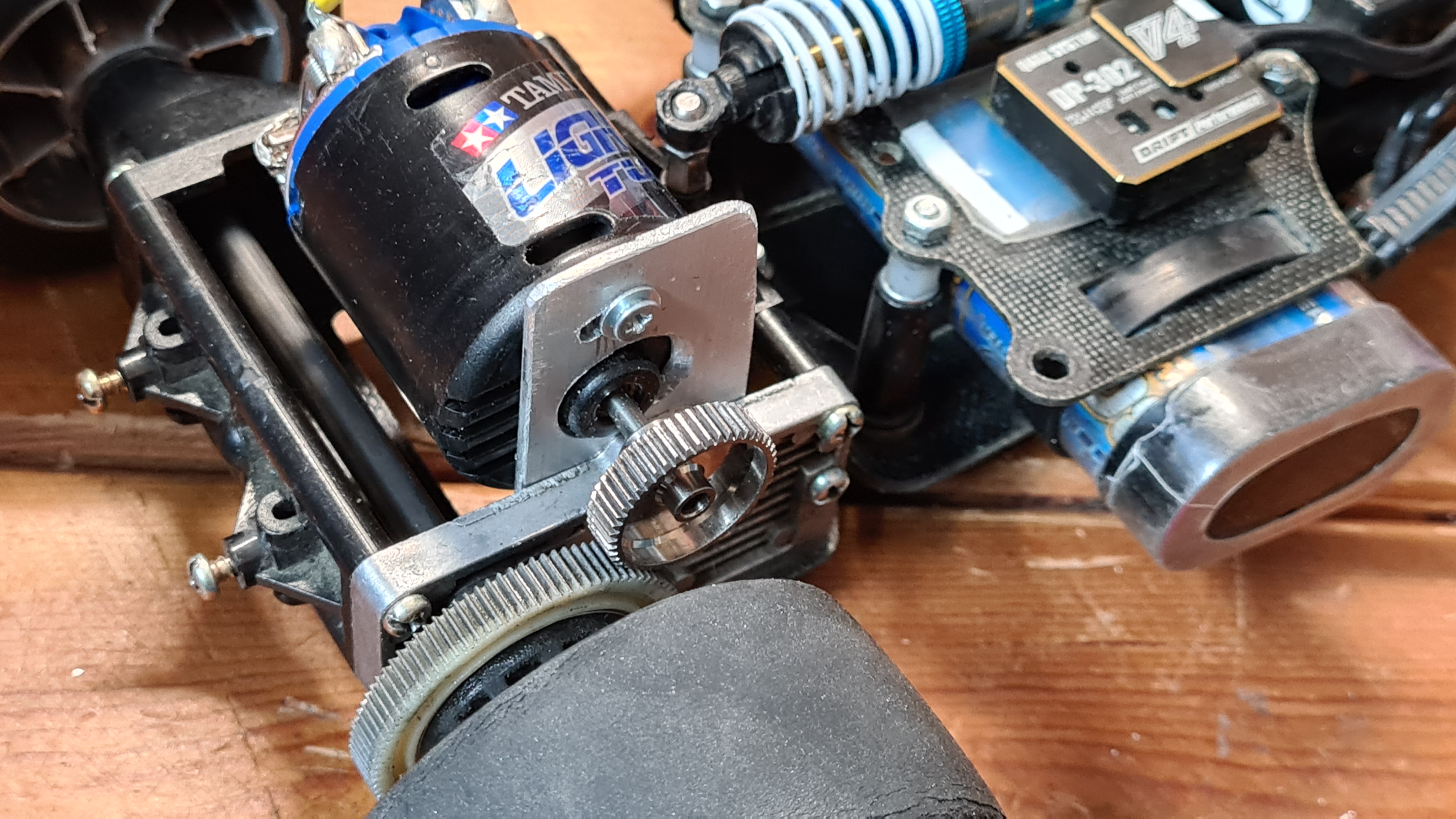
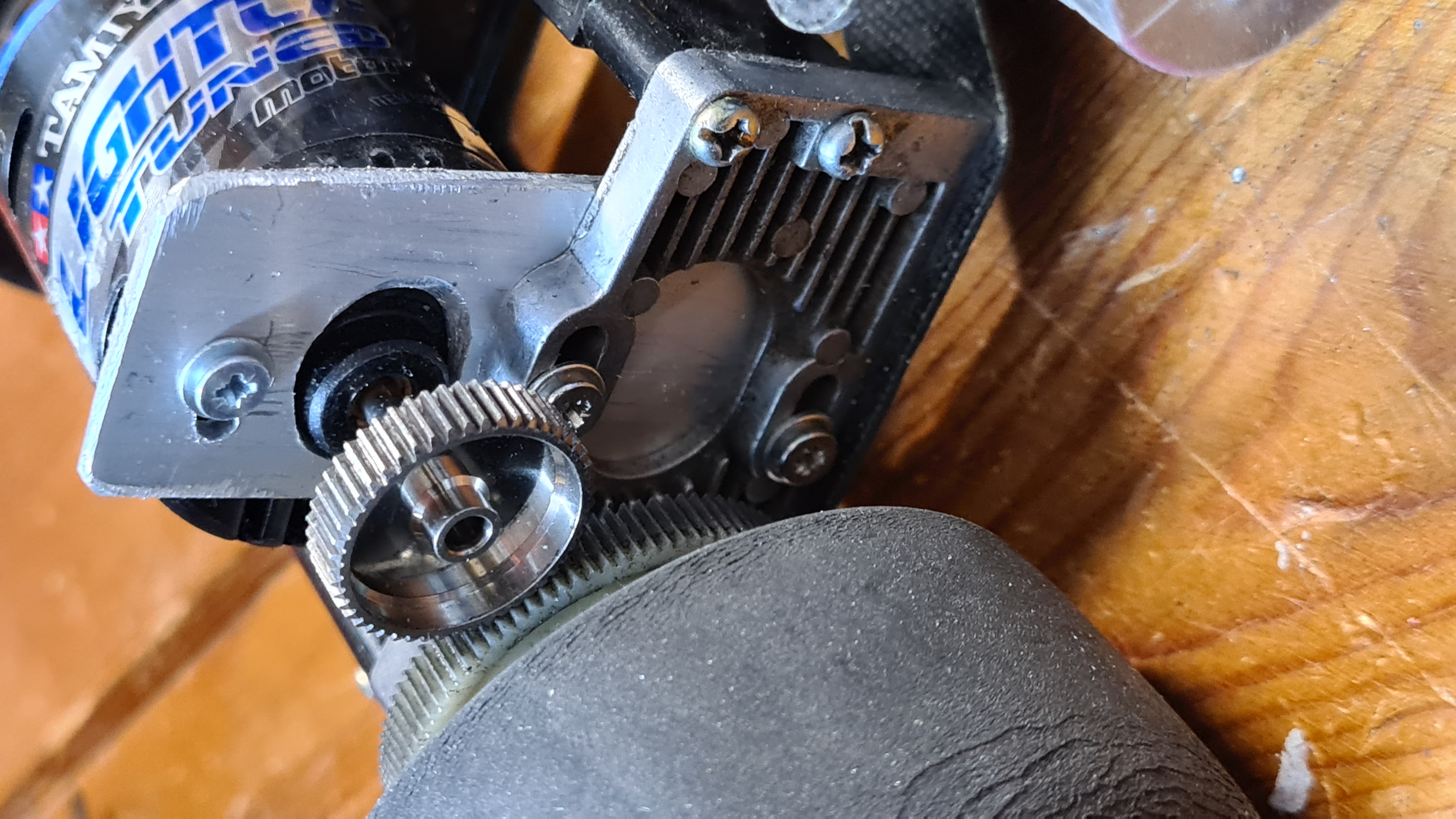
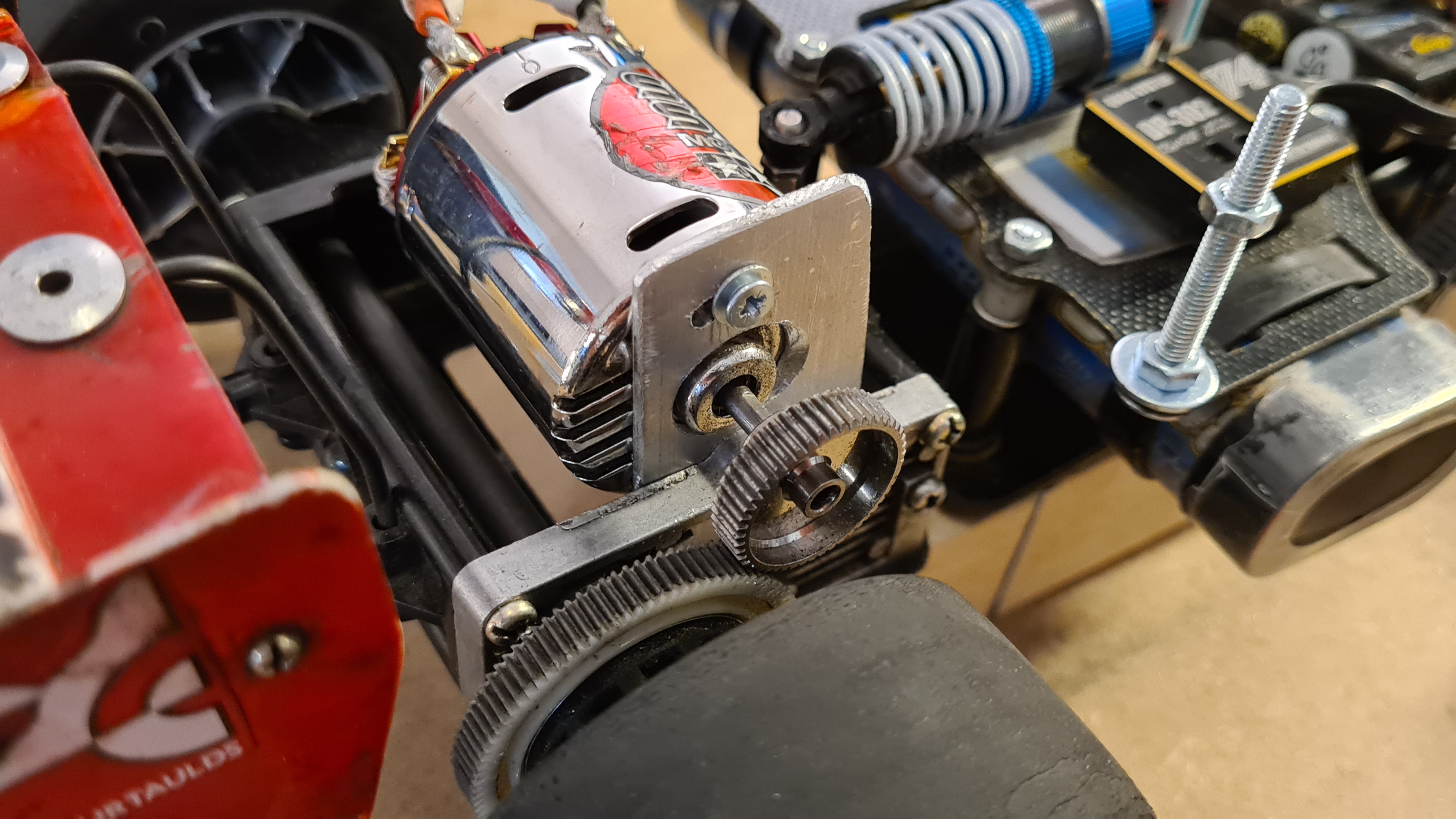
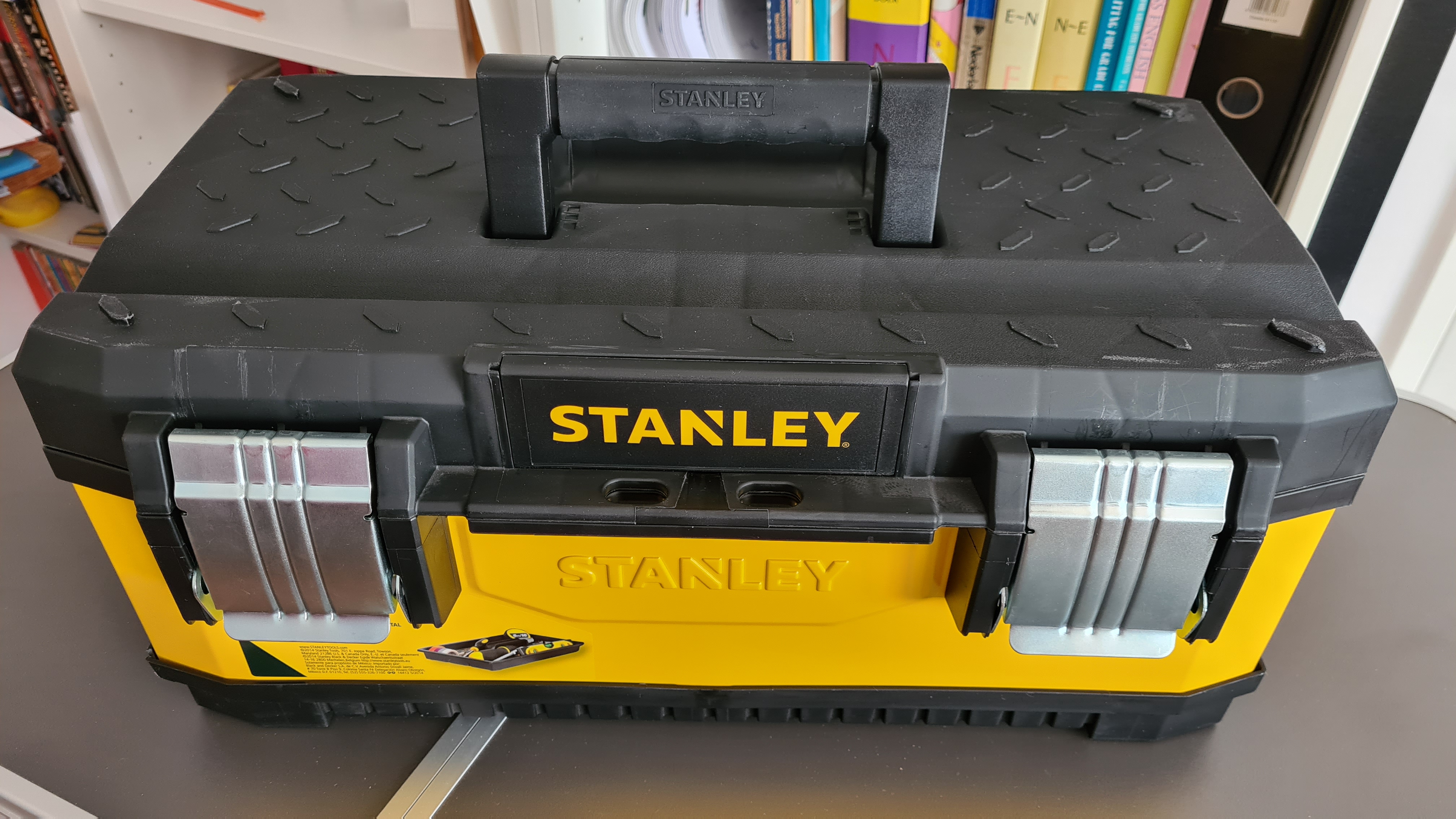
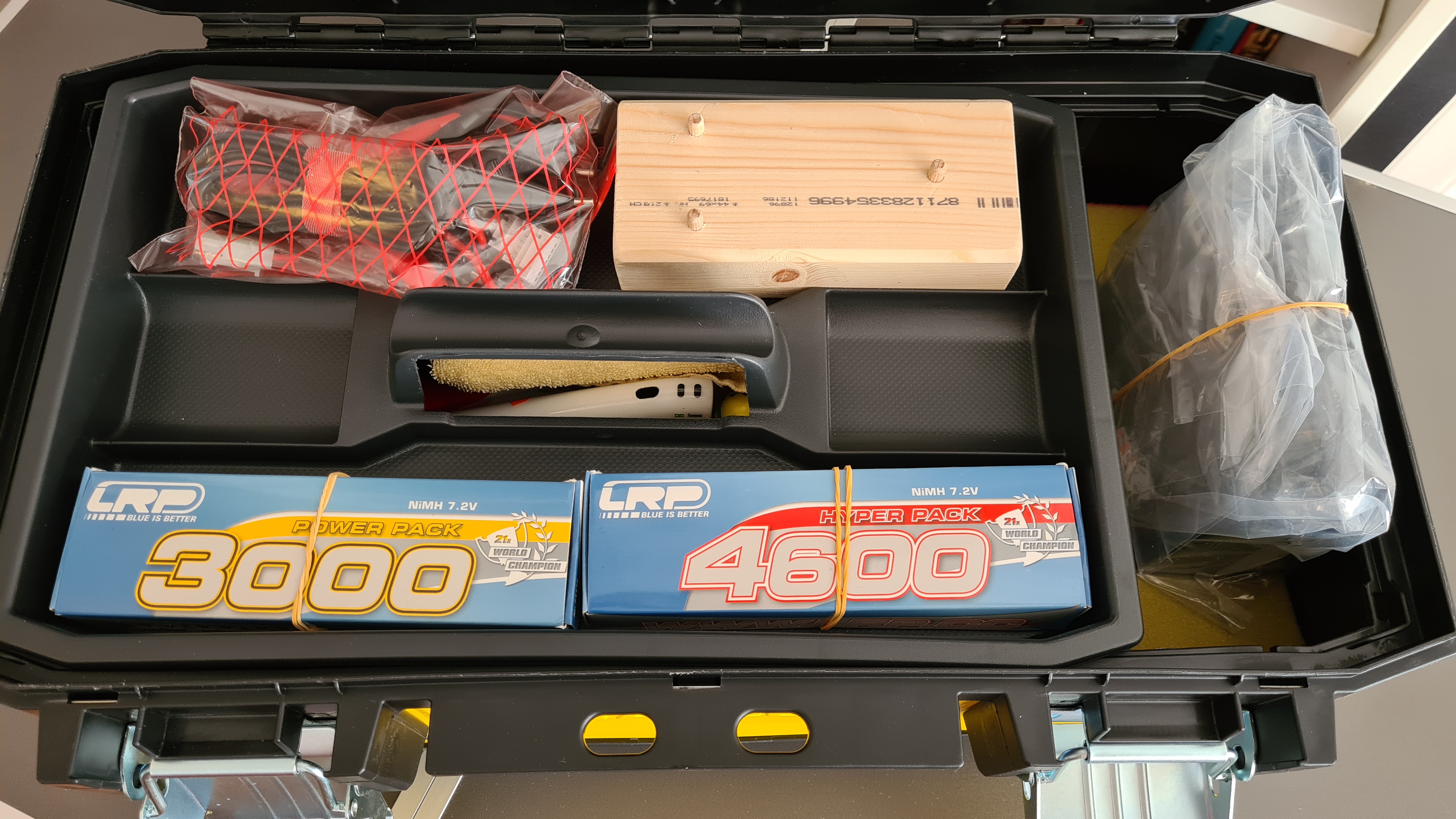
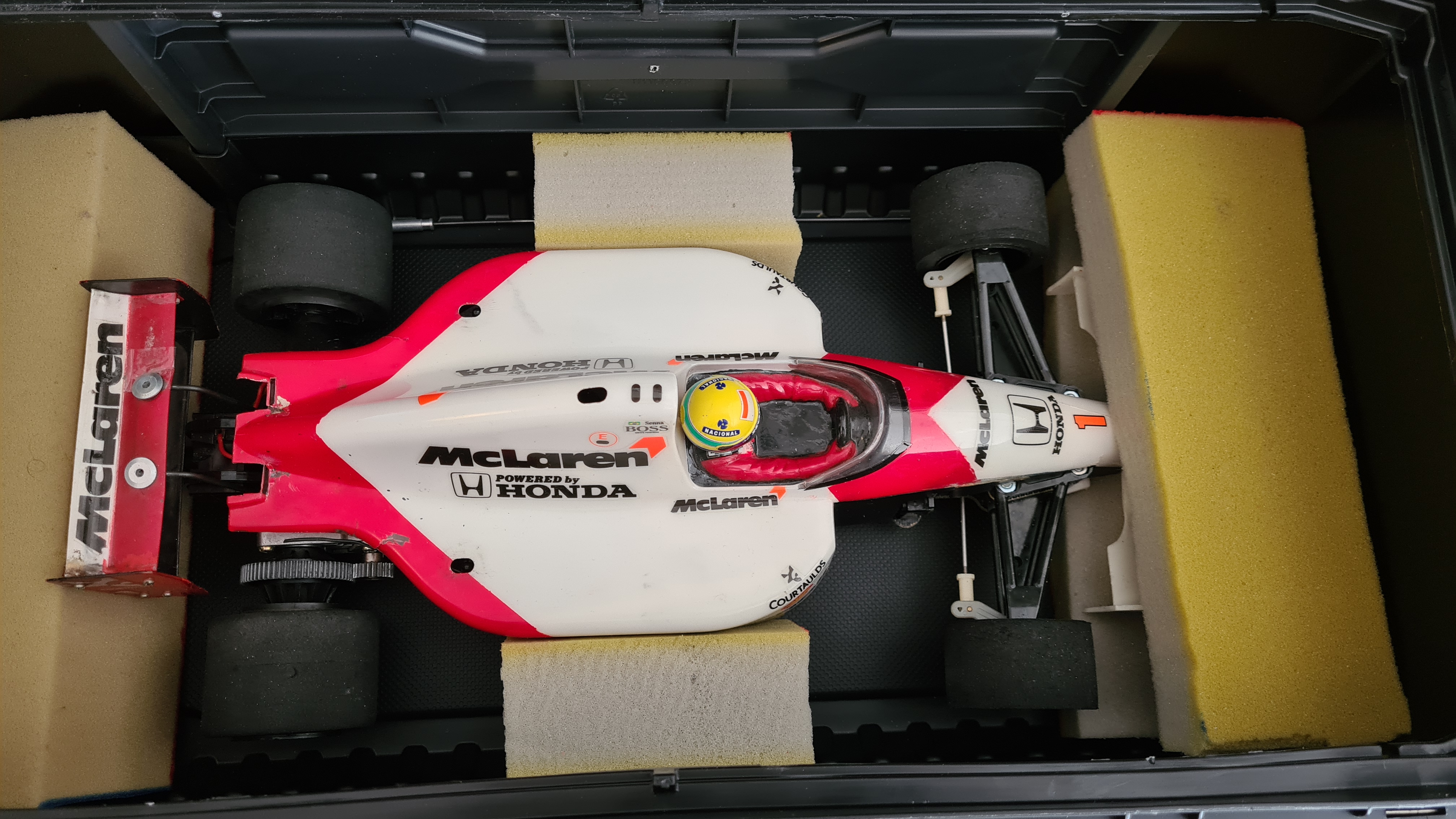
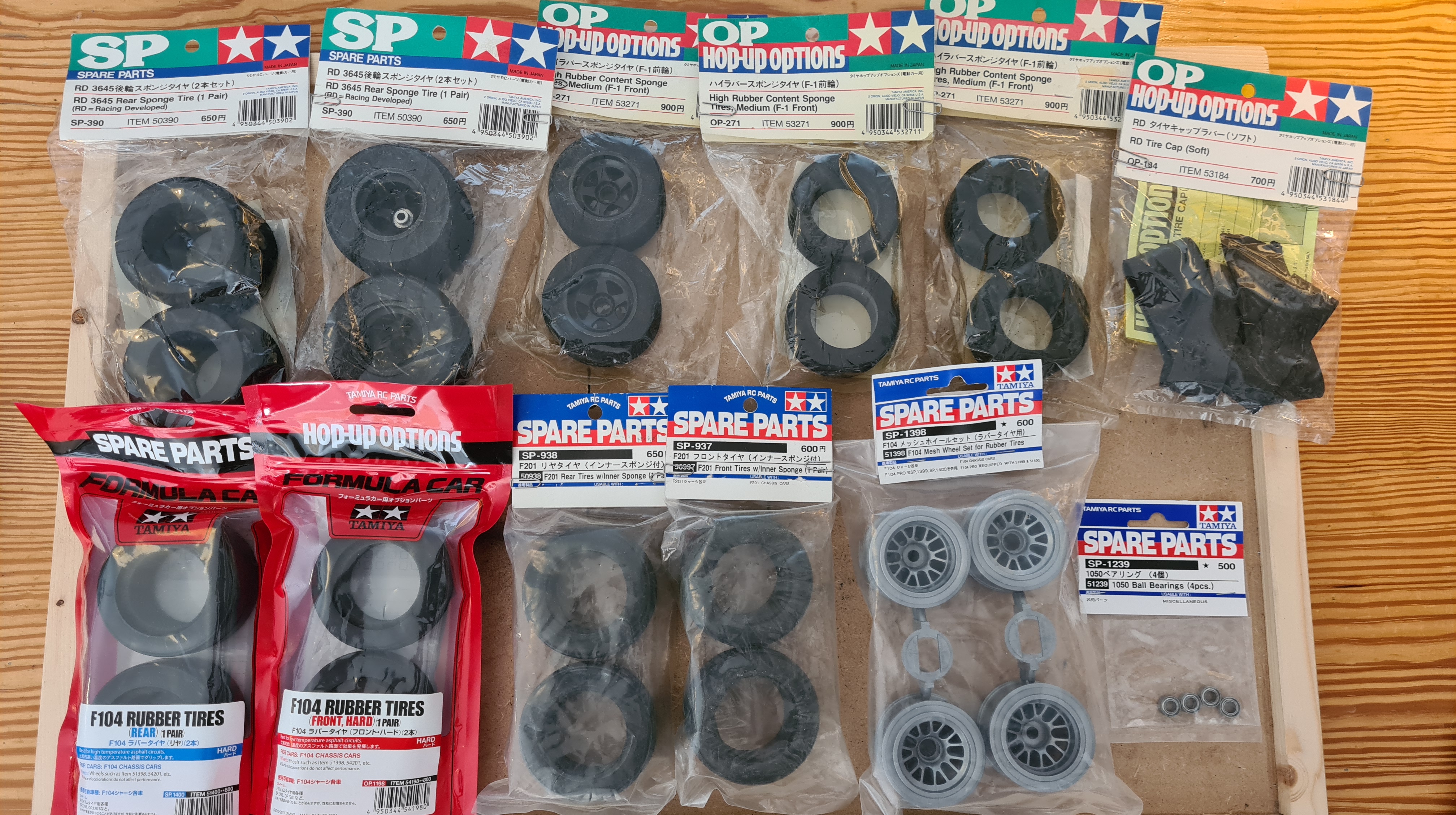
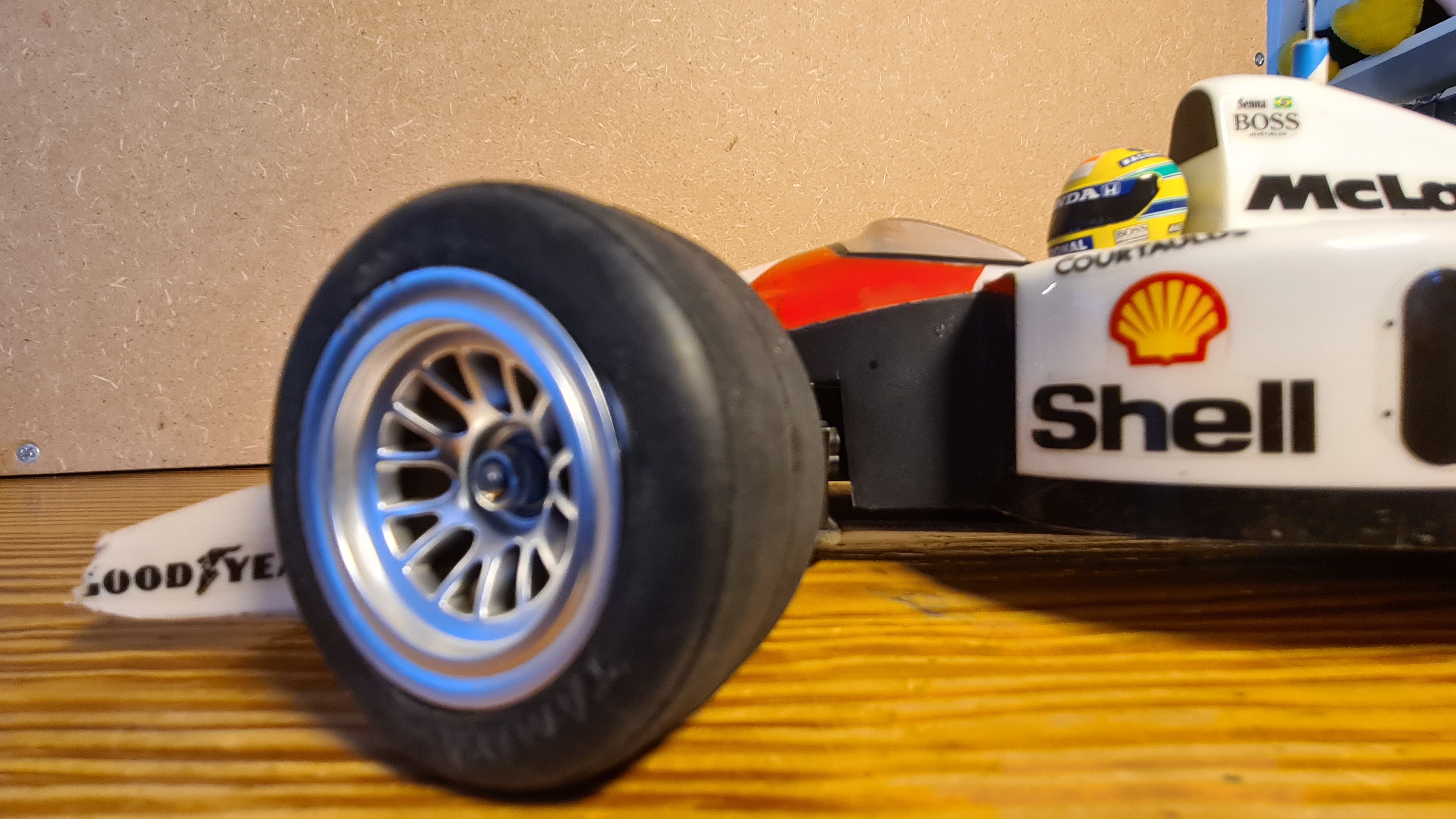
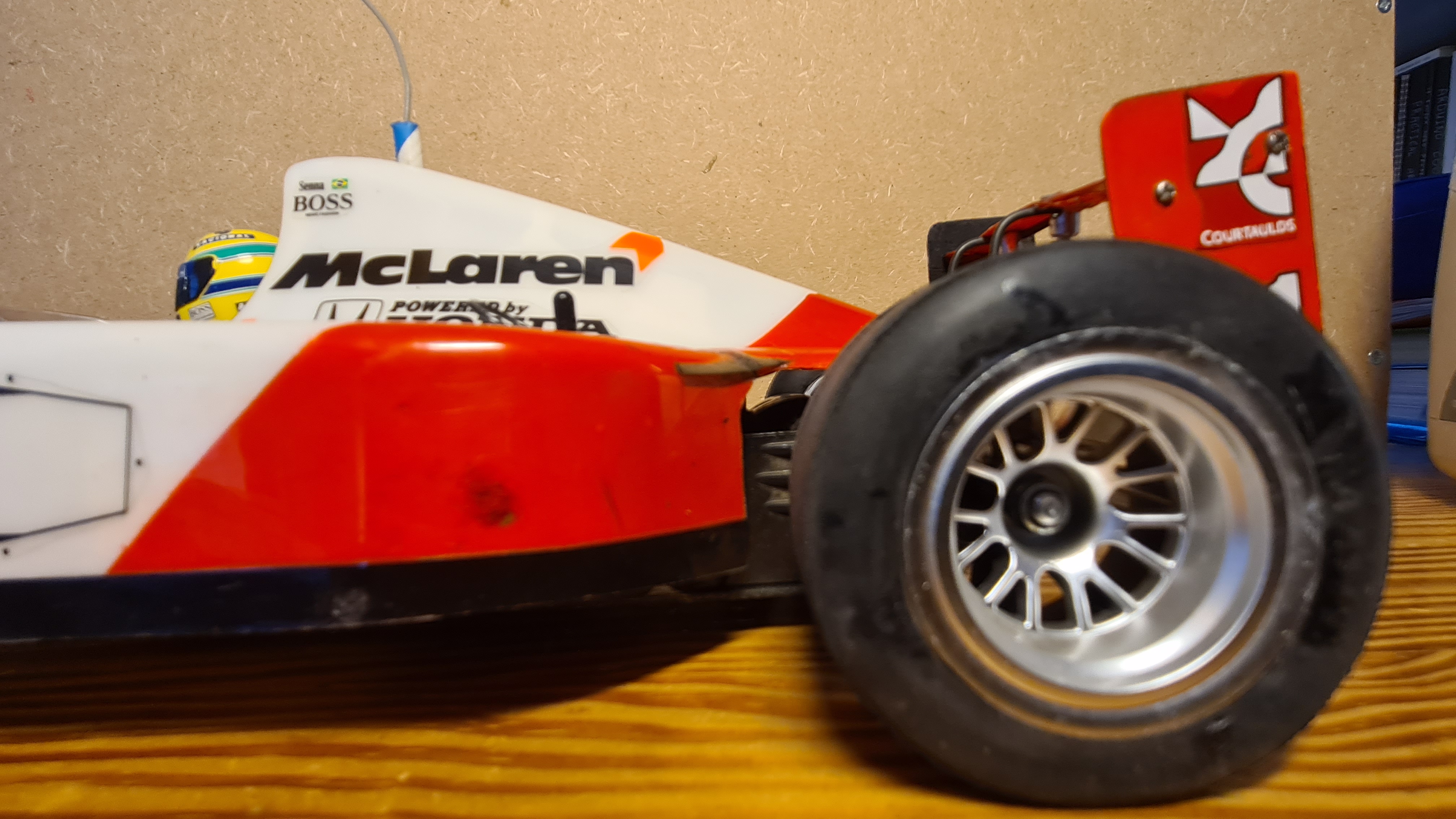
Posing shots
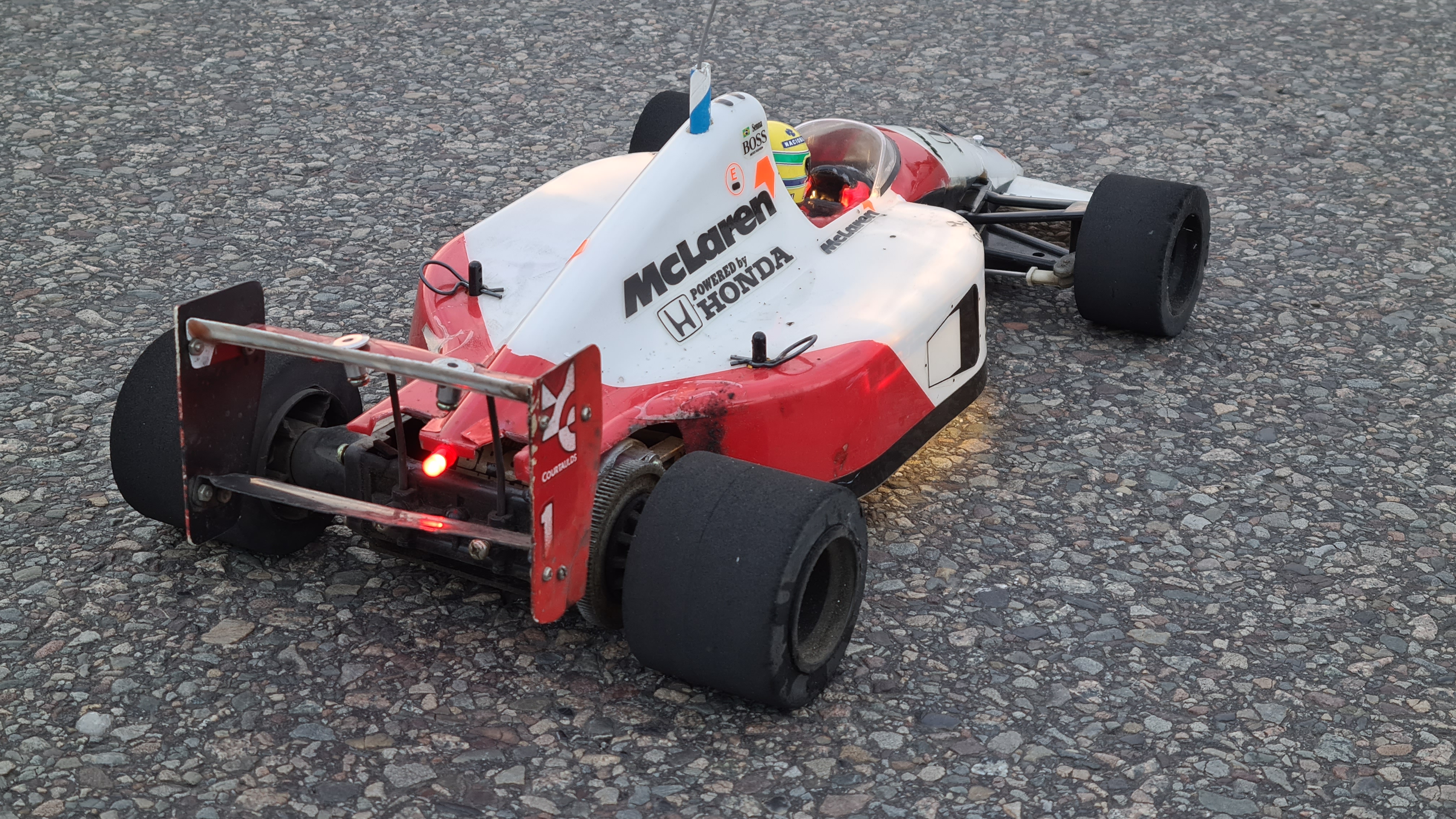
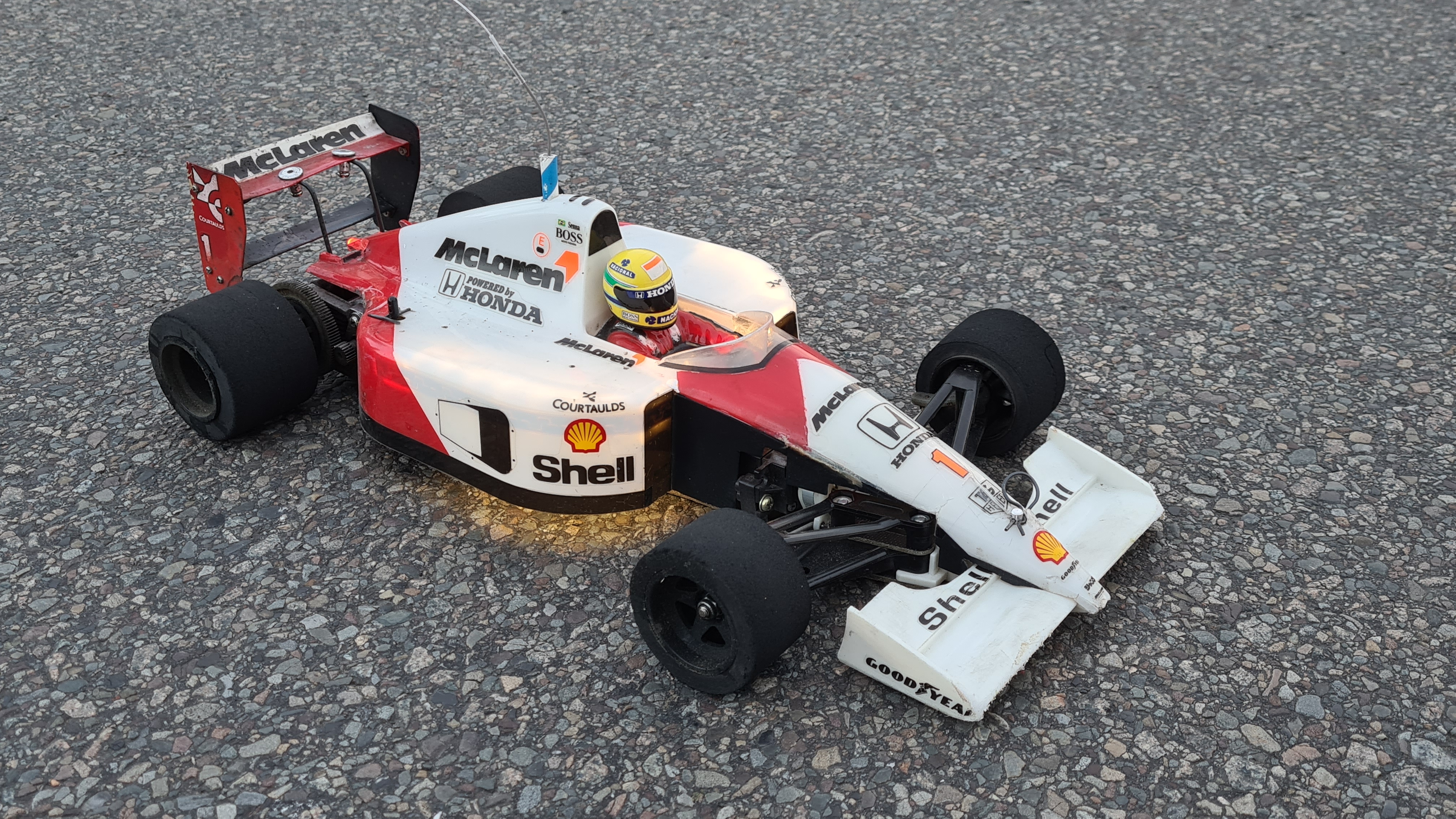
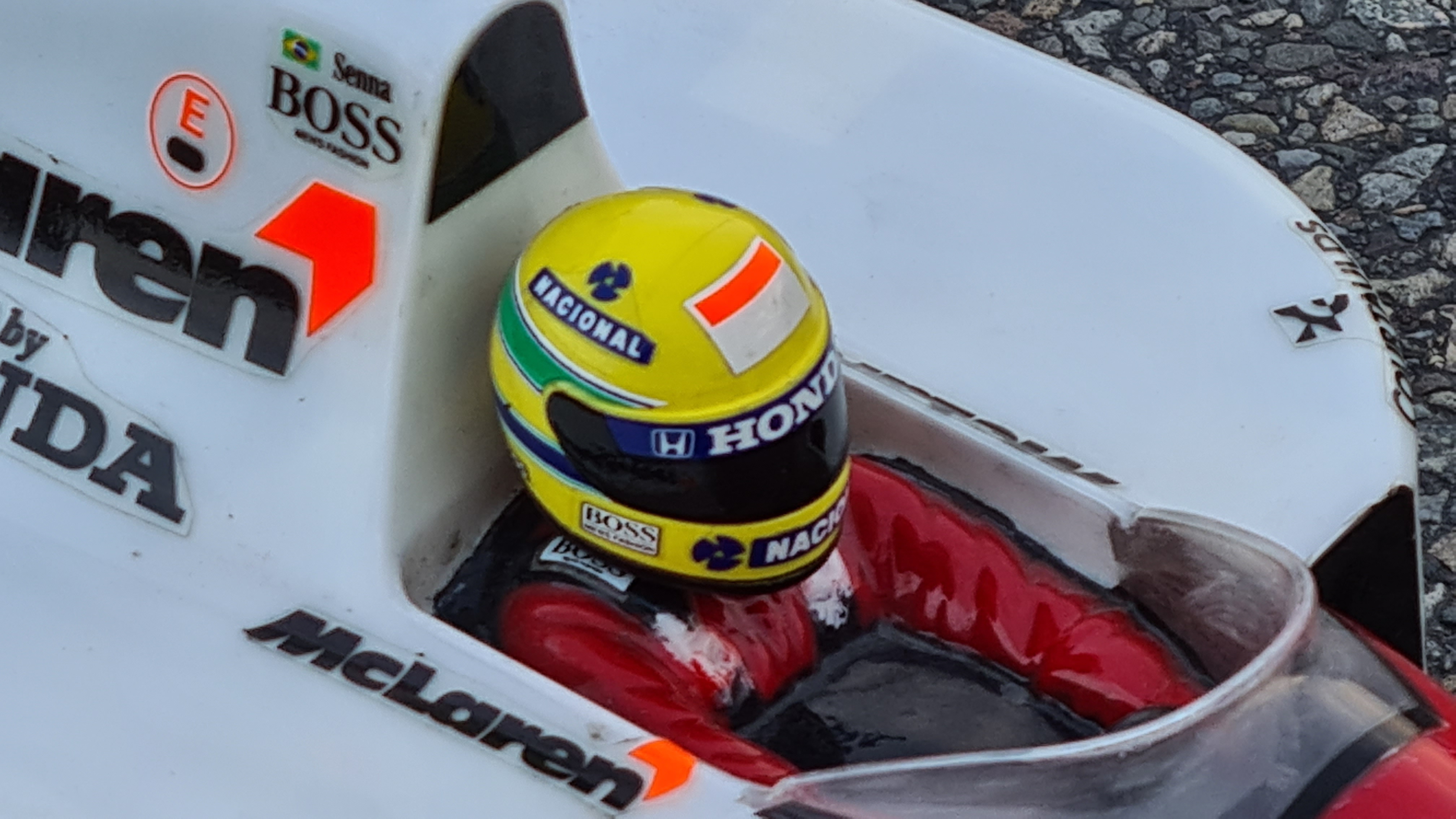
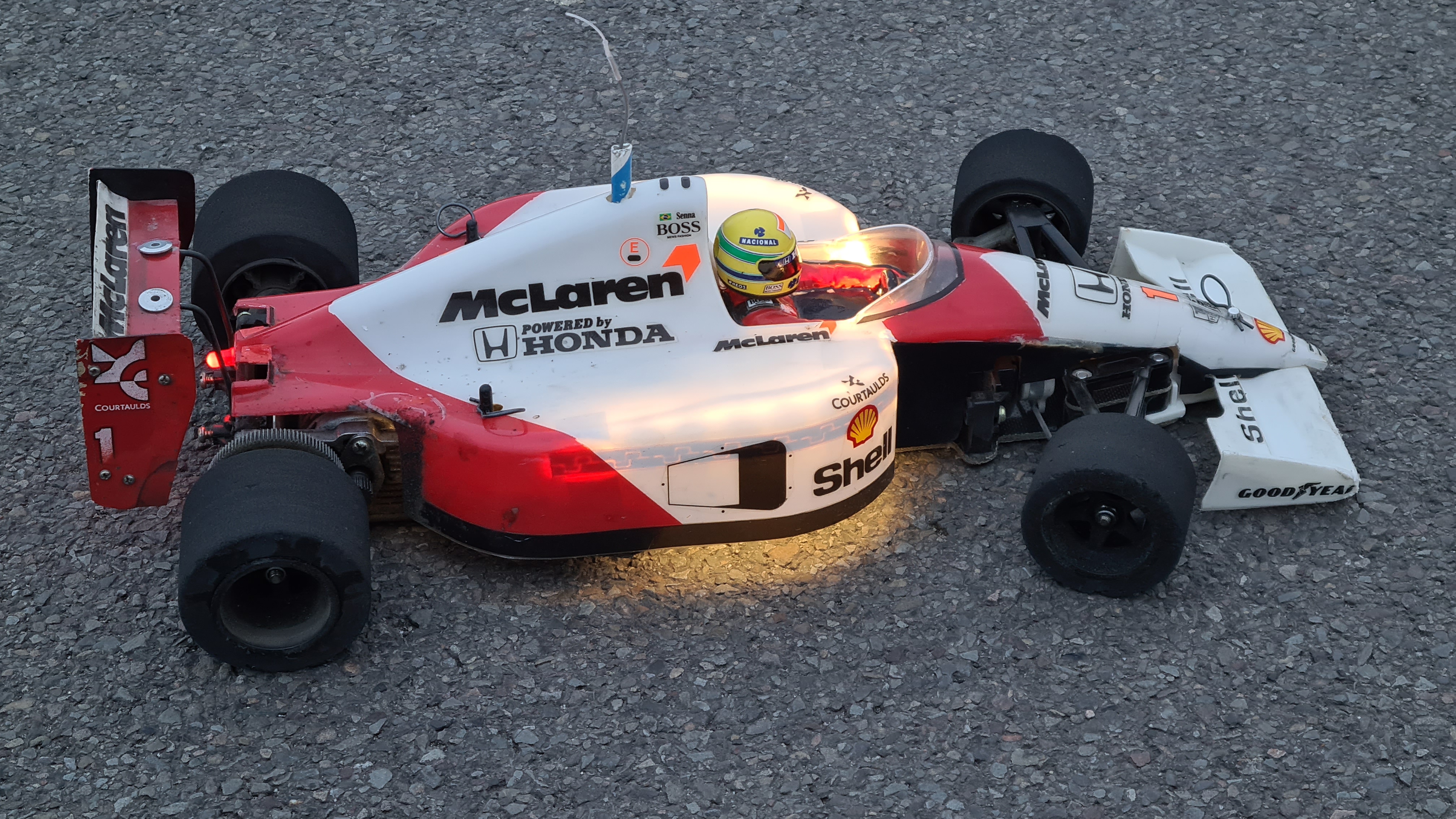
Videos
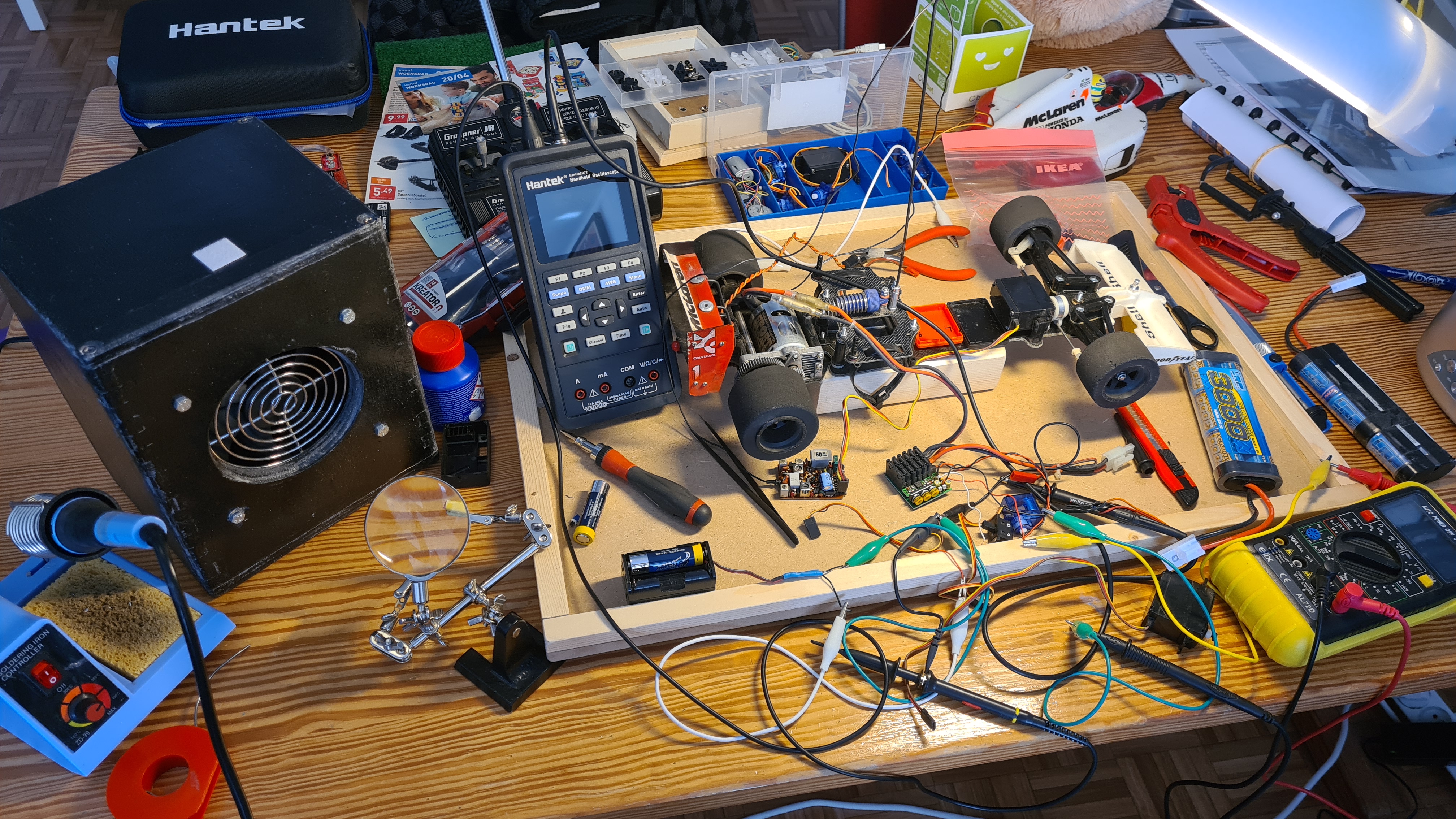
Workbench and indoor
- Stock motor
- Receiver and electronic speed control
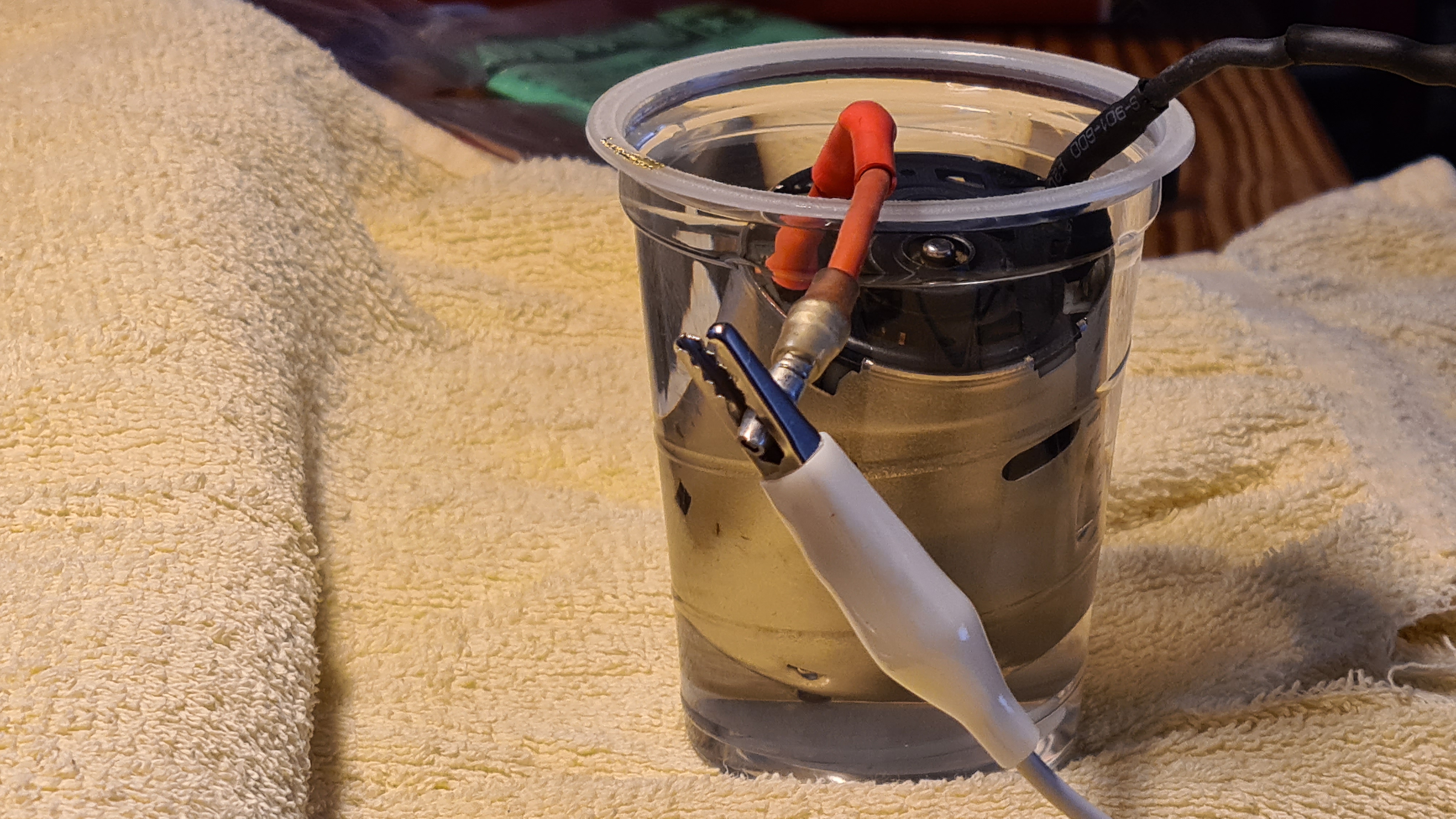
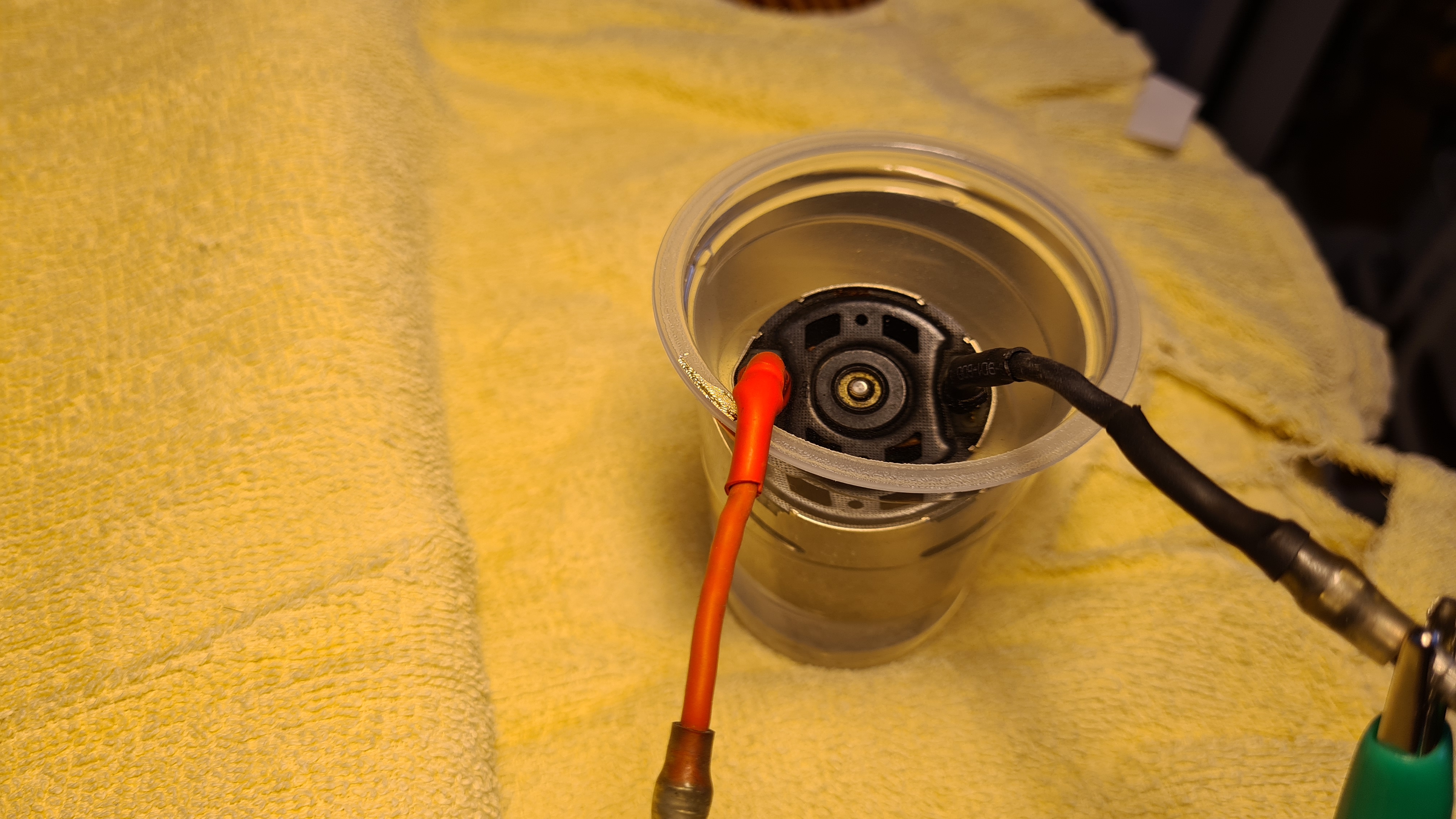
- Cleaning stock motor
- Gearing
- Breaking in new motor
- New battery
- New electronic speed control and transmitter/receiver
- Lighting switch channel
- New gearing
- ABS activation
- ABS activation
- New wheels and tyres
- New servo
- Large turnbuckle (slow motion)
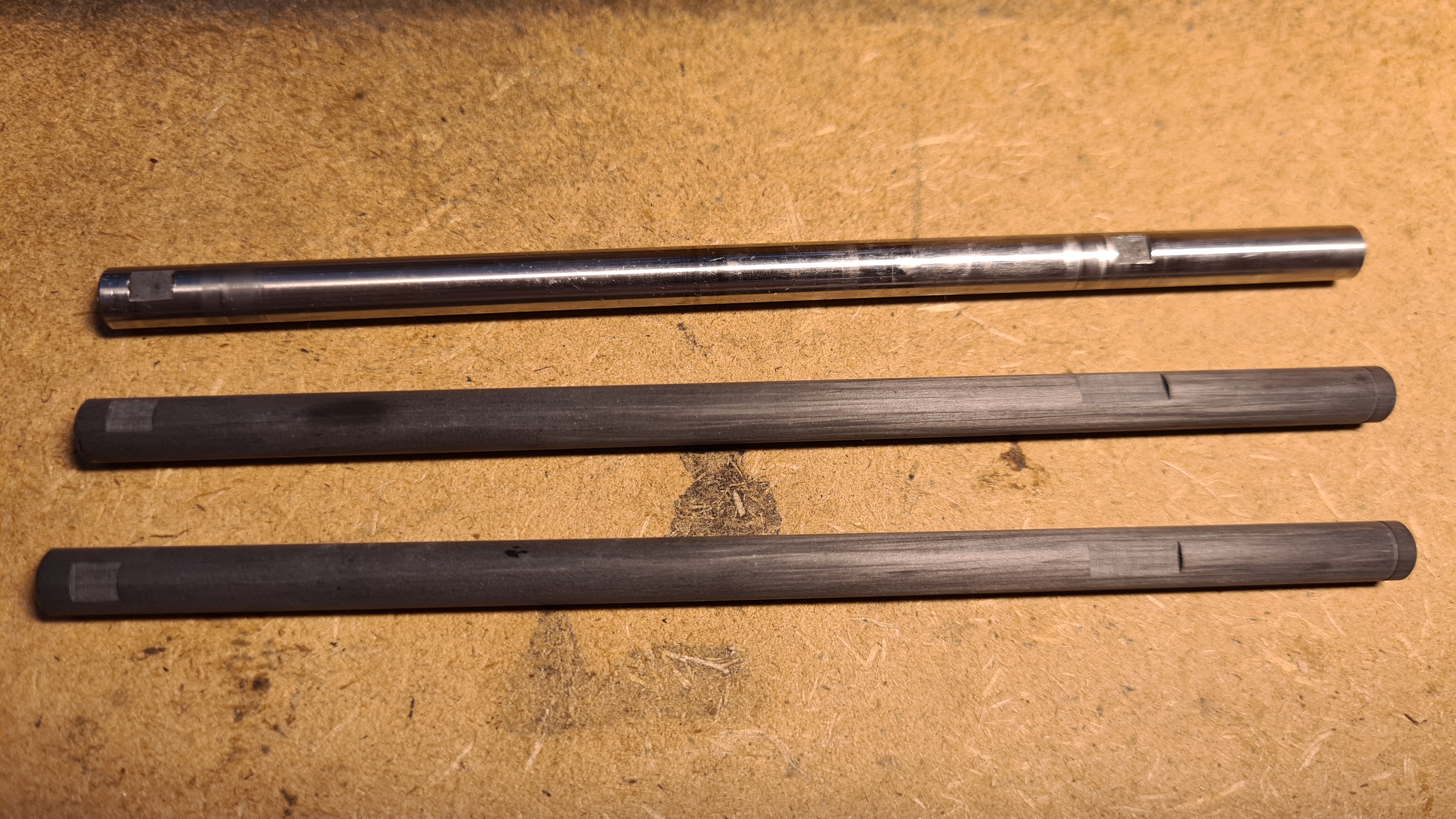
- Carbon rear axle
- Old gyroscope (super slow motion)
- Old gyroscope (slow motion)
- Old gyroscope (super slow motion)
- Old gyroscope departure (slow motion)
- Old gyroscope departure (super slow motion)
- Old gyroscope wobble (slow motion)
- Garage driving
- Test Super Stock RZ motor
- Heightened motor mount with large pinion gear
Outdoor (day time)
- Driving
- Driving
- Driving (slow motion)
- Departure (super slow motion)
- Fast approach
- Drive-by
- Drive-by and turning (slow motion)
- Drive-by (slow motion)
- Fast decent
- Departure (super slow motion)
- Drive-by (slow motion)
- Drive-by (slow motion)
- Slip (slow motion)
- Driving
- Sliding (slow motion)
- Departure (super slow motion)
- Departure and spin (slow motion)
- Departure and spin (super slow motion)
- Departure no body (slow motion)
- Departure no body (super slow motion)
- Drive-by (slow motion)
- Departure (super slow motion)
- Drive-by
- Jump (slow motion)
- Dusty departure (super slow motion)
- Driving
- Drive-by
- ABS activation
- Sliding (slow motion)
- Departure (super slow motion)
- New gyroscope, high-speed drive-by
- New gyroscope, high-speed drive-by (slow motion)
- New gyroscope, high-speed drive-by
- New gyroscope, fast approaches, slipping (slow motion)
- Walk around body (slow motion)
- Walk around body (slow motion)
- Walk around body (slow motion)
- Walk around electronics(slow motion)
- Walk around electronics (slow motion)
- Walk around electronics (slow motion)
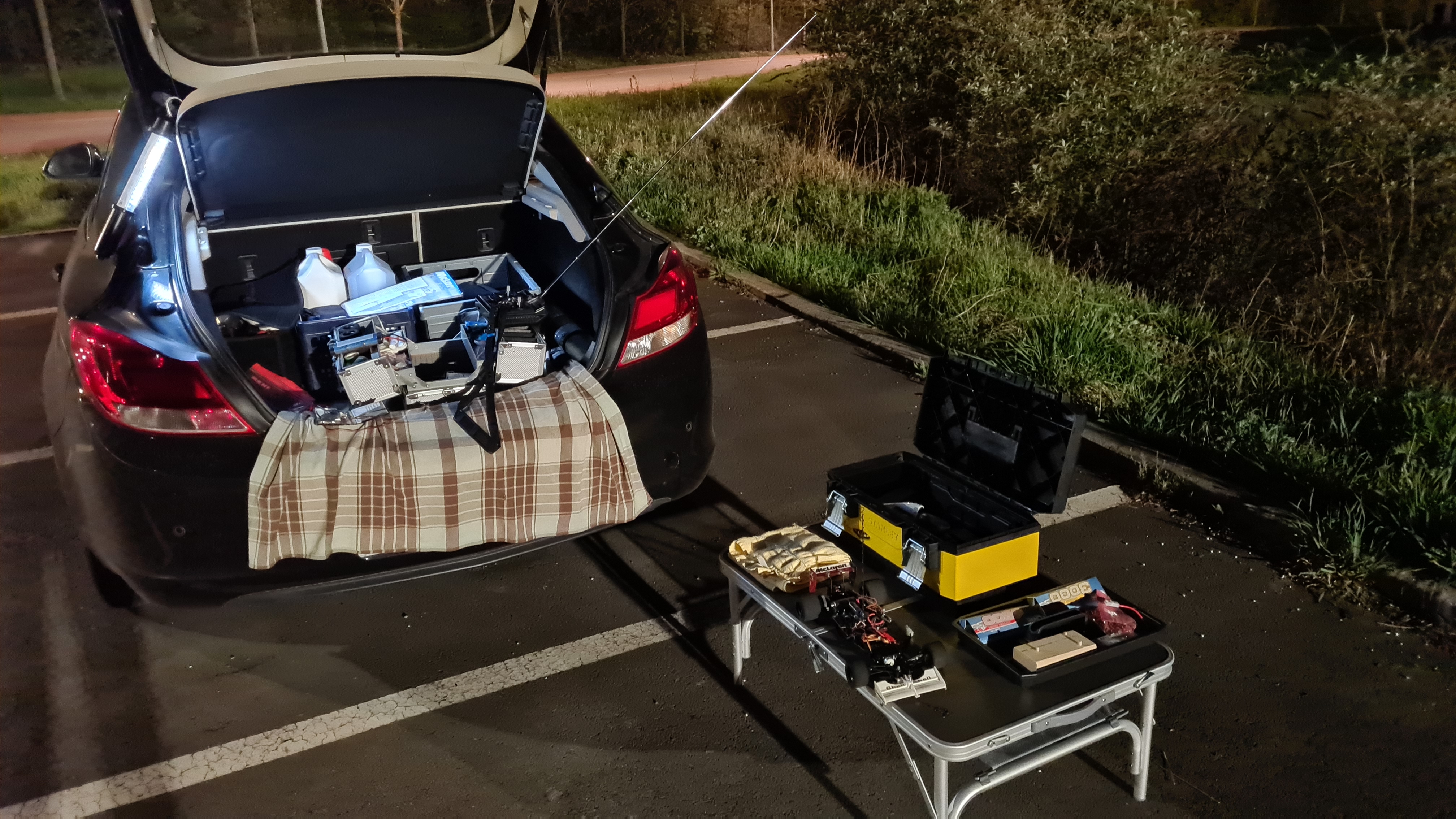
- Racing on parking
- Speedruns on parking
- Speedruns on parking
Outdoor (night time)
- Driving
- Driving
- High-speed cornering
- Drive-by
- Departure and drive-by
- Drive-by and slipping
- Drive-by (slow motion)
- ABS activation and donuts
- Drive-by and stopping
- Departure (super slow motion)
- Drive-by and stopping (slow motion)
- Dusty departure (super slow motion)
- Zig-zagging (slow motion)
First-person view


